
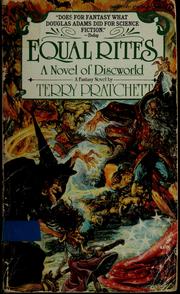
Reading options
What's inside (6 sections)
I came to Equal Rites after reading Mort and Guards! Guards! out of order, the way many people meet Discworld. A friend told me to go back for Granny Weatherwax, because everything about the witches starts here. She was right. Published in 1987 by Victor Gollancz, 200 pages in the first hardcover, this is Discworld number 3 in publication order, after The Light Fantastic and before Mort. It is also the first Witches book, even though the series field on this site lists it as Discworld to keep related scoring together. That double numbering confuses new readers, so file it plainly. Discworld 3, Witches 1. You can start here without reading the first two. I did not feel lost, only curious about a few names.
The Disc itself needs a quick sketch if you are new. A flat world carried on four elephants standing on a giant turtle. Magic leaks everywhere. Wizards cluster in Unseen University in Ankh-Morpork, a walled school full of old men arguing about dinner. Witches live out in villages, deliver babies, lay out the dead, deal with pride and feuds. Men are wizards. Women are witches. Everyone knows this the way people know things they never tested.
Drum Billet tests it by accident.
He is an old wizard who feels death coming. On Discworld the eighth son of an eighth son inherits wizard power, and only a dying wizard can pass the staff on. Billet rides through a storm to the village of Bad Ass in Lancre, finds blacksmith Gordo Smith whose wife is in labor, waits for the eighth son. The baby arrives. Billet lets the infant hold his staff, sits down, dies quietly while Death collects him. Midwife Granny Weatherwax watches, protests, then looks closer. The eighth son is a daughter. Her name is Eskarina Smith, called Esk.
The staff stays. Granny tries to burn it, chop it, leave it. It resists. Tools break. Fire sulks. So they bury Billet in the orchard and let the baby keep the power no one meant to give.
That mistake drives the whole book.
Seven years pass with Granny keeping watch. No obvious magic at first. Then one winter day Smith sends Esk with her brothers Cern and Gulta to bring food to Granny cottage. The cottage looks empty. No footprints except birds and animals. Inside Granny lies cold and grey in bed, not breathing. The boys run home for help. Esk stays. Night falls. Strange scratching fills the house. Esk panics, runs into woods, gets lost. A crow drops down the chimney, flutters to Granny room. Granny mind returns from the bird into her body. She wakes disoriented, as borrowing minds always leaves her, senses wolves near Esk, pushes out after her.
Pratchett writes this early borrowing well because it shows Granny method. She does not throw fire. She slips into heads of owls, dogs, birds, steers them gently, pays a price in dizziness after. It is practical, a little eerie, built for country work like finding lost sheep or lost girls. Esk, by contrast, does magic by wanting. When she gets scared in the woods, things happen around her without words. Wolves hesitate. Wind shifts. Granny sees enough to worry.
After Esk is safe in bed, Granny borrows an owl and flies to the orchard to talk with Esk favorite tree. The tree holds something of Billet, reborn in wood after death, stubborn as ever. He tells Granny the girl must go to Unseen University. Granny refuses. Girls do not go there. Witches and wizards do not mix. She flies home angry.
Then Esk starts showing power at home in ways parents cannot ignore. Granny tries to teach her witch ways, lighting fires with will, controlling temper, thinking before wanting. One lesson ends with a fireball that wrecks a fireplace and sinks into stone. Another ends with Esk turning brother Gulta into a pig during teasing, then turning him back without quite knowing how. Smith, who wanted a normal smithy family, agrees she must leave. Granny writes to the Archchancellor of Unseen University, packs, argues with Smith about money and sense, takes Esk on the road.
Granny on the road
I liked the travel middle more than I expected, and it is also where the book sags a little. Granny has never left the Ramtops. She knows herbs, births, deaths, local pride. She does not know cities, rivers, inns that charge for candles. Esk knows even less, plus she carries a staff that hums when threatened and sometimes acts alone.
They join a trader convoy partway, which gives Pratchett room for jokes about country people meeting town rules. Granny barters hard. She reads faces. She refuses to pay for nonsense. Esk befriends a boy named Simon, a sickly apprentice with a stammer and a strange gift for seeing the world as numbers. Simon can look at light and talk about universes inside it. Esk senses he sees more than the wizards do. Simon laughs when Esk asks about women wizards, not cruelly, just because he never considered the question.
Vice Chancellor Treatle rides with the convoy, a senior wizard from Unseen University, pompous, fond of titles, quick to dismiss. He tells Esk flatly that women cannot be wizards. Esk, eight years old and holding a wizard staff, hears this as nonsense. She runs off into scrub hills, sleeps under a cliff, dreams of a black desert and a huge castle with doors that will not open. She tries to burn the doors with staff magic and fails. She wakes to find Granny beside her and scorched rock all around where her dreaming power lashed out.
Granny decides they will finish by broomstick. That flight, cold, bumpy, with Esk clutching and Granny steering by will, is one of the funniest and most tender scenes. Granny hates fuss. She also refuses to leave the girl. Pratchett lets her grumble all the way to Ankh-Morpork while holding Esk tight when wind gusts.
Ankh-Morpork itself arrives as noise and stink. Big river, crowded bridges, guilds shouting, wizards arguing in a tower while ordinary people sell eels. Granny settles fast. She finds lodgings, takes witch work, tells fortunes she does not believe in to pay rent, scolds city folk for wasting money on cures. Esk stares. She has never seen so many people who want so many things at once.
The gates that will not open
The University gates are huge, magical, set to keep out the unworthy. The convoy rolls in with Treatle and Simon. Gates swing wide. Simon is welcomed. He puts on a display in the great hall, projecting an image of the Discworld that hangs shining while wizards gasp. For a second Esk sees something else under the light. Dark sand, cold stars, shapes pressing. The Dungeon Dimensions, where Things wait for minds that stretch too thin.
Esk steps up to Archchancellor Cutangle, an old man with a beard and a temper, and asks to be let in. He is charmed, then annoyed when she will not take no. She tries to show power the way Simon did, rolls up sleeves, concentrates. Nothing clean comes. The hall laughs. Treatle smiles. Granny watches from the edge, jaw tight.
Cutangle says no. Rules are rules. Wizards are men.
Granny finds another way. She gets Esk hired as help, scrubbing floors, carrying books, sleeping in cold servant rooms. Esk sneaks into lectures she barely understands, cleans the Library where books growl under chains, meets Simon again in corridors. Simon warns her that magic books bite. He is kind, distracted, already stretching toward ideas that scare senior wizards.
The Library deserves a paragraph because Pratchett clearly loves it. Magic has soaked the shelves so deeply that space bends. The head librarian is an orangutan who shelve walks and says only Ook, yet organizes better than any human. He remembers Esk with a look that might be sympathy. Books whisper. Ladders move. Esk, supposed to dust, instead learns to read titles that shift when stared at. One afternoon Strange Things try to break through near Simon while he works. Reality thins. Cold air spills. Esk staff knocks Simon cold without her ordering it, slamming the gap shut, saving him but trapping his mind on the other side.
Esk thinks the staff attacked her friend. She throws it into the river in grief and anger. That choice nearly drowns the city.
Granny and Cutangle duel around this point, and it is not fireworks so much as wills pushing. Granny does headology, making Cutangle see himself as others see him, old, frightened, hiding behind rules. Cutangle throws structured force, lines and circles, learned shapes. They end in a draw with mutual respect, which matters because Cutangle starts listening. Granny tells him Esk history, the mistaken inheritance, the pig brother, the scorched cliff. Cutangle, to his credit, stops quoting rules and starts worrying about the girl lost in cold dimensions and the staff freezing the sea.
Because the staff, cast off, has washed out to sea and now reacts to Esk danger by making ice. A floe spreads. Storm hits Ankh-Morpork. River bursts banks. University floods. Boats tip. Wizards who mocked weather as country business bail water with valuable hats.
Granny and Cutangle take a small boat with Granny broomstick for backup, row toward the freeze, climb out onto ice that should not exist in summer, find the staff shivering at the center like a lost animal, grab it, escape as ice breaks. I found this sequence both silly and moving. Two old rivals holding each other up on slick ice to rescue tools and children they both failed.
Back in the Library, where Esk and Simon bodies lie safe because weird geometry resists flood, Cutangle makes a decision. He names Esk a wizard so she can fully use the staff. Titles matter on the Disc. Naming lets power flow clean.
What Esk learns in the cold
Inside the Dungeon Dimensions Esk finds Simon adrift among Things that feed on magic use. The more you throw, the stronger they get. They whisper, promise, show doors. Esk wants to blast them. Simon, even lost, understands numbers enough to see the trap.
Their escape turns on refusal. If you can use magic but choose not to, the Things weaken, confused, starved. Esk holds Simon hand, thinks of Granny cottage, smithy smells, ordinary bread, and does nothing, hard nothing, disciplined nothing. Granny, back in the world, lends will through staff and through Cutangle support. The link holds. They pull back into Discworld, soaked, shaking, alive.
Flood drains. Wizards mop. Cutangle, changed enough to act, ends male exclusivity in words if not yet in habit. Esk and Simon talk about a new kind of magic based on knowing and withholding, on skill plus restraint. No one fully understands it, which Pratchett presents as a good sign. Useful ideas start messy.
Granny and Cutangle part with something like friendship and something like flirtation. He offers her a teaching chair. She refuses to stay caged in a tower, though she considers visiting. That refusal felt right. Granny belongs on roads and in cottages, not committees.
Esk does not return in later books except much later in I Shall Wear Midnight, published 23 years after. Granny carries forward into Wyrd Sisters, Witches Abroad, Lords and Ladies and the rest, soon joined by Nanny Ogg. So read this as a beginning for Granny more than a long arc for Esk. That oddness is worth naming. The girl on the cover steps aside. The older woman steals the series.
Why it charms and where it wobbles
What charms is Granny. Esmerelda Weatherwax arrives fully formed. Tall, sharp nosed, iron haired in a bun, blue eyes that make liars fidget, a voice that expects obedience and usually gets it. She believes women are witches and men are wizards and the two should not mix, which makes her the worst possible guardian for a girl wizard except that she is also the best, because she will not abandon a child to rules. Her headology, knowing people so well that the world bends, gives Pratchett a way to write power without light shows. She stares down a stallion, calms a crowd, shames Cutangle, all by understanding fear and pride better than her targets do.
Esk charms in flashes. Eight years old, blunt, loyal, quick to anger, quick to weep. She loves her tree, misses her father forge, likes Simon because he listens. Pratchett writes children without cuteness. She makes mistakes that cost. Throwing the staff felt true to a child betrayed by a tool, even as it floods a city. I forgave the flood because I believed the grief.
Simon interests me more each reread. Sick, stammering, seeing math where others see myth. He invents a way of looking that reduces the universe to component numbers, which frightens wizards who built careers on robes. His danger comes from brilliance, not malice. The Dungeon Things use him because bright minds shine farther in the dark. Pratchett treats him kindly. He does not cure his body with magic. He lets him stay frail and valuable.
The satire stays light but pointed. Wizards exclude Esk from habit, not plot level cruelty. Habit dressed as natural law is Pratchett lifelong subject. Witch magic and wizard magic turn out to be different stories about who may hold power, not different powers. Country competence versus tower geometry. Both work. Both fail. The book insists the division wastes talent. That argument, made in jokes about hats and staffs, lands cleaner than many earnest novels manage.
Fair criticism belongs, because early Pratchett is not late Pratchett.
The middle travel sags. Convoy scenes repeat. Granny barters, Esk wonders, Treatle sneers, Simon coughs, night camp, repeat. One river stretch and one inn argument could have been cut without losing character. I skimmed a little on the road to Ankh-Morpork, the same way I skimmed lodge meetings in Guards! Guards! Pratchett knew pace was an issue, so he inserts broomstick flight to break it, but the sag shows.
The University staff beyond Cutangle and Treatle blur. Old men with similar beards argue about lunch while reality thins. A few have names, but I mixed them. That blur weakens the infiltration, because Esk sneaking among identical grumps carries less tension than sneaking among distinct threats. Later Watch books give every guard a voice. Here wizards share one voice.
Gender writing creaks in spots. The book argues for equality while leaning on jokes about nagging wives, silly townswomen, men baffled by housework. Most of it reads as satire of the attitudes, not endorsement, but a few lines land awkward now. Granny herself starts conservative about roles and ends only partly changed. Modern readers who come for Tiffany Aching confidence may find Esk quieter, more acted upon. I did. She drives plot by existing, less by choosing, until the final refusal. That final choice redeems a lot, but not everything before.
Length helps and hurts. At 200 pages first hardcover, the book moves fast, almost too fast at the end. Flood, ice rescue, naming as wizard, return from Dimensions, new magic theory, all in a rush. I wanted ten more pages of quiet after, Esk and Granny eating soup while Cutangle dries his socks. Pratchett gives a paragraph and moves on. Early Discworld often ends on a joke and a wave. This one waves while water still stands in halls.
Who should read it. Readers who want Granny origin and a short entry to Discworld Witches. Readers who like school satire where the school refuses admission. Readers who want funny fantasy with a core argument about gatekeeping. If you need Rincewind slapstick, look to The Color of Magic. If you want Death, read Mort next, which follows this as Discworld 4. If you want the Witches at full strength, continue to Wyrd Sisters where Granny meets Nanny Ogg and the fun doubles.
Facts to file match the JSON. First published in 1987. Publisher Victor Gollancz, in association with Colin Smythe on the true first, listed here as Victor Gollancz for consistency with other Discworld posts. First hardcover 200 pages. ISBN 9780575039506, verified from publisher and bibliography sources, passes the check digit test. Open Library has no cover for that ISBN, so the post uses a verified edition cover at https://covers.openlibrary.org/b/id/6925774-M.jpg, which returns an image. Series Discworld number 3. Note in text that it is also Witches 1. Tags that fit are fantasy, comedy, magic, witches, satire.
I closed it fond of Granny in a way I was not expecting after two books centered on men. She walks into Ankh-Morpork certain the city will waste her time, learns the city needs witches as much as villages do, leaves without joining the tower. That walk, out of mountains, into gates, back out carrying a girl and a staff and a grudging ally, feels like the series finding its spine. Later books give her better foils and sharper plots. This one gives her arrival. Read it for that arrival, forgive the road miles, stay for the ice and the refusal. The most powerful move turns out to be the spell not cast.
FAQ
Is Equal Rites part of a series and where does it fit?
Yes. It is Discworld number 3 in publication order, after The Light Fantastic and before Mort. It is also the first Witches book, introducing Granny Weatherwax.
Who are Esk and Granny Weatherwax?
Eskarina Smith is the eighth child of an eighth son who inherits a wizard staff. Granny is the Bad Ass witch who escorts her to Ankh-Morpork.
When was Equal Rites published and how long is it?
It was first published in 1987 by Victor Gollancz. The first hardcover runs 200 pages and the ISBN is 9780575039506.
Similar books
More from Discworld first, then related titles.
The Color of Magic
A failed wizard guides a tourist across a flat world on a turtle, with comic fantasy chaos.
2,032-word summary · 9 min read
The Light Fantastic
Rincewind and Twoflower fall off the world while wizards race a red star.
1,974-word summary · 9 min read
Mort
Death hires apprentice Mort in this 1987 Discworld comedy, where a spared princess splits reality and duty bends for love, with no Rincewind.
2,386-word summary · 11 min read
Sourcery
A dying wizard hides his soul in a staff, his eighth son becomes a sourcerer strong enough to break the world, and Rincewind is sent to stop him with a sock.…
2,404-word summary · 11 min read
Wyrd Sisters
Three Lancre witches rescue a murdered king's baby, hide Lancre's future, and trap a guilty duke with a play in Ankh-Morpork.
3,085-word summary · 14 min read
Guards! Guards!
A drunk captain, his last two guards, and an earnest recruit face a summoned dragon in Ankh-Morpork in Pratchett's funny eighth Discworld book.
2,307-word summary · 10 min read
Reaper Man
Death gets fired and farms while Windle Poons refuses to die.
2,579-word summary · 11 min read
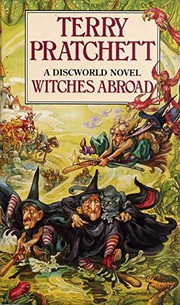
Witches Abroad
Three Lancre witches fly to Genua to stop a fairy godmother from forcing a servant girl into a storybook marriage, and find a city arranged around a happy…
2,651-word summary · 12 min read
Small Gods
God Om trapped as a tortoise must convince novice Brutha to save Omnia from its own church.
2,063-word summary · 9 min read
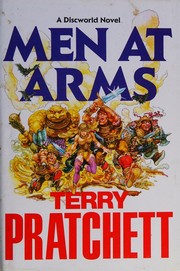
Men at Arms
The City Watch gets new recruits and a murder case when the Disc's only handgun turns up in Ankh-Morpork, in the fifteenth Discworld novel.
2,216-word summary · 10 min read
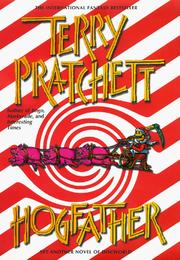
Hogfather
Death fills in for a missing Father Christmas, Susan Sto Helit hunts the Hogfather, and the twentieth Discworld novel turns Santa into a management problem.
2,871-word summary · 13 min read
Night Watch
Vimes is thrown back in time and must train his young self through a revolution.
2,003-word summary · 9 min read
The Wee Free Men
Nine-year-old Tiffany Aching teams with the Nac Mac Feegle to rescue her brother from the Fairy Queen.
2,600-word summary · 12 min read
Going Postal
A hanged con artist must revive Ankh-Morpork's dead Post Office and outwit a murderous rival in Pratchett's 33rd Discworld novel.
2,228-word summary · 10 min read
The Once and Future Witches
Three estranged sisters bring witchcraft back to an 1893 city where magic hides in nursery rhymes and the fight for the vote is also a fight for power.
2,132-word summary · 9 min read
Nettle & Bone
Marra, a princess in a convent, leaves to save her abused sister, but first she must finish three impossible tasks: a bone dog, a nettle cloak, moonlight in a…
2,061-word summary · 9 min read

The Indigo Spell
Sydney Sage hunts an aging witch, learns forbidden magic, and finally admits she loves Adrian, while the Alchemist tattoo on her cheek may be controlling her.
2,604-word summary · 12 min read
The Girl Who Drank the Moon
A witch who secretly rescues the town's sacrificed babies accidentally enmagicks one with moonlight, and the girl grows up with a power she cannot name.
2,078-word summary · 9 min read
Three Dark Crowns
Three triplet queens must kill each other for the crown, but love and gifts get in the way.
2,134-word summary · 9 min read
Dead Witch Walking
Witch and runner Rachel Morgan quits the agency with a death mark on her head and hunts an untouchable crime lord.
2,709-word summary · 12 min read
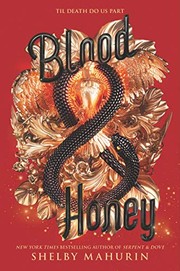
Blood & Honey
Married witch Lou and hunter Reid flee church and coven while dark magic tempts Lou to save them.
2,280-word summary · 10 min read

The Blinding Knife
Kip trains to join the Blackguard while the Prism hides his true identity, loses his colors, and fights a war against a rogue drafter who wants to birth a god.
2,049-word summary · 9 min read

Inkdeath
The final Inkworld novel sends Mo into the land of the dead, leaves Meggie choosing between two boys, and ends the Adderhead's immortality with three written…
2,062-word summary · 9 min read
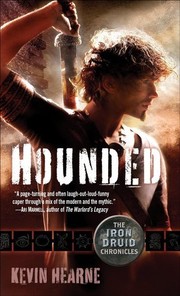
Hounded
A two-thousand-year-old druid runs a bookshop in Arizona, hides from an Irish god who wants his sword back, and talks to his dog.
2,159-word summary · 10 min read
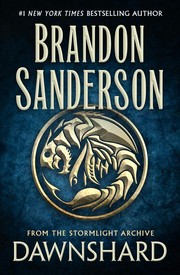
Dawnshard
Rysn sails toward forbidden Akinah to save her dying larkin and finds a Dawnshard guarded by the Sleepless.
3,229-word summary · 14 min read
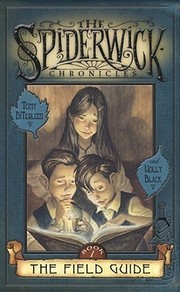
The Field Guide
Three siblings move into a creepy Maine estate, anger a brownie, and find a forbidden guide to the fairy world in the first Spiderwick book.
2,033-word summary · 9 min read

Magic Burns
A magic flare hits Atlanta, and mercenary Kate Daniels must recover stolen maps, find a missing witch, and keep a teenage girl alive while Celtic gods try to…
2,021-word summary · 9 min read
Year One
A plague released in Scotland kills most of humanity, and the survivors discover magic, build a town, and wait for a child who may save them.
2,029-word summary · 9 min read
Secrets of the Dragon Sanctuary
Kendra is replaced by a plant copy and held by the Society, while Seth steals a unicorn horn so the family can enter a dragon sanctuary.
2,590-word summary · 12 min read

Lioness Rampant
Alanna searches for the Dominion Jewel with the Shang Dragon, then returns to Tortall to face Duke Roger at Jonathan's coronation.
2,478-word summary · 11 min read