
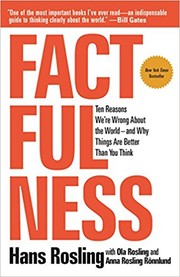
Factfulness
2,247-word summary 10 min read 352 pages in the book
- First published
- 2018
- Publisher
- Flatiron Books
- Pages
- 352
- ISBN
- 9781250107817
Reading options
What's inside (8 sections)
A friend left this book on my kitchen table with a note that said you will get half the quiz wrong. She was right. I missed more than half. Factfulness was published in 2018 by Flatiron Books and the hardcover runs 352 pages. Hans Rosling wrote it with his son Ola Rosling and his daughter-in-law Anna Rosling Ronnlund. Hans was a doctor and a professor of international health who spent years building Gapminder and giving talks with animated bubbles that made dry numbers move. He died in 2017 and Ola and Anna finished the book for release the next spring.
I picked it up expecting a lecture. What I got felt more like a reset. The opening pages hand you simple multiple choice questions about poverty, health, schooling, and population. How many children die before age five now compared with fifty years ago. How many girls finish school. Where most people live. I answered with confidence and did badly.
Rosling says that is normal. In his talks with students, doctors, bankers, and aid workers, most groups scored worse than chance. Random guessing would have done better, and so would a chimp picking at random. That image stuck with me because it was funny and a little bruising. It was not about being stupid. It was about working from old stories while the world had moved on.
The book keeps that tone. Warm, stubborn, eager to show his work. He tells stories from clinics and classrooms, from years advising health groups, from family arguments around the dinner table. He admits his own misses. He wants you to feel the pull of alarm and then check it.
The quiz that made me rethink what I knew
The first chapter lays out the trap. We think the world is poorer, sicker, and more violent than it is. We think a huge share of people live in extreme poverty. We think girls rarely go to school. We think deaths from disasters keep rising.
Rosling argues the opposite on many long trends. Child deaths have fallen a lot over decades. More girls are in school. More people have enough to eat and a way to charge a phone. None of that means suffering is over. It means the direction is better than our gut says.
What surprised me was how steady the miss is across jobs and countries. Nurses, teachers, journalists, activists. All low scores. He blames old school lessons that froze the world in the 1960s, plus news that favors the rare and the awful, plus a brain that loves a clear story of decline or rescue.
I liked that he starts with himself. As a young doctor he carried strong views that broke when he worked with real patients in places he had only read about. That humility runs through the book. He keeps asking what data would change my mind.
One small habit helped me right away. When a headline scared me, I paused and asked what the rate was, not only the count. A count can sound huge while the share is falling. That shift from total to share comes up again and again.
Four levels instead of two worlds
The most useful picture in the book is the four levels. Rosling dislikes the split between developed and developing. He calls it old and misleading. It puts a rich country and a middle income country in one box and puts a middle income country and a very poor one in another, as if the middle does not exist.
He replaces it with income per day, adjusted for prices. Level 1 is less than two dollars a day. Level 2 is two to eight dollars. Level 3 is eight to thirty two dollars. Level 4 is above thirty two dollars. The numbers are rough guides, not moral grades. They describe what daily life can afford.
On Level 1 you fetch water on foot, cook over fire, and have no reliable light. On Level 2 you may have a bike, a gas cooker, and a shared phone. On Level 3 you may have running water, a fridge, and a motorbike. On Level 4 you may have a car, higher education, and travel abroad.
Most people today live on Levels 2 and 3. That was the shock for me. I had pictured a world with a small rich club and a vast poor crowd. Rosling shows a wide middle where girls go to school, children get vaccines, families have two children, and parents hope for a holiday rather than an escape.
This frame changed how I read other chapters. When he talks about health or schooling, I pictured a family on Level 2 or 3 rather than an abstract poor country. It made progress feel concrete. A road with a bus. A clinic with a fridge for vaccines. A school with benches.
Short version I kept: look for the middle before you accept a split into us and them.
The weakness here is also clear. Income per day hides a lot. It says little about freedom, safety, air quality, or who holds power at home. Rosling knows this, but the book moves fast and sometimes treats a rise in income as a rise in all good things. I wished for more on that gap.
Why we get it wrong, part one
The heart of the book is ten instincts and ten counter habits. The first three hit how we see change.
The gap instinct loves a divide. Rich versus poor. Us versus them. Rosling says to look for the majority in the middle. On many charts there is no empty gap, only a slope. Poverty rates, school years, and health measures spread out rather than clustering at two poles. When someone shows two bars far apart, I now ask what sits between them.
The negativity instinct expects decline. Bad news reaches us faster than slow gains. A plane crash leads the news while millions of safe landings do not. A war photo spreads while a quiet rise in literacy does not. The habit he suggests is to expect bad news by design and ask if improvement would even get attention. If not, look it up rather than trusting the feed.
The straight line instinct assumes a trend will run forever. Population will keep rising at the same pace. Prices will keep falling. A disease curve will climb without bending. Rosling asks you to picture the bend. Many fast rises slow as causes shift. Birth rates fall as child survival and schooling rise. He walks through population growth with care, showing how the pace has changed and why the future path depends on schooling and access to family planning.
These chapters use many charts. Some feel fresh. Some feel like a classroom handout. I did not mind. The repetition helped me remember the moves.
One passage I still use at work: when a chart starts in a scary year, extend the axis. A short window can turn a dip into a cliff. A longer view often shows wobble inside a calmer drift.
That is not a reason to relax. It is a reason to aim better. Panic spends attention in the wrong place.
Why we get it wrong, part two
The next three instincts shape how we weigh danger and difference.
The fear instinct gives rare horrors too much weight. Sharks, crashes, kidnappings, new viruses with fresh names. Fear grabs the body first. Rosling suggests you calculate risk with rates and time. How many per million. Over how many years. Compared with what. He is not cold about loss. He says fear of the rare can crowd out work on the common, like road safety, smoking, dirty indoor air, and basic care for mothers and babies.
I found this chapter uneven. The advice to calm down and check numbers is sound. The examples sometimes brush past why fear spreads. A parent near a school shooting does not fear math. A family near a flood does not need a lecture on rates. Rosling means well, but his calm can read as distance.
The size instinct trips on big totals. A million of anything sounds huge. Rosling says to divide. Per person. Per year. Share of the whole. He shows how aid sums, migrant counts, and death tolls look different once you place them beside the base they come from. I started keeping a scrap rule: no big number without a denominator.
The generalization instinct puts whole groups in one box. All poor countries. All refugees. All city teens. He tells you to check the spread inside the label and to look for differences that matter. Compare income levels within a region. Compare girls with different schooling rather than girls as one block. Ask who is missing from the photo.
This helped me as a reader of news from places I have never lived. I caught myself saying they when I meant a small group in one city in one year. The book pushes you to name the group, the place, and the year before you judge.
If I have a gripe here, it is that the stories lean on Rosling as hero of perception. He spots the error. He shows the chart. The crowd gasps. After a while the pattern repeats and the surprise fades. The habits still land, but the theater wears thin.
Why we get it wrong, part three
The last four instincts deal with fate, fixes, fault, and haste.
The destiny instinct says things never change. Cultures are fixed. Religions block progress forever. Poor regions stay poor. Rosling answers with slow change. Values shift across generations. Schooling spreads. Family size falls. He urges you to watch for gradual moves rather than waiting for a sudden flip. A country can keep its faith and still change its clinics and classrooms.
The single perspective instinct wants one fix. One drug. One market. One law. One hero. Rosling says to carry a toolbox. Numbers help. Stories help. Field visits help. History helps. He likes to test an idea from several sides before backing it. That modesty suits a doctor who learned to distrust neat cures.
The blame instinct hunts for a villain or a savior. A minister. A company. A migrant group. A famous founder. He suggests you look for systems and causes that many hands shaped. Who gains. What rules reward the harm. What would happen if one person left. I found this useful and also limited. Systems matter, but people still choose. The book sometimes pulls back so far that no one seems answerable.
The urgency instinct says act now or lose all. Rosling does not preach delay. He preaches order. Check the data. Pilot on a small scale. Keep learning while you act. Panic can lock in a bad plan. A steadier pace can save more lives. As someone who has rushed to share an alarming post, I felt seen here in an uncomfortable way.
He closes this run with a personal note about his illness and the push to finish. It is plain and affecting. He wants the habits to outlive him. Not as slogans, but as daily practice in clinics, newsrooms, classrooms, and homes.
What holds up and what feels thin
I finished the book more careful and less gloomy. That is a real gain. I check sources more. I look for the middle. I ask for rates. I distrust a chart with a short axis and a loud title. For a reader who feels swamped by bad news, these moves lower the heat without denying the harm.
The fair knocks matter too. Critics have pointed out that the book picks trends that bend toward good news and spends less time on trends that bend the other way. Climate harm, species loss, plastic waste, and the pressures of more people using more energy get thinner treatment. Population earns a chapter, but readers who follow that field may want more on consumption per person, not only headcount. A review in Nature praised the verve while noting missing threats like drug resistant infection. Those gaps do not sink the method, but they shape the mood.
Some examples also feel tied to the mid 2010s. Aid debates, specific elections, and media cases from that window date the text. The core habits travel well. The illustrations of them less so. A new reader may need to supply fresher cases.
The tone can grate. Rosling loves the quiz reveal and repeats it. After the fifth time I wanted fewer gotchas and more space for doubt. He is strong on why alarm misleads and weaker on when alarm helps. Fear moved money for vaccines and for clean water in the past. He knows this, yet the book rarely lingers on useful fear.
Who will like it. Curious readers who want a clearer mental map, teachers who want classroom demos, managers who want better charts, anyone tired of doom scrolling who still wants to act. Who may struggle. Readers looking for a plan on climate or inequality, readers who want deep history of one region, readers who dislike a confident narrator.
I keep two habits on a card near my desk. One says find the majority. The other says add the denominator. Small moves, but they change what I share and what I fund. The book did not make me serene about the world. It made me slower to judge it, which feels like a better place to start.
FAQ
When was Factfulness published?
Factfulness was published April 3, 2018 by Flatiron Books in the US. The hardcover runs 352 pages, ISBN 9781250107817.
Who wrote Factfulness with Hans Rosling?
Hans Rosling wrote it with his son Ola Rosling and daughter-in-law Anna Rosling Ronnlund. Hans died in 2017, and they finished the book for release in 2018.
Is Factfulness only about optimism?
No. It argues progress is real but says bad events still need action. Critics note it gives less space to environmental harm and inequality.
Similar books
Nudge: Improving Decisions About Health, Wealth, and Happiness
Thaler and Sunstein show how defaults, framing, and social cues steer choices, and argue for choice architecture with an opt-out.
3,146-word summary · 14 min read

Moonwalking with Einstein: The Art and Science of Remembering Everything
A journalist spends a year training for the U.S. Memory Championship and discovers that extraordinary memory is mostly technique, attention, and a lot of…
2,027-word summary · 9 min read

Attached
A psychiatrist and a psychologist explain adult attachment styles and show how anxious, avoidant, and secure patterns shape dating, conflict, and the search…
2,157-word summary · 10 min read
All About Love: New Visions
bell hooks borrows a definition of love as an action rather than a feeling, then spends thirteen chapters showing how hard it is to practice.
2,385-word summary · 11 min read
Predictably Irrational
Behavioral economist Dan Ariely shows why we overpay, procrastinate, and misjudge through simple experiments.
2,183-word summary · 10 min read
Emotional Intelligence
Goleman argues self awareness and empathy shape success more than IQ alone.
2,026-word summary · 9 min read
A Beautiful Mind
Mathematician John Nash's brilliant game theory rise, schizophrenia collapse, and Nobel return, with wife Alicia's care.
2,142-word summary · 10 min read
Why We Sleep: Unlocking the Power of Sleep and Dreams
A Berkeley sleep scientist explains how sleep shapes memory, mood, and health, and what happens when we miss it.
2,755-word summary · 12 min read
Quiet
Cain traces the Extrovert Ideal from Harvard Business School to open offices and defends the power of quiet.
2,898-word summary · 13 min read
Blink: The Power of Thinking Without Thinking
Fast judgments can beat analysis, and fail hard, in Gladwell's 2005 book on snap thinking.
2,008-word summary · 9 min read
Freakonomics
Levitt asks why cheating teachers, sumo wrestlers and crime drops share incentives.
4,055-word summary · 18 min read

Sybil
A 1973 case study of a woman treated for multiple personalities, and the book that made dissociative identity disorder a household phrase.
2,054-word summary · 9 min read

What Happened to You?
Oprah Winfrey and psychiatrist Bruce Perry explain how early experience shapes the brain, and why asking what happened to someone works better than asking what…
2,238-word summary · 10 min read

The Courage to Be Disliked: The Japanese Phenomenon That Shows You How to Change Your Life and Achieve Real Happiness
A philosopher and an angry young man argue over five nights about Adlerian psychology, trauma, approval, and the freedom to be disliked.
2,054-word summary · 9 min read
Nothing to Envy
Barbara Demick follows six defectors from Chongjin through the North Korean famine, showing how ordinary people lived, believed, and finally left.
2,068-word summary · 9 min read
Too Much and Never Enough: How My Family Created the World's Most Dangerous Man
Mary L. Trump's 2020 memoir traces how a cold, zero-sum Queens household shaped her uncle, and uses family tax documents to challenge his self-made story.
2,059-word summary · 9 min read

The Total Money Makeover: A Proven Plan for Financial Fitness
Dave Ramsey lays out seven Baby Steps, from a $1,000 starter fund to a paid-off house, with the debt snowball at the center.
2,663-word summary · 12 min read
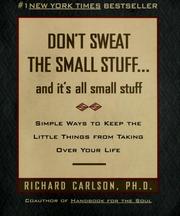
Don't Sweat the Small Stuff ... and It's All Small Stuff: Simple Ways to Keep the Little Things from Taking Over Your Life
Richard Carlson’s 1997 bestseller offers one hundred short chapters on lowering the volume on daily irritations, and it is more pragmatic than its title…
2,502-word summary · 11 min read

Made to Stick: Why Some Ideas Survive and Others Die
The Heath brothers break down why some ideas vanish on contact while others lodge in memory, tracing six traits that make a message stick.
2,527-word summary · 11 min read
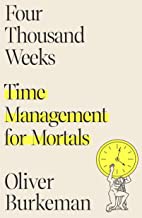
Four Thousand Weeks: Time Management for Mortals
Oliver Burkeman turns the whole productivity project on its head, arguing that a human lifespan of roughly four thousand weeks is not a problem to optimize…
2,447-word summary · 11 min read
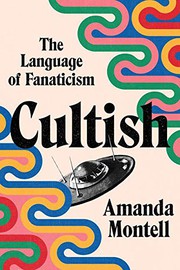
Cultish: The Language of Fanaticism
Amanda Montell argues that the real machinery of a cult is its vocabulary, and she traces how loaded language from 1960s communes to modern wellness brands and…
2,087-word summary · 9 min read
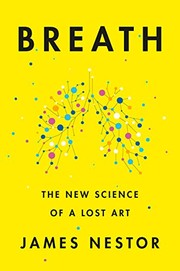
Breath: The New Science of a Lost Art
Journalist James Nestor investigates how modern humans learned to breathe badly, and what researchers, athletes, and breathwork practitioners have found about…
2,011-word summary · 9 min read
Beautiful Boy: A Father's Journey Through His Son's Addiction
David Sheff recounts watching his son Nic slide into meth addiction, and his own desperate, humbling search for how to help without destroying them both.
2,076-word summary · 9 min read
Columbine
Ten years of reporting on the 1999 school massacre, including a journalist's correction of the myths he helped create in the first hours.
2,232-word summary · 10 min read

Why I'm No Longer Talking to White People About Race
Reni Eddo-Lodge traces black British history and shows how institutions, culture, and everyday assumptions keep producing racial inequality.
2,071-word summary · 9 min read
The Road Less Traveled: A New Psychology of Love, Traditional Values and Spiritual Growth
M. Scott Peck argues that maturity begins with accepting difficulty, then builds discipline, love, and spiritual growth through honest, often painful work.
2,200-word summary · 10 min read
The Elegant Universe: Superstrings, Hidden Dimensions, and the Quest for the Ultimate Theory
Brian Greene explains relativity, quantum mechanics, and the promise of string theory without requiring a physics degree.
2,110-word summary · 9 min read
Smoke Gets in Your Eyes: And Other Lessons from the Crematory
A young medieval history graduate takes a job at an Oakland crematory and becomes a mortician, confronting the physical reality of death and the funeral…
2,003-word summary · 9 min read
What the Dog Saw and Other Adventures
Nineteen New Yorker essays on pitchmen, ketchup, Enron, profiling, late bloomers and the limits of prediction, arranged in three parts.
2,049-word summary · 9 min read

The Emperor of All Maladies
A biography of cancer from Galen to chemo through one doctor cases.
2,255-word summary · 10 min read