
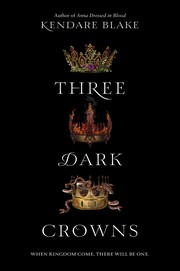
Three Dark Crowns
2,134-word summary 9 min read 398 pages in the book
- First published
- 2016
- Publisher
- Quill Tree Books
- Pages
- 398
- ISBN
- 9780062385437
- Series
- Three Dark Crowns (#1)
Reading options
What's inside (9 sections)
I started this young adult fantasy for the sister fight premise and stayed for island politics that feel crueler than magic. Three triplet queens born to rule one crown must kill each other at sixteen, each with a different gift. First published in 2016 by Quill Tree Books, at 398 pages in hardcover, it opens the Three Dark Crowns series, followed by One Dark Throne. The island of Fennbirn runs on poison, elements, and nature, with priests and suitors pulling strings.
Mirabella is an elemental who can call fire and storm. Katharine, once thought weak, survives poison training that kills lesser girls. Arsinoe, raised by naturalists, hides a weak gift behind a fierce bear companion. Separated at six to foster families, they reunite for the Ascension year when kills become duty. Each believes she must murder sisters she barely knows while loving people who forbid love.
The book cuts between sisters, friends, and schemers. Temples watch gifts. Councils bet on winners. Suitors arrive with marriage offers that are really alliances. Blake keeps magic rules clear enough to follow while letting politics muddy every duel. That mix of powers and papers gives the story weight beyond fights.
Mirabella and the weight of fire
Mirabella, foster daughter of the elemental priestess Luca, is the favorite. Beautiful, strong, and kind in ways that complicate killing. She can summon lightning when angry and calm seas when steady. Crowds cheer her at festivals. Priests parade her as proof the Goddess favors flame. She hates being a symbol while loving the people who cheer.
Her love interest, Billy Chatworth, a mainland suitor sent to court her, softens her further. He jokes, listens, and sees a girl rather than a weapon. Their scenes are sweet without slowing plot. He asks why she must kill sisters she has not wronged. She has no good answer beyond law and temple. That lack eats at her more than training.
Mirabella's power also scares her. Fire answers temper fast. A practice burn scorches a friend. A storm sinks boats when she weeps. She fears becoming a tool that burns what she loves. Luca teaches control through breath and prayer, but control feels like cage. Mirabella starts to wonder if strength should serve herself rather than priests.
Her chapters carry the cost of being chosen. Gifts arrive with watchers, suitors, and poisoned cups from rivals. Every meal may hide a test. Every smile may hide a bet. She cannot trust kindness, which lonelier than any cell. When she shows mercy to sisters in small ways, priests note it as weakness. That surveillance makes her boldest acts quiet ones.
I liked Mirabella most when she fails. A spell fizzles. A speech stumbles. A plan to warn sisters leaks. Perfection would bore. Cracks let light in. Her final choices in this volume surprise because kindness and fury mix rather than one winning clean. She burns bright and burns herself, which feels true to power at sixteen.
Katharine and poison school
Katharine, raised by the poisoner Arrons, seems the weakest at first. Small, pale, and quiet after years of eating poison to build immunity. Sisters and courts dismiss her. That dismissal is the trap. The Arrons trained her through pain that would kill most, and she survived by becoming harder than anyone guessed.
Her poison gift works slowly. She can eat toxins that fell others and slip them into food without tasting. Training scenes are grim. Bile, rashes, and antidotes at bedsides. Her foster mother Genevieve loves her as a weapon more than a girl. Her foster brother Pietyr watches with a mix of pity and ambition. Home feels like a lab where love is measured in doses.
Katharine's romance with Pietyr is tangled. He courts her for family plans while feeling real tenderness. She clings to his attention because little else is warm. Their talks mix flattery with warnings. Do not eat that. Smile at them. Win. She obeys until obedience hollows her. When she starts to act for herself, the shift chills because poisoners smile while working.
Her arc questions what strength means. Mirabella burns bright. Arsinoe runs wild. Katharine endures. Endurance looks weak until the duel, when surviving one more cup matters more than flames. The book respects that quiet power without romanticizing abuse that built it. Training scenes hurt to read, which is intentional. No gift here comes free.
By the end Katharine changes most, though I will not detail how to keep shocks. Suffice that sweet quiet gives way to something harder and stranger. Readers who dismissed her early will rethink every scene. That reversal rewards patience through slower poison chapters. It also sets up book two with dread, because a new Katharine may not love old friends.
Arsinoe, Jules, and the naturalists
Arsinoe, raised by naturalists in Wolf Spring, feels like the heart. Blunt, funny, and loyal, she should command animals and plants but shows a weak gift that shames her house. Her true familiar is a bear she cannot fully control, which endears her to readers and worries her guardians. She would rather run than rule, and says so aloud.
Her best bond is with Jules Milone, a naturalist girl with a fierce gift and a cursed leg. Jules can command war animals and loves Arsinoe like a sister. Their friendship carries humor and ache. They steal food, mock priests, and plan escapes they never take. Jules wants Arsinoe to win so they can stay together. Arsinoe wants Jules to live even if that means losing.
Suitors complicate Wolf Spring. Joseph Sandrin, Jules's old friend returned from the mainland, loves Jules while courting Arsinoe for politics. That triangle avoids easy villainy. Joseph cares for both and betrays both by trying to please all. His choices hurt because they come from kindness without courage. Blake writes young men who mean well and fail usefully.
The naturalists themselves are earthy and proud, distrustful of temples and poisoners. They teach herbs, traps, and weather rather than court manners. Their hall smells of smoke and dogs. That warmth makes their poverty sting. They cannot buy votes or dresses. They offer loyalty and land. In a contest decided by gifts and gold, loyalty feels both noble and doomed.
Arsinoe's chapters move fastest because she acts. She sneaks, spies, and runs toward danger to protect Jules. Her weak gift forces cleverness. She uses terrain, rumors, and bear bluster where sisters use power. That scrappiness won me over. When her secret surfaces late, it reframes earlier jokes as armor. Rereading her early bravado after knowing hurts in a good way.
Priests, suitors, and island law
Fennbirn runs on ritual that serves power. The temple raises queens apart, teaches them to kill, and calls it divine will. Priestesses like Luca believe and doubt in turns. Luca loves Mirabella yet serves a system that demands sister murder. Her compromises show how faith can shelter cruelty when law claims gods.
The Black Council bets with lands and marriages. Members host feasts to test queens. They poison cups, spread rumors about gifts, and buy suitors. Scenes of council debate explain stakes without info dumps. Who controls ports if elemental wins. Who controls antidotes if poisoner wins. Who loses forest rights if naturalist wins. Magic maps to money, which keeps fantasy grounded.
Suitors arrive as mainland tools with pretty faces. Billy for Mirabella, Pietyr for Katharine in spirit, Joseph near Arsinoe by history. They bring clothes, dances, and promises of escape that are also leashes. Courts watch who dances twice. A kiss becomes a treaty. Blake skewers how marriage markets dress control as romance, which teen readers will recognize from school dances scaled up.
The Ascension rules are simple and brutal. At sixteen, queens may kill each other by any means. Survivors take the crown. Until then, attempts are punished to preserve show. That law creates a year of pageantry over dread. Parades, blessings, and poison tests fill days while sisters count nights. The contrast between flowers and knives gives the book its sickly sweet tone.
Rebellion simmers at edges. Naturalists hide old texts. Elementals question templeJones. Poisoners hoard antidotes. No full revolt erupts here, which is wise. Book one builds pressure for later volumes. Readers wanting revolution now may find politics slow. Those who enjoy court chess will savor moves that seem small until bodies fall.
Duel season and what breaks
The last third tightens from courtship to kills. Festival duels test gifts in public. Mirabella burns bright. Katharine sips poison like wine. Arsinoe bluffs with bear and friends. Crowds cheer while priests score. Each show drains sisters more than they admit. Smiles crack after. Hands shake under tables.
Private attempts follow public shows. A cup switched. A path iced. A familiar loosed. Blake stages these without gore overload, focusing on fear and choice rather than wounds. Sisters hesitate at doors, which matters more than spells. Hesitation proves love persists under law. That persistence is the book's quiet thesis. Training cannot fully kill kinship.
Alliances shift fast. Jules defies orders to guard Arsinoe. Billy warns Mirabella at cost to his family. Pietyr chooses Katharine over kin in a way that chills. Each choice costs status or safety. None feel cheap because Blake built bonds over hundreds of pages. When friends bleed for queens, you feel debts rather than twists.
I will not name who falls first to preserve the shock that earned the series its fans. The death lands because the victim felt safe behind powers and plans. After, island law demands celebration that reads as mourning. Sisters who remain do not triumph. They survive into worse. That bleak note sets book two perfectly. Victory tastes like ash, which is honest about murder for crowns.
Pace in this stretch flies after slow middle politics. Short chapters cut between sisters in danger. Cliffhangers stack without cheating. If middle courtship bored you, the finale repays. Keep names straight with the house lists at front. That aid helps when blood moves fast and loyalties blur.
What charms and what clogs
Strengths are sisters and world logic. Three distinct voices, three magics with costs, and an island where religion serves economy. Blake explains gifts through training rather than lore dumps. Poison meals, storm calls, and bear bonds show rules in action. That craft keeps 398 pages moving despite court talk.
Romance stays sweet without taking over. Billy, Joseph, and Pietyr each reflect their queen's needs and flaws. Kisses matter but do not solve duels. Friendships, especially Jules and Arsinoe, outshine love interests, which feels right for a book about sisters forced to kill. Found family softens fated murder without erasing it.
Fair criticism: middle sags with dresses, dances, and council teas. Readers wanting fights may skim a hundred pages of courtship. The book needs that slow burn to make finale hurt, but pace tests patience. A trim of twenty pages in suitor scenes would help. Katharine's early passivity also frustrates until her turn, though reread rewards it.
As first in Three Dark Crowns, with sequels building on its brutal end, this opener earns its dark fantasy tag. At 398 pages it asks for a weekend and gives back an island you can smell and sisters you will argue about. If you want cozy magic, look elsewhere. If you want witches, royalty, and young women forced to choose between love and crowns, land on Fennbirn and pick a queen to fear for.
Gifts as taxes
A useful lens is to read each gift as a tax on the body. Elementals burn nerves when calling storms. Poisoners scar guts with every immune meal. Naturalists lend strength to beasts and feel hollow after. Powers here cost health rather than mana points, which keeps magic grounded. Queens pay in sleep, appetite, and temper for every show.
Suitors function as loans with interest. Fine clothes, dances, and promises of mainland escape arrive with expectations of loyalty and beds. Billy resists treating Mirabella as collateral, which marks him kind. Pietyr embraces the trade, which marks him useful and cold. Joseph tries to love outside terms and learns terms hold anyway. Those moneylike romances teach more than spells about island rule.
Temple and council split the island like church and bank. Priestesses bless kills while accountants count ports. Queens pray before tasters arrive. That mix of rite and revenue explains why rebellion stalls. Faith gives meaning to murder, money gives reason to keep it. Breaking one without the other fails, which later books test at higher cost.
Read festival scenes twice. First for gowns and cheers, second for who watches whom. Guards note who eats. Priestesses note who hesitates. Suitors note who blushes. Those notes become plans by night. The book trains you to read celebration as surveillance, a skill that pays in finales where smiles precede knives.
FAQ
When was Three Dark Crowns published?
Quill Tree Books published Three Dark Crowns in 2016. The hardcover runs 398 pages and opens the Three Dark Crowns series.
Is it part of a series?
Yes. It is book one, followed by One Dark Throne. Mirabella, Katharine, and Arsinoe train to fight at sixteen.
Similar books
More from Three Dark Crowns first, then related titles.

Lioness Rampant
Alanna searches for the Dominion Jewel with the Shang Dragon, then returns to Tortall to face Duke Roger at Jonathan's coronation.
2,478-word summary · 11 min read

The Rose & the Dagger
Shahrzad is pulled from her Caliph husband and left in a desert camp of rebels, needing to break his curse and end a war before it ends her.
2,520-word summary · 11 min read

The Queen of the Tearling
Nineteen-year-old Kelsea leaves the woods to take her throne, ends a shipment of human captives, and draws the Red Queen's revenge.
2,357-word summary · 10 min read

The Indigo Spell
Sydney Sage hunts an aging witch, learns forbidden magic, and finally admits she loves Adrian, while the Alchemist tattoo on her cheek may be controlling her.
2,604-word summary · 12 min read
Bitterblue
Eighteen-year-old Queen Bitterblue sneaks out to learn why Monsea still suffers after Leck, facing court lies, ciphers, and trials in Cashore's rich third…
2,686-word summary · 12 min read
Blood & Honey
Married witch Lou and hunter Reid flee church and coven while dark magic tempts Lou to save them.
2,280-word summary · 10 min read
The Shadows Between Us
Alessandra plans to woo the Shadow King, marry him, and kill him for his throne, then finds someone else wants him dead first.
2,571-word summary · 11 min read

Inkdeath
The final Inkworld novel sends Mo into the land of the dead, leaves Meggie choosing between two boys, and ends the Adderhead's immortality with three written…
2,062-word summary · 9 min read

Vow of Thieves
Kazi and Jase return to Tor's Watch to find it occupied, and their marriage is tested by captivity, betrayal, and a war for the town of Hell's Mouth.
2,059-word summary · 9 min read
The Once and Future Witches
Three estranged sisters bring witchcraft back to an 1893 city where magic hides in nursery rhymes and the fight for the vote is also a fight for power.
2,132-word summary · 9 min read
Witches Abroad
Three Lancre witches fly to Genua to stop a fairy godmother from forcing a servant girl into a storybook marriage, and find a city arranged around a happy…
2,651-word summary · 12 min read

The Siren
Saved from a shipwreck in 1930, Kahlen becomes a siren who sings men to their deaths for the Ocean, until a boy in a college library makes her want a life she…
2,369-word summary · 11 min read

The Golem's Eye
Two years after The Amulet of Samarkand, Nathaniel is a rising bureaucrat, Bartimaeus is his unwilling servant again, and something made of clay is tearing…
2,299-word summary · 10 min read
Demonglass
Sophie Mercer spends the summer at the Council's English estate, where two new demons, a suspicious host, and Archer's return complicate her plan to remove her…
2,771-word summary · 12 min read
Nettle & Bone
Marra, a princess in a convent, leaves to save her abused sister, but first she must finish three impossible tasks: a bone dog, a nettle cloak, moonlight in a…
2,061-word summary · 9 min read
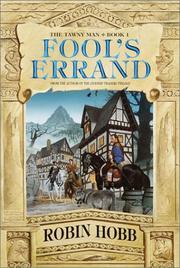
Fool's Errand
FitzChivalry Farseer has lived in exile for fifteen years. When Prince Dutiful vanishes before his betrothal, Fitz returns to Buckkeep to find him, with a wolf…
2,606-word summary · 12 min read

We Hunt the Flame
In a fractured Arabia-inspired world, a disguised huntress and a prince-assassin race to find a magic-restoring book and confront an ancient evil.
2,195-word summary · 10 min read
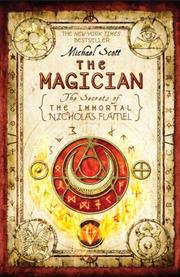
The Magician
Sophie and Josh flee to Paris with Nicholas Flamel, where John Dee, Machiavelli, and an awakened god close in on the missing pages of the Codex.
2,162-word summary · 10 min read

The Hazel Wood
Alice Proserpine has spent her life running from bad luck. When her mother vanishes, she follows a trail of fairy-tale clues to her grandmother's estate and…
2,064-word summary · 9 min read

In the Hand of the Goddess
Alanna, still disguised as a boy, survives war, court plots, and a death duel as the Goddess's chosen warrior in the second Song of the Lioness book.
2,018-word summary · 9 min read

Blue Moon
Ever Bloom tries to save her immortal boyfriend, Damen, from a mysterious illness while a new student named Roman quietly takes control of her school and her…
1,998-word summary · 9 min read
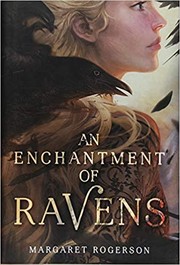
An Enchantment of Ravens
Isobel, a mortal artist in the fairy town of Whimsy, paints a portrait of the autumn prince and falls in love with him, breaking the laws of her craft.
2,087-word summary · 9 min read
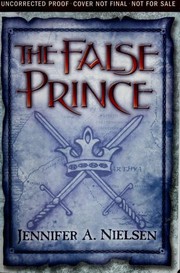
The False Prince
A nobleman buys four orphans and tells them only one will survive to impersonate the missing prince. The narrator, a defiant thief named Sage, has other plans.
2,044-word summary · 9 min read

The Bane Chronicles
Eleven stories across five centuries follow Magnus Bane from a ban in Peru to his first date with Alec in this illustrated Shadowhunter companion.
2,470-word summary · 11 min read

The Girl Who Drank the Moon
A witch who secretly rescues the town's sacrificed babies accidentally enmagicks one with moonlight, and the girl grows up with a power she cannot name.
2,078-word summary · 9 min read
The Last Graduate
El must survive graduation when the school feeds seniors to monsters.
2,232-word summary · 10 min read

Rebel Angels
Gemma returns to the realms to bind magic while facing Circe and London season.
2,708-word summary · 12 min read
Furies of Calderon
Furyless Tavi defends Calderon Valley when the Marat return and lords scheme.
2,587-word summary · 11 min read

A Winter's Promise
Ophelia reads objects and is sent to marry Thorn on a cold ark.
2,502-word summary · 11 min read

Every Heart a Doorway
Nancy returns from the Halls of the Dead to a school for travelers, where a murder forces portal children to face grief, belonging and the price of going home.
2,400-word summary · 11 min read