
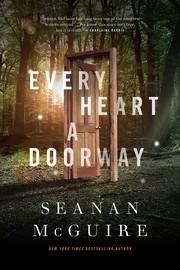
Every Heart a Doorway
2,400-word summary 11 min read 176 pages in the book
- First published
- 2016
- Publisher
- Tom Doherty Associates
- Pages
- 176
- ISBN
- 9780765383877
- Series
- Wayward Children (#1)
Reading options
What's inside (9 sections)
I picked up Every Heart a Doorway because I wanted something short that still felt complete. At 176 pages it looked like an afternoon read. A friend had told me it was about kids who had fallen through doors into other worlds and then had to come back. That premise hooked me right away. I grew up on stories where children find hidden lands, and I always wondered what happened after they returned home. This book answers that question directly, and it does so with a mix of warmth and grief that caught me off guard.
The setup is simple but carries a lot of weight. Nancy Whitman is sixteen and has just come back from the Halls of the Dead. Her parents do not know how to handle her. She stands too still. She dresses in black and white. She misses a place where the dead are quiet and the living learn to be still in return. Her parents hear about a school run by Eleanor West, a woman who claims to understand children like Nancy. They send her there hoping she will be fixed. Nancy arrives at the school angry and tired and not interested in being fixed at all.
What I liked from the start is how McGuire treats the return as a real loss. Nancy is not confused about what happened to her. She knows where she was. She remembers the Lord of the Dead and the Lady of the Dead who watched over that pale world. She remembers learning to be silent and to listen. Coming back to the loud, bright, demanding world of her parents feels like a second exile. That feeling runs through the whole book. These kids are not crazy. They are homesick for places most people will never see.
The School That Believes Them
Eleanor West herself went through a door as a child. That fact changes everything about the school. Most adults in these kinds of stories tell the kids they imagined it all. Eleanor does the opposite. She believes every word. She built her home into a boarding school for children who have traveled and returned, a place where they can wait and hope and sometimes learn to live with the loss if the door never opens again.
The school is divided in a way I found clever and a little sad. Eleanor sorts the worlds into rough directions. There are high Logic worlds, where order and reason rule. There are high Nonsense worlds, wild and strange and full of feeling. Logic kids tend to be tidy and careful. Nonsense kids tend to be bright and chaotic and loud. It is not a perfect system, and Eleanor knows it, but it gives the kids language for what they miss.
Nancy is sorted quickly. The Halls of the Dead were a high Nonsense world built around stillness and ritual, a place where the dead are cared for and the living learn patience. Her roommate program pairs her with Sumi, who came from a Nonsense world full of candy and color and sharp edges. Their friendship is one of the best parts of the book for me. Sumi talks fast and moves fast and says exactly what she thinks. Nancy is quiet and careful. Somehow they fit.
The school itself feels lived in. There are rules about quests and truancy and therapy sessions. Eleanor tells them plainly that some doors never reopen. Some children have to build a life here. I appreciated that honesty. It keeps the book from feeling like empty comfort.
Nancy and the Halls of the Dead
Nancy is the heart of this story. In the Halls of the Dead, she learned to hold still for hours. She learned to listen for the soft movements of ghosts. She learned that death there was not cruel but quiet. The Lord and Lady who ruled that place taught her manners and patience. She felt useful. She felt seen.
Back in our world, all of that reads as strange. Her parents want the old Nancy back. McGuire writes this conflict without making the parents into villains. They are scared. They paid for therapy that tried to convince Nancy she had hallucinated everything. Their love is real but misdirected. They want normal more than they want truth.
I found Nancy easy to root for because she is not trying to be heroic. She wants to go back to the Halls. When the trouble starts at school, she does not suddenly become a detective by choice. She gets pulled in because she is observant and because people she cares about are at risk. Her stillness, which adults called a symptom, turns out to be a skill.
Her asexuality is part of her story too, stated plainly and without fuss. In the Halls of the Dead, no one pressed her about romance or desire. Back home, that lack of interest is treated as another problem to fix. McGuire lets Nancy name herself and hold that line. For a short book, that thread adds a lot. It shows how the other worlds gave these kids space to be themselves in ways home never did.
Kade, Sumi and Lundy
The side characters carry as much weight as Nancy. Kade is the first boy Nancy really talks to at school. He went through a door to a world of fairies and goblins, a place with strict rules about gender and behavior. He was kicked out when that world decided he did not fit. He stays at the school as a helper, making costumes and keeping an eye on newcomers.
I liked Kade a lot. He has no illusions about going back, so he has started to build something here. He sews. He cooks. His presence gives the book a different kind of hope, not the hope of return but the hope of making a decent life anyway.
Sumi is chaos in the best way. She came from a world made of candy and nonsense. She talks in loops and jokes and sudden sharp truths. At first she seems like comic relief. Then you see how loyal she is. She adopts Nancy instantly. When things turn dark later, Sumi shows steel under the sugar.
Lundy is quieter and older, a former student who stayed on as a therapist of sorts. She went to a world where time moved differently, a strict Logic world where bargains always have prices. Lundy is gentle and careful and carries her own regret. Her story spells out the cost of clinging too long to a door that only opens on terms that hurt you.
Jack and Jill and the Moors
The twins, Jacqueline and Jillian, called Jack and Jill, are the most disturbing and most memorable pair in the book. They went together through a door to the Moors, a grim Logic world ruled by a vampire lord and a mad scientist. The lord took Jill as his pet, dressing her in fine clothes and praising her beauty while teaching her to hunger. The scientist took Jack as her apprentice, teaching her order and anatomy and cold reason. Same world, two very different masters, two very different girls.
Jack comes back blunt and brilliant, obsessed with order and science. Jill comes back soft and frilly and hungry in every sense, still waiting for her master to call her home. Their split tells you a lot about how McGuire sees doors. Jack thrived under rules and work. Jill thrived under adoration and promise. Neither girl is lying about what she wants.
Their rooms show it. Jack keeps her side clean and spare. Jill keeps her side pink and lacy, like a shrine to a life she cannot have here. The tension between them hums from their first scene.
The Moors themselves are sketched in quick strokes, but the strokes are vivid. A pale sky. A castle on a hill. A village that knows to lock its doors. McGuire does not need fifty pages to make the place feel real. That economy is part of why the novella form suits her here.
A Murder Mystery Inside a Fairy Tale
About a third of the way in, the book shifts. A student is found dead, killed in a brutal way that looks impossible for an ordinary person. Fear spreads fast. Eleanor calls the police, but the police see only a troubled teen in a strange school. The kids know better. Someone who understands doors and worlds and bodies did this. Nancy, who only wanted to be left alone, finds herself in the middle of suspicion and grief.
I will not spoil the exact chain of deaths here, but the shape of it matters. The killer uses knowledge from the Moors, and the murders force the group to ask what each of them is capable of. Eleanor tries to hold the school together while the adults outside press for simple answers. The mystery is not huge in scope, but it fits the house. It feels close and personal, as school violence always does.
What works best is how the mystery tests loyalty. Nancy has to decide who to trust with very little proof. Kade has to choose between protecting friends and telling hard truths. The solution, when it comes, makes sense in hindsight and reframes earlier scenes.
Pacing is tight. Because the book is short, there is no room for long side quests. Every scene pushes either character or plot. I read the second half in one sitting because each chapter ended with a pull into the next.
The violence is real but not shown for shock alone. McGuire keeps focus on cost. A death here means a door that will never open for that child again. It means parents who will never understand what they lost. It means friends who will carry the image for years. That weight keeps the murders from feeling like puzzle pieces. They feel like losses, which makes Nancy and her friends fight harder to stop them.
How It Is Written and Where It Falters
McGuire writes in a clear, musical prose that suits a fairy tale retold for older teens and adults. Sentences are clean. Images are concrete. She favors short scenes and sharp dialogue over long description. The opening pages set tone fast. The school rules are stated like folk wisdom. The world types are explained in plain language that never feels like a lecture. I admire how much lore she fits into so few pages without slowing down.
Her craft choice that matters most is point of view. The book stays close to Nancy but pulls back when it needs to explain the school or the worlds. That closeness lets us feel Nancy’s grief without drowning in it. When Nancy goes still and listens, the prose slows with her. When Sumi bursts in, the prose speeds up. That rhythm keeps the short length from feeling thin. It feels intentional, like a song played at the right tempo.
Representation is handled with care. Nancy’s asexuality, Kade’s trans identity, the casual presence of queer kids who are not punished for who they are, all of it feels part of the fabric rather than added on. The book argues, without preaching, that the other worlds let these kids be true in ways home did not, and that losing that freedom is part of why return hurts so much. Younger me would have been grateful to see that on the page. Older me is glad it is there for new readers now.
Fair criticism belongs here too. The short length is both gift and limit. Some characters get less room than they deserve. Lundy’s bargain with her world is powerful but told quickly. I wanted more time with her choice and its price. Eleanor herself stays a bit distant, more symbol than person. Readers who want deep history for every world will feel the edges. High Logic and high Nonsense are useful labels, but they sometimes flatten complex places into categories. A few scenes lean on telling rather than showing because there is no space to linger.
The mystery solution will divide readers. Some will find it fair and sad and right for these characters. Others will find it rushed, with motive carried by backstory that arrives late. I landed in the middle. The reveal fits Jack and Jill and the Moors, and it hits emotionally, but one more quiet scene earlier would have made it land harder. Also, readers who need slow romance or large battles should look elsewhere. This is a small, sad, sharp book about grief and belonging with a murder at its center, not an epic.
Still, the ending earned my trust. Without giving it away, it honors what Nancy wants while leaving room for the series to grow. Doors open for some and stay shut for others. Choices have prices. Home is not always the place you were born. I closed the book thinking about my own childhood books and the doors I once hoped to find in wardrobes and rabbit holes and train platforms. That ache is the point, and McGuire nails it.
Who Should Pick It Up
If you loved stories about doors as a kid and wondered what came after, start here. If you like short books that still feel full, start here. If you want fantasy that centers queer kids without turning them into lessons, start here. Classrooms and book clubs could do a lot with it, since every world raises questions about fit and price and return. Just know what you are getting. It is short. It is sad. It moves fast. It leaves some threads loose on purpose.
I read it in two sittings and thought about it for days after. Nancy stayed with me, standing still in a loud house, waiting for quiet. Sumi stayed with me too, loud and loyal and braver than she looks. Kade stayed with me most of all, building a life from scraps after his world said no. That trio is reason enough to open the door.
For me, Every Heart a Doorway works because it takes a familiar wonder and asks what it costs. Going away changes you. Coming back changes you again. Some people will call that damage. Eleanor West calls it truth. I am glad I spent an afternoon inside that argument, even when it hurt.
FAQ
What is Eleanor West's Home for Wayward Children?
Eleanor West runs a boarding school for children who visited other worlds and returned. She believes them, groups them by Logic or Nonsense leanings, and helps them wait for a door or learn to live here.
Which worlds did Nancy, Kade, Sumi, Lundy, Jack and Jill visit?
Nancy misses the Halls of the Dead, a still Nonsense world of the dead. Kade was cast out of a fairy world, Sumi came from a candy Nonsense world, Lundy bargained with a Logic world, and Jack and Jill split time in the grim Moors.
Is there a murder mystery in this fantasy novella?
Yes, though the focus stays on loss and cost rather than gore. A student is killed at the school, and Nancy and her friends must find who used Moors knowledge to do it.
Similar books
More from Wayward Children first, then related titles.
Cemetery Boys
A trans brujo in East Los Angeles summons the ghost of a boy who refuses to move on, and together they uncover a murder hidden beneath Día de los Muertos.
1,997-word summary · 9 min read

The Indigo Spell
Sydney Sage hunts an aging witch, learns forbidden magic, and finally admits she loves Adrian, while the Alchemist tattoo on her cheek may be controlling her.
2,604-word summary · 12 min read
The Golden Lily
Sydney Sage guards Jill at Amberwood Prep in Palm Springs, studies forbidden magic, favors Adrian over Brayden, and faces Alchemist custody in this second…
2,988-word summary · 13 min read
Carry On
Simon Snow returns to Watford for his last year as a failing Chosen One, with his roommate Baz missing and the Humdrum wearing his face.
2,662-word summary · 12 min read

Inkdeath
The final Inkworld novel sends Mo into the land of the dead, leaves Meggie choosing between two boys, and ends the Adderhead's immortality with three written…
2,062-word summary · 9 min read

Magic Burns
A magic flare hits Atlanta, and mercenary Kate Daniels must recover stolen maps, find a missing witch, and keep a teenage girl alive while Celtic gods try to…
2,021-word summary · 9 min read

Lioness Rampant
Alanna searches for the Dominion Jewel with the Shang Dragon, then returns to Tortall to face Duke Roger at Jonathan's coronation.
2,478-word summary · 11 min read

Blood Bonds
Oleander is chained in a Resistance camp, and her five Bonds have to find her before Silas Davies finishes what he started in this third Bonds that Tie book.
2,018-word summary · 9 min read

The Siren
Saved from a shipwreck in 1930, Kahlen becomes a siren who sings men to their deaths for the Ocean, until a boy in a college library makes her want a life she…
2,369-word summary · 11 min read

The Golem's Eye
Two years after The Amulet of Samarkand, Nathaniel is a rising bureaucrat, Bartimaeus is his unwilling servant again, and something made of clay is tearing…
2,299-word summary · 10 min read
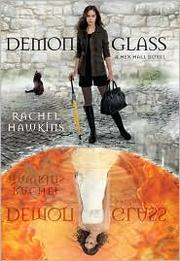
Demonglass
Sophie Mercer spends the summer at the Council's English estate, where two new demons, a suspicious host, and Archer's return complicate her plan to remove her…
2,771-word summary · 12 min read
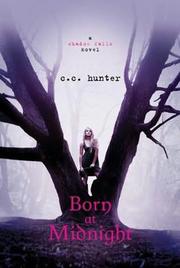
Born at Midnight
Kylie Galen is sent to a camp for troubled teens and discovers it is a haven for vampires, werewolves, and witches, and that she may be something stranger…
2,310-word summary · 10 min read

The Rose & the Dagger
Shahrzad is pulled from her Caliph husband and left in a desert camp of rebels, needing to break his curse and end a war before it ends her.
2,520-word summary · 11 min read

The Queen of the Tearling
Nineteen-year-old Kelsea leaves the woods to take her throne, ends a shipment of human captives, and draws the Red Queen's revenge.
2,357-word summary · 10 min read

We Hunt the Flame
In a fractured Arabia-inspired world, a disguised huntress and a prince-assassin race to find a magic-restoring book and confront an ancient evil.
2,195-word summary · 10 min read
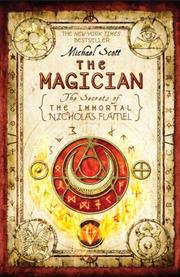
The Magician
Sophie and Josh flee to Paris with Nicholas Flamel, where John Dee, Machiavelli, and an awakened god close in on the missing pages of the Codex.
2,162-word summary · 10 min read
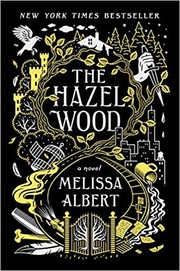
The Hazel Wood
Alice Proserpine has spent her life running from bad luck. When her mother vanishes, she follows a trail of fairy-tale clues to her grandmother's estate and…
2,064-word summary · 9 min read
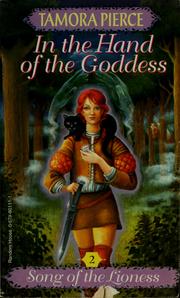
In the Hand of the Goddess
Alanna, still disguised as a boy, survives war, court plots, and a death duel as the Goddess's chosen warrior in the second Song of the Lioness book.
2,018-word summary · 9 min read
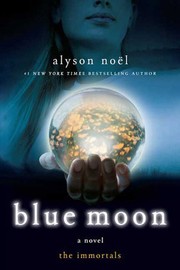
Blue Moon
Ever Bloom tries to save her immortal boyfriend, Damen, from a mysterious illness while a new student named Roman quietly takes control of her school and her…
1,998-word summary · 9 min read
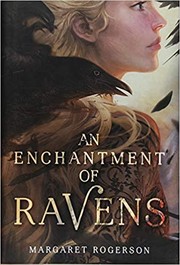
An Enchantment of Ravens
Isobel, a mortal artist in the fairy town of Whimsy, paints a portrait of the autumn prince and falls in love with him, breaking the laws of her craft.
2,087-word summary · 9 min read
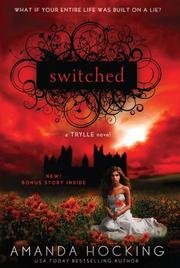
Switched
A Minnesota teenager who can make people obey her discovers she is a changeling troll princess, and the hidden kingdom she came from wants her back.
2,131-word summary · 9 min read
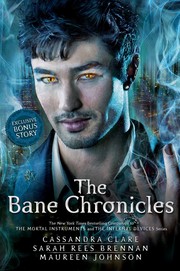
The Bane Chronicles
Eleven stories across five centuries follow Magnus Bane from a ban in Peru to his first date with Alec in this illustrated Shadowhunter companion.
2,470-word summary · 11 min read
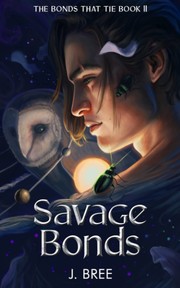
Savage Bonds
Oli's deadly gift is out in the open, her Bond runs the show, and the Resistance is closer than ever in the second Bonds that Tie novel.
2,431-word summary · 11 min read
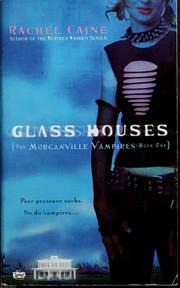
Glass Houses
Claire Danvers moves off campus to escape a bully and lands in a house where the roommates know Morganville's real secret: the town belongs to vampires.
2,345-word summary · 10 min read
Wayward Son
Simon and Baz road trip America after the war to decide what normal means.
2,505-word summary · 11 min read
This Savage Song
Monster hunter Kate meets August, a monster who plays violin.
2,574-word summary · 11 min read
The Last Graduate
El must survive graduation when the school feeds seniors to monsters.
2,232-word summary · 10 min read

Rebel Angels
Gemma returns to the realms to bind magic while facing Circe and London season.
2,708-word summary · 12 min read
Half-Blood
Half-blood Alex trains at the Covenant while gods stir and rules close in.
2,601-word summary · 12 min read