
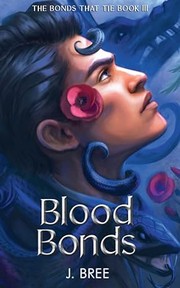
Blood Bonds
2,018-word summary 9 min read 539 pages in the book
- First published
- 2021
- Publisher
- Jenna Crannage
- Pages
- 539
- ISBN
- 9798786612531
- Series
- The Bonds that Tie (#3)
Reading options
What's inside (10 sections)
The first two books of The Bonds that Tie are academy books. Blood Bonds is where the series puts down the school uniform and picks up a knife. It picks up in the worst possible place, with Oleander Fallows chained in a Resistance camp, and it spends 539 pages trying to get her out and then keep her out. J. Bree self-published it in 2021, and it is the third of six books, so if you are here without reading Broken Bonds and Savage Bonds, stop. This is not a series you can enter sideways.
The camp
Savage Bonds ended with Oli back in the hands of the people she spent five years running from. Blood Bonds opens with the aftermath. North, Gryphon, and Nox are raiding a Resistance camp, freeing captives, and then the Bond hits them like a fist. Oli is in pain somewhere close, and Kieran Black, Gryphon's second, is with her.
Oli wakes chained in a tent. Kieran's leg is shattered. Silas Davies, the man who took her from a hospital when she was fourteen and tortured her for two years, is running the camp. He wants her back, and he wants her to suffer. When he threatens Kieran with a rack, Oli does the only thing she can think of. She lies and says Kieran is her Bond. Gryphon, through the Bond, plants the command in Kieran's mind to play along.
What follows is the hardest stretch in the series so far. Silas straps Oli to an operating table and cuts her thighs with surgical knives. Gryphon's voice breaks through the Bond by accident, and Kieran uses the slip to send Silas chasing a false lead to a booby-trapped safe house. Kieran snaps his own ankle to get free, tells Oli's bond to kill a Resistance shield named Franklin, and drags himself back to the mansion for help. Oli is alone with a power that is awake, furious, and not entirely under her control.
The rescue is a slaughter. The Bond Group reaches the camp and finds almost everyone dead. Oli's gift has done what it did at the end of book one, only bigger. It spared the prisoners. Gryphon carries her out, Felix heals what he can, and North finally learns the full truth of what happened to her. The book is careful with that reveal. North has spent two books being suspicious of Oli, and the moment he understands, the suspicion turns into something else. It does not erase the earlier coldness. It just makes it heavier.
North
The first bond completion is North's, and it happens in a shower, which is a very J. Bree choice. Oli is raw, exposed, and tired of being afraid. North is the leader, the one who makes plans, the one who has been holding the group together since before she arrived. When they bond, Oli can hear his thoughts. That is the practical change. The emotional change is bigger. North stops treating her as a problem to be managed and starts treating her as a person he would burn the world for, which is the series' idea of romance.
The bond is not a cure. Oli's gift is stronger, her bond is more demanding, and the group has to reorganize around a woman who can kill a camp full of people without meaning to. Bree is good at the domestic fallout of power. Who sleeps where, who gets to touch her, who gets to make decisions, who is jealous, who is guilty. The five men are not interchangeable, and North's chapters are the most controlled of the bunch.
Atlas
Atlas Bassinger gets the second bond, and his arc is the one that surprised me. He has been the quiet, watchful one, the son of Resistance parents, the man who saw videos of Oli being tortured when she was fourteen and let them radicalize him. In Blood Bonds he is confined to a room, and Oli accidentally astral-projects into his private moment. It is absurd and embarrassing and exactly the kind of thing this series does well. Then she visits him on purpose.
Atlas tells her everything. His mother, his father, the way he was raised, the shame he carries for how he treated Oli after she disappeared. He is not asking to be forgiven. He is explaining. Oli, who has very little practice with being seen, listens. They reconcile, and later they complete their bond in a cave, which is both a sex scene and a confession. Atlas tells her he will stand beside her even if she burns the world down. It is the most romantic line in the book, and it is also a warning.
While Oli sleeps, Atlas finds frantic voicemails. His father and Peter, the abusive man bonded to Atlas's sister Aurelia, are coming. Someone inside the Sanctuary is going to open the gates. The book has been building the Sanctuary as a refuge for hundreds of vulnerable Gifted people, and now it is a target.
The Sanctuary
North's project, the Sanctuary, is the best new idea in the book. It is a hidden mountain city with shields, schools, a fortress wall, and a plan for surviving the Resistance. North has been building it for years, and the evacuation of the Bond Group and their people is the first time the series feels like it has a world beyond campus. Oli works construction with Gabe. She visits Gabe's mother, who is catatonic with grief over her dead Bonded. She sees children and families and ordinary life, which makes the attack worse when it comes.
Nox is the weak point. His bond communes with Oli's while he sleeps, and he wakes with her on his chest, vomits, and scrubs himself in the shower. It is a trauma response, not a romantic beat, and Bree does not let Oli fix it with love. Nox has been cruel to her since book one. The bond forces intimacy he did not choose. The series is at its most interesting when it admits that the Bond is not consent, and this is the clearest example.
There is also a traitor subplot. A Resistance GPS chip turns up, and North and Gryphon interrogate a man named Noakes before executing him. The details are a little rushed, and I had to flip back to remember who Noakes was. The book moves fast in the middle, sometimes faster than its cast can bear.
Gryphon carries most of the emotional weight of the rescue. He is the one who reaches Oli in the camp, the one who carries her out, the one who has been quietly keeping the group functional while North makes speeches. His bond with Oli was completed in Savage Bonds, and Blood Bonds shows the aftermath: he is protective without being controlling, and he is one of the few people who can touch her without setting off her gift. The book does not give him as much page time as North or Atlas, and it suffers for it. He is the most interesting of the five because his devotion has a cost.
Gabe gets the least to do. He guards civilians, he works construction with Oli, he visits his mother, and he is kind. That is almost his entire arc. The series has been building him as the steady one, and Blood Bonds mostly leaves him steady in the background. If you are reading for Gabe, you will be waiting for the next book.
The Bond itself remains the series' most interesting problem. It creates intimacy that none of the characters fully chose, and the books keep circling the question of consent without ever quite landing on an answer. Nox's trauma is the clearest example, but Atlas's confession and North's protectiveness raise the same issue in softer forms. Bree deserves credit for not pretending the Bond is simple romance. She also deserves criticism for using it as an excuse when the plot needs one.
The battle
The last hundred pages are one long fight. The gates open at dawn. The valley shield drops. More than a hundred armed Resistance Gifted pour into the Sanctuary. Oli and Atlas race back on an ATV, and Oli kills enemies as they go. Sawyer is wounded in the security room and begs her to find Gray in the kitchens. A Charge, a living bomb, blows holes in buildings. North's creatures hold the first zones, Gryphon's TacTeams hold the next, and Gabe in panther form guards hundreds of civilians in the schoolhouse.
Oli finds Sage hidden in a truck with Kieran, rescues Gray, and reaches the front. Nox tells her that many of the soldiers she is killing were kidnapped as children, brainwashed, and turned into weapons. It is a gut punch and a convenient excuse, and the book does not fully reckon with either. Gryphon nearly attacks Nox for saying it. The battle ends. New shields seal the Sanctuary. All five Bonds are alive.
Then the floor drops. In the medical center, Gryphon shows Oli a memory. Sage, Oli's best friend, slitting Dara's throat and opening the gates. The book ends on that image, with no motive given. If you have read the later books, you know the reveal is more complicated than it looks. Inside Blood Bonds, it reads as betrayal, and Bree lets it sit there like a live grenade.
What works
The series has found its scale. The academy books were about who sits with whom at lunch and who is allowed to touch Oli's hand. Blood Bonds is about a city, a war, and a woman who is both a weapon and a person. The domestic scenes still matter, but they are set against a larger threat, and the contrast makes both halves stronger.
The five men have distinct roles now. North plans. Gryphon fights and heals. Atlas confesses. Gabe protects. Nox resists. Oli is the center, but she is not the only character with a stake, and the book is better for it. The Bond itself remains a clever device because it is never just a romance mechanic. It is a political and ethical problem, and the series keeps poking at it.
What drags
The middle is baggy. The Sanctuary chapters repeat the rhythm of the mansion: training, healing, a domestic argument, a jealous moment, a new threat. The traitor subplot is undercooked. The torture scenes are graphic and go on longer than they need to, and readers should check content warnings before starting. The prose is readable but not polished, and the editing is indie. There are typos and abrupt transitions. If that bothers you, this series will bother you.
The bigger issue is Oli's passivity. For a book about a woman with terrifying power, she spends a lot of time being rescued, healed, or carried. Her choices matter, but the plot often happens to her. The ending cliffhanger is effective, yet it also takes agency away from her again. I wanted her to get one clean win that was hers alone. She does not really get one.
Should you keep going
If you finished Savage Bonds and you are on the fence, Blood Bonds is the book that decides it. It is bigger, darker, and more ambitious than the first two. It also has the same flaws: repetitive middle, rough editing, a cliffhanger that exists to sell the next book. The series is a binge read, and this is the volume that makes bingeing feel worthwhile.
I would keep going for Atlas, for the Sanctuary, and for the battle, which is the first time the series feels like it has real stakes. I would warn anyone sensitive to torture, captivity, or sexual trauma to read the warnings first. This is not a cozy paranormal romance. It is a war story with a Bond at the center, and it earns its dark labels.
The last page made me angry in the way the author intended. I opened Forced Bonds immediately. That is the best thing I can say about a middle book: it did its job.
FAQ
Does Blood Bonds end on a cliffhanger?
Yes. The last scene shows Sage, Oli's best friend, slitting Dara's throat and opening the Sanctuary gates, with no explanation before the book ends.
Which Bonds complete in this book?
North and Atlas both complete their bonds with Oleander. Gryphon's bond completed in Savage Bonds, and the other two men are still unresolved here.
Is Blood Bonds darker than the first two books?
Yes. It includes extended torture, captivity, trauma responses, and large-scale violence, so readers should check content warnings before starting.
Similar books
More from The Bonds that Tie first, then related titles.
Broken Bonds
Oleander returns after five years on the run to face the five men she is bonded to, in J. Bree's 2021 opener of resentment, training, and slow trust.
2,582-word summary · 11 min read
Savage Bonds
Oli's deadly gift is out in the open, her Bond runs the show, and the Resistance is closer than ever in the second Bonds that Tie novel.
2,431-word summary · 11 min read

Magic Burns
A magic flare hits Atlanta, and mercenary Kate Daniels must recover stolen maps, find a missing witch, and keep a teenage girl alive while Celtic gods try to…
2,021-word summary · 9 min read

The Indigo Spell
Sydney Sage hunts an aging witch, learns forbidden magic, and finally admits she loves Adrian, while the Alchemist tattoo on her cheek may be controlling her.
2,604-word summary · 12 min read
A Light in the Flame
Held by Nyktos in the Shadowlands, Sera faces trials, Kolis and the Rot while broken trust is tested.
2,577-word summary · 11 min read

The Golden Lily
Sydney Sage guards Jill at Amberwood Prep in Palm Springs, studies forbidden magic, favors Adrian over Brayden, and faces Alchemist custody in this second…
2,988-word summary · 13 min read

Her Soul to Take
A paranormal vlogger in a cult-run town summons a bound demon, and the only way to survive the god beneath the mine is to give him her soul.
2,089-word summary · 9 min read

River Marked
Mercy and Adam's honeymoon on the Columbia River turns into a fight with an ancient river devil, and Mercy finally learns the truth about her father.
2,008-word summary · 9 min read

The Siren
Saved from a shipwreck in 1930, Kahlen becomes a siren who sings men to their deaths for the Ocean, until a boy in a college library makes her want a life she…
2,369-word summary · 11 min read

Demonglass
Sophie Mercer spends the summer at the Council's English estate, where two new demons, a suspicious host, and Archer's return complicate her plan to remove her…
2,771-word summary · 12 min read

Born at Midnight
Kylie Galen is sent to a camp for troubled teens and discovers it is a haven for vampires, werewolves, and witches, and that she may be something stranger…
2,310-word summary · 10 min read
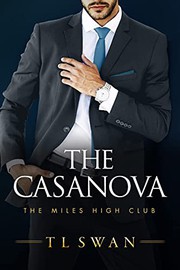
The Casanova
Kate Landon's boss is also the pen pal she falls for online, hiding behind fake names, until family secrets and a trip to Paris get in the way.
2,274-word summary · 10 min read

The Rose & the Dagger
Shahrzad is pulled from her Caliph husband and left in a desert camp of rebels, needing to break his curse and end a war before it ends her.
2,520-word summary · 11 min read

We Hunt the Flame
In a fractured Arabia-inspired world, a disguised huntress and a prince-assassin race to find a magic-restoring book and confront an ancient evil.
2,195-word summary · 10 min read
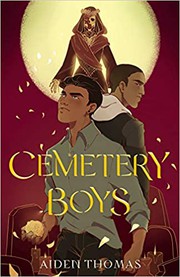
Cemetery Boys
A trans brujo in East Los Angeles summons the ghost of a boy who refuses to move on, and together they uncover a murder hidden beneath Día de los Muertos.
1,997-word summary · 9 min read

Blue Moon
Ever Bloom tries to save her immortal boyfriend, Damen, from a mysterious illness while a new student named Roman quietly takes control of her school and her…
1,998-word summary · 9 min read
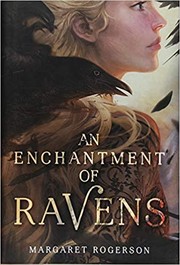
An Enchantment of Ravens
Isobel, a mortal artist in the fairy town of Whimsy, paints a portrait of the autumn prince and falls in love with him, breaking the laws of her craft.
2,087-word summary · 9 min read
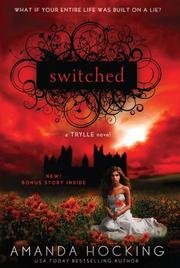
Switched
A Minnesota teenager who can make people obey her discovers she is a changeling troll princess, and the hidden kingdom she came from wants her back.
2,131-word summary · 9 min read
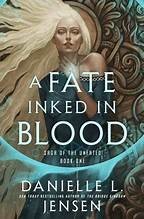
A Fate Inked in Blood
In Norse-inspired Skaland, a fish gutter hiding a goddess's blood is claimed by a jarl, bound by oath, and guarded by the son she cannot want.
1,971-word summary · 9 min read
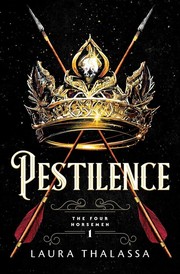
Pestilence
Firefighter Sara Burns shoots the Horseman Pestilence and discovers he cannot die. Taken captive, she rides with him as his plague sweeps the world.
2,508-word summary · 11 min read
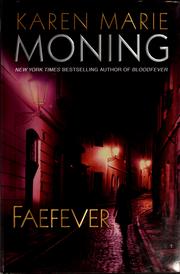
Dreamfever
With the walls between worlds down and Mac broken by the Fae, Dreamfever is the darkest volume of the Fever series, and the one that changes everything.
2,007-word summary · 9 min read

Bitten
Elena Michaels is the world's only female werewolf, and keeping that world away from her human life in Toronto works fine until the Pack calls in a favor.
2,039-word summary · 9 min read
A Deal with the Elf King
A village herbalist is exposed as the hidden Human Queen, married to a cold elf king, and given three months to save his dying kingdom or be bound to it…
2,094-word summary · 9 min read

When the Moon Hatched
An assassin who hears air takes a job that throws her to dragons and a hunter.
2,083-word summary · 9 min read
This Savage Song
Monster hunter Kate meets August, a monster who plays violin.
2,574-word summary · 11 min read
These Hollow Vows
Brie trades with the Unseelie to save her sister and steals for a prince.
2,384-word summary · 11 min read

The Winner's Curse
An aristocratic girl buys a slave who is secretly a prince plotting rebellion.
2,124-word summary · 9 min read
The Traitor Queen
Exiled Lara returns to free Aren and break her father hold.
2,328-word summary · 10 min read