

The Winner's Curse
2,124-word summary 9 min read 355 pages in the book
- First published
- 2014
- Publisher
- Farrar, Straus and Giroux
- Pages
- 355
- ISBN
- 9780374384678
- Series
- The Winner's Trilogy (#1)
Reading options
What's inside (5 sections)
I read The Winner's Curse in a weekend because Kestrel and Arin would not let me sleep. First published in 2014 by Farrar, Straus and Giroux at 355 pages in hardcover, it is book one in The Winner's Trilogy, young adult fantasy about empire, slavery, and a terrible auction. Kestrel, Valorian general's daughter, buys a Herrani slave named Arin at a market on impulse. He is more than he seems. She is more than society allows. Their cat and mouse becomes love and rebellion while war looms. I found it romantic, political, and smarter than many love stories about buying people, because it does not excuse. It interrogates.
Kestrel starts as an anomaly in Valoria, an empire that conquered Herran and enslaves its people. Daughter of the famous general Trajan, expected to marry well or join military. She loves music, gambling, sharp talk. She can fight but prefers piano. At a slave auction with her friend Jess, she bids on Arin, a young Herrani blacksmith with defiant eyes, to save him from worse master? Actually on impulse to spite? She tells herself it was whim. It was recognition. He intrigues. She takes him home as valet of sorts, with rules. He hates her on sight for good reasons. She owns him. That ownership poisons everything, and the book knows. It does not romanticize master slave love without facing. Arin resents, plots, uses proximity to spy for Herrani rebellion. Kestrel enjoys his company while hating system she benefits from. Both are trapped in roles they did not choose but uphold by living. That tension drives, not just kisses.
Arin hides princehood. He is Herrani, enslaved after war, working as blacksmith, secretly a leader in rebellion. Bought by Kestrel, he plays obedient while memorizing house layouts, schedules, weaknesses. He hates Valorians for enslaving, killing, erasing culture. He hates Kestrel specifically as symbol, then specifically as person who is kind in a cruel system. That shift confuses him. Is she different or just nicer cage. He falls while planning to use her. She falls while learning his secrets. Their talks about music, weapons, freedom crackle. He teaches her Herrani songs. She plays Valorian pieces with Herrani twists. Art as bridge and betrayal. Loving enemy while your people die feels like treason. Both feel it. Neither stops. That aching ambivalence makes romance adult though characters are teens. Choices cost lives, not just hearts.
Empire and auction
Valoria versus Herran worldbuilding works through details, not dumps. Valorians value military honor, duels, arranged marriages, parties with elaborate hair and gowns. Herrani value music, craft, sea, memory of freedom. Auction scene where Kestrel buys Arin is brutal and perfect. Humans priced, teeth checked, names erased. Kestrel participates, then sickens. She cannot unbuy. Owning to save still owns. The book forces readers who like Kestrel to sit with complicity. Loving a slave owner as heroine is uncomfortable. Rutkoski leans into discomfort rather than excusing with kind mistress trope. Kestrel is kind for her world and still oppressor. Arin tells her so. Friends tell her so. She must decide if kindness without freeing counts. Spoiler: it does not fully. That moral clarity inside romance is rare and welcome. Love does not erase power. It must dismantle or fail. They try, imperfectly, at great cost.
Court games fill middle. Kestrel navigates balls, dresses, gossip while spying for father and hiding Arin. Jess, her best friend, loves parties and offers comic relief with sharp edges. Verex, prince and suitor, courts Kestrel for alliance. He is decent, not villain, which complicates. Marrying him would secure Kestrel's position and help family, but betray Arin and self. Her father Trajan loves her in stern military way. He wants her safe in system he built with blood. He cannot see system as Arin does. Their father daughter talks hurt. Pride and love mixed. He trained her to strategize, then dislikes her using strategy to question war. Parents creating thinkers then fearing thought is universal. Here stakes are rebellion, not grades.
Rebellion brews under glitter. Herrani servants pass messages in songs. Blacksmiths forge weapons in tools. Arin leads while serving tea. Kestrel discovers pieces and must choose. Warn father or protect Arin. Each choice betrays someone she loves. That impossible bind sustains 355 pages without sagging. Every ball could expose. Every lesson could be last. Pace builds to auction reversal where roles flip in ways I will not spoil fully, except that winning has costs the title warns. Curse is not magic. It is consequence. Buy a person and lose freedom to love freely. Win a game and fund war. Every victory in empire costs someone chained. Kestrel learns winning within unjust rules still unjust. To truly win, change game. That lesson costs her comfort, status, safety. She pays willingly by end, which is growth from impulsive buyer to rebel ally. Not savior, ally. Important distinction. She does not save Herran. She joins, follows Arin's lead, uses Valorian knowledge to help. That de centering of privileged heroine impresses. Ally, not savior.
What shines is prose and politics. Rutkoski writes lush but clear sentences. Dresses, music, duels, sea. Dialogue sparkles with repartee that hides fear. World feels Roman inspired without copying. Empire with republic pretenses, enslaved Greeks? Actually Herran as Greece to Valoria Rome. That classical echo gives depth for history lovers. Power dynamics explored through economics, not just prejudice. Who profits from slavery. Who fears rebellion. What happens to art under occupation. Those questions elevate above love triangle. There is no triangle here really. Verex is option, not equal. Heart is Kestrel and Arin across power gap. Will they close gap or fall in. That focus keeps tight.
What strains is pacing for action lovers. Much talk at parties, lessons, practices. Battles come late and brief. Spying is whispers, not chases. If you need fights, you will wait. Romance dominates middle with longing glances while rebellion simmers off page. Some may find Kestrel's indecision frustrating. She dithers between father and Arin, privilege and justice. That dithering is realistic for seventeen, but can annoy readers wanting heroics. Stick with it. Indecision is point. Choosing justice over family takes time when family loves you. She gets there by end at cost that hurts. Payoff earns patience.
Content is teen appropriate with weight. Slavery, violence, war, torture mentioned, not graphic lingering. Romance consensual with power issues discussed, not explicit beyond kisses and longing. Language clean. Good for ages fourteen and up ready for politics and moral complexity. Classrooms can pair with discussions about complicity and allyship. Who benefits, who acts. Kestrel as case study in privileged awakening done well, not preachy. She makes mistakes, backslides, tries again. That trying models better than perfect heroines.
Who should bid
Read it if you like young adult fantasy with brains, like Graceling with politics or An Ember in the Ashes with less grim. Read it for Kestrel and Arin banter that cuts. At 355 pages it starts trilogy strongly.
Skip it if slave romance premise offends even interrogated. Some cannot enjoy love across ownership even critiqued. Honor that and skip. There are fantasies without that dynamic that may suit better. Skip if you need fast battles. This is balls and whispers more than swords till end.
For me, the image that stays is Kestrel at auction paddle raised, Arin looking up with hate and hope, crowd laughing at girl buying a smith. A moment's impulse that binds two fates and starts rebellion. At 355 pages, The Winner's Curse argues winning within rigged games curses. True winning requires breaking auction blocks, not bidding better. Kestrel learns to stop playing Valorian games and start playing for Herran freedom, even if it costs her music, dresses, father. That learning, painful and incomplete, held me more than kisses, though kisses helped. I closed it wanting book two immediately, worried for both, trusting neither empire nor rebellion to be kind. Love in war is gamble. They bet anyway. That bet, placed knowing odds, is why the book lasts since 2014. Bid carefully. Love bravely. Break chains, not hearts, if you can. If you cannot, choose which break matters more.
Music, dresses, and strategy
I want to say more about music and dresses, because they are not decoration but strategy. Kestrel loves piano in a society that values swords. Practicing scales is rebellion in small. Her father Trajan lets her play because it makes her marriageable, not knowing music teaches listening that helps spy. She hears lies in pauses like wrong notes. Arin loves Herrani songs his people sing while enslaved to remember freedom. He teaches Kestrel one, humming while forging. That song carries maps and mourning. When she plays it with Valorian twist at a party, Herrani servants weep and Valorians clap ignorant. Music as code. That use delights and aches. Beauty carries messages violence cannot. Pay attention to what characters play when watched. It tells allegiance. Kestrel's choice to play Herrani tune in Valorian hall is first public defiance, small and huge. No speech, just notes. Courage can be quiet. Learn that if you fear speaking. Play, draw, cook your truth where speeches fail.
Dresses and hair do similar work. Valorian gowns with low cuts, elaborate hair, jewels showing rank. Kestrel dresses to please father and disarm court while hiding knives and notes in seams. Jess helps lace and gossip, gathering intel while pinning. Those boudoir scenes, often dismissed as girl stuff, are war rooms. Who wore what to whose party signals alliances. Who snubbed whom matters. Rutkoski respects feminine knowledge. Embroidery, music, gossip are intelligence networks. Arin underestimates at first, thinking balls frivolous. He learns Kestrel navigates minefields in heels. That respect grows love more than beauty. He admires competence in her domain as she admires his forge skill. Mutual respect across gendered skills builds equality despite ownership. Notice and emulate. Value different knowledges. Balls and blacksmithing both matter in rebellion. You need dresses to enter and daggers to exit. Kestrel provides both. That duality makes her formidable, not just likable.
Strategy games structure courtship. Kestrel and Arin play a Herrani game of chance and skill with tiles? Actually they play Bite and Sting? A game of lies and bidding that mirrors auction and war. She wins often, he lets her? Or he wins to teach. Their matches flirt and spar. Each move reveals thinking. Do you sacrifice small to win large. Do you bluff love. Those lessons apply to rebellion planning later. How to lose a battle to win war. How to bid high to force opponent overpay. Kestrel's gambling habit, seen as vice by father, becomes asset. She calculates odds fast. That skill, dismissed as girlish risk, saves lives when applied to troop movements and supply lines. Reclaim dismissed skills. What you love for fun may serve freedom. Music, games, dresses. All tools if used thoughtfully. That message empowers readers whose hobbies adults dismiss. Keep playing. You are training.
Father Trajan deserves nuance. Famous general, loving father, empire builder. He loves Kestrel fiercely and fails her profoundly by upholding slavery that will take her lover and conscience. He trained her to strategize, then fears her questions. He wants her safe in system that is unsafe for many. That parental paradox will resonate. Parents give tools that outgrow their worldview. Good parents celebrate. Trajan struggles. He chooses empire over daughter's heart at first, then wavers. His love is real and insufficient. That insufficiency hurts more than villainy. You cannot hate him fully. You pity and push. His arc across trilogy moves toward reckoning, but here he stands as obstacle made of love. Navigate such fathers with care in life. Love them, disagree, choose your own auction to disrupt. Kestrel does, slowly, at great cost to his pride and her comfort. That cost is coming of age in unjust worlds. Pay willingly if conscience demands. It will demand.
Verex as decent suitor also deserves credit for avoiding triangle cliché. Prince, kind, interested in Kestrel for herself and alliance. He is not cruel to make Arin look good. He is good, which makes choice harder. Marrying him would be safe, respected, even happy in limited way. Kestrel considers genuinely, not as plot device. That consideration honors readers who choose safe loves. Safe is not wrong. It is simply not hers when Arin lives enslaved. She cannot enjoy palace while he forges chains. Conscience forbids comfort. That inability is growth. Earlier Kestrel could. Now she cannot. Change measured by what comforts you can no longer enjoy. Track that in yourself while reading. What parties can you no longer attend blithely after learning who serves. That awakening is the book's gift beyond romance. Stay awake. Bid differently. Break curses by refusing to win at others' expense.
FAQ
When was The Winner's Curse published?
It was first published in 2014 by Farrar, Straus and Giroux at 355 pages. It is book one in The Winner's Trilogy.
What is the setup?
Kestrel buys Arin at auction in Valoria. He is a Herrani prince spying while she navigates court games.
Similar books
More from The Winner's Trilogy first, then related titles.
Dance of Thieves
Queen's thief Kazi infiltrates Ballenger lands while young leader Jase plays her right back.
2,005-word summary · 9 min read

Vow of Thieves
Kazi and Jase return to Tor's Watch to find it occupied, and their marriage is tested by captivity, betrayal, and a war for the town of Hell's Mouth.
2,059-word summary · 9 min read

Archenemies
Nova steals for the Anarchists while Adrian hides his Sentinel identity, and a serum that erases prodigy powers puts them both at risk.
2,485-word summary · 11 min read

The Rose & the Dagger
Shahrzad is pulled from her Caliph husband and left in a desert camp of rebels, needing to break his curse and end a war before it ends her.
2,520-word summary · 11 min read

We Hunt the Flame
In a fractured Arabia-inspired world, a disguised huntress and a prince-assassin race to find a magic-restoring book and confront an ancient evil.
2,195-word summary · 10 min read

Lore
Lore Perseous, the last of a hunted bloodline, is pulled back into the Agon when a wounded Athena offers her revenge against the god who killed her family.
2,188-word summary · 10 min read
Fable
Abandoned on a lawless island at fourteen, Fable spends four years diving for gems to buy passage off it, straight into the cutthroat trade of the Narrows.
2,320-word summary · 10 min read
These Hollow Vows
Brie trades with the Unseelie to save her sister and steals for a prince.
2,384-word summary · 11 min read
The Traitor Queen
Exiled Lara returns to free Aren and break her father hold.
2,328-word summary · 10 min read

The Iron Queen
Meghan faces the Iron King past while Ash pays a winter price.
2,548-word summary · 11 min read
A Winter's Promise
Ophelia reads objects and is sent to marry Thorn on a cold ark.
2,502-word summary · 11 min read
Daughter of the Siren Queen
Alosa hunts the last map pieces toward Isla de Canta while defying her father Kalligan, facing her brother Draxen, and choosing her loyal crew and Riden at…
2,643-word summary · 12 min read
Daughter of No Worlds
A former slave with rare magic hires exiled warrior Max to train her for a daring rescue, sparking slow burn love and wider war in this big 520-page fantasy…
2,529-word summary · 11 min read

The Iron Daughter
Exiled with Ash after the scepter theft, Meghan hunts the Iron stronghold as iron magic wakes inside her.
2,995-word summary · 13 min read
Strange the Dreamer
Orphan librarian Lazlo Strange joins a quest to the lost city of Weep, where blue-skinned godspawn haunt dreams.
2,221-word summary · 10 min read
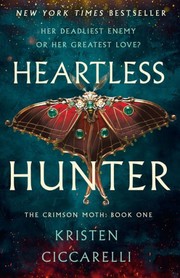
Heartless Hunter
A witch hiding as a socialite courts a witch hunter for secrets, while he courts her back on suspicion, in this romantic fantasy opener.
2,366-word summary · 11 min read

The Kiss of Deception
Princess Lia flees an arranged marriage and hides in a village, unaware one stranger is a prince and the other an assassin.
2,196-word summary · 10 min read

Poison Study
Sentenced to die, Yelena becomes the Commander's poison taster and learns survival in Ixia has a daily price.
2,501-word summary · 11 min read
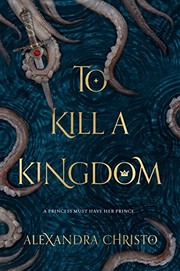
To Kill a Kingdom
A siren princess turned human must steal a siren-hunting prince's heart to win back the sea.
2,248-word summary · 10 min read

Fire
A human monster who reads minds is pulled into war in the Dells and must decide how to use her power.
2,727-word summary · 12 min read
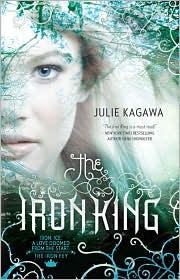
The Iron King
Meghan Chase follows her stolen brother into the Nevernever and bargains with a Winter prince to face the Iron King.
2,720-word summary · 12 min read
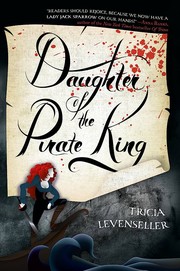
Daughter of the Pirate King
A pirate captain daughter lets herself be captured to find a map, then spars with a strict young pirate prince.
2,156-word summary · 10 min read
Finale
Sisters face waking Fates with debts due, loving princes, and choices that break immortal math.
1,995-word summary · 9 min read
Serpent & Dove
A runaway witch is forced to marry a witch hunter in Cesarine, hiding her magic as old enemies close in.
2,962-word summary · 13 min read

City of Heavenly Fire
Clary and Jace face Sebastian's dark army while Emma and Julian's story begins in Los Angeles.
2,039-word summary · 9 min read
Graceling
Katsa, Graced with killing, breaks from her uncle's use of her and follows a kidnapped prince toward a hidden king.
2,517-word summary · 11 min read
Clockwork Princess
Tessa chooses between Jem and Will as Mortmain's clockwork army closes on the London Institute.
3,289-word summary · 15 min read

City of Glass
Clary follows Jace to Alicante in Idris where Valentine plans to use the Soul-Sword on Shadowhunters and the Clave splits under pressure.
3,645-word summary · 16 min read

City of Ashes
Clary risks the Clave trial while Valentine raises demons and Jace pulls away in New York.
4,684-word summary · 21 min read

City of Bones
City of Bones retold: Clary sees Shadowhunters, Jace and the Cup, Valentine, and the Institute attack.
2,535-word summary · 11 min read