
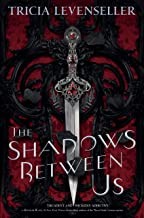
The Shadows Between Us
2,571-word summary 11 min read 336 pages in the book
- First published
- 2020
- Publisher
- Feiwel & Friends
- Pages
- 336
- ISBN
- 9781250189967
- Series
- The Shadows Between Us (#1)
Reading options
What's inside (6 sections)
I picked this one up because I wanted something light after a stretch of long serious novels, and a friend kept talking about the heroine who plans to marry the king and then kill him. That hook is the whole engine. The Shadows Between Us by Tricia Levenseller was first published on February 25, 2020 by Feiwel & Friends, a 336 page hardcover with ISBN 9781250189967. It is book one of The Shadows Between Us series, followed by a companion novel about her sister. I read it fast, in two evenings, mostly amused, sometimes rolling my eyes, never bored.
Alessandra Stathos is eighteen and the second daughter of a minor nobleman. Her family has standing but not much power, and she has spent years being measured against her older sister Chrysantha, who is widely called beautiful and who behaves the way noble ladies are supposed to behave. Alessandra does not. She likes fine dresses and keeps her hair and makeup exact, but she also speaks bluntly, takes lovers when she pleases, and says aloud that she wants power rather than a quiet marriage. There is a local law that a younger sister cannot marry before the older one does, which has kept Alessandra waiting. When the book opens, Chrysantha has finally accepted a match with a duke, so Alessandra is free to act.
Her plan is stated early and never hidden from the reader. She will go to court, make the young Shadow King fall for her, marry him, and then kill him once the marriage is settled so she can rule alone. She has killed before. As a girl of fifteen she was involved with a boy named Hektor, and when he treated her badly she murdered him and hid the body. The book does not present this as a joke exactly, though Alessandra talks about it in a dry way. It is meant to tell us she means what she says. A more recent lover named Myron proposes to her in the opening pages. She turns him down, keeps the expensive ring he offered, and sends him out. Her father walks in during the aftermath and scolds her about her reputation, which tells us plenty about their house. He favors Chrysantha, worries about money and matches, and thinks Alessandra aims too high.
Alessandra talks her father into taking her to the palace. She argues that beauty alone has not worked on the king, since he has dismissed plenty of pretty girls including Chrysantha, and that she can do better by being different. Her father doubts her. She packs anyway, with help from a seamstress, and chooses her own underclothes with care because seduction is part of the strategy.
A ball, a dance, and an invitation
The first court scene is a ball, and Levenseller writes it as a kind of contest. Most of the girls wear green because it is said to be the king's favorite color. Alessandra wears black. She refuses to stand in the greeting line with the others. She dances with her father instead and lets the king watch her from his raised seat. The king in question is Kallias, newly crowned, close to Alessandra in age, with living shadows that move around him. Nobody at court seems sure what the shadows can do. Some say they obey his orders. Some say they whisper the thoughts of his enemies to him. The uncertainty is useful for Alessandra and frightening for everyone else. Touching the king without leave is treated as a killing offense, so no one gets near him.
Alessandra's gamble pays off. Kallias notices the girl who does not push toward him. They trade sharp remarks. Then they dance a court dance that asks partners to answer each other's steps, and the scene turns warm in a way that surprises both of them. Kallias laughs, which the court notes at once, since he has not danced with anyone since his coronation. Then he leaves early and the guests are sent away, and Alessandra feels dismissed and angry. Before she can leave the palace grounds, a servant brings her a note. The king wants her to remain at court. It is signed with the initials K M, and she files that away.
This stretch is the most fun in the book. Alessandra narrates with confidence and keeps score of every glance. I smiled at her refusal to wear green and at her cool replies when older nobles try to put her in her place. One fair complaint already: the plan depends on the king acting exactly as she hopes. If he had ignored her for one more evening, there would be no story. Romance plots often run on that kind of luck, and I accepted it, but readers who want careful cause and effect may find it thin.
At court she gathers a small circle. She befriends a young lord called Leandros Vasco and his friends Petros and Rhouben. Leandros is easy company, funny, always around when something interesting happens. Petros and Rhouben have their own troubles, including an unwanted engagement for one of them. Alessandra also draws the attention of Orrin, Lord Eliades, an older friend of her father's who says he would like to court her. Her father prefers Orrin as a safe match. Alessandra strings them both along while keeping her eyes on Kallias, who barely has time for her between councils and ceremonies.
Myron will not go away either. He writes, then shows up, and tries to blackmail her over her past. He knows enough about Hektor to hurt her if he talks. Alessandra handles him with a mix of threats and bribes, but the pressure sits in the back of every court scene. She cannot afford gossip while she tries to look like future queen material.
Learning what the shadows do
The middle of the book pairs courtship scenes with small mysteries. Alessandra and Kallias meet for dinners, walks, and fittings for court clothes. She teases him about his stiff manners. He asks why she is not afraid of him. She answers that fear would make her like everyone else, and he seems to believe her. Their talks have a pattern I came to enjoy. She says something bold about wanting power or about his shadows. He deflects with a short reply. Then he asks her a direct question about her family or her past, and she lies with a smile and changes the subject.
Bold talk only goes so far, and Levenseller knows it. The book gives Kallias a real secret in stages. On a picnic outing, away from listeners, he tells Alessandra part of the truth about his power. His shadows make him nearly untouchable and they can heal him, but they stop working properly when he stays in close touch with another person. Touch cancels the protection. That is why he keeps his distance from everyone and why the law about touching him exists. It is both safety rule and prison. Alessandra hears this and at once sees two things: a way to kill him later, since she would need him powerless and near, and a reason he looks so tired. A king who cannot be touched cannot be comforted either.
Around the same time, attempts on Kallias begin in earnest. Someone shoots at him in the palace garden while Alessandra is with him. She reacts without thinking and fights the attacker until Kallias recovers enough to use his shadows. He is impressed, and not only because she is brave. Loyalty is rare around him. He moves her into the queen's rooms beside his own, which sets the whole court gossiping. Alessandra is pleased and also annoyed, because now she must protect a man she meant to murder, at least until he marries her. She starts watching corridors, asking servants who comes and goes, and noting which lords look disappointed that the king survived.
I found these chapters propulsive. Short scenes, clear goals, a new clue every few pages. Who ordered more guards. Which wine cup was poured twice. Why a certain lord keeps asking about the king's schedule. I finished a large chunk in one sitting because each chapter ended with a question I wanted answered. The cost is that the wider kingdom barely exists. We hear names of regions and titles, but trade, taxes, wars, and common people stay offstage. The palace is the world. For a 336 page romance with a mystery inside, that focus is fair. Still, when characters talk about ruling, it can sound like ruling means hosting dinners and surviving them.
The killer in the circle
The mystery centers on the murder of the old king and queen, Kallias's parents. They were killed some time before the book begins, and no one was ever punished. Some at court whisper that Kallias himself did it to take the throne. Alessandra does not care much at first. Dead parents do not change her plan. Slowly she sees that Kallias keeps his court full and his guests close because he is trying to draw out the killer. He suspects someone inside the palace and wants them to try again where he can watch.
Levenseller plants the answer in plain sight, and I will name it here since these pages aim to give full summaries. Leandros Vasco, Alessandra's friendly new companion, is really Xanthos, Kallias's older brother. He was thought dead. In truth he murdered their parents and has been working toward the throne ever since, with Kallias as the last obstacle. The shadows passed to Kallias rather than to Xanthos, which gives the rivalry a bitter edge. Xanthos wants what he sees as his by birth, and he is willing to kill his brother's guards, servants, and guests to get it.
The reveal made me rethink several earlier scenes. Leandros always knows where Kallias will be. He asks careful questions about the shadows. He encourages Alessandra's attachment to Kallias while keeping his own hands clean. Once you know, his kindness reads as management. I thought this was well handled for a short book. The clues were there without flashing lights.
The climax mixes a wedding celebration with another attempt on Kallias. There is a poison plot involving a girl who works at a club in the city and who has been paid to get close to the palace staff. Alessandra spots her during the toasts and understands at once what will happen if Kallias drinks while the girl is near enough to blunt his power. She gets the girl away from him so his shadows can return, leaves Kallias's unconscious body in the care of people she trusts, and confronts the threat. The fight is brief and physical rather than grand. Daggers, shadows, shouting in a corridor. Kallias lives. Xanthos is exposed. Alessandra has to decide what she wants now that the man she meant to kill has trusted her with his life and his weakness.
She chooses him. That will surprise no one who reads romances, and the book does not pretend otherwise. What matters is how Levenseller frames the choice. Alessandra does not give up wanting power. She decides she would rather share it with someone who sees her clearly than take it alone through murder. They marry. She becomes queen with a husband who knows exactly how ruthless she can be. Her sister Chrysantha gets her own aftermath, which leads into the companion novel. Myron is dealt with. The court learns to be polite to the new queen.
What I liked and what dragged
The voice carries this book. Alessandra is funny about dresses, food, and pompous lords. She loves sweets and good fabric and says so. She prepares for balls the way a general prepares for battle, and that practical attitude kept me on her side even when she acted badly. Kallias works as a match for her because he is not simply cold. He is guarded for a reason, and his short answers hide grief about his parents and fear that anyone near him will die. Their banter about power and marriage has warmth under the scheming. When she tells him she wants to be queen and he asks why, the scene lands because both know the usual answer would be love or duty, and she refuses to give it.
The mystery plotting is solid for the length. Attempts come at sensible intervals. Each one teaches Alessandra something about the shadows. The picnic talk, the garden shooting, and the poison plan fit together. I also liked that Alessandra's competence has limits. She can fight and lie and sew, but she misreads Xanthos for most of the book, and her blackmail problem with Myron never fully goes away until late. That kept her from feeling invincible.
Now the criticisms, stated plainly. The world outside the palace is vague. Naxos as a kingdom never came alive for me. I could not have described its size, its neighbors, or what its people eat besides court pastries. The side characters blur. Petros and Rhouben are pleasant but thin, Orrin is mostly a warning about safe marriages, and Chrysantha spends much of this volume as a distant foil rather than a person. Readers who want politics with weight may find the stakes narrow. It is really a courtship with knives, not a study of rule.
The pace also rushes the turn from scheming to love. Alessandra spends half the book insisting she will kill Kallias, then changes course quickly once she sees him hurt. I believed she cared for him. I did not fully believe the timing. A few more quiet scenes between them would have helped, fewer ballroom victories and more talks like the picnic one. And while I enjoy a confident narrator, Alessandra's jokes sometimes repeat. Another remark about her looks, another boast about her plans. The book is short enough that this never bored me, but it kept some scenes from landing hard.
Who is it for. Readers who like enemies to lovers stories, court settings, and heroines who admit they want power will have fun. Readers who want slow burn realism, detailed magic systems, or gray politics may find it light. I would hand it to someone who enjoyed Daughter of the Pirate King and wants the same brisk tone with crowns instead of ships. That earlier book by Levenseller shares the quick chapters and bold heroine, though this one leans more on romance and less on travel.
A note on the series question, since titles can confuse. The publisher groups this book with The Darkness Within Us under the heading The Stathos Sisters. Many shops and readers also list the pair as The Shadows Between Us, with this book as number one and the Chrysantha book as number two. I use The Shadows Between Us as the series name here because that matches the list this post was added from and keeps the two books together on the site. Either name points to the same story: Alessandra first, her sister next.
I closed the book liking Alessandra more than I expected. She starts as a girl who wants a crown and ends as a queen who knows its price. The last chapters do not claim she has become gentle. They claim she has chosen a partner who can stand beside her without flinching. For this kind of romance, that felt honest and enough.
FAQ
When was The Shadows Between Us published?
Feiwel & Friends published it on February 25, 2020. The hardcover runs 336 pages and the ISBN is 9781250189967.
Is it part of a series?
Yes. It is book 1 of The Shadows Between Us, and the companion novel The Darkness Within Us continues with her sister Chrysantha.
What age is it for?
The publisher lists it for ages 13 to 18. It has courtship, attempted murder, and some sexual references without explicit scenes.
Similar books
More from The Shadows Between Us first, then related titles.

The Rose & the Dagger
Shahrzad is pulled from her Caliph husband and left in a desert camp of rebels, needing to break his curse and end a war before it ends her.
2,520-word summary · 11 min read

Vow of Thieves
Kazi and Jase return to Tor's Watch to find it occupied, and their marriage is tested by captivity, betrayal, and a war for the town of Hell's Mouth.
2,059-word summary · 9 min read

Lioness Rampant
Alanna searches for the Dominion Jewel with the Shang Dragon, then returns to Tortall to face Duke Roger at Jonathan's coronation.
2,478-word summary · 11 min read

The Siren
Saved from a shipwreck in 1930, Kahlen becomes a siren who sings men to their deaths for the Ocean, until a boy in a college library makes her want a life she…
2,369-word summary · 11 min read

The Queen of the Tearling
Nineteen-year-old Kelsea leaves the woods to take her throne, ends a shipment of human captives, and draws the Red Queen's revenge.
2,357-word summary · 10 min read

We Hunt the Flame
In a fractured Arabia-inspired world, a disguised huntress and a prince-assassin race to find a magic-restoring book and confront an ancient evil.
2,195-word summary · 10 min read

Blue Moon
Ever Bloom tries to save her immortal boyfriend, Damen, from a mysterious illness while a new student named Roman quietly takes control of her school and her…
1,998-word summary · 9 min read
An Enchantment of Ravens
Isobel, a mortal artist in the fairy town of Whimsy, paints a portrait of the autumn prince and falls in love with him, breaking the laws of her craft.
2,087-word summary · 9 min read

The Indigo Spell
Sydney Sage hunts an aging witch, learns forbidden magic, and finally admits she loves Adrian, while the Alchemist tattoo on her cheek may be controlling her.
2,604-word summary · 12 min read
A Winter's Promise
Ophelia reads objects and is sent to marry Thorn on a cold ark.
2,502-word summary · 11 min read
Three Dark Crowns
Three triplet queens must kill each other for the crown, but love and gifts get in the way.
2,134-word summary · 9 min read

The Golden Lily
Sydney Sage guards Jill at Amberwood Prep in Palm Springs, studies forbidden magic, favors Adrian over Brayden, and faces Alchemist custody in this second…
2,988-word summary · 13 min read
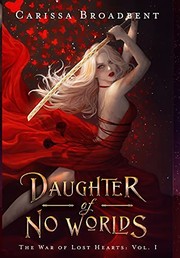
Daughter of No Worlds
A former slave with rare magic hires exiled warrior Max to train her for a daring rescue, sparking slow burn love and wider war in this big 520-page fantasy…
2,529-word summary · 11 min read
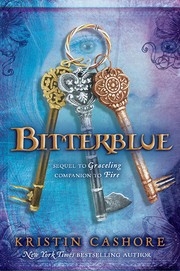
Bitterblue
Eighteen-year-old Queen Bitterblue sneaks out to learn why Monsea still suffers after Leck, facing court lies, ciphers, and trials in Cashore's rich third…
2,686-word summary · 12 min read
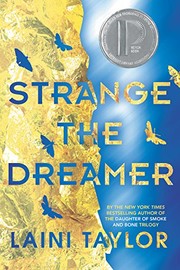
Strange the Dreamer
Orphan librarian Lazlo Strange joins a quest to the lost city of Weep, where blue-skinned godspawn haunt dreams.
2,221-word summary · 10 min read
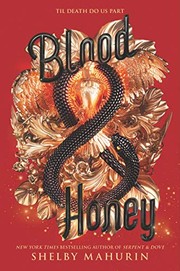
Blood & Honey
Married witch Lou and hunter Reid flee church and coven while dark magic tempts Lou to save them.
2,280-word summary · 10 min read
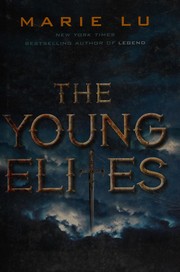
The Young Elites
Adelina survives fever and execution to join a secret group of gifted malfettos plotting against the queen of Kenettra.
3,310-word summary · 15 min read
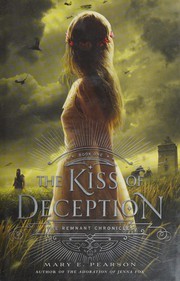
The Kiss of Deception
Princess Lia flees an arranged marriage and hides in a village, unaware one stranger is a prince and the other an assassin.
2,196-word summary · 10 min read
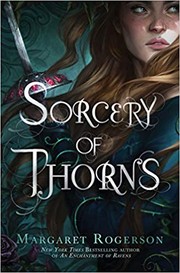
Sorcery of Thorns
An apprentice librarian framed for sabotage joins a sorcerer and his demon servant to stop attacks on the Great Libraries.
2,926-word summary · 13 min read
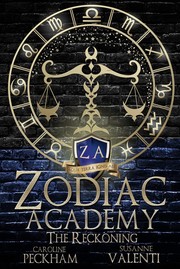
The Reckoning
Twin heirs survive trials and hazing at Zodiac Academy while the heirs start to split.
1,984-word summary · 9 min read
Burned
Zoey's soul hides in the Otherworld while Stark must die to fetch her and Stevie Rae burns secrets.
2,074-word summary · 9 min read
Poison Study
Sentenced to die, Yelena becomes the Commander's poison taster and learns survival in Ixia has a daily price.
2,501-word summary · 11 min read
To Kill a Kingdom
A siren princess turned human must steal a siren-hunting prince's heart to win back the sea.
2,248-word summary · 10 min read

Fire
A human monster who reads minds is pulled into war in the Dells and must decide how to use her power.
2,727-word summary · 12 min read
A Curse for True Love
Evangeline wakes married with no memory of Jacks while Apollo and Jacks hunt.
2,287-word summary · 10 min read
Finale
Sisters face waking Fates with debts due, loving princes, and choices that break immortal math.
1,995-word summary · 9 min read
The Ballad of Never After
Evangeline hunts four missing Arch stones with Jacks to free a cursed Apollo and learns what his rescue will cost.
3,690-word summary · 16 min read
Legendary
Tella enters a new Caraval in Valenda to pay a debt with Legend's name, while curses and waking Fates raise the cost.
2,886-word summary · 13 min read
Carry On
Simon Snow returns to Watford for his last year as a failing Chosen One, with his roommate Baz missing and the Humdrum wearing his face.
2,662-word summary · 12 min read
Once Upon a Broken Heart
Evangeline trades three kisses with the Prince of Hearts to stop a wedding and dooms herself instead.
2,839-word summary · 13 min read