
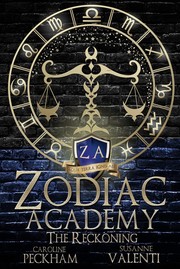
The Reckoning
1,984-word summary 9 min read 528 pages in the book
- First published
- 2020
- Publisher
- Independently Published
- Pages
- 528
- ISBN
- 9798601211956
- Series
- Zodiac Academy (#3)
Reading options
What's inside (7 sections)
I had never read Zodiac Academy before this batch, and starting at book three felt like walking into a party where everyone already knows the jokes. The Reckoning is the third book in the Zodiac Academy series, first published in 2020, written by Caroline Peckham and Susanne Valenti. The edition I used for facts runs 528 pages from Independently Published. It follows twins Tory and Darcy Vega as they try to survive a school that wants them dead, and it ends on a turn that made me order book four the same night even though I was annoyed for most of the middle.
Tory and Darcy are Gemini twins, eighteen, raised in Chicago by a foster family who did not love them, working dead end jobs, with no idea they are Fae until a professor shows up and tells them they are heirs to a throne in a place called Solaria. Zodiac Academy is a school for the four elements and the zodiac orders, part college, part battleground, run by powerful families who liked things better before lost princesses came back.
Arriving as heirs no one wants
The setup for book three assumes you know books one and two, The Awakening and Ruthless Fae. The twins have already been bullied, starved, frozen, set on fire in various trials, and targeted by the four heirs, Darius, Seth, Caleb, and Max, who rule the school socially and magically. Tory is sharp tongued and refuses to bow. Darcy is softer, kinder, more willing to see good in people who have not earned it. Both are starved for belonging and furious at being treated as frauds.
What I liked right away is how physical the school feels. Classes where you have to summon air or water under pressure, dorms that flood or burn, a pit called the Pitball arena where games turn bloody, teachers who grade survival as highly as spells. Peckham and Valenti write action in short bursts. Someone throws fire, someone else answers with ice, the twins try something clever with shadows or siren song and it half works. The magic has costs. Using too much drains you. Orders matter. A vampire heir feeds differently than a dragon shifter fights. You learn the rules by watching people get hurt.
The bullying in this series is extreme, and book three does not soften it. The heirs and their followers haze the twins with food deprivation, public humiliation, and magical attacks that leave real injuries. If you have a low tolerance for bully romance dynamics, where attraction and cruelty mix, this will be hard. I found several scenes uncomfortable, not because they were poorly written but because the book wants you to feel the humiliation fully before it lets anyone apologize. Tory endures by getting meaner. Darcy endures by shutting down. Neither response is presented as healthy, which I appreciated.
The heirs start to crack
Darius Acrux, the dragon heir, is the coldest and the most central here. He has been ordered by his father to break the twins, and he does it while clearly hating himself for parts of it. Seth, the werewolf heir, is loud and crude and uses jokes to avoid thinking. Caleb, the vampire, is the most charming and the first to show real guilt. Max, the siren, hides behind detachment. By book three each of them gets point of view chapters, so you see the private cost of public cruelty.
This is where the book won me over despite the repetition. Darius starts to protect Tory in small ways he denies. Caleb tries to help Darcy with control and then pulls back when his friends watch. Seth does something genuinely kind for Darcy and then ruins it with a crude comment because kindness scares him. The authors let the boys be wrong for long stretches without excusing them. Apologies, when they come, are awkward and partial. That felt more honest than a sudden redemption.
Tory and Darcy also split in how they handle power. Tory leans into her shadows and her anger. She practices in secret, takes risks, makes deals she should not make. Darcy leans into water and empathy, tries to heal, tries to befriend people like Sofia, another outsider. Both approaches fail in different ways. Tory's risks draw attention from teachers who want to use her. Darcy's kindness gets mistaken for weakness by students who only respect force.
The romance is slow burn to the point of frustration. If you want clear couples by the end, you will be annoyed. Tory and Darius circle each other with threats that sound like flirting and flirting that sounds like threats. Darcy and a certain heir share quiet moments in libraries and infirmaries that feel tender and then get interrupted by politics. The book teases more than it delivers, which is clearly on purpose to carry you to book four. I respected the patience even as I wanted one clean kiss without a fireball following.
Trials, the Nymphs, and the larger war
Beyond school rivalry there is a bigger plot about Nymphs, ancient enemies of the Fae, and about who really killed the Vega parents. Book three reveals more about foster care lies, about stars and shadows, about why the twins were hidden on Earth. Professors argue. The Council interferes. A character named Lionel Acrux looms as the adult villain who makes the teenage bullies look small.
The action centerpiece is a trial sequence where the twins have to survive elemental challenges while the whole school watches. I will keep specifics light, but one water trial with Darcy had me holding my breath. She has to hold her magic longer than she ever has while people she half trusts shout advice that contradicts. Tory has a shadow trial where she has to choose between saving herself and exposing what she can do. Both scenes work because the costs are clear. If they fail, they do not just lose points. They drown or burn or get expelled back to a life with nothing.
The Nymph threat grows in the background through strange attacks and whispers. Some teachers dismiss it. Others arm students quietly. The twins, as lost heirs, are both symbols and weapons. Everyone wants to use their claim. No one wants to let them rule. That political squeeze makes the school bullying feel less like teen drama and more like training for a war the adults already lost once.
Pacing is uneven. The first hundred pages repeat beats from book two. Another humiliation in the dining hall, another rescue that is not quite a rescue, another night of scheming in dorm rooms. I skimmed two party scenes because I could predict who would spill what on whom. Then the middle hundred pages tighten fast with lessons, secrets, and a rescue mission that actually changes alliances. The last hundred barely pause.
The ending that reframes everything
The final chapters hit hard. Without spoiling names, a character the twins trusted makes a choice that looks like betrayal and might be protection. A rescue goes wrong. A power awakens that scares even the heirs. The book closes on a separation and a reveal about parentage and stars that genuinely surprised me, even though hints were there about shadows and order bonds.
I sat with that ending for a day. On one hand it uses a cliffhanger that withholds a conversation the characters should have had on page. On the other, it fits the theme. These are teenagers raised without safety who learned to strike first. Of course they misread a sacrifice as an attack. Of course the adults let them. The frustration I felt was the point, not a flaw in plotting, though I still wanted one more chapter of honesty before the cut.
For criticism, the book needs an edit for repetition. How many times can someone be described as smirking, growling, or baring fangs before it blurs. The answer is fewer than this book thinks. Dialogue tags repeat. Internal monologues restate the same vow to never bow. I started counting smirks as a joke and stopped at thirty because it was making me like Tory less, which is unfair because her actions are interesting when the adjectives get out of the way.
Also, consent and power get messy in ways the book does not always examine. Magic is used to coerce, to eavesdrop, to restrain. Sometimes the story flags it. Sometimes it plays a forced kiss or a compelled truth as romantic. If you read bully romance, you know this tension. I wish Peckham and Valenti paused more often to let a character name what happened rather than moving to the next sparring match.
Still, I finished and immediately looked up book four, Shadow Princess. That is the test for a series middle. Does it make the world bigger while making you care more about the people in it. The Reckoning does. Tory's anger feels earned rather than performed by the end. Darcy's softness feels like strategy rather than naivety. Darius, Caleb, Seth, and Max feel less like a wall and more like four scared boys with different ways of showing fear.
For who this is for. If you like Ruthless Fae and want more magic lessons, morePitball, more heir point of view, you will get it. If you are new, do not start here. Start at The Awakening. You need the bullying history for the small kindnesses here to land. And if you want closed door romance or gentle school stories, look elsewhere. This is loud, crude, violent, and sentimental in turns, with a Fae court logic where insult and flirtation share a language. I went in skeptical and came out invested, which is more than I expected from book three of a long academy series.
How the magic and school actually function day to day
One thing that kept me reading through the repetitive dining hall scenes was the small system detail tucked into lessons. Air magic is not just wind. It is pressure, sound, breath control. A teacher makes students hold a bubble of air around a candle without snuffing it, and you see who has finesse versus force. Water magic involves temperature and calm. Darcy does better when she stops fighting the water and listens, which mirrors her larger arc. Fire is hunger. Shadow is price. Every use takes something, sleep, blood, focus, and the twins, who missed years of training, pay more for the same spells.
Dorm life matters too. The Vega twins share space with girls who have chosen sides. Sofia, human born but loyal, becomes important because she has no order power to trade, only stubbornness. Her friendship with Darcy gives the book its few soft scenes without magic. They brush hair, share snacks smuggled from kitchens, study star charts. Those ten minute rests between trials let the stakes breathe. Without them the book would be only shouting and sparring.
Pitball deserves a mention because it is where school politics becomes visible. It is a brutal mixed magic sport with rings and tackles and elemental hits. The heirs dominate because they have played since childhood. The twins are clumsy but inventive. Tory uses shadows to hide movement. Darcy uses water to slow falls. The crowd, which jeered them in halls, cheers a good play despite itself. Those cheers matter. They show Solaria could accept the twins if the court let it, which makes the court's refusal feel more deliberate and cruel.
I also appreciated the foster care backstory staying present. Tory and Darcy do not forget Chicago, the jobs, the apartment with thin walls, the social worker visits. When they are offered silks and titles, part of them does the math about rent. That memory keeps them from becoming standard chosen ones. They know what it costs to have nothing, so they do not romanticize power even while chasing it.
FAQ
Can I start Zodiac Academy at The Reckoning?
No. Start with The Awakening, then Ruthless Fae. The bullying history and heir promises only land if you saw books one and two.
Where does The Reckoning sit in the series?
It is book 3 in Zodiac Academy, first published in 2020. The edition cited runs 528 pages from Independently Published with ISBN 9798601211956.
Is the bullying very intense?
Yes, heavily. Sperlinganything with smirks, growls and fangs repeats, and some dining hall hazing beats feel familiar. The trial chapters and late reveals still push the story forward.
Similar books
More from Zodiac Academy first, then related titles.
The Awakening
Twin sisters Tory and Darcy Vega learn they are lost Fae heirs and enter Zodiac Academy in Solaria, where the four Heirs bully them to force them off the…
2,960-word summary · 13 min read
Ruthless Fae
Tory and Darcy Vega return to Solaria for a brutal second term as the heirs fight their claim and old family secrets start to surface.
3,004-word summary · 13 min read
Shadow Princess
Tory and Darcy learn they are Phoenixes with shadows inside them and face Lionel, the Heirs and a rescue that goes wrong.
2,837-word summary · 13 min read
Cursed Fates
Twin heirs Tory and Darcy Vega face Lionel Acrux, brutal trials and tangled mate bonds in this fifth Zodiac Academy book, a 749-page bridge to open war and…
2,750-word summary · 12 min read
Fated Throne
Twins face the throne trial as heirs close in and stars shift.
2,349-word summary · 10 min read
An Enchantment of Ravens
Isobel, a mortal artist in the fairy town of Whimsy, paints a portrait of the autumn prince and falls in love with him, breaking the laws of her craft.
2,087-word summary · 9 min read

The Lost Sisters
Taryn Duarte writes a letter to her twin, Jude, explaining how she fell for Locke and why she stayed silent while he used them both.
1,914-word summary · 9 min read

The Siren
Saved from a shipwreck in 1930, Kahlen becomes a siren who sings men to their deaths for the Ocean, until a boy in a college library makes her want a life she…
2,369-word summary · 11 min read

The Rose & the Dagger
Shahrzad is pulled from her Caliph husband and left in a desert camp of rebels, needing to break his curse and end a war before it ends her.
2,520-word summary · 11 min read

We Hunt the Flame
In a fractured Arabia-inspired world, a disguised huntress and a prince-assassin race to find a magic-restoring book and confront an ancient evil.
2,195-word summary · 10 min read

Blue Moon
Ever Bloom tries to save her immortal boyfriend, Damen, from a mysterious illness while a new student named Roman quietly takes control of her school and her…
1,998-word summary · 9 min read

The Indigo Spell
Sydney Sage hunts an aging witch, learns forbidden magic, and finally admits she loves Adrian, while the Alchemist tattoo on her cheek may be controlling her.
2,604-word summary · 12 min read
A Deal with the Elf King
A village herbalist is exposed as the hidden Human Queen, married to a cold elf king, and given three months to save his dying kingdom or be bound to it…
2,094-word summary · 9 min read
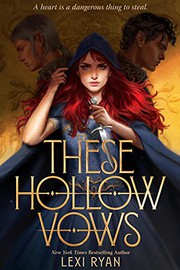
These Hollow Vows
Brie trades with the Unseelie to save her sister and steals for a prince.
2,384-word summary · 11 min read

The Iron Queen
Meghan faces the Iron King past while Ash pays a winter price.
2,548-word summary · 11 min read
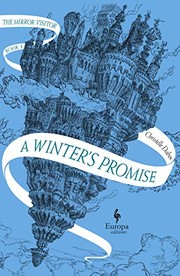
A Winter's Promise
Ophelia reads objects and is sent to marry Thorn on a cold ark.
2,502-word summary · 11 min read

The Golden Lily
Sydney Sage guards Jill at Amberwood Prep in Palm Springs, studies forbidden magic, favors Adrian over Brayden, and faces Alchemist custody in this second…
2,988-word summary · 13 min read
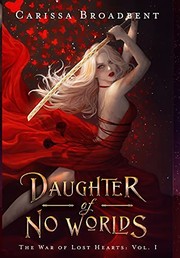
Daughter of No Worlds
A former slave with rare magic hires exiled warrior Max to train her for a daring rescue, sparking slow burn love and wider war in this big 520-page fantasy…
2,529-word summary · 11 min read
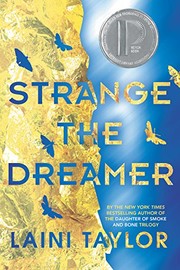
Strange the Dreamer
Orphan librarian Lazlo Strange joins a quest to the lost city of Weep, where blue-skinned godspawn haunt dreams.
2,221-word summary · 10 min read
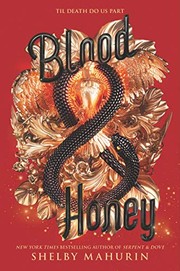
Blood & Honey
Married witch Lou and hunter Reid flee church and coven while dark magic tempts Lou to save them.
2,280-word summary · 10 min read
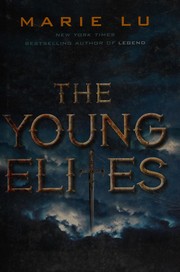
The Young Elites
Adelina survives fever and execution to join a secret group of gifted malfettos plotting against the queen of Kenettra.
3,310-word summary · 15 min read
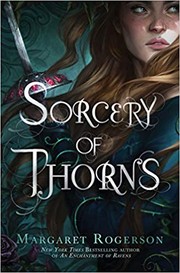
Sorcery of Thorns
An apprentice librarian framed for sabotage joins a sorcerer and his demon servant to stop attacks on the Great Libraries.
2,926-word summary · 13 min read
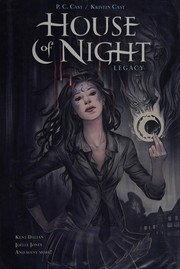
Burned
Zoey's soul hides in the Otherworld while Stark must die to fetch her and Stevie Rae burns secrets.
2,074-word summary · 9 min read

Poison Study
Sentenced to die, Yelena becomes the Commander's poison taster and learns survival in Ixia has a daily price.
2,501-word summary · 11 min read
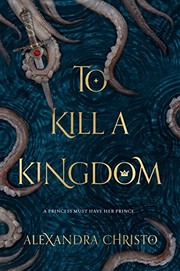
To Kill a Kingdom
A siren princess turned human must steal a siren-hunting prince's heart to win back the sea.
2,248-word summary · 10 min read
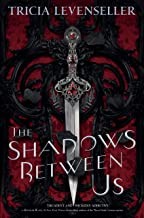
The Shadows Between Us
Alessandra plans to woo the Shadow King, marry him, and kill him for his throne, then finds someone else wants him dead first.
2,571-word summary · 11 min read

Fire
A human monster who reads minds is pulled into war in the Dells and must decide how to use her power.
2,727-word summary · 12 min read
A Curse for True Love
Evangeline wakes married with no memory of Jacks while Apollo and Jacks hunt.
2,287-word summary · 10 min read
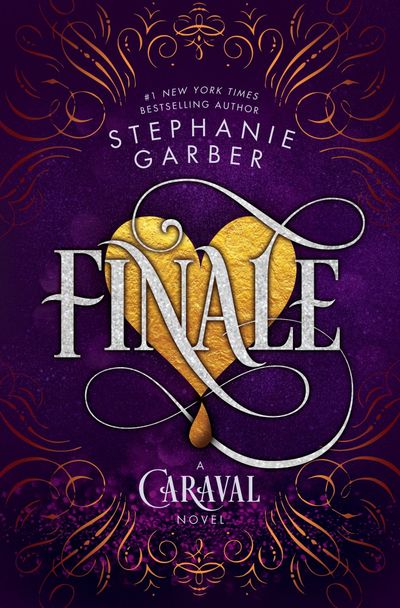
Finale
Sisters face waking Fates with debts due, loving princes, and choices that break immortal math.
1,995-word summary · 9 min read
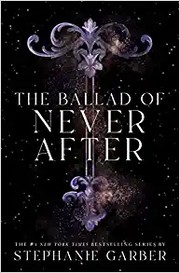
The Ballad of Never After
Evangeline hunts four missing Arch stones with Jacks to free a cursed Apollo and learns what his rescue will cost.
3,690-word summary · 16 min read