
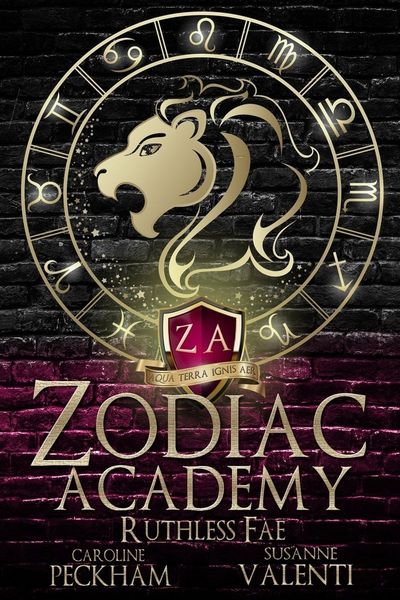
Ruthless Fae
3,004-word summary 13 min read
- First published
- 2020
- ISBN
- 9781914425035
- Series
- Zodiac Academy (#2)
Reading options
What's inside (9 sections)
I did not plan to keep going after book one. I finished The Awakening late at night and told myself I was done with Solaria for a while. Then I kept thinking about Tory and Darcy Vega stuck in that school with everyone against them, and the next morning I opened Ruthless Fae anyway. This is book two in the Zodiac Academy series, published indie in 2020 by Caroline Peckham and Susanne Valenti, and it picks up right where the first book left off. It is long. It is mean in places. It got under my skin even when I wanted to argue with it.
If you have not read book one, the setup is simple. Tory and Darcy are twin sisters raised in the human world. They learn they are actually fae and heirs to a powerful throne in Solaria. They get pulled into Zodiac Academy, a school where fae teens learn to control their magic based on their Order, which is basically the kind of creature or power they shift into or channel. The catch is that four heirs already run the school socially. They are rich, connected and furious that these two newcomers showed up with a claim that threatens their families. Book one ended with the twins battered but still standing. Book two asks what happens when staying means taking hit after hit.
I want to be clear up front about tone. This is bully romance with fantasy stakes, not cozy academy fun. People who love underdog stories will find a lot to root for. People who hate reading long scenes of humiliation should know what they are getting into before they start.
Starting over in a place that hates them
The book opens with the twins back at Solaria and already tired. That tired feeling felt true to me. They are not wide eyed new girls anymore. They know how meals work, how classes work, how fast a rumor moves through the dorms. What they do not know is who they can trust.
Tory is the sharper edged twin. She talks back. She holds grudges. She would rather get detention than bow her head to someone who insulted her sister. Darcy is softer without being weak. She notices feelings in a room. She tries to keep the peace when she can, but she has a line too, and once someone crosses it she does not forget. I liked that the authors keep their voices distinct. Even in fast chapters I could tell who was speaking by attitude alone.
Their living situation is still rough. They do not have the clothes, the money or the family backing that other students take for granted. Other kids stare. Teachers mostly look away. The administration talks about fairness and tradition while letting the powerful students do what they want. That gap between the speeches and what actually happens on campus becomes one of the main threads.
Early chapters spend a lot of time on small frictions. A shove in a hallway. A seat taken at lunch. A group project where no one wants to partner with them. Snide comments about being human raised, about being fake heirs, about their clothes and their accents and their lack of control. None of these moments alone would fill a book. Piled up day after day, they wear the twins down. I found this part convincing as a picture of school politics, even if I sometimes wanted the plot to move faster.
There is also the question of their parents and their claim. The twins grew up believing one story about their family. Solaria tells a different story. Pieces of paperwork show up. Older fae make comments that do not add up. Friends warn them not to ask too many questions. The mystery does not drive every scene, but it sits in the background and keeps both sisters alert. They know that if their blood claim is real, someone powerful has a reason to bury it.
The four heirs close ranks
The four heirs are the center of the bullying plot. I am keeping their family details light here because the book throws a lot of names and titles around, and the point matters more than the family tree. They are the sons of the most powerful council families. They have been raised to lead. They see the Vega twins as frauds who stole attention that belonged to them by birth.
What makes them hard to dismiss as simple villains is that the book gives them home pressure too. Their fathers expect obedience. Their mothers expect image control. Every move at school gets reported back. If they look soft in front of followers, they pay for it later. That does not excuse what they do. It does explain why they act like a unit even when they disagree inside the group.
The bullying in this book is heavier than in book one. It moves from pranks into targeted humiliation. Think public dares, rigged games, magic used to embarrass rather than to teach, rumors spread to isolate the twins from any new friend. Some scenes happen in front of crowds. Others happen when teachers are conveniently absent. A few involve professors who clearly favor the old families and grade the twins harder or punish them for reacting.
I struggled with this section. On one hand, the cruelty has a purpose. It shows how power protects itself. It bonds Tory and Darcy tighter. It sets up later payoffs when one of the twins finally snaps back. On the other hand, page after page of it left me drained. There were nights I put the book down because I did not want to watch another lunch scene turn ugly. Readers who are sensitive to harassment plots should pace themselves. The book does not look away, and it does not resolve the pattern quickly.
There is a romantic pull tangled up in the hate, which is why the bully romance tag fits. Glances last too long. Fights feel charged. One heir will be cruel in public and then show a flash of interest or guilt in private. The twins notice. They hate noticing. I had mixed feelings here as well. Some sparks felt earned because the characters had spent so much time circling each other. Some felt rushed, like the story needed heat and reached for it. If you enjoy hate to love tension, you will probably forgive the rough spots. If you do not, this thread will test you.
Orders and magic lessons at Solaria
Between the social fights, the twins still have to attend school. I actually liked these quieter school parts more than I expected. Zodiac Academy sorts students by Order. Your Order shapes what you can shift into or what kind of power sits closest to you. Some students take to it fast. Some fight it for years. Teachers run drills on control, on holding form, on pulling back before you hurt someone.
Tory and Darcy start behind. They did not grow up practicing. They do not know the terms everyone else learned as kids. They have raw strength but poor control, which is a bad mix in a school that loves public sparring. Lessons often end with them bruised or embarrassed while pure blood classmates show off polished forms.
The book does a decent job showing training as slow work. They practice breathing. They practice grounding. They fail at meditation exercises. They get headaches from pushing too hard. A kind teacher or an older student sometimes gives a tip that actually helps, like how to anchor during a shift or how to read wind before casting. Those small wins matter because the twins get so few wins elsewhere.
Magic here is tied to the stars and to emotion, which means stress makes control harder. That rule shapes a lot of scenes. When the twins are calm and focused, they can do solid work. When they are angry or scared, which at this school is often, their power spikes or slips. Bullies know this and use it. They provoke the twins right before a drill and then laugh when the spell blows out. Teachers mark the result, not the setup. It is unfair in a way that felt familiar from real schools, just with fire and claws added.
There are also trials and contests woven through the term. I will keep details general to avoid spoiling the order of events, but expect physical tests, team events and moments where houses or groups score points in front of everyone. For Tory and Darcy, these events are double edged. A good showing could earn respect. A bad showing becomes another story told at their expense. The pressure builds because they cannot opt out without looking weak, and they cannot compete on equal terms yet.
One thing I appreciated is that the book lets the twins be good at different things. One sister picks up combat instincts faster. The other reads people and magic currents better. They cover for each other in drills. That teamwork gave me some of my favorite pages, because for a little while the story stops being about who hates them and becomes about what they can do together.
Friends, outsiders and small kindnesses
Not everyone at Solaria hates the twins, and those side friendships kept me reading through the darker stretches. There is a small circle of outsiders and rebels who talk to them, share notes, warn them about parties or tests, or just sit with them so they are not alone at meals. These characters do not get as many pages as the heirs, but they add warmth.
I liked how careful the twins are about new friends. After being burned, they test people. They ask direct questions. They watch whether someone stands near them when heirs are watching. That caution slows down bonding, but it felt honest. When you have been set up before, you do not hand out trust fast.
There are also a few adults who try to help within limits. A professor who stays after to explain a drill. A staff member who looks the other way at the right time. A family contact who sends a message that does not quite answer the question. None of these adults can fix the system. The council families have too much pull. But their help reminds the twins that the whole world is not rigged, just most of the parts they touch every day.
Darcy gets a couple of gentle scenes that I kept thinking about after. She loves stories and soft things and star signs, and the book lets her hold onto that without making her look silly. In a school that rewards hardness, her kindness reads as stubbornness. Tory gets sharper scenes. She argues. She plans payback. She says no when saying yes would be easier. Her temper gets her into trouble, but it also protects Darcy when no one else will.
The sisters fight too, which I found believable. They are under stress, short on sleep, short on food some days, always watched. They snap about stupid stuff like borrowed shirts or missed signals in a fight. Then they make up fast because they are all each other has. That bond is the heart of the series for me, more than any romance. When the book remembers that, it is strong.
The long middle and why it divides readers
Around the middle, the plot settles into a pattern. Class, insult, training, party, setup, fallout. Class, rumor, drill, dare, fallout. The details change, but the rhythm stays. I could feel my attention drift in places even though I cared about the twins.
Part of the issue is length. This is a big book that could have been tighter. Some pranks get full chapters that do not add new facts. Some arguments restate what we already know about who hates whom. Some love interests circle the same talk without moving forward. I started skimming party scenes because I could guess the shape: arrival, stares, drink, dare, power flare, public shame, angry walk back to the dorm.
That said, the middle does plant seeds. A comment from a council member lands oddly and matters much later. A failed spell shows a limit that becomes useful in a later test. A side character who seems like comic relief notices something sharp about the heirs. On reread, I bet those seeds would stand out more. On first read, buried under so many similar humiliation scenes, I missed a few until they paid off.
The romance threads also tangle here. Feelings grow in bad conditions. The twins tell themselves they hate certain heirs while replaying small moments in their heads. The heirs tell themselves the twins mean nothing while watching them across rooms. There are almost kisses and interrupted talks and jealous stares at parties. Some readers live for this push and pull. I liked parts of it and rolled my eyes at other parts. A few shifts from hate to want happen fast, with little talk about the harm that came before. The book asks you to accept that attraction can sit beside anger. Your mileage will vary.
If you like slow burn with a lot of friction, the middle will feed you. If you want plot speed, you may find yourself wishing the authors had cut a hundred pages of social warfare and kept the training, the mystery and the trials.
The push toward the cliffhanger
The last stretch picks up hard. Stakes that felt social become physical. Trials turn less forgiving. Injuries matter. The twins have to make choices with little time and bad facts. Do they trust a warning from an enemy. Do they enter an event they are not ready for. Do they ask for help and risk owing someone.
Without spoiling the final scenes, I can say the book leans into its fantasy action here in a way the middle does not. Magic gets louder. Orders show up in full force. Crowds that laughed earlier go quiet when real harm is on the table. Tory has a stretch where her grit carries her further than skill should allow. Darcy has a stretch where reading the room saves more than force could. Both pay for what they gain. The authors do not hand them a clean win.
The family mystery sharpens too. Questions about their parents, about who knew what and when, about why their claim scares certain councils, move from background noise to front page. You get answers to some small things and bigger hints about the rest. Enough to feel progress. Not enough to feel settled.
Then comes the cliffhanger. I will not detail it, but it is abrupt and built to force you into book three. A relationship shifts. A danger that was hinted at steps forward. The twins are left in a worse spot in one way and a stronger spot in another. I closed the file annoyed and already looking up the next title, which I think was the point.
So where do I land. I cared about Tory and Darcy from start to finish, and I thought the school politics felt bluntly true even with magic layered on top. I liked the training beats, the sister bond and the late action. I thought the bullying ran too long without enough variation, and I thought the book needed a firmer edit in the middle. Readers who want a sweet academy story should skip this. Readers who want a long, angry, romantic underdog fight with fae power and star tied magic will find a lot here, as long as they know the ending will not tie things up.
If you go in, go in with snacks and a plan to take breaks during the rough party scenes. Cheer when the twins land a hit, because those moments feel earned. And keep book three close. You will want it fast after those last pages.
What stayed with me after I finished
What stayed with me was not any single duel or kiss. It was the tiredness the twins carry and how they keep showing up anyway. They get up for morning drills after bad nights. They study terms other kids learned years ago. They wash their uniforms and walk back into rooms where people laughed at them the day before. That grind felt more real than the magic, and the magic is fun.
I also kept thinking about how the book handles power. Solaria teaches that strength decides who matters. Teachers reward control but excuse cruelty from top families. Students learn fast that rules bend for the right last name. The twins break that script just by refusing to leave. They do not win by becoming nicer or quieter. They win small moments by being stubborn, by training late, by covering each other. It is not a tidy moral. It fit the story.
Would I tell a friend to read it. Yes, with warnings. If you liked book one and want more of the twins, read it. If you need the bullying to ease up fast, know that it does not ease up here. It gets worse before it gets better. If you hate cliffhangers, wait until you have the next book ready. I did not, and I paid for it by pacing my kitchen at midnight thinking about what comes next.
For me, Ruthless Fae works as a bridge. It deepens the sisters, it sharpens the enemies, it teaches the magic system by making the twins fail at it in public, and it sets up bigger trials ahead. It is too long and too cruel in stretches to love without notes. It is also hard to quit. I dock points for repetition and for asking the reader to sit through so much humiliation without payoff yet. I still turned to the next book, because Tory and Darcy earned that from me. They show up. So did I.
FAQ
Is Ruthless Fae part of a series?
Yes. It is book 2 in the Zodiac Academy series, following The Awakening. It continues Tory and Darcy Vega's first year at Solaria.
Who are the main characters?
Tory and Darcy Vega, twin sisters and new heirs, plus the four heirs who rule the school socially and make their lives hard.
When was Ruthless Fae published?
It was published in 2020 as an indie release. This summary follows that original 2020 edition.
Similar books
More from Zodiac Academy first, then related titles.
The Awakening
Twin sisters Tory and Darcy Vega learn they are lost Fae heirs and enter Zodiac Academy in Solaria, where the four Heirs bully them to force them off the…
2,960-word summary · 13 min read
The Reckoning
Twin heirs survive trials and hazing at Zodiac Academy while the heirs start to split.
1,984-word summary · 9 min read
Shadow Princess
Tory and Darcy learn they are Phoenixes with shadows inside them and face Lionel, the Heirs and a rescue that goes wrong.
2,837-word summary · 13 min read
Cursed Fates
Twin heirs Tory and Darcy Vega face Lionel Acrux, brutal trials and tangled mate bonds in this fifth Zodiac Academy book, a 749-page bridge to open war and…
2,750-word summary · 12 min read
Fated Throne
Twins face the throne trial as heirs close in and stars shift.
2,349-word summary · 10 min read
The Lost Sisters
Taryn Duarte writes a letter to her twin, Jude, explaining how she fell for Locke and why she stayed silent while he used them both.
1,914-word summary · 9 min read
An Enchantment of Ravens
Isobel, a mortal artist in the fairy town of Whimsy, paints a portrait of the autumn prince and falls in love with him, breaking the laws of her craft.
2,087-word summary · 9 min read
Tithe: A Modern Faerie Tale
A retelling of Holly Black's Tithe: Kaye Fierch returns to the Jersey Shore, discovers she is a changeling, and becomes the mortal sacrifice in a faerie power…
2,586-word summary · 11 min read
These Hollow Vows
Brie trades with the Unseelie to save her sister and steals for a prince.
2,384-word summary · 11 min read

The Iron Queen
Meghan faces the Iron King past while Ash pays a winter price.
2,548-word summary · 11 min read
The Wicked King
Jude must hold Cardan on the Elfhame throne while the Undersea plots.
3,439-word summary · 15 min read
Queen of Shadows
Celaena returns to Rifthold as Aelin to free magic, face Arobynn and the Valg, and reunite with Rowan and Chaol.
4,447-word summary · 20 min read
Heir of Fire
Celaena hides in Wendlyn as heir Aelin and trains with Rowan, while Dorian loves healer Sorscha, Chaol doubts his king, and Manon bonds with Abraxos. Full plot…
2,313-word summary · 10 min read
Empire of Storms
Aelin gathers armies and faces Maeve while Elide and Manon flee Morath.
4,466-word summary · 20 min read
The Thief
A boastful young thief is pulled from a prison to steal a legendary stone for the king's magus, and the story he tells about himself is not the whole story.
2,514-word summary · 11 min read

Inkdeath
The final Inkworld novel sends Mo into the land of the dead, leaves Meggie choosing between two boys, and ends the Adderhead's immortality with three written…
2,062-word summary · 9 min read

Vow of Thieves
Kazi and Jase return to Tor's Watch to find it occupied, and their marriage is tested by captivity, betrayal, and a war for the town of Hell's Mouth.
2,059-word summary · 9 min read
The Icebound Land
Captured and enslaved in Skandia, Will fights a drug that erases him while Halt and Horace cut a bloody road through Gallica to bring him home.
2,088-word summary · 9 min read

Lioness Rampant
Alanna searches for the Dominion Jewel with the Shang Dragon, then returns to Tortall to face Duke Roger at Jonathan's coronation.
2,478-word summary · 11 min read

Iron Widow
Wu Zetian enlists to avenge her sister, kills her pilot, and becomes an Iron Widow in a mecha Huaxia where the machines are built to kill women.
2,444-word summary · 11 min read

Archenemies
Nova steals for the Anarchists while Adrian hides his Sentinel identity, and a serum that erases prodigy powers puts them both at risk.
2,485-word summary · 11 min read

The Siren
Saved from a shipwreck in 1930, Kahlen becomes a siren who sings men to their deaths for the Ocean, until a boy in a college library makes her want a life she…
2,369-word summary · 11 min read
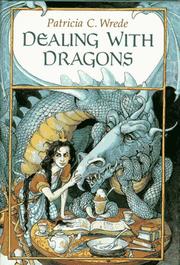
Dealing with Dragons
A princess who hates embroidery runs away to become the cook and librarian for a dragon, then has to outthink wizards, knights, and a plot against the dragon…
2,563-word summary · 11 min read
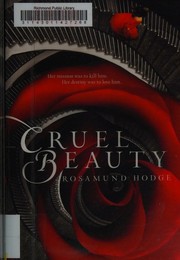
Cruel Beauty
A girl raised to kill the demon prince who rules her cursed land instead falls in love with him, in a retelling that mixes Beauty and the Beast with Bluebeard…
2,669-word summary · 12 min read

The Golem's Eye
Two years after The Amulet of Samarkand, Nathaniel is a rising bureaucrat, Bartimaeus is his unwilling servant again, and something made of clay is tearing…
2,299-word summary · 10 min read
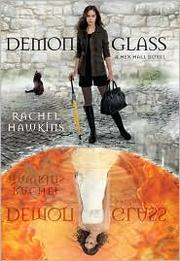
Demonglass
Sophie Mercer spends the summer at the Council's English estate, where two new demons, a suspicious host, and Archer's return complicate her plan to remove her…
2,771-word summary · 12 min read

Born at Midnight
Kylie Galen is sent to a camp for troubled teens and discovers it is a haven for vampires, werewolves, and witches, and that she may be something stranger…
2,310-word summary · 10 min read
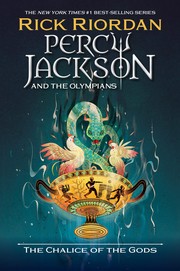
The Chalice of the Gods
Percy needs three recommendation letters from three gods to apply to college, so his first quest is recovering a stolen chalice from the god of old age.
2,106-word summary · 9 min read
The Ship of the Dead
Magnus and his crew sail to the edges of the Norse worlds to stop Loki from launching Naglfar, the ship of the dead.
2,426-word summary · 11 min read

The Rose & the Dagger
Shahrzad is pulled from her Caliph husband and left in a desert camp of rebels, needing to break his curse and end a war before it ends her.
2,520-word summary · 11 min read