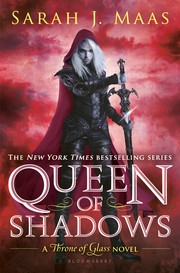
Queen of Shadows
4,447-word summary 20 min read 648 pages in the book
- First published
- 2015
- Publisher
- Bloomsbury
- Pages
- 648
- ISBN
- 9781619630642
- Series
- Throne of Glass (#4)
Reading options
What's inside (8 sections)
I picked up Queen of Shadows because Heir of Fire left me wrung out. Aelin had finally said her name, Dorian had lost Sorscha in the most brutal way, Chaol had sent Aedion north in chains, and Manon had looked at her wyvern and started to doubt everything she was raised to believe. This is book four in the Throne of Glass series, published in 2015 by Bloomsbury, and it runs 648 pages in the hardback. I read it in three big sittings with tea going cold beside me. It is messy, crowded, violent, romantic, and very hard to put down.
Celaena Sardothien is gone in the way that matters. She walks back into Rifthold calling herself Aelin Ashryver Galathynius, heir of Terrasen, and she means it this time. She has fire in her blood, scars on her back from Endovier and Mistward, and a debt list in her head. To free magic. To save Dorian. To settle with the man who made her a killer as a child. She comes home with Rowan Whitethorn at her side and a plan that is only half a plan, which is very Aelin.
If you have not read the first three books, stop here and go back. Throne of Glass sets the contest, Crown of Midnight breaks Nehemia and Celaena apart, Heir of Fire trains Aelin with the Fae and introduces Manon and Sorscha and the wyrdkeys. Queen of Shadows assumes you know all that. This retelling covers the whole book, so every major turn is below.
Return to Rifthold
Aelin and Rowan slip into Rifthold quietly. The city smells of coal smoke, river mud, and hot sugar from street stalls. The glass castle still shines above the slums. The king still sits his throne with cold eyes. Magic is still banned, though it leaks through stone and blood.
Aelin goes first to the Assassin Keep, the dark house where Arobynn Hamel raised her. Arobynn is waiting with wine and smiles. He is lean, silver tongued, and fond of saying she is his girl long after she stopped being a girl. He kept her rooms ready. He kept her debts ready too. He tells her she owes him for years of training, food, and protection. He shows her papers and smiles while Rowan stands in shadow with his hand near his blade.
Their reunion is awful in a way I liked. Aelin wants to kill him on sight. She also remembers being eight and starving and him giving her soup and books and a bed. Maas lets both truths sit in the room. Arobynn offers a deal. If Aelin resumes work for him, he will help free the captives she cares about. If she refuses, he will sell what he knows to the king. Rowan wants to rip his throat out. Aelin holds him back because she needs time and because Rifthold rewards patience more than rage.
Chaol Westfall is not the boy we met in book one. He walks with a limp in pride more than body. After striking Celaena and sending her away, after watching Dorian hide magic and fall for Sorscha, after choosing his king over his friends again and again, he is hollowed by guilt. He now works with Aedion Ashryver in secret, though Aedion hates him for the chains. Chaol meets Aelin in an alley and the air goes tight. She is fire and fury in a cloak. He is all clipped words and kept hands. He says he is trying to save Dorian. She says trying is late. Neither forgives yet.
Rifthold itself feels watched. Guards wear black rings that mute feeling. People vanish from taverns. Beggars whisper of winged shapes over the roofs at night. Aelin rents rooms under false names, buys news with coin and smiles. She maps guard turns. She visits a merchant friend. She counts wyrdkeys in her head like coins she cannot spend. One was in the king's ring. One is in Dorian's spine where the Valg prince sits. One is lost with Kaltain in Morath. That is the shape of the war.
Rowan stays close and tries to play human. He hates crowds, hates sewers, hates Arobynn on sight. He learns to knock before entering. He learns to drink ale without grimacing. He and Aelin share a bed for warmth and guard sleep, and their bond hums between them, part mate pull, part trained trust from Mistward. They bicker about plans. She wants to bluff and steal and charm. He wants to scout and burn and carry her out. Both are right half the time, which keeps them alive.
The early chapters move fast. Aelin robs Arobynn's vault with Lysandra's help. She frees a group of enslaved people bound for Morath. She leaves Arobynn a note that makes him laugh and rage. I loved this stretch. It reads like the Celaena of old, all wigs and accents and hidden knives, but with Aelin's weight behind it. My only gripe this early is how competent she is. Locks open. Guards turn at the right second. Money appears. It is fun, but the ease removes some bite.
Aelin, Rowan, and Chaol
The heart of the middle is not a battle. It is three damaged people trying to work together after hurting each other.
Aelin Ashryver Galathynius carries more than fire. She carries Sam's death, Nehemia's death, her parents' deaths, Endovier, the salt and the whip. She jokes to keep moving. She buys pastries for Rowan and eats half herself. She braids Lysandra's hair and talks about dresses to steady her hands before a kill. Under that, she is terrified of failing Terrasen again. When she tells Rowan she does not know how to be a queen, it lands because Maas has shown her failing at small kindnesses, snapping at allies, then circling back to apologize without pretty words.
Rowan Whitethorn is my favorite company here. He is three hundred years old, a warrior of Doranelle, bound once to Maeve by blood oath and now to Aelin by something older and chosen. He does not understand human cities, but he understands pain. He cooks plain food over a small fire. He washes Aelin's shirts. He sits with Aedion and listens to war stories without competing. He tells Chaol flatly that guilt without action is vanity. Harsh, but Chaol needs to hear it. Their slow respect, earned through shared watches and sparring, gave me more pleasure than any kiss.
Chaol Westfall gets a hard road and I have mixed feelings about how it is handled. On one hand, his shame is specific. He hit the woman he loved. He obeyed a king he knew was wrong. He sent Aedion, beaten and chained, to be bait. He visits Dorian's rooms and hears his friend scream behind a door he cannot open. He trains with Aedion in a basement and lets Aedion beat him bloody because he thinks pain will balance the books. Aedion tells him pain does not balance anything, only work does. That line stuck with me.
On the other hand, Chaol sulks for a long time. Pages pass where he replays the same regrets while Aelin acts. I get why. Betrayal takes time to face. Still, when every meeting starts with him stiff and ends with him walking away, the rhythm drags. His growth picks up when he stops asking Aelin to pardon him and starts helping without asking for credit. He smuggles messages. He hides Fae fighters. He takes a torture session meant for Aedion and does not cry out. That choice, quiet and physical, did more for me than ten apologies.
The love geometry shifts too. Aelin loved Chaol once and Dorian once in different ways. Now she loves Rowan with clear eyes. Chaol loves Celaena still but learns to love Aelin as a friend and queen, which means letting go. Dorian loves Sorscha dead and cannot love anyone new yet. No one is coy about it. Aelin tells Chaol she forgives the boy he was but cannot return to that love. Chaol hears it and bleeds and accepts. It hurt to read and felt honest. Maas does not punish Chaol by making him unlovable. She lets him be useful and sad and brave at once.
A short scene I keep thinking about: Aelin, Rowan, Chaol, and Aedion sharing a cheap meal in a safe house. Bread, cheese, watery stew. Aedion tells a rude joke about Rifthold nobles. Rowan almost smiles. Chaol laughs before he remembers he is supposed to be grim. Aelin watches them all and looks, for a second, young. Then a knock comes and they are blades again. That ease, brief and stolen, is why the later losses scare me.
Dorian and the Valg Prince
Dorian Havilliard spends much of this book locked inside his own head while something else wears his skin.
At the end of Heir of Fire, his father forced a Valg prince into him after Dorian froze the throne room in grief for Sorscha. Now Dorian sits in the glass castle, blue eyes gone black at times, smiling at cruelties he would have fought. The Valg prince reads his memories for sport. It replays Sorscha's death. It replays his mother pleading. It drinks his magic drop by drop and uses his voice to order arrests.
Maas writes these chapters in close third, slipping between Dorian buried deep and the prince riding him. Dorian builds a mental room of ice and books. He hides Sorscha's handkerchief there. He repeats her name to stay himself. He finds a crack where the prince cannot reach, a memory of Chaol teaching him sword forms as boys, of Celaena lending him a book and stealing his cake. He holds those small lights.
The horror is domestic. The prince hosts dinners. It kisses Kaltain's successor ladies. It tortures Aedion in the cells while Dorian screams without sound. It reports to the king, who knows exactly what lives in his son and feeds it more pain to keep it loyal. The king wears a black ring with a wyrdkey set in it. With that stone he can command Valg and mute magic. He tells the prince to break Dorian slowly, to keep the body useful.
Chaol and Aelin both try to reach him. Chaol visits and talks of old rides and dogs and library fines, hoping the sound of a friend will pull Dorian up. The prince answers with Chaol's secrets to make him flinch. Aelin sends messages through servants and tries to catch Dorian's eyes across courts. Once, during a feast, Dorian's hand shakes over a cup and spills wine. Aelin sees it and knows he is still in there. That spill, tiny and human, hit me harder than any fire blast.
The cure is not a kiss or a speech. It is work and cost. Aelin collects books on the Valg and Wyrdmarks with help from a healer woman and from Dorian's own notes. She learns the prince can be drawn out only if Dorian fights from inside while someone holds his body and magic steady. Rowan offers to hold. Aelin offers her fire as a brand to burn the dark out without burning Dorian. They know it could kill him. They try anyway because leaving him caged is worse.
I will not spoil the exact beat by beat of the freeing, but I will say it is long, painful, and physical. Cold and heat. Teeth and nails. Dorian begs in his own voice for a second, then snarls in another. Chaol holds his legs. Rowan holds his chest. Aelin puts her hands on his face and calls him by stupid old nicknames until he answers. When he does, the relief made my shoulders drop. Dorian wakes raw, thin, and himself, with Sorscha's name on his lips and his magic cracked open. He cannot stand at first. He cries without shame. Chaol cries too.
Fair note: the possession plot leans on suffering to prove love. Dorian is hurt for many chapters so others can feel guilty and brave. Some readers will find that moving. I did, mostly. But there are scenes of torment that go on past need. The text lingers on blood and bone in the cells. I skimmed one session because the detail felt more for shock than for sense. Maas is good at pain with purpose, like Sorscha's death which changed Dorian forever. Here a few strokes feel repeated.
After, Dorian is changed but not cured of grief. His magic is wild, blue and cold, and he fears it. He practices with Rowan in short bursts. He apologizes to Chaol for things the prince said with his mouth. Chaol tells him to save breath for the living. He asks Aelin what Sorscha was to her, a stranger, and Aelin tells truth: a brave girl your father killed, and I will help you remember her by ending him. That promise steadies Dorian more than comfort.
Manon, Elide, and the Ironteeth
Manon Blackbeak was my surprise love in book three and she owns much of this book.
Manon is Wing Leader of the Ironteeth, a witch clan bred for war, with iron teeth and nails, red cloaks, and wyverns for mounts. She is a hundred years old and raised to feel nothing. In Heir of Fire she bonded with Abraxos, a scarred bait beast others mocked, and chose him as her mount. That choice cracked her training. Here the crack widens.
Her grandmother, the High Witch of the Blackbeak clan, orders the Wing Leaders to Morath, where Duke Perrington, who is really the Valg general Erawan in human skin, breeds horrors in pits. Manon leads her Thirteen, her chosen sisters, with Sorrel at her side. They fly over oak woods and snow fields. They land in Morath's stink of oil, blood, and hot iron. Erawan shows them vats where men are joined with Valg demons to make Ilken and other winged soldiers. He shows them wyvern pens stacked tight. He asks the witches to donate teeth and blood to grow more beasts. Manon smiles and agrees while noting exits, numbers, and wind paths.
Elide Lochan enters here and steals every scene she is in. Elide is a young woman of Terrasen, heir of Perranth, with a lame leg from an old injury, dark hair, and a quiet way of watching. She was kept as a servant by her uncle Vernon, who sold her safety for favor with Morath. Vernon gives her to Manon as a tracker and gift, expecting Manon to kill her or use her. Manon keeps her alive out of spite and curiosity.
Elide and Manon should be killer and prey. Instead they become something pricklier and warmer. Elide tells Manon of Terrasen, of Aelin, of rivers and stones. She limps through camps without complaint. She cleans Abraxos's teeth and he lets her, which shocks the Ironteeth. She prays to gods the witches mock. Manon watches her pray and feels envy she cannot name. When Vernon beats Elide for speaking out of turn, Manon stops him with a look that promises death later. The Thirteen start leaving food for Elide. Asterin, the sharp tongued second, braids Elide's hair and teaches her witch curses as jokes.
The Morath chapters are grim and strong. Maas shows the breeding pits without flinching: men chained, black blood, wings torn and reset. Manon sees human mothers caged for experiments and feels sick in a way her training calls weakness. She starts freeing small people in small ways, moving a water cup closer, loosening a chain one link, memorizing names. Erawan watches her too closely. Her grandmother warns her that mercy is treason.
Elide's escape is a highlight. With Manon's quiet help and Kaltain's mad intervention, Elide flees Morath through snow and woods with a wyrdkey stone hidden in her pack and a promise to find Aelin. She has no horse, little food, and a bad leg. She walks anyway. She eats frozen berries. She hides in hollow logs. She repeats names of Terrasen towns like prayers. I rooted for her with my whole chest. In a book of fire throwers and winged killers, a limping girl with sense and grit felt most heroic.
Criticism here is light but real. The Ironteeth lore arrives in lumps. Oaths, clans, teeth rites, mating rites, witch ranks. Manon explains to Elide, Elide asks, Sorrel adds, repeat. I needed the info, but the lessons stall flights. Also, Erawan as a villain talks too much. He monologues about wyrdkeys and gates and old wars while Manon nods. A shorter leash on his speeches would keep dread higher.
Still, Manon's turn lands. When she chooses to spare Elide openly and defy her grandmother in front of the Thirteen, the cost is clear. Ironteeth do not forgive softness. Her sisters will pay with her. She chooses anyway. Abraxos clicks his teeth and leans into her hand. I got chills.
Arobynn, Lysandra, and Aedion
Back in Rifthold, debts come due.
Arobynn Hamel is the most human monster in the book. He took Celaena at eight after her flight from Terrasen, trained her to kill, dressed her in silks, taught her letters and poisons, beat her when she disobeyed, and loved her in a twisted possessive way. He calls her his darling. He keeps Sam's sword. He knows where bodies are buried because he buried some.
Aelin plans to ruin him without becoming him. She uses Lysandra, her old friend and rival from the Guild houses. Lysandra is a courtesan turned shapeshifter, lovely, clever, and tired of being owned. Her gift lets her take other faces and forms, which she hides because Arobynn would sell her. Aelin offers her freedom papers, coin, and a place at her side. Lysandra offers skill, gossip, and nerve. Together they run a con on Arobynn and on the court: false clients, copied ledgers, whispers that his debts are due.
Lysandra shines. She plays a biddable girl for lords and then drops the mask with Aelin to swear like a sailor. She takes the shape of a noblewoman to enter vaults. She takes the shape of Aelin to draw fire. She tells Aelin she is done being looked at and wants to be seen. That line felt true to sex workers I have known, the difference between stare and regard. Her love for Aelin is sisterly and fierce, with no rivalry left. When she offers to die in Aelin's place, I believed her.
Aedion Ashryver, cousin to Aelin, general of Terrasen, fills the soldier slot. He is big, golden, foul mouthed, and loyal to the bone after torture. The king broke his body in the cells and the Valg prince helped. Chaol helped keep him alive. Aelin finds him thin and furious and hugs him until he curses. Their reunion is loud and tearful and very sibling. They drink. They spar. They argue about Terrasen tactics. Aedion wants to march now. Aelin wants to wait until magic is freed. He calls her cautious. She calls him alive, which is why she gets to be cautious for him.
The tension peaks at a dinner that is really a trap. Arobynn invites Aelin to settle accounts. He brings guards with black rings, a Valg handler, and papers that sign Lysandra back to him. He serves good wine and better threats. He tells Aelin he killed Sam to keep her, that he let Endovier take her to teach her, that everything was for her own good. He offers one last deal: marry his power to hers and rule Rifthold's underworld together.
Aelin answers with the long con revealed. Debts called. Allies placed. Lysandra in another face nearby. Rowan on the roof. Aedion in the cellar. Chaol at the door. What follows is bloody and fast. No speeches save one. Aelin tells Arobynn she was a child and he chose to hurt her, and no gift after erases that. He dies badly, afraid at the end, which felt right and sickening. I did not cheer. I sat still. Maas does not let it feel clean. Lysandra weeps after. Aelin holds her and shakes.
This thread is where the book is best and worst. Best because the emotions are specific and earned. Aelin freeing the women Arobynn owned, paying their debts, giving them papers and choices, lands as policy not pose. Worst because the logistics blur. Who knew what when? How did Lysandra copy a vault key while watched? How did Rowan cross a guarded roof in daylight? The answers are hand waves. If you pull threads, knots show. I chose to ride the feeling and forgive the blur, but a reader who wants tight heists may frown.
One more gripe: Aedion flirts with Lysandra in the middle of war planning and it reads broad. He calls her pet names. She rolls eyes and preens. It is charming once. By the fourth joke I wanted someone to throw a boot. The book has enough romance without turning every safe house into a dance hall.
Morath, Wyrdkeys, and What Does Not Quite Work
All threads point to Morath, the dark fort in the north where Erawan builds his army, and to the wyrdkeys that can unmake the world or free it.
Quick lore as the book gives it, in plain terms: long ago the Valg kings were locked beyond a gate with three wyrdkeys made of stone. Whoever holds the keys can open gates, call Valg, and shape magic. The King of Adarlan found one and used it to mute magic for ten years and to breed power. He put one into Dorian to grow a prince. Kaltain, the lady once mocked in court, stole one and was taken to Morath where Erawan torments her into using it. Elide now carries that stone without knowing its full weight. Aelin wants all three to close the gate, free magic, and kill the men who misused them. She knows using them could kill her. She plans to try anyway.
Morath scenes alternate with Rifthold street fights. Witches drill. Ilken shriek in pits. Kaltain, burned and mad, whispers to Elide of fire and queens. Duke Perrington smiles with Erawan's eyes. The King of Adarlan grows thin as the key eats him. Dorian, newly freed, practices cold magic until his nose bleeds. Aelin forges alliances with street gangs, with disloyal guards, with a healer network that hides the hurt. Rowan trains a small band of rebels to fight Valg: aim for neck, burn the black blood, do not breathe the smoke.
The final push in Rifthold is huge. Aelin lures the king's forces into a trap using Lysandra as bait in Aelin's face. Aedion leads rebels through sewers. Chaol opens gates from inside. Rowan drops from roofs with Fae speed. Dorian freezes black rings and shatters them. Manon, disobeying orders, brings the Thirteen and Abraxos screaming down through clouds to tear Ilken from the sky. Elide runs through chaos with her stone and her limp, looking for the queen she has never met.
Magic returns in a rush that made my scalp prickle. Aelin puts on an old ring, speaks Wyrdmarks taught by Nehemia and Rowan, and calls fire down the castle stones. Glass cracks. Chains melt. People gasp as color comes back to air. Dorian adds ice to shape the blast away from innocents. Manon's witches stare because witches remember when the world sang. For pages the city burns clean and bright.
Then cost. Kaltain spends herself to move Elide and the key out of Morath's reach. Aelin spends blood to hold the gate shut for now, not forever. Friends die. A safe house burns. Aedion takes a wound that will scar his smile. Chaol takes a blade meant for Dorian and lives, barely. His legs fail after, and the book does not fix him with a wave. I respect that choice. Pain stays in bodies here.
So what does not quite work, taken whole? Length is first. At 648 pages, Queen of Shadows carries four books' worth of people. Aelin, Rowan, Chaol, Dorian, Manon, Elide, Aedion, Lysandra, Arobynn, Kaltain, Erawan, the king. Each needs scenes. Each gets them, but transitions sag. Morath to Rifthold to safe house to castle to sewers. I flipped back to track who knew about the keys at which hour. A tighter cut of fifty pages, mostly from con logistics and Erawan speeches, would help pace without losing heart.
Second, Aelin rarely loses for long. She is clever, lovely, skilled with blades and fire and words. When she errs, friends absorb the blow. Chaol is crippled. Dorian is hollowed. Lysandra risks death in her face. Aelin weeps and works and wins. I love a competent heroine. I also wanted one plan to fail outright and stay failed, to prove stakes. The book gestures at failure but rescues her each time with a hidden ally. That rescue habit softens dread.
Third, the romance beats crowd the war beats in the last third. Rowan and Aelin steal tender moments while Ilken circle. Aedion and Lysandra trade kisses while guards bleed out downstairs. I like both pairs. Still, when every quiet scene turns toward longing looks, the urgency leaks. One fewer love scene and one more supply scene, food, arrows, bandages, would ground the siege.
None of that stopped me finishing fast or caring hard. The strengths outweigh the drag. Elide walking out of Morath on a bad leg. Manon choosing mercy in front of killers. Dorian whispering Sorscha's name and standing anyway. Lysandra taking Aelin's face to draw knives. Chaol standing in a door with blood on his shirt and refusing to move. Aelin kneeling in ash to free slaves before chasing kings. Those images stay.
I closed the book tired and fond. Rifthold burns. Magic breathes again. The king is broken but Erawan waits north with keys and pits. Aedion lives to tease. Lysandra lives to choose. Elide walks toward Terrasen with a stone that could end worlds. Dorian learns to carry ice without fear. Chaol learns to serve people over crowns. Aelin learns to ask for help and mean it. Rowan stays, which says most.
If you love big found family fights, witches on wyverns, cruel courts, and heroines who pay for wins, read this. If you want lean prose or brutal realism where heroes stay down, this may test your patience. For me, the mix of heist, horror, and heart worked. I will go on to the next book because I need to see Elide meet Aelin face to face and hear what Manon does when her grandmother calls her traitor. That meeting feels owed, and Maas knows it.
FAQ
When was Queen of Shadows published?
It was published in 2015 by Bloomsbury in a 648-page edition. This summary follows that text as book four of Throne of Glass.
Do I need to read the first three books first?
Yes. Read Throne of Glass, Crown of Midnight, then Heir of Fire first, since Aelin's name, Rowan's bond, Dorian's possession, and Manon's turn all build in order.
Who are Manon Blackbeak and Elide Lochan in this book?
Manon Blackbeak is an Ironteeth Wing Leader who spares servant girl Elide Lochan in Morath and helps her flee with a wyrdkey stone, breaking from her clan's orders.
Similar books
More like Queen of Shadows →More from Throne of Glass first, then related titles.

Throne of Glass
Throne of Glass book 1 retold: Celaena out of Endovier, the contest, Dorian, Chaol, and the castle tests.
1,926-word summary · 9 min read

Crown of Midnight
Crown of Midnight, the second Throne of Glass book, follows Celaena as the King's Champion, a faked death, Nehemia's murder, and her return to Endovier.
2,255-word summary · 10 min read

Heir of Fire
Celaena hides in Wendlyn as heir Aelin and trains with Rowan, while Dorian loves healer Sorscha, Chaol doubts his king, and Manon bonds with Abraxos. Full plot…
2,313-word summary · 10 min read

Empire of Storms
Aelin gathers armies and faces Maeve while Elide and Manon flee Morath.
4,466-word summary · 20 min read

Tower of Dawn
Chaol and Nesryn sail to Antica for armies and healing, finding Yrene Towers and Valg darkness instead.
2,054-word summary · 9 min read

Kingdom of Ash
Aelin is chained in a glass coffin while her court fights Erawan's darkness across every front of the war.
2,078-word summary · 9 min read