
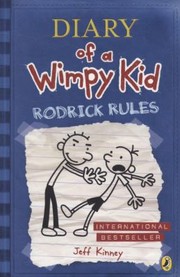
Rodrick Rules
2,971-word summary 13 min read 224 pages in the book
- First published
- 2008
- Publisher
- Puffin Books
- Pages
- 224
- ISBN
- 9780141324913
- Series
- Diary of a Wimpy Kid (#2)
Reading options
What's inside (9 sections)
I read Rodrick Rules out loud to a seven year old who claims to hate reading, and by page twenty he was stealing the book to check the pictures ahead. That tells you most of what matters about this one. Jeff Kinney published it with Puffin Books in 2008, a 224 page illustrated diary novel, the second book in the Diary of a Wimpy Kid series after the 2007 opener. Greg Heffley is back for another school year, still scheming, still blaming everyone else, still drawing his life in goofy cartoons. The hook this time is his older brother Rodrick, a drummer, a tormentor, and, for a few pages at the end, almost a friend.
The premise is simple on purpose. Summer is over. Greg spent it trying to avoid embarrassment and collecting secrets he wants buried. The biggest secret involves Rodrick and a party while their parents were away. Greg knows part of what happened. Rodrick knows Greg knows. Their mom keeps a diary of her own and keeps pushing family togetherness. Their dad wants order. Rowley Jefferson, Greg sweet best friend, is nearby as always, ready to be used and forgiven. School starts. The band practices. The talent show looms. The secret ticks like a timer. If you have a sibling, you already feel the dread.
What surprised me rereading as an adult is how much story Kinney squeezes from small humiliations. Nothing explodes. Nobody saves the world. A boy lies about summer, fights with his brother, embarrasses himself at school, and learns about half a lesson. That is the whole book. Kids adore it because it feels true. Adults who stick with it notice the craft underneath, the pacing and the pictures and the way Greg lies to the reader without quite knowing he is lying.
A summer Greg wants to forget
The book opens with Greg insisting this will be a fresh start and then immediately showing why he needs one. Summer went badly in the specific way summers go badly when you are eleven and make bad choices with too much free time. Greg spent a lot of it indoors, playing video games, avoiding Rowley after a falling out, and getting dragged into Rodrick orbit. The exact low point hangs over the first chapters without full explanation. Greg will not write it down clearly. He hints. He dodges. He changes the subject to complain about his mom journaling project or his dad chores.
The secret, as it comes out in pieces, involves the parents leaving the boys home and Rodrick taking advantage. Rodrick throws a party he should not have thrown. Greg gets pulled into the edges of it, sees things he should not have seen, and ends up with knowledge that could get them both grounded for life. Rodrick warns him to keep quiet. Greg agrees because he is scared, but also because he likes having something on his brother for once. Their deal is classic sibling cold war. I will not tell if you leave me alone. Neither of them trusts the other to keep it.
Kinney tells this through short diary entries with dates skipped and cartoons doing half the work. A drawing of Greg hiding under covers says more than a paragraph. A drawing of Rodrick smirking with drumsticks tells you who holds power. The pictures are not decoration, they are the second narrator, showing the truth Greg words try to soften. When Greg writes that summer was fine, the drawing shows him miserable on the couch while Rodrick drums through the wall. Kids catch that gap fast. My read aloud kid kept shouting that Greg was lying. That is the point. You learn to read against Greg, which is a neat trick in a book for eight year olds.
Rowley floats at the edge of these summer memories, and that hurts a little. The boys had a strain after the events of book one, the Cheese Touch fallout and the safety patrol mess. Greg wants Rowley back but will not admit fault. Rowley wants to play but will not chase forever. Their summer has long gaps where they just do not see each other, and Greg fills the space with sulking.
Back to school and back to Rowley
School starts with Greg announcing big plans. He will be popular. He will avoid trouble. He will keep his head down until the party secret blows over. None of this survives contact with middle school. His classes are boring. His teachers are tired. The hallways run on rumors. Rowley is there, cheerful and clueless in a way that both helps and harms. Greg latches back on because Rowley is safe, then gets annoyed that Rowley is not cool enough to help his image. It is selfish and completely believable.
Their friendship strain drives a lot of small scenes. Greg ditches Rowley when cooler kids appear, then comes crawling back when he needs help with homework or a sleepover alibi. Rowley forgives too fast, which frustrates Greg and the reader in different ways. One afternoon they argue over something small, a game or a joke taken wrong, and Greg writes it up as Rowley fault with total confidence. The drawing shows Greg smirking and Rowley hurt. Again the pictures tell on him. I found myself pausing during the read aloud to ask whose fault it really was. The kid got it right every time. Greg. Always Greg.
The school year also brings the usual Heffley pressure from home. Mom, Susan in the series, pushes her togetherness projects. She wants the boys to bond. She starts a journal about the family and offers Greg money for entries, which Greg treats as paid labor to be faked as fast as possible. Dad, Frank, wants less noise and more discipline, especially from Rodrick. Manny, the little brother, pops in to tattle and demand and ruin Greg plans by existing loudly. The house feels crowded and loud in the best cartoon way. Every entry ends with someone yelling down the hall.
What keeps this section moving is not plot but recognition. Kinney nails the texture of school, the seating charts and locker lines and group projects where nobody does the work. Greg tries shortcuts. He copies. He blames. The humor is broad and a little gross, but it comes from character rather than shock. Parents reading along will survive.
Rodrick and Loaded Diper
Rodrick dominates the house the way older brothers do, by noise. His band Loaded Diper practices in the basement at full volume, playing loud rock with lyrics Greg finds both thrilling and embarrassing. The band name itself, misspelled on purpose, gets a huge laugh every time it appears in the drawings on a crooked banner. The members slouch. The drummer, Rodrick, takes himself very seriously. Greg describes rehearsals as torture, but you can tell he is also a little in awe. Rodrick has a thing. Greg has schemes that fail.
Their daily war is the heart of the book. Rodrick wakes Greg by banging drums. Greg retaliates by messing with Rodrick stuff and lying about it. Rodrick locks Greg out. Greg tattles, then begs Rodrick not to tell Mom about his own mess. Mom tries to force bonding with family game nights and photo albums. Dad threatens to cancel everything if grades slip. Nobody changes. Everyone persists. It reads like every sibling house I have known, turned up two notches for comedy.
Kinney is careful not to make Rodrick a monster. He is lazy and loud and mean in the casual way teenagers are mean to younger brothers, but he has lines he will not cross and moments of accidental care. He warns Greg about a teacher. He covers for him once when Dad is angry, then immediately demands payment in chores. He teaches Greg a drum fill with real patience for about ninety seconds before getting bored and insulting him. Those flashes matter because they set up the end. If Rodrick were only a bully, the closing pages would not land. Because he is a whole person, busy and insecure and hungry for his band to matter, his rare kindness hits harder than Mom speeches.
The band also gives Kinney his best visual jokes. Drawings of the basement show shaking walls, neighbors covering ears, and Dad standing in the doorway. During one practice Greg tries to study upstairs and the words wobble on the page. My kid laughed so hard he fell off the couch.
Mom money and the diary
The mom journal thread sounds minor and ends up structuring a lot of the middle. Susan Heffley wants her sons to write honestly about family life, and she offers cash to get them going. Greg hears money and produces pages of fake sweetness as fast as he can. He writes about cherishing his brother and treasuring quiet evenings. The drawings show him scowling at the table while Rodrick kicks him under it. It is a perfect satire of school style reflection tasks, and teachers reading this will wince with recognition. Pay kids for sincerity and you get excellent fiction.
The joke has a sharper edge too. Greg resents being asked to perform closeness he does not feel, especially with Rodrick holding the party secret over him. Every sweet sentence feels like a lie, because it is. He starts avoiding the journal, then lying bigger, then getting caught in small inconsistencies Mom notices with mild disappointment that stings more than yelling. Susan is not strict in this book so much as relentlessly hopeful. She believes her boys love each other deep down. Greg finds that hope embarrassing. Readers see she is mostly right, which makes Greg cringing both funny and a little sad.
Greg also chases cash for games and snacks, trying odd jobs and charging Rowley for favors, but each plan collapses within pages. The throughline is not greed so much as powerlessness. Greg has no control over Rodrick, over teachers, over rumors, so he chases the one thing that promises choice. Kinney never lectures about this. He just lets Greg fail until the reader sees the pattern. Wanting money is normal. Using people to get it costs more than it pays.
I liked how this section shows Greg voice at its most unreliable. He presents himself as a put upon employee, forced to write feelings for pennies. The pictures show a boy who actually has feelings but will not admit them. Kids may not name unreliability, but they feel it.
The talent show
The talent show is the set piece everyone remembers, and it earns its fame. The school announces auditions. Greg panics because he has no talent that plays on stage. Rowley has earnest enthusiasm and no shame, a dangerous combination. Left to himself Greg would hide in the audience and mock everyone. With Rowley pulling him in and Mom pushing participation, he agrees to a magic act with Rowley as his assistant. The planning pages are comedy gold. Greg practices tricks he barely understands. Rowley suggests capes. The drawings show rabbits, hats, and cards flying in wrong directions.
Rehearsals go as well as you expect. Greg bosses. Rowley beams. Tricks fail. One rehearsal ends with props broken and both boys blaming each other in dialogue that sounds exactly like real kids backstage. Greg writes it as Rowley incompetence. The pictures show Greg reading instructions upside down. On stage, nerves take over. Lights glare. The audience rustles. Rowley waves too much. Greg rushes. The act wobbles between cute and disastrous, and the crowd responds with that loud kid laughter that can sound like joy or cruelty depending where you sit. Kinney keeps it on the right side. The boys bomb a little, survive, and walk off closer than they walked on.
Why does this work so well for reading aloud. Because every beat is visual and short. A trick setup on one page, a failed payoff on the next. You can do voices. You can pause before the reveal. My listener covered his eyes during the big trick, then peeked through fingers, then demanded a reread. The scene also resets Greg and Rowley without a speech. They do not apologize in paragraphs. They share a backstage snack and move on.
Behind the comedy the talent show raises the stakes for the secret. Rodrick band wants a shot too, or at least attention, and the school setting puts brothers in the same building where rumors travel fast. Greg spends the show half focused on magic and half scanning for anyone who heard about the summer party. That split attention fuels his mistakes on stage. He is not only nervous about tricks. He is nervous about exposure. The reader feels both fears at once, which gives a silly scene surprising tension. When the act ends without the secret dropping, the relief is real. It will not last.
Photos tell and parents act
Secrets in Wimpy Kid books always surface through kid technology, notes passed wrong or photos shared too widely, and here it is pictures. Someone has photos from the summer party, the kind of blurry living room shots with too many cups and Rodrick mid drum solo and Greg caught at the edge looking guilty. The photos circulate. Classmates ask questions. Rowley sees one and asks innocently, which is worse than teasing. Greg tries to laugh it off, then lies, then lies about lying. Rodrick, hearing the talk, turns cold. Their cold war heats up at home with slammed doors and stolen desserts and diary entries full of capital letters.
When the parents finally see or hear enough, the punishment lands with satisfying parental logic. Both boys lose freedom. Both get extra chores. Both have to face the disappointed talks, Mom sad hope and Dad flat anger, which Greg hates more than shouting. What stings Greg most is not the grounding but that Rowley knows he lied for months. Rowley does not make a big speech. He just goes quiet in that Rowley way, polite and distant, and Greg has to sit with it through several short entries where he complains about everything else. The pictures show him alone on his bed staring at the ceiling. For once the joke drops. He messed up.
I appreciated that Kinney does not let Greg wriggle out with one clever line. He has to do boring repair. He apologizes badly, then better. He takes a chore meant for Rodrick without announcing it. He tells Mom a true thing in the journal without being paid for it. None of this erases the party or the lies. It just proves he can be straight when it costs him. Rodrick, facing his own trouble, responds in kind for about a page and a half. He stops tormenting Greg for an evening. He admits the party was his idea and says so to their parents, which costs him more grounding. He lets Greg sit in on a band practice without making him the joke.
The brothers bond at the end is not a transformation. Nobody cries into anyone shoulder. They watch television side by side without fighting. They laugh at the same stupid commercial. Rodrick shows Greg a simple beat on a practice pad. Greg is terrible and they both know it. Then Rodrick does not mock him, which feels huge. Family here means tolerating the same noise together, and that tolerance has to be relearned weekly. The book closes with Greg still selfish but a little less alone with it, smiling in spite of himself.
What drags and why kids still love it
Fair criticism belongs here because adults buy most copies. Greg is often a bad friend. He uses Rowley, lies to his mom for money, dodges blame, and narrates it all with pride. Some parents will flinch, especially during the stretches where his schemes work just enough to encourage him. The gross jokes pile up too, bodily functions and locker room smells and moldy snacks drawn in loving detail. If your household hates that humor, this book will test you. The plot is also thin by adult standards. Summer secret, school episodes, talent show, photos, punishment. That is the shape. No twist, no villain, no big reveal beyond what the cover promises.
Yet those limits are also the engine. Kids love Greg because he is not a lesson. He is a peer who thinks the bad thought and sometimes says it, then faces the exact consequence a kid fears. Grounded. Embarrassed. Caught by photos. They love the art because it respects their reading level without talking down. Big print, short entries, a joke on every spread, cliffhangers that fit attention spans. They love Rowley because he is kind without being perfect, and Rodrick because every younger sibling knows a Rodrick who drums too loud and gets away with too much until he does not. My read aloud kid did not want morals. He wanted the basement band and the magic act and the party photos. He got them, and he got a small model of repair tucked inside the noise.
For reading aloud, let the pictures lead and do voices for Rodrick, low and bored, and Rowley, bright and literal. Stop before the photo reveal and ask what Greg should do. Most kids will say tell the truth and then laugh when he does not.
I closed Rodrick Rules thinking about how rare it is for a second book to deepen a series without changing its formula. Kinney keeps the diary shape, the school year frame, and the family cast, and simply turns up Rodrick volume while letting Greg fail a little more honestly. For the kid who stole my copy to peek at the talent show pictures, this was the right book at the right volume, drums and all.
FAQ
Is Rodrick Rules part of a series?
Yes. It is book two in the Diary of a Wimpy Kid series, following the 2007 opener. It was published by Puffin Books in 2008.
Who are the main characters?
Greg Heffley, who narrates, his older brother Rodrick of the band Loaded Diper, and his best friend Rowley Jefferson. Their parents drive much of the trouble and the punishment.
What happens at the talent show?
Greg performs a shaky magic act with Rowley as his assistant while nerves and rumors distract him. The act wobbles but the boys walk off closer than they walked on.
Similar books
More from Diary of a Wimpy Kid first, then related titles.
Diary of a Wimpy Kid
Greg Heffley records middle school survival in his journal, dodging the Cheese Touch and Rowley's popularity.
1,912-word summary · 8 min read
The Last Straw
Frank wants Greg toughened through sports while Greg dodges everything and military school looms.
2,020-word summary · 9 min read
Dog Days
Greg wastes summer perfectly through pools, dogs and dad fishing trips.
2,127-word summary · 9 min read
The Ugly Truth
Greg faces puberty, a school lock-in and Uncle Gary's wedding while Mom returns to college in Wimpy Kid book five.
2,766-word summary · 12 min read
Cabin Fever
Greg Heffley gets snowed in with his family before Christmas while dodging blame for school property damage.
2,221-word summary · 10 min read
The Third Wheel
Greg tries to find a date for the Valentine's dance, ends up the third wheel in his own plan, and watches Rowley get the girl.
2,019-word summary · 9 min read

Hard Luck
Rowley has a girlfriend, so Greg turns to a Magic 8 Ball, a family Easter hunt and the school yearbook for answers.
2,586-word summary · 11 min read
George's Marvellous Medicine
George stirs a brew of dozens of household chemicals and gives it to his grumpy grandmother, and the medicine works far better than anyone planned.
2,014-word summary · 9 min read
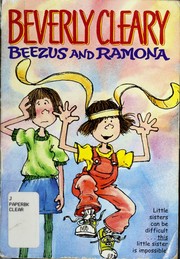
Beezus and Ramona
Nine year old Beezus tries to be a good older sister while four year old Ramona turns every ordinary day into a disaster, until a tenth birthday forces honesty.
2,062-word summary · 9 min read
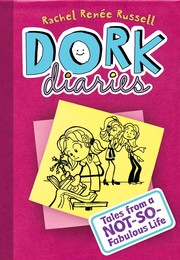
Tales from a Not-So-Fabulous Life
Nikki starts private school and writes mean-girl survival in her diary.
2,587-word summary · 11 min read
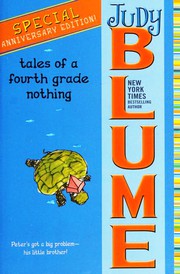
Tales of a Fourth Grade Nothing
Nine-year-old Peter Hatcher tries to get through fourth grade while his toddler brother Fudge steals every scene.
2,469-word summary · 11 min read
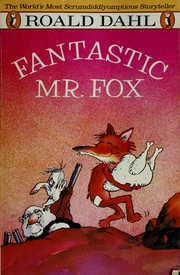
Fantastic Mr. Fox
Mr. Fox raids three cruel farmers to feed his family, then outdigs tractors and a siege to host a feast underground.
2,910-word summary · 13 min read
Falling Up
Poems about falling up, messes that win and tender goodbyes in between.
2,055-word summary · 9 min read
If You Give a Mouse a Cookie
A mouse gets a cookie and turns one small favor into a whole busy day.
2,560-word summary · 11 min read
A Light in the Attic
Silverstein's attic poems and line drawings turn chores, monsters, and homework into jokes and small rebellions.
2,998-word summary · 13 min read
Matilda
Brilliant Matilda Wormwood teaches herself to read, faces her crooked parents and the fearsome Miss Trunchbull, and finds Miss Honey.
2,296-word summary · 10 min read

Make Way for Ducklings
A pair of mallards raise eight ducklings on the Charles River and lead them across Boston to the Public Garden, with a little help from a friendly policeman.
2,044-word summary · 9 min read

Little Town on the Prairie
In the spring after the Long Winter, fifteen-year-old Laura sews shirts, studies for a teaching certificate, and helps send her blind sister Mary to college.
2,071-word summary · 9 min read

Amelia Bedelia
A literal-minded housekeeper follows her employer's list to disastrous and funny effect in the 1963 picture book that made wordplay a children's staple.
2,038-word summary · 9 min read
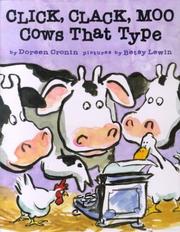
Click, Clack, Moo: Cows That Type
Cows learn to type, demand electric blankets, and go on strike in a deadpan picture book about negotiation and withheld labor.
2,617-word summary · 12 min read
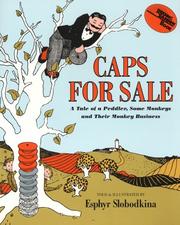
Caps for Sale
A peddler balances his caps on his head, naps under a tree, and wakes to find monkeys wearing his stock in this 1940 picture book.
2,787-word summary · 12 min read

Act Your Age, Eve Brown
Eve Brown crashes into a Lake District bed and breakfast, breaks the owner's arm, and talks her way into his kitchen. A grumpy-sunshine romance about work,…
2,474-word summary · 11 min read
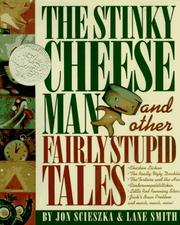
The Stinky Cheese Man and Other Fairly Stupid Tales
Scieszka and Lane Smith take nine fairy tales apart, joke by joke, while Jack, the narrator, keeps losing the pages.
2,206-word summary · 10 min read

2 States: The Story of My Marriage
A Punjabi boy from Delhi and a Tamil Brahmin girl from Chennai meet at IIM Ahmedabad, and turn a love marriage into a campaign to convince two families.
2,634-word summary · 12 min read
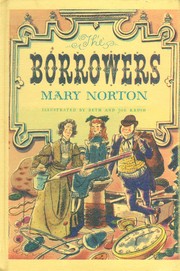
The Borrowers
A family of tiny people live under the floorboards of an English house, borrowing what they need until a lonely boy and a suspicious housekeeper change…
2,164-word summary · 10 min read
Sideways Stories from Wayside School
Thirty stories, one class per floor, and a teacher who turns students into apples: Louis Sachar's absurd school classic.
2,045-word summary · 9 min read
Don't Let the Pigeon Drive the Bus!
A bus driver leaves the reader in charge with one rule, and a very persuasive pigeon spends the rest of the book trying to break it.
2,084-word summary · 9 min read
The War That Saved My Life
Ten-year-old Ada has never left her London flat, hidden away because of her clubfoot. Wartime evacuation sends her to Kent, where a reluctant guardian and a…
2,252-word summary · 10 min read
The Stonekeeper
After their father's death, Emily and Navin chase a monster into a hidden world to save their mother, and Emily's great-grandfather's amulet offers power at a…
2,753-word summary · 12 min read
Dial A for Aunties
A wedding photographer accidentally kills her blind date, and her mother and three aunties help her hide the body during the biggest wedding of their careers.
2,076-word summary · 9 min read