
Reading options
What's inside (8 sections)
I came back to this one because my copy is beat up and short enough to read in one sitting. First published in 1970 by Alfred A. Knopf in a 96 page edition, it is the kind of book adults finish in an hour and kids remember for years. I remembered the farmers and the digging and the feast, but I had forgotten how much of the story is just waiting, hunger, and stubbornness.
Mr. Fox lives in a hole in the bank of a hill with Mrs. Fox and their four Small Foxes. Down in the valley are three farms in a row. That setup matters because the whole plot runs on it. The fox family is up on the hill. The food is down below. Every night Mr. Fox slips down and takes what he needs.
If you have a kid who likes animal stories where the animal wins, this one starts fast and stays close to the ground. Literally close. Most of it happens in tunnels.
Boggis and Bunce and Bean
Dahl introduces the three farmers the way kids remember villains, through their bodies and their dinners.
Boggis keeps chickens. He is enormously fat. He eats boiled chicken smothered in fat for breakfast, lunch, and supper, and his whole face seems padded from it. Bunce keeps ducks and geese. He is short and round with a pot belly, and his temper is foul. He eats doughnuts stuffed with goose liver for meals and talks as if everyone annoys him. Bean keeps turkeys and grows apples, and he makes cider. He is thin as a pencil, clever in a cold way, and drinks cider by the gallon instead of eating much at all.
Kids in the area sing a rude little song about one fat, one short, one lean, and three men equally mean. Dahl does not soften them. They are greedy, rude to children, rude to each other, and proud of it. There is no sad backstory. They own big farms, they have plenty, and they hate anything that takes from them.
Mr. Fox, by contrast, is handsome and quick and polite in his own fox way. He has a fine tail that he is vain about. Mrs. Fox is warm and watchful and tired in the way parents get when they keep asking a partner to be careful. The four Small Foxes are hungry, playful, and completely loyal to their father.
The nightly raids are simple at first. From Boggis, a plump chicken carried home in the dark. From Bunce, a duck or a goose. From Bean, a turkey and maybe apples for the children. Mr. Fox is neat about it. He does not kill for sport. He feeds his family. Mrs. Fox worries out loud that the farmers will catch him one day. He laughs it off. He thinks he is too smart to be caught.
That confidence is the engine for everything after. He has outwitted them for years, so when they finally set a trap, he walks into it.
The Evening They Try to Shoot Him
The farmers get tired of losing stock. They agree to act together, which is rare for them, and they pick the fox hole on the hill and wait.
Bean has the plan. He knows Mr. Fox comes out around dusk when the light goes soft. The three men hide behind trees near the hole with guns ready. They sit still a long time. When Mr. Fox's nose and then his head come out, they fire together.
They miss the kill but they hit the tail. The shot rips it clean off. Mr. Fox screams and drags himself back underground, bleeding and shaking. The Small Foxes cry when they see him. Mrs. Fox holds them and tries to stop the bleeding. Up above, the farmers run to the hole and stare into the dark, furious that the fox got away.
I will admit this scene shocked me as a kid and still reads rough. It is quick, loud, and painful. Dahl does not linger on gore, but losing the tail matters to Mr. Fox. It is part of how he sees himself. He goes from vain and quick to wounded and scared in about a minute.
Bean refuses to leave. He says they will dig him out. Boggis and Bunce agree, and that decision turns a shooting into a siege.
First they try shovels. They dig at the hill over the hole, throwing earth everywhere, getting deeper and wider. The foxes hear the scraping above and dig down faster, paws moving, dirt flying behind them. Mrs. Fox keeps the children moving. Mr. Fox, hurt as he is, digs with them.
When shovels fail, the farmers bring machines. Two huge tractors with mechanical diggers on the back roll up, and drivers start tearing at the hill. Trees come down. Roots snap. Great scoops of soil pile up. From the surface it looks like a construction site. From below it sounds like thunder that will not stop.
Dahl writes this part with a lot of noise and dust. Men shout. Engines roar. The hill shrinks. And still the foxes stay ahead, digging narrow tunnels that the big machines keep missing. By evening the hill is half gone and the farmers have nothing to show except mud and a broken landscape.
Bean then says they will starve him out. They pitch tents by the ruined hole. They bring camp beds, food, cooking pots, and guns. Farm workers are ordered to stand watch in shifts with orders to shoot anything that moves. The farmers settle in to wait for the foxes to get hungry enough to run.
Hunger and the Plan
Underground, hunger arrives fast.
The foxes are used to eating each night. Now they cannot leave. Mrs. Fox tries to keep the Small Foxes calm. She tells them their father will think of something. She believes it about half the time. Mr. Fox lies still at first, sore and sorry for himself, and that stillness is unusual for him. He is a doer. Being trapped makes him restless and quiet in a way that scares the children more than the tractors did.
Badger comes into the story here, and I am glad he does, because we need another adult voice. Badger lives in a nearby part of the hill with his own family. His tunnel connects toward the fox hole, and when the digging starts he comes to see what is happening. He is decent, gruff, and practical. He likes Mr. Fox but he is not blind about him. He says, more or less, that stealing chickens every night was bound to bring trouble. Mr. Fox answers that they have to eat, and Badger cannot argue with an empty stomach.
Mole and Rabbit and Weasel live close by too, with wives and crowds of children. They are smaller, less sure, easier to panic. When food runs out for them as well, they come to Mr. Fox because he is the one with a reputation for schemes.
Mr. Fox asks for trust and for paws. He says he has a plan that needs digging, not fighting. He cannot walk well yet, but he can think, and he knows the valley farms better than any animal alive. He has studied Boggis and Bunce and Bean for years. He knows where they keep things.
Badger agrees to dig. He is bigger and strong, and he knows soil. The Small Foxes want to help. Mrs. Fox worries about taking them toward danger, then sees there is no safe choice left. Starve where they are, or dig toward food.
They start with Bean in mind, though none of them say it as revenge. It is practical. Bean's place holds the most kinds of food in one area. But Mr. Fox aims first at Boggis, because chickens are close and his family needs meat fast.
The digging scenes carry the middle of the book. Dahl slows down here. He describes paws, breathing in tight spaces, dirt in eyes, whispered directions, the worry of going wrong and coming up under open sky with a gun waiting. The Small Foxes learn to pass soil back. Badger corrects their angle. Mr. Fox pictures the farm buildings above from memory and counts paces. It feels like work, not magic, and that makes it easy to believe.
Chickens, Ducks, and Cider
The first tunnel breaks into Boggis's chicken house number one, right under the floor. Above them, rows of hens sit sleeping. The air smells of feathers and grain. Mr. Fox and Badger and the Small Foxes come up quiet, grab three plump chickens, and slip back down without waking the birds or the farm dog. It is clean and quick, and the relief in the tunnel on the way back is physical. Food at last.
Mrs. Fox wrings necks, plucks, and gets meat ready while the diggers rest and eat a little raw to keep going. Nobody complains about the cooking wait. The smell alone steadies the children.
Then they turn the tunnel toward Bunce. His storehouse holds ducks and geese, hung in rows, plus vegetables stored for winter. The party takes what they can carry, ducks and geese and carrots and other roots, working fast and silent. A farmhand snores nearby at one point, or so it seems from the creaks above, and they freeze until the sound settles. Badger, who started the day scolding Mr. Fox for theft, now carries a goose with complete commitment. Hunger changes principles.
The third run is the famous one. They tunnel to Bean's secret cider cellar, a stone room under his farmhouse where great jars of cider stand in rows. Bean is proud of that cider and stingy with it. Mr. Fox drinks a gulp straight from a jar to test it, coughs, grins, and fills skins and jars to carry back. He also takes turkeys and apples on the way, because Bean's turkeys are fat and his apples store well.
On the return trip they pass close under Bean's own kitchen. They can hear boots and voices. The farmers are still camped on the hill, cold and cross, sending men back for more food and drink while they wait for foxes who are, at that exact moment, stealing dinner from under their houses. That overlap is the joke Dahl clearly loves most, and he lets it sit without explaining too hard.
By the time they climb back into the fox hole, the tunnels behind them hold enough for a meal and plenty after. Mrs. Fox looks at the pile of chickens and ducks and vegetables and cider and shakes her head. Pride and worry mix. Her husband is hurt, half starved, tail gone, and he just robbed all three farmers in one night.
The Feast and the New Village
Mrs. Fox cooks what can be cooked in a hole with no stove worth naming. Dahl keeps the details simple and homey. Plucked birds roasted over a small fire vented through cracks. Vegetables boiled or baked in skins. Bread? No bread yet, but apples sliced for the children. Cider poured careful, mostly for the grown ups, with small sips for the young ones that make them giggle and cough.
Then Mr. Fox does the thing that lifts the book from clever to kind. He invites everyone.
Badger and Mrs. Badger and their cubs. Mole and Mrs. Mole and crowds of little moles. Rabbit and Mrs. Rabbit and hordes of bunnies. Weasel and Mrs. Weasel and their kits. They crowd into the widened tunnels around the fox hole, sitting on earth floors, passing meat, reaching for apples, drinking to health. The Small Foxes, who were crying a day earlier, now show off the tunnels they helped dig. Mrs. Fox serves and scolds and makes sure the smallest get fed first.
Mr. Fox stands to speak, tail stump and all, and makes promises. He says they will never go back to scratching alone on the surface while farmers wait with guns. They will build a village underground, with streets and houses for each family, connected by the tunnels they just dug. He will act as provider. Each day he and Badger and the young ones will run the secret routes to the three farms and bring back food. Nobody will go hungry if they work together and keep quiet.
The animals cheer. Badger nods like a foreman approving plans. Even Mole, who is nervous by nature, agrees that a warm tunnel beats a cold field with Bean watching.
Dahl ends it clean. Above ground, Boggis and Bunce and Bean are still camped by the hole in the rain, waiting for foxes who will never come out. Their men grumble. Their food runs low. Their tents leak. Below, lamps glow in the new tunnels and the smell of roast chicken drifts through the earth. The last image is of waiting fools and fed families, and Dahl leaves it there without softening the farmers or forgiving them.
For kids, that ending lands as pure win. The bullies lose. The hungry eat. For adults, there is a harder edge if you look for it. Mr. Fox never says sorry. He plans to steal for life and calls it a job. The book wants you to cheer anyway, because the farmers are cruel and the animals were starving. Most of the time I cheer. Sometimes I pause.
Pictures, Film, and the Parts That Drag
Part of why this book sticks is how it has been drawn over the years.
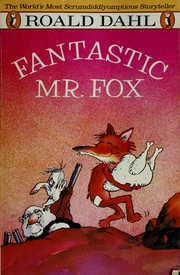
The 1970 original carried pictures by Donald Chaffin, neat ink work that matched the first Knopf printing. The first Puffin paperback in 1974 used Jill Bennett, softer and friendlier for young readers. Later editions brought Tony Ross and then Quentin Blake, whose scratchy, fast lines most kids now link with Dahl. Blake draws Mr. Fox as lean and jaunty even when hurt, the farmers as lumps of spite, and the tunnels as cozy burrows rather than dark traps. If you grew up on Blake, his fox grinning over a stolen chicken probably lives in your head rent free.
The pictures matter here more than in a longer Dahl book because the text is short. A good illustrator fills the gaps between raids, especially underground where Dahl sketches rather than details. When I flip through my copy, the feast spread does half the storytelling. Crowded animals, steam, a fox with no tail holding up cider like a prize.
The 2009 film by Wes Anderson added another layer. Stop motion foxes with human quirks, voices by George Clooney as Mr. Fox and Meryl Streep as Mrs. Fox, plus Bill Murray as Badger and a crowd of familiar comic actors. The film keeps Boggis, Bunce, and Bean and the siege and the tunnels, then widens the story with a son who feels left out, a nephew who talks too much, lawyers and bulldozers, and jokes about divorce and newspapers and real estate. It is drier and more adult than the book, and it invents a lot. Some fans love the extra heart. Some miss the plain hunger logic of the original. I like both but they are different animals. The book takes an hour. The film takes its time and wants you to laugh at midlife worry through fur.
What drags? A little, yes.
The farmers never change, which is the point but also a limit. After the shooting, Boggis and Bunce mostly shout and follow Bean. Bean does the thinking. If you want complex villains, you will not find them. They are appetites with guns.
The middle repeats. Dig, listen, dig, eat a bite, dig again. For very small listeners that rhythm works. Read aloud, it bounces. On the page as an adult, I wanted one more surprise in the tunnels, a wrong turn or a close call that lasted longer.
Mrs. Fox deserves more room. She is sensible, brave, and funny in small flashes, but the book keeps her serving and waiting while the males dig and speechify. The 2009 film noticed and gave her more spine. In the 1970 text she stays mostly inside the hole.
The theft question lingers too. Dahl frames stealing from cruel rich farmers as fair play, in the old folk tale way. Many kids accept it without blinking. As a parent reading aloud, I found myself adding a line or two about real farms and real rules, then returning to the story. The book will not do that work for you.
None of that ruins it. At 96 pages it does exactly what it tries to do. It sets up mean men, hurts its hero just enough to raise fear, then lets brains and neighbors beat guns and machines. The feast still reads as one of the warmest scenes Dahl wrote, up there with the best school dinners and chocolate rooms, except this one is stolen and shared in the dirt, which makes it taste better in the story.
If you are picking an edition, any complete text will do. The Puffin paperbacks with Blake are easy to find and suit ages five to nine for reading aloud, eight to twelve alone. Keep a pencil for the farm map kids always want to draw. Hill on top. Three farms below. Tunnels between. And three tents on a ruined hill where the farmers wait while dinner happens under their feet.
FAQ
When was Fantastic Mr. Fox published and how long is it?
First published in 1970 by Alfred A. Knopf in a 96 page edition. The story follows Mr. Fox from the hill raids to the tunnel feast.
Is Fantastic Mr. Fox part of a series?
No. It is a standalone novel with no series tag, though Wes Anderson released a stop motion film version in 2009.
Is it suitable for young children despite the shooting?
Mostly yes for ages five and up with an adult. The tail shooting is brief, the tone stays comic, and the feast ending reassures.
Similar books
The Twits
Mr. and Mrs. Twit trade vile pranks and torment caged monkeys until the birds and monkeys flip the house on them.
2,864-word summary · 13 min read
Matilda
Brilliant Matilda Wormwood teaches herself to read, faces her crooked parents and the fearsome Miss Trunchbull, and finds Miss Honey.
2,296-word summary · 10 min read

Make Way for Ducklings
A pair of mallards raise eight ducklings on the Charles River and lead them across Boston to the Public Garden, with a little help from a friendly policeman.
2,044-word summary · 9 min read
Caps for Sale
A peddler balances his caps on his head, naps under a tree, and wakes to find monkeys wearing his stock in this 1940 picture book.
2,787-word summary · 12 min read
Curious George
Curious George retold: a monkey sails from Africa to the city, phones the fire station, floats off on balloons, and finds home.
2,979-word summary · 13 min read
Are You My Mother?
A newborn bird falls from the nest and asks a kitten, a hen, a dog, a cow, a plane and a giant Snort if any will be his mother.
2,351-word summary · 10 min read
A Light in the Attic
Silverstein's attic poems and line drawings turn chores, monsters, and homework into jokes and small rebellions.
2,998-word summary · 13 min read
Winnie-the-Pooh
Edward Bear comes downstairs bump-bump-bump and into the Hundred Acre Wood for honey, hunneys, and heffalumps.
2,068-word summary · 9 min read
The House at Pooh Corner
Tigger bounces into the Hundred Acre Wood while Pooh builds Eeyore a house and Piglet does a grand thing.
2,022-word summary · 9 min read
George's Marvellous Medicine
George stirs a brew of dozens of household chemicals and gives it to his grumpy grandmother, and the medicine works far better than anyone planned.
2,014-word summary · 9 min read
The BFG
Orphan Sophie is taken by the Big Friendly Giant, who blows happy dreams and eats vile snozzcumbers, and helps her stop nine man eating giants.
2,812-word summary · 12 min read
James and the Giant Peach
Lonely James escapes two cruel aunts inside a giant peach with huge insect friends, rolling to the sea and floating on gulls to New York City.
2,384-word summary · 11 min read
Charlie and the Chocolate Factory
Poor Charlie Bucket finds a golden ticket to tour Wonka's factory with four spoiled kids.
3,574-word summary · 16 min read

Little Town on the Prairie
In the spring after the Long Winter, fifteen-year-old Laura sews shirts, studies for a teaching certificate, and helps send her blind sister Mary to college.
2,071-word summary · 9 min read

Amelia Bedelia
A literal-minded housekeeper follows her employer's list to disastrous and funny effect in the 1963 picture book that made wordplay a children's staple.
2,038-word summary · 9 min read

Hard Luck
Rowley has a girlfriend, so Greg turns to a Magic 8 Ball, a family Easter hunt and the school yearbook for answers.
2,586-word summary · 11 min read
The Mitten
Jan Brett retells a Ukrainian folktale about a boy, a lost white mitten, and the woodland animals that crowd inside until a bear sneezes.
2,609-word summary · 12 min read
Clifford the Big Red Dog
Emily Elizabeth picks the smallest puppy in the litter, loves him as hard as she can, and wakes up to a dog the size of a house.
2,092-word summary · 9 min read
The Story of Ferdinand
A gentle Spanish bull would rather smell flowers than fight, and when he is taken to the bullring he simply sits down among the flowers in the ladies' hats.
2,135-word summary · 9 min read
Click, Clack, Moo: Cows That Type
Cows learn to type, demand electric blankets, and go on strike in a deadpan picture book about negotiation and withheld labor.
2,617-word summary · 12 min read
The Borrowers
A family of tiny people live under the floorboards of an English house, borrowing what they need until a lonely boy and a suspicious housekeeper change…
2,164-word summary · 10 min read
Sideways Stories from Wayside School
Thirty stories, one class per floor, and a teacher who turns students into apples: Louis Sachar's absurd school classic.
2,045-word summary · 9 min read
Beezus and Ramona
Nine year old Beezus tries to be a good older sister while four year old Ramona turns every ordinary day into a disaster, until a tenth birthday forces honesty.
2,062-word summary · 9 min read
Hoot
Roy tracks a shoeless boy to save burrowing owls from a pancake house.
2,290-word summary · 10 min read
Stellaluna
A baby fruit bat falls into a bird nest, learns to perch and eat bugs, then reunites with her mother in Cannon's acclaimed 1993 picture book about difference…
2,486-word summary · 11 min read
The Jungle Book
Mowgli, raised by wolves in the Seeonee Hills, learns the Law from Baloo and Bagheera while Shere Khan circles. Kipling's 1894 story collection.
2,799-word summary · 12 min read
Stuart Little
A two-inch boy in a New York family befriends a canary, loses her, and drives off alone to find her.
2,591-word summary · 12 min read
Roll of Thunder, Hear My Cry
In Depression-era Mississippi, nine-year-old Cassie Logan learns what her Black family's land costs and why they keep it.
2,273-word summary · 10 min read
Cabin Fever
Greg Heffley gets snowed in with his family before Christmas while dodging blame for school property damage.
2,221-word summary · 10 min read
The Ugly Truth
Greg faces puberty, a school lock-in and Uncle Gary's wedding while Mom returns to college in Wimpy Kid book five.
2,766-word summary · 12 min read