
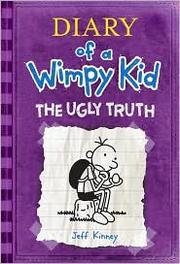
The Ugly Truth
2,766-word summary 12 min read 219 pages in the book
- First published
- 2010
- Publisher
- Amulet Books
- Pages
- 219
- ISBN
- 9780810984912
- Series
- Diary of a Wimpy Kid (#5)
Reading options
What's inside (8 sections)
I picked up The Ugly Truth because my friend's kid announced at lunch that growing up was a scam and then quoted Greg Heffley like a lawyer. Jeff Kinney published it in 2010 with Amulet Books. My reading follows the 219 page hardcover. It is the fifth Wimpy Kid diary, the one where puberty walks into the room and nobody knows where to sit. Greg is still scheming, Rowley is still sweet, and the Heffley house is still one bad morning from collapse.
The setup lands fast. Greg says his friendship with Rowley is basically over after the falling out in Dog Days. He writes it with that flat Greg certainty that never lasts. At home Susan decides to go back to college to stimulate her mind. That leaves Frank in charge of mornings and laundry with Greg and Rodrick helping in the way that makes things worse. Food gets burned. Clean clothes run short. Greg has to wake himself up, which becomes its own small disaster.
Good. That is all you need to start. The rest is consequences.
Mom goes back to school
Susan going back to school flips the house on its head. She used to run the morning routine with lists and reminders. Without her, Frank tries systems that work for about a day. Greg treats responsibility as something to dodge with style. Rodrick drifts through like a guest who pays rent in drum solos. The kitchen scenes made me laugh because they feel true. Cereal for dinner. Pans left to soak until the water looks haunted. Greg digging through laundry piles sniffing shirts and calling them clean enough.
Kinney draws this stretch with small panels of Greg staring at clocks and closets. Greg with his head in the fridge. Frank with his tie half done trying to pack lunches. Susan at a desk while the house texts her about missing socks.
The alarm clock bit is classic Greg. Frank tells him to get himself up, so Greg puts his alarm clock under his bed to hear it better. Then the ticking sounds like a bomb to him at night and he cannot sleep. He lies there listening and picturing things. Morning comes and he is already wrecked. I remember doing stuff like this at his age, solving a problem by making a louder problem.
That tired morning leads to the fire alarm mess at school. Greg fumbles near the alarm before an assembly and sets it off. School closes early because it is flu season and nobody was washing hands anyway. Frank has to leave work to pick Greg up. The shame in those pages is perfect. Greg trying to look innocent while everyone knows. Frank trying not to yell in the parking lot while clearly planning a lecture for home.
Then the Heffleys hire help. Isabella the maid arrives after school to clean and cook. She turns out to be a professional napper. She watches television, eats snacks, and leaves the house mostly as found. Greg finds one of her socks in his own bed and realizes she has been sleeping there during the day. It is gross and funny in the way only Kinney can make gross and funny without pushing too far.
I liked how this part keeps Susan out of the house just enough to show what she normally absorbs. Nobody says thank you until the work stops getting done. Frank does not give a speech about it. He just gets tired. Greg notices only the parts that affect him, which is honest for a kid narrator. Clean shirts matter. Who makes them clean does not, until there are none.
Isabella later invites neighborhood maids over to watch soap operas while Greg is home sick. Susan comes home early, catches them, and fires Isabella on the spot. Greg is thrilled.
Teeth, sleep and the lock-in
The dentist chapters are the most quoted for a reason. Frank takes Greg to a new dentist, Dr. Kagan, after the old one. Dr. Kagan works different. Bright. Chatty. Hands everywhere. Greg gets nervous and accidentally bites his finger during the exam. Dr. Kagan answers by prescribing headgear for Greg's overbite. Greg is sure it is payback. Maybe it is. Maybe it needed doing anyway. Kinney leaves it hanging in a way that lets both ideas sit there.
Greg loses the headgear almost right away. Then he finds Manny wearing it around the house like a toy. He decides he will never wear it again. Manny parading in headgear while Greg panics is one of those images that stays with you. Little brothers in this series always win by accident. Manny does not plan. He just touches things and breaks Greg's plans by existing.
Sleep deprivation drives the next stretch. The school holds a lock-in, basically a giant sleepover in the gym with chaperones. Greg goes and finds that almost the whole crowd is boys, Rowley included. That ratio throws him. He expected music and mingling. He gets mats, noise, and Mr. Tanner taking every cell phone at the door. No phones means no lifeline to parents. It also means parents cannot check in, which causes trouble later.
At three in the morning some parents show up to pull their kids because nobody answered calls. Greg and Rowley get left behind. They tough it out with that wired tired feeling where everything is funny and awful at once. Kinney nails the sounds here. Sneakers squeaking. Someone snoring two mats over. A ball bouncing at midnight for no reason. If you ever slept on a gym floor at twelve, your back will remember this chapter.
Greg comes home wiped out and then gets sick on Monday from lack of sleep. Susan leaves him with Isabella, which leads to the soap opera party I mentioned. Time blurs in these pages on purpose. Greg naps, wakes to noise, naps again. Sick days have that loose shape where the house feels bigger and stranger. Kinney lets panels go quiet for a beat, then fills them with chatter from downstairs. It reads like a fever day feels.
My one gripe in this middle run is pacing. The dentist and lock-in highs are great, but the sick day circles a little. A couple of gags repeat with small changes. Greg complains, TV drones, Greg complains again. Kids probably will not mind. I noticed it because the books before this kept the hits tighter. Still, the tiredness pays off later when Greg starts missing Rowley without admitting it.
Spots, talks and bad notes
Rowley gets a pimple on his forehead and announces he is becoming a man. Greg panics in the exact way Greg panics about anything he cannot control. He studies his own face for signs. He reads pamphlets. He listens too hard when adults talk in code. Rowley wears the spot like a badge. Greg treats it like a countdown.
Susan and Frank sit Greg down for their versions of growing up stories. They both say they were late bloomers. They mean it as comfort. Greg hears it as delay of doom. Frank is awkward in a sweet way here. He tries to be straight with Greg without giving too much detail. Susan tries to normalize everything with charts and calm talk. Greg wants facts and reassurance at the same time, which no talk can deliver in one sitting.
Kinney handles this without getting crude. Jokes stay at the level of deodorant, voice cracks, and mysterious school videos. Teachers roll in a cart, lights go down, everyone laughs too loud at the wrong parts. Boys pretend they know more than they do. Girls exchange looks. Greg writes around the edges because he is embarrassed, which is the point. The vagueness is the memory. Most of us remember the feeling more than the filmstrip.
Then Greg does something mean that the book does not excuse. He writes a fake note to Rowley signed from the girls saying nobody likes his zit. It is a small cruelty born from jealousy and fear. Rowley believes it for a bit and shrinks. Greg feels powerful for a minute and then small for a lot longer. I appreciated that Kinney does not soften this with a quick sorry. Greg sits in it. Readers are supposed to wince.
This is where the book earns its title. The ugly truth is partly about bodies changing. It is mostly about how kids treat each other while changing. Greg wants to stay on top of a ladder that keeps moving. Rowley climbs without checking the ladder at all.
Gammie, tuxedos and Uncle Gary
Jordan Jury invites Greg and Rowley to his party. Jordan is a grade above and popular in a way that makes Greg rewrite his whole weekend. Susan says no because Uncle Gary's fourth wedding falls on the same day. Greg is crushed. He pictures Jordan's house with games and snacks and status. He pictures a church pew with cousins stepping on his shoes. Any middle schooler will understand the math.
The wedding trip starts with Greg dreading two things. He worries about reading a Bible passage out loud because adults think it is cute when kids mispronounce hard words. He also dreads getting the talk from Gammie, his 95 year old great grandmother. On the ride over he hears Susan mention picking up his tuxedo and gets thrilled. Tuxedo must mean groomsman. Groomsman must mean importance. Greg plans his entrance all the way to Gammie's house.
Gammie's house is its own comedy set. Old furniture that nobody can touch. Candy dishes with taffy old enough to vote. Greg once ate a piece and got sick, then saw a photo of Frank eating the same candy at Greg's age. That detail killed me. Families keep snacks and stories long past their dates. The sleeping plan is worse. All the bachelors crowd into one room. Greg sneaks out to sleep in the bathroom and wakes just before Gammie comes in for a bath. Close call is putting it softly.
Morning brings the letdown. Greg learns he is not a groomsman. He is an assistant flower boy to Manny. Let that sink in. A middle school boy in a tux walking behind a toddler tossing petals while relatives grin. Kinney draws Greg's face with total defeat. Manny toddles with confidence. Photos get taken that Greg will never live down. If you have a family wedding picture you hate, this chapter will find you.
The reception has my favorite set piece. Uncle Gary's best man Leonard tells how Gary was about to break up with Sonja when a plane flew over the stadium trailing a banner that said marry me Sonja, meant for a different Sonja. Sonja looks upset. Greg decides they will divorce soon.
Gammie finally gives Greg her talk. She tells him getting older is not all it is cracked up to be. Bills. Aches. People you miss. She says it plainly without scare tactics. Greg actually listens because she does not lecture. She remembers being young and does not pretend it was simple. That scene gives the book weight. After all the headgear and pimples, an old woman tells the truth with kindness. Growing has costs. It also has people who love you through them.
Uncle Gary matters here too. Frank and Uncle Joe want Greg to take his future more seriously. Study. Plan. Straighten out. Gary coasts, jokes, marries often, and still lands on his feet in Greg's eyes. Greg relates to Gary because Gary does not press. I found this thread a little easy, like the book wants both sides without choosing. Still, it rings true. Kids pick the adult who does not grade them.
The party that was a trap
Back at school Greg learns he dodged something. Jordan only invited kids from Greg's grade to serve at his party, not to join it. Fetch drinks. Hold plates. Stand around while older kids play. Greg's missed weekend turns into a lucky escape. Rowley hears the same and their shared relief thaws things. Greg decides to make a move instead of waiting for Rowley to come back on his own. They fall back into step without a big speech.
I liked that repair because it avoids a hug and a lesson. Greg just shows up. He shares snacks. He laughs at himself before Rowley has to. Rowley, generous as always, meets him halfway without keeping score. That is how a lot of kid fights end. Not with apologies drafted like treaties. With a game and a joke and the next thing to do.
The last pages tie the threads without tying a bow. Greg takes Gammie's advice to heart in his own Greg way. He stops measuring himself against Rowley's pimple and Jordan's party. He still wants status. He still schemes. But he looks at Uncle Gary and sees a path that is not built on panic. Frank still hopes for more discipline. Susan still organizes. Manny still destroys. The house hums on.
If you came for plot fireworks, the ending may feel quiet. Nobody wins a trophy. Nobody learns to love flossing. Greg does not become mature. He becomes slightly less afraid of becoming mature, which for this series counts as growth. I bought it because Kinney never promised transformation. He promised a diary. Diaries pause. They do not graduate.
Why this one sticks and where it slips
What works best is the focus on embarrassment as weather. Everyone lives under it. Greg checks mirrors. Rowley shows off a spot. Parents tell stories that help a little and sting a little. Even Gammie admits age brings loss. Kinney writes shame with a light hand and a lot of pictures. A slumped shoulder says more than a paragraph. A blank stare at a pamphlet says the rest.
The school details stay sharp too. The lock-in rules, the phone basket, the 3 a.m. pickups, the flu season hand washing lectures. Teachers will recognize these beats. Kids will recognize the feeling of being stuck somewhere fun that turns strange after midnight. The dentist office could be any office where a kid feels small in a big chair. Specifics make it sing. The bib. The light in the eyes. The tray of tools that looks like a puzzle box.
Criticism first. The middle sags when Isabella repeats. One visit would have made the point. Two visits plus the party stretches it. A trim here would have kept the energy from the lock-in rolling into the pimple chapters without a dip. Some readers will not care. I felt the air go out for about twenty pages.
Second, Greg is harder to like in this one for a stretch. The fake note crosses from scheming into mean. Kinney knows it and lets Greg sit with guilt, but younger readers who adore Rowley may feel the sting longer than the book does. That is probably intentional. It still makes the center heavier than Dog Days or The Last Straw. If your kid loves Rowley, be ready to talk about that note.
Third, the wedding is great but crowded. Gammie, Gary, Leonard, Sonja, Joe, Manny as flower boss, cousins, old candy, bathroom sleeping. A lot of names arrive fast and leave faster. The Leonard speech alone could have carried the reception. The extra relatives blur. Funny blur, but blur. Readers who like tidy arcs may wish Gary's choice got one more quiet page instead of one more joke.
Who should skip or wait. New readers should not start here. Start with book one so the Rowley fracture means something. Very young readers who want gentle lessons may bounce off Greg's selfish run. Parents who want clear morals on honesty and kindness will find them, but they arrive inside mess, not after it. That mess is the series. If that bothers you in book one, book five will bother you more.
Who will love it. Kids around nine to thirteen who check mirrors too often and laugh too loud in health class. Reluctant readers who need pictures to pull text along. Anyone with a wedding photo they hate.
So keep it on the shelf where kids can reach it. Let them laugh at Manny in headgear and argue about whether Jordan is a jerk. Let them ask about Gammie and what she meant. The answers will vary by house, which is fine. Greg will keep writing. Rowley will keep forgiving. Susan will keep studying. The rest of us can admit the truth in the title is not only for kids.
FAQ
When was The Ugly Truth published?
Amulet Books published it in 2010. The hardcover runs 219 pages and the ISBN is 9780810984912.
Is The Ugly Truth part of a series?
Yes. It is book five of Diary of a Wimpy Kid, between Dog Days and Cabin Fever, and it follows Greg through puberty panic and family chaos.
Who stars in The Ugly Truth?
Greg Heffley, Rowley Jefferson, Susan and Frank, Rodrick and Manny, plus Uncle Gary and 95-year-old Gammie at the wedding.
Similar books
More from Diary of a Wimpy Kid first, then related titles.
Diary of a Wimpy Kid
Greg Heffley records middle school survival in his journal, dodging the Cheese Touch and Rowley's popularity.
1,912-word summary · 8 min read
Rodrick Rules
Greg Heffley starts a new school year hiding a summer secret with Rodrick, whose party, photos, and talent show chaos threaten to expose everything.
2,971-word summary · 13 min read
The Last Straw
Frank wants Greg toughened through sports while Greg dodges everything and military school looms.
2,020-word summary · 9 min read
Dog Days
Greg wastes summer perfectly through pools, dogs and dad fishing trips.
2,127-word summary · 9 min read
Cabin Fever
Greg Heffley gets snowed in with his family before Christmas while dodging blame for school property damage.
2,221-word summary · 10 min read
The Third Wheel
Greg tries to find a date for the Valentine's dance, ends up the third wheel in his own plan, and watches Rowley get the girl.
2,019-word summary · 9 min read

Hard Luck
Rowley has a girlfriend, so Greg turns to a Magic 8 Ball, a family Easter hunt and the school yearbook for answers.
2,586-word summary · 11 min read
George's Marvellous Medicine
George stirs a brew of dozens of household chemicals and gives it to his grumpy grandmother, and the medicine works far better than anyone planned.
2,014-word summary · 9 min read
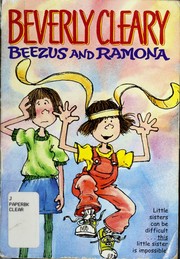
Beezus and Ramona
Nine year old Beezus tries to be a good older sister while four year old Ramona turns every ordinary day into a disaster, until a tenth birthday forces honesty.
2,062-word summary · 9 min read
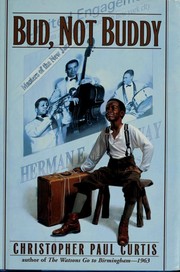
Bud, Not Buddy
A ten year old orphan in the Depression walks to find a jazzman he thinks is his father.
2,568-word summary · 11 min read

Stellaluna
A baby fruit bat falls into a bird nest, learns to perch and eat bugs, then reunites with her mother in Cannon's acclaimed 1993 picture book about difference…
2,486-word summary · 11 min read
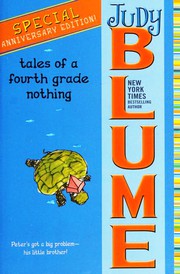
Tales of a Fourth Grade Nothing
Nine-year-old Peter Hatcher tries to get through fourth grade while his toddler brother Fudge steals every scene.
2,469-word summary · 11 min read
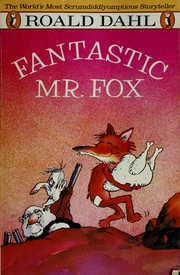
Fantastic Mr. Fox
Mr. Fox raids three cruel farmers to feed his family, then outdigs tractors and a siege to host a feast underground.
2,910-word summary · 13 min read
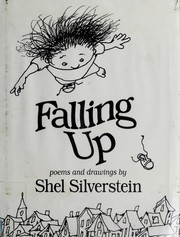
Falling Up
Poems about falling up, messes that win and tender goodbyes in between.
2,055-word summary · 9 min read
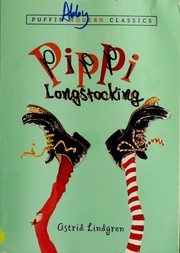
Pippi Longstocking
A super-strong nine-year-old lives alone in Villa Villekulla, upending school, circus and town rules with neighbors Tommy and Annika.
3,115-word summary · 14 min read
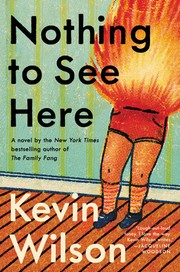
Nothing to See Here
A struggling young woman spends one summer caring for twins who burst into flame when upset, in this warm oddball novel.
2,167-word summary · 10 min read

Heidi
Orphan Heidi blooms with her grandfather in the Swiss Alps, wilts in Frankfurt as a companion, then helps Klara walk.
2,952-word summary · 13 min read
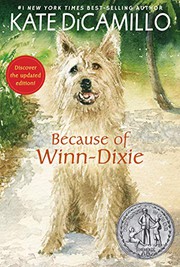
Because of Winn-Dixie
Lonely Opal names a stray Winn-Dixie and finds ten friends, plus a way to ask her preacher father hard things.
2,024-word summary · 9 min read
If You Give a Mouse a Cookie
A mouse gets a cookie and turns one small favor into a whole busy day.
2,560-word summary · 11 min read
A Light in the Attic
Silverstein's attic poems and line drawings turn chores, monsters, and homework into jokes and small rebellions.
2,998-word summary · 13 min read
Winnie-the-Pooh
Edward Bear comes downstairs bump-bump-bump and into the Hundred Acre Wood for honey, hunneys, and heffalumps.
2,068-word summary · 9 min read
The House at Pooh Corner
Tigger bounces into the Hundred Acre Wood while Pooh builds Eeyore a house and Piglet does a grand thing.
2,022-word summary · 9 min read
Matilda
Brilliant Matilda Wormwood teaches herself to read, faces her crooked parents and the fearsome Miss Trunchbull, and finds Miss Honey.
2,296-word summary · 10 min read
Where the Sidewalk Ends
Sidewalk Ends retold: poems and drawings, Sarah Cynthia, unicorns, homework and giants.
1,952-word summary · 9 min read
Make Way for Ducklings
A pair of mallards raise eight ducklings on the Charles River and lead them across Boston to the Public Garden, with a little help from a friendly policeman.
2,044-word summary · 9 min read

Little Town on the Prairie
In the spring after the Long Winter, fifteen-year-old Laura sews shirts, studies for a teaching certificate, and helps send her blind sister Mary to college.
2,071-word summary · 9 min read
Little Earthquakes
Four Philadelphia women meet during pregnancy and discover that new motherhood is nothing like the plan, while friendship becomes the thing that holds them…
1,997-word summary · 9 min read
Amelia Bedelia
A literal-minded housekeeper follows her employer's list to disastrous and funny effect in the 1963 picture book that made wordplay a children's staple.
2,038-word summary · 9 min read
Five Point Someone: What Not to Do at IIT
Three friends at IIT drift to a five-point GPA, mock the system, and break into a professor's office for an exam paper.
2,458-word summary · 11 min read
Clifford the Big Red Dog
Emily Elizabeth picks the smallest puppy in the litter, loves him as hard as she can, and wakes up to a dog the size of a house.
2,092-word summary · 9 min read