
Reading options
What's inside (8 sections)
I picked this up again after a friend asked if it still works for a six year old. I remembered the film version first, the chocolate cake and the chalk moving on its own. Reading the book, first published in 1988 by Jonathan Cape in a 240 page edition, I was struck by how sharp and mean it is, and how funny. Dahl does not try to make the grown ups reasonable. He makes them vain and cruel, then lets a very small girl outthink them.
Matilda Wormwood is brilliant, but she is not a quiet angel. She gets furious at unfairness. She plays tricks. If you ever hid in a library corner to finish one more chapter, the first part of this book will feel like home.
A House That Does Not Read
Mr Wormwood sells second hand cars and cheats without shame. He stirs sawdust into gearboxes to hide noise. He winds back the mileage with a drill. He brags about it at dinner while staring at the television with his plate on his knees. If anyone talks during a show, he shouts.
Mrs Wormwood is loud, blonde, and proud of never reading. She spends afternoons at bingo. She cakes on makeup each morning and tells Matilda that brains do not matter for girls. What matters, in her view, is looks and catching a husband. She says it plainly and often.
Michael, the older brother, is ordinary and safe. He tags along to the garage. He watches the same shows. His parents praise him for little reason except that he is a boy and does not ask hard questions. Matilda asks hard questions all day.
Matilda learns fast and alone. Her speech is clear before age two. By three she reads newspapers left on the table. By four she reads books fast and well. Her parents barely notice. When they do, they mock her.
One scene sets the tone. Matilda asks for a book. Mr Wormwood calls her a show off and tells her to watch television. Mrs Wormwood agrees. Matilda does not fight out loud. She finds her own way out.
The Wormwoods leave her alone for hours. Mr Wormwood works. Mrs Wormwood plays bingo. Michael goes to school. Matilda, still only four and five, learns to heat her own lunch and fill long empty days. Dahl plays this for laughs, but there is a sting in it.
Mrs Phelps And The Library
One morning Matilda walks to the public library by herself and meets Mrs Phelps, the librarian. Mrs Phelps is kind in a plain way. She first hands Matilda easy picture books. Then she watches the small girl sit still for a long time, turning pages without pictures, and realizes something unusual is happening.
Within weeks Matilda works through the children's shelf. Mrs Phelps starts to guide her without fuss. She suggests stronger books. Dahl lists names that still make readers grin. Dickens. Austen. Bronte. Hemingway. Kipling. Steinbeck. Matilda does not catch every word, but she follows the people and the trouble they face.
The library becomes her school before school. Quiet room. Warm light. A cushion in a corner. No shouting. No television. For a child from a noisy house, that calm is food.
At home the war starts small. Mr Wormwood tears up a library book after Matilda does a hard sum in her head and he calls her a cheat. Matilda answers with pranks. She puts strong glue round the rim of his hat so it sticks fast at work. She hides a borrowed parrot in the chimney so her parents hear a voice and think the house holds a ghost. She mixes peroxide from her mother's dye into his hair tonic and turns his hair pale.
Dahl frames these tricks as payback, and they are funny, yet they are also mean. I think he gets away with it because Matilda only hits back at a big man who cheats buyers and calls his daughter stupid. She never picks on anyone weak.
By five and a half Matilda reads widely and multiplies large numbers in her head. Her mother at last agrees to start school, late and with no care. She picks Crunchem Hall because it is near, not because it is kind.
Miss Honey Notices
Jennifer Honey teaches the youngest class. She is thin and pale, soft voiced, poorly paid, gentle with children. From the first morning she sees Matilda is different.
She tries simple reading. Matilda reads without pause. She tries spelling. Matilda spells long words. She tries sums. Matilda answers at once, even with two and three figure multiplication. Miss Honey keeps raising the level through the day. Matilda keeps answering.
That night Miss Honey sits in her tiny cottage and worries. This child needs higher work. She decides to visit the parents, though she dreads it. She hopes for books at home, for help, for permission to move Matilda up.
The visit fails. The television blares. Mr Wormwood brags about cars and calls Matilda a liar and a troublemaker. Mrs Wormwood says a girl does not need brains. Michael stares at the screen. Miss Honey leaves sick at heart.
Next she tries the headmistress, Miss Agatha Trunchbull. That takes nerve. Miss Honey asks if Matilda might move to the top class. Miss Trunchbull has never met Matilda and already calls her a wart, a liar, an insect. She refuses. She says children should be kept down.
Miss Honey does what she can. She lends Matilda books. She keeps her close at break. A bond grows, built on respect.
If there is a soft spot here, it is Miss Honey herself. In these early scenes she is almost too sweet and patient. Next to Matilda she can feel flat. Dahl later gives her a past that fills her out.
Crunchem Hall And The Chokey
Crunchem Hall is bare and hard. The playground has high walls. The head rules by fear. Miss Trunchbull is huge, thick armed, bull necked, with a stern face. Dahl tells us she was once a hammer thrower for England. She still dresses in a belted smock and breeches. She marches down halls, shouts, grabs, invents crimes.
Her worst punishment is the Chokey. It is a tall narrow cupboard with nails and sharp glass stuck out from the walls. A child inside cannot sit or move. The door locks from outside. Light comes only through cracks. Older girl Hortensia explains it to the small ones at break. She has served time in it twice for tricks of her own. She says you come out shaking.
Hortensia, about ten, becomes a guide. She tells Matilda and her new friend Lavender how she put syrup on the Trunchbull's chair and itching powder in her clothes, and what it cost her. Lavender listens with wide eyes. Lavender is bold, loyal, quick to act. She decides she wants to be brave like Hortensia.
The Trunchbull shows her strength in class raids. She lifts boys by the ears. She invents faults in handwriting or dress. The most famous cruelty falls on Amanda Thripp, a small girl with neat pigtails. The Trunchbull claims to hate pigtails. She seizes Amanda by the hair, spins round and round like an athlete in the ring, and throws her clean over the playground fence. Amanda lands in flowers beyond. Her mother thinks she dreamed it when she hears the story.
Dahl pushes this far past real school life. A head who throws pupils and locks them in a spiked box would face prison. In a fable it reads as dark farce. I laughed as a child and winced on this reread.
Miss Honey's room is the one safe corner. She sings times tables. She reads aloud. When the Trunchbull storms in, the air turns cold. You feel how small kindness can look next to brute force, and why Matilda starts to think she must do something herself.
Cake, Pigtails And A Newt
Three school legends carry the middle of the book. Each shows a different kind of nerve.
First is Bruce Bogtrotter and the cake. Bruce steals a slice of the Trunchbull's private chocolate cake. She has the cook bake a whole large cake and orders Bruce to eat it all before the school. She expects shame. She shouts. The children sit silent, then start to chant his name. He finishes the last piece and grins. The Trunchbull smashes the plate on his head and storms out. The hall cheers.
Second is Amanda and the throw already told, which spreads round school and makes even brave Hortensia shake her head. It warns every girl to tie hair tight or cut it short.
Third is Lavender and the newt, which changes Matilda's life. Lavender catches a small smooth newt in the garden pond and keeps it in her pencil box. When the Trunchbull seizes Miss Honey's class for a cruel inspection, Lavender slips the newt into the tall water jug on the desk. The Trunchbull pours water, sees the wriggling creature, and screams. She at once blames Matilda, who never moved. She calls her a criminal and orders her out.
Rage fills Matilda. She stares at the glass. She feels heat behind her eyes, a buzzing pressure in her head. The glass tips by itself. Water and newt spill down the Trunchbull's front. The class gasps. The Trunchbull thinks Matilda threw it. Matilda knows she never touched it. She moved it by looking.
Lavender is thrilled and scared. Miss Honey catches the strange look on Matilda's face and files it away. Dahl does not explain. He lets one odd event sit inside a plain school day, which makes it land harder.
The Power And Miss Honey's Past
After the newt Matilda tests herself at home. She sets out her father's cigar and stares. For a long time nothing moves. Then it rolls. Day by day she practices. She learns the push comes with strong feeling, above all anger at unfairness. Soon she can lift the cigar and float it. The work leaves her tired, with a headache. Dahl treats it like a muscle that grows with use.
She tells only Miss Honey. To her credit Miss Honey does not laugh. She asks to see. Matilda moves a small thing with her eyes while Miss Honey watches. Miss Honey believes her, because she has seen the mind behind it.
Then comes tea at the cottage, and the true heart of the story. Past the Trunchbull's red brick villa with its high wall, out in a field, stands Miss Honey's rented cottage. One bedroom. Tiny kitchen. No bath. Water from a pump outside. A narrow bed. Bread and milk and tea on a small stove. Matilda sees how poor her kind teacher is, and asks why.
Miss Honey tells it simply. Her mother died when she was two. Her father, Dr Magnus Honey, a kind doctor, raised her with love until she was five. Then he died suddenly. People said he took his own life. She never believed it.
Her mother's sister took her in. That sister is Agatha Trunchbull. She kept the house, set the small girl to chores, ruled by fear. When Miss Honey started teaching, her aunt made her pay for her keep. She takes nearly all the wages, leaving Miss Honey one pound a week. The will of Magnus is gone. The Trunchbull says there was no will.
Matilda burns with anger. She sees what Miss Honey cannot say. A woman who faces thirty children still fears her aunt. Matilda makes a plan. She will use her eye power in class, before witnesses, to frighten the Trunchbull into return and flight. She drills for days, lifting chalk, holding it steady, shaping letters in air.
The chance comes when the Trunchbull bullies the class again. Matilda fixes her eyes on the board. The chalk rises alone and writes large words. It signs as Magnus. It calls Agatha a murderer, orders her to give the house and money to his daughter, and tells her to leave. The class sits frozen. The Trunchbull turns white, shakes, falls, faints. When she wakes she walks out without a word.
By next day she is gone. House empty. Gone without trace. Miss Honey moves back to her father's house with its lawn and rooms. The wage theft ends. She can buy food and books. She smiles more.
Dahl offers no court proof. Was there a will. Did Agatha kill Magnus. The book leaves it as a just trick that cracks a guilty mind. As fable it satisfies. As real life it is thin. A chalk threat is not proof, and a bad woman simply runs. I accept it in story terms and note the gap.
The end ties both homes shut. Mr Wormwood, who sells stolen cars with false parts, hears the police are coming. He plans instant flight to Spain with wife and son that same morning. At school Matilda asks the plain question she has held for months. May I live with Miss Honey. Mrs Wormwood, in a rush, agrees. Mr Wormwood shouts, then signs, since haste matters more than pride. They drive off. Michael goes with them. Matilda stays.
Soon the eye power fades. Dahl hints her brain now has harder schoolwork in a higher class. Miss Honey becomes teacher and mother in daily life. They read and talk in the red house. Matilda is alone no more.
That rush has drawn fair comment. Parents hand over a daughter in a car park and no office checks. Dahl hurries because he wants joy, not forms. If you want strict truth, it jars. If you want a neglected reader to find the adult who truly sees her, it lands and stays.
FAQ
When was Matilda published and how long is it?
First published in 1988 by Jonathan Cape in a 240-page edition. The story follows five-year-old Matilda from the Wormwood home to Crunchem Hall.
How does Matilda discover her eye power?
After Lavender's newt spills, anger lets her move small things by staring. She practices on her father's cigar, then uses it once to write on the board as Magnus.
Does the book feel dated in places?
Yes in spots. The throwing and the Chokey read as grotesque farce, the revenge tricks are blunt, and the final adoption rushes. The library love and the Miss Honey bond still carry it.
Similar books
More like Matilda →
A Light in the Attic
Silverstein's attic poems and line drawings turn chores, monsters, and homework into jokes and small rebellions.
2,998-word summary · 13 min read

The BFG
Orphan Sophie is taken by the Big Friendly Giant, who blows happy dreams and eats vile snozzcumbers, and helps her stop nine man eating giants.
2,812-word summary · 12 min read

James and the Giant Peach
Lonely James escapes two cruel aunts inside a giant peach with huge insect friends, rolling to the sea and floating on gulls to New York City.
2,384-word summary · 11 min read
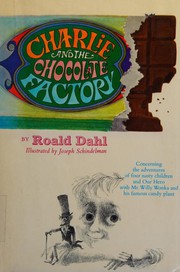
Charlie and the Chocolate Factory
Poor Charlie Bucket finds a golden ticket to tour Wonka's factory with four spoiled kids.
3,574-word summary · 16 min read

Goodnight Moon
A small bunny says goodnight to each object in the green room in this 1947 bedtime classic.
2,600-word summary · 12 min read

The Cat in the Hat
A tall Cat turns a rainy day upside down for Sally and her brother, with Thing One and Thing Two in tow.
2,546-word summary · 11 min read