Reading options
What's inside (8 sections)
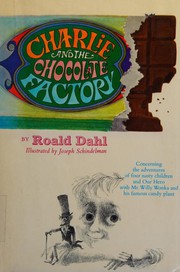
I came back to this one because my copy looked too thin to hold so much memory. I remembered the chocolate river and the songs, but I had forgotten how poor Charlie is at the start and how cold that house feels. Reading it again, in the edition first published in 1964 by Alfred A. Knopf in a 176 page edition, I was surprised by the pace. Dahl wastes no time feeling sorry for anyone. He sets up hunger, then luck, then a factory that feels half playground and half test.
Charlie Bucket lives with his parents and his four grandparents in a small wooden house at the edge of town. Mr Bucket works in a toothpaste factory screwing caps on tubes. Mrs Bucket stays home and tries to stretch cabbage soup. Grandpa Joe and Grandma Josephine take one bed. Grandpa George and Grandma Georgina take the other. Charlie sleeps on a mattress on the floor. In winter the wind comes straight through the walls.
What he wants, more than shoes that fit or a full plate, is chocolate. He gets one bar a year, on his birthday. Dahl makes you wait through that detail. Charlie holds the bar for days. He makes it last weeks by taking one tiny nibble at a time and letting it melt. If you ever saved candy as a kid past all reason, you know this boy.
A short walk away stands the Wonka factory. It is huge behind iron gates, with smoke coming from tall chimneys and sweet smells drifting over the street. No one goes in. No one comes out. The gates stay locked. People in town say workers vanished years ago after spies from rival makers sent men to steal recipes. Fickelgruber and Prodnose and Slugworth, those rival chocolate men, had paid staff to copy secrets. So Willy Wonka closed the doors and ran the place alone, or so the story goes.
Then Wonka puts a notice in the papers. He has hidden five Golden Tickets in five ordinary Wonka bars. Any child who finds one can bring one parent or family member and tour the factory on a set day. One of them will get a special prize beyond dreaming. Shops sell out in hours. Kids tear wrappers in the street.
The first four winners arrive fast and loud.
Augustus Gloop is the first. He is a large boy from Germany who eats constantly. His mother is proud of his appetite in interviews. He found his ticket by eating bars by the box until one held gold.
Veruca Salt is second. She lives in England with rich parents who own a peanut factory. When she demanded a Golden Ticket, her father bought thousands of bars and made his factory shellers open them until they found one. Veruca points and shouts and expects the world to move.
Violet Beauregarde is third. She chews gum all day and holds the record for chewing one piece for three months. She is loud and fast and always trying to win. Her mother talks about trophies. Violet grabbed a ticket while taking a break from gum only to switch to a new record later.
Mike Teavee is fourth. He watches television for hours with toy pistols strapped on. He figured the ticket hunt by math and odds, or so he claims, and tore wrappers on camera. He is bored by everything except screens and gangs on shows.
Charlie finds nothing for months. He opens his birthday bar slowly in front of his family. No ticket. Grandpa Joe tries to cheer him with talk about magic. Grandpa George grumbles. The grandparents stay in bed all day, wrapped in blankets, because there is no money for heat or reason to get up. It is a funny image until you sit with it. Four old people in bed, waiting.
A few days later Charlie finds a coin in the snow on his way home from school. A fifty pence piece, or a dollar in some editions, buried in slush. He almost buys chocolate for the house, then decides on one bar for himself. He eats it fast outside the shop. Nothing. He uses the rest of the money for a second bar, a Wonka Whipple Scrumptious Fudgemallow Delight. Inside the wrapper is gold. A Golden Ticket.
The shopkeeper shouts. A crowd gathers. Charlie runs home with the ticket held tight. The house shakes awake. Grandpa Joe jumps out of bed for the first time in twenty years. He danced once, he says. He worked once for Wonka. He knows the factory. He will be the one to go with Charlie.
The Bucket House And One Bar A Year
Dahl spends the opening on hunger without making it preachy.
Mr Bucket loses his job later in some stage versions, but in the book he keeps capping toothpaste for low pay. Mrs Bucket serves cabbage and cabbage and cabbage. The grandparents tell stories to fill the gaps. Grandpa Joe tells Charlie about Wonka inventions when Charlie was small. Everlasting Gobstoppers for children with little pocket money. Ice cream that stays cold in hot sun. Marshmallows that taste of violets. Hot ice creams for cold days. Chewing gum meals. The list grows each night.
The point is not the list. The point is that Charlie listens and says thank you. He does not whine for more, even when his birthday chocolate is gone and the house smells of other kids opening bars.
I like how physical this part feels. Cold floors. Thin soup. The smell of chocolate from the factory drifting over the fence while Charlie walks to school. One scene stuck with me on this read. Charlie passes the factory gates in the morning and slows down just to breathe in. He does not press his face to the bars or beg. He breathes, then walks on.
Grandpa Joe is the warmth here. He is over ninety six, thin as a rake, but his eyes light up when Wonka is named. He remembers working in the factory before the spy trouble. He tells Charlie about Prince Pondicherry, an Indian prince who asked Wonka to build a palace all of chocolate to live in, and how it melted in the sun. He tells about the workers leaving and the gates closing. He tells it like a man who misses a place, not like a man reciting history.
Some readers find the poverty a bit neat. Everyone is kind and thin and smiling through it. Mr and Mrs Bucket never fight. The grandparents never snap, except for a comic grumble. That is fair. Dahl wants a clear contrast with the rich ticket winners, so he keeps the Buckets gentle. It works as a fable. It does not read like a report on real want.
Five Tickets And A World Gone Mad
The ticket hunt takes up the middle of the opening and Dahl clearly enjoys the frenzy.
Newspapers print photos of Augustus stuffing himself. Reporters crowd the Salt house while Veruca screams for a trained squirrel and a chocolate boat. Violet chews on television and talks about beating records. Mike explains probabilities while toy guns click. Each interview is short and sharp. Dahl gives each child one flaw and turns up the volume.
There are small details that sell the mania. Shops run out. Factory lines run day and night. A criminal tries to fake a ticket with gold paint. Children stop doing homework to unwrap bars. Teachers complain. Dentists warn parents. It feels like a lottery craze, which makes sense because Dahl saw how adults act around free prizes.
Charlie stays out of it until luck drops a coin in front of him. I found that coin scene more tense than any factory room. He could buy potatoes. He could buy bread. He buys chocolate, twice, and the second wrapper holds his future. Dahl does not moralize about it. He lets a hungry boy act like a hungry boy and get lucky.
When Charlie brings the ticket home, the house changes overnight. Grandpa Joe finds his old suit. Mrs Bucket mends it. Mr Bucket stays up late smiling. The grandparents argue about who told the best Wonka story. For one night the cabbage tastes fine because everyone is talking at once.
Dahl also slips in Wonka denial and rumor. People say Wonka uses magic. People say he has no workers. People say the factory runs itself. Grandpa Joe laughs at some of it and goes quiet at other parts. That quiet does a lot of work. It tells you the tour will not be normal.
Grandpa Joe Gets Out Of Bed
Tour day starts foggy and cold. Crowds wait outside the gates. The five children line up with their grown ups. Augustus with his mother and father. Veruca with Mr and Mrs Salt. Violet with Mrs Beauregarde. Mike with Mr and Mrs Teavee, both looking tired from television noise at home. Charlie with Grandpa Joe, both in patched clothes, holding hands.
The gates open by themselves. Out comes Willy Wonka.
He is small and quick, with a pointed beard and bright eyes and a top hat and a plum coat and white gloves. He bows and spins his cane. He talks fast and laughs at his own jokes. He says strange things and then acts like you should have laughed sooner. From the first page with him, you can tell he is lonely and proud and used to being the cleverest person in any room.
He leads them in. Hot air. Humming pipes. The smell of coffee and chocolate and burnt sugar and violets. Workers nowhere. Only sound and steam.
Then the Chocolate Room. This is the famous spread. A valley with green meadows made of mint sugar. A brown river of hot melted chocolate running through it. A waterfall pouring chocolate down rocks into the river. Trees with candy leaves. Bushes with marshmallow fruit. Pink sugar boats tied up. Pipes overhead sucking chocolate up to feed fountains in the factory.
Charlie stares. Grandpa Joe laughs out loud. Even Veruca goes silent for half a second.
Wonka explains the river is mixed by waterfall because beating it keeps it light and frothy. He dips a cup and drinks. He tells them no other factory dares a chocolate river. Augustus cannot stop himself. He kneels and scoops with his hands despite warnings. Then he falls in. He gets pulled toward the pipe intake. His parents scream. Wonka shouts for the Oompa-Loompas to fetch help, then starts reciting a poem about greed while the boy is stuck.
Augustus shoots up the pipe to the Fudge Room. He will be squeezed thin, Wonka says, to get the chocolate off. The Oompa-Loompas sing. Their song names Augustus plainly and warns kids who eat too much. It is funny and cruel at once. Charlie watches with wide eyes. Grandpa Joe whispers that Augustus will be fine, but neither sounds sure.
They board a pink sugar boat and ride the river through a tunnel. Wonka sings a rowing song that turns odd. Pictures flash. It feels joyful and a little unsafe, which is the tone for the rest of the tour.
Four Bad Endings And One Quiet Boy
After the river, Dahl moves room to room like a set of traps. Each stop shows an invention, a warning ignored, and a song.
The Inventing Room is where Wonka makes the future. Huge stoves. Pans of Everlasting Gobstoppers that never get smaller. Hair Toffee that grows hair. Mint Jujubes for spacemen. Luminous lollies for dark nights. And the great gum meal. Tomato soup, roast beef with baked potato, blueberry pie, all packed in one stick of gum. Wonka warns it is not ready. The gum still has a bug at dessert. Violet grabs it and chews to prove she is first in everything. She turns blue in the face. She swells into a giant blueberry. Her mother cries about a nut allergy of all things, meaning a wrestling result, while Wonka calls for juicing. The Oompa-Loompas roll Violet to the Juicing Room and sing about gum chewing girls who never stop talking.
I laughed as a kid at the blueberry image. As an adult I notice Violet gets no help until after the song. Wonka watches, comments, then acts. That delay is the pattern.
Next comes the Nut Room, or the Squirrel Room in some printings. Dozens of trained squirrels sit at tables cracking walnuts, tapping shells to hear if they sound bad, then dropping good kernels down chutes. Veruca wants one at once. She screams for a squirrel, a boat, a bird, an Oompa-Loompa to carry her things. Wonka says they are not for sale. She jumps over the rail to grab one. The squirrels judge her a bad nut. They pin her arms, test her head with knocks, and toss her down the garbage chute with her parents following. The chute leads to the furnace, though Wonka says it is only lit on Tuesdays and today is luck. The Oompa-Loompas sing about spoiled children and parents who say yes to everything.
Then the Television Room, or Television Chocolate. Wonka has found how to send real chocolate by television and pull it small from the screen. Mike is wild to try. He wants to be first sent. He jumps in front of the camera despite shouting. He shrinks to a few inches tall and lands in the screen set. Wonka stretches him in a taffy puller to get him taller, though still thin. The song warns about kids who watch murder and gunplay all day and stop playing outside.
Charlie does none of this. He holds Grandpa Joe's hand. He says please and thank you. He does not touch without asking. He asks smart questions and listens to answers. When Wonka offers Fizzy Lifting Drinks that make you float, Charlie watches Grandpa Joe sip and rise to the ceiling with burps and giggles, then helps bring him down by thinking sad thoughts and letting out gas. That small theft, two fizzy drinks in the factory, is the one rule break Charlie makes, and Dahl treats it with a wink. Grandpa Joe burps loudly. Charlie giggles. They rejoin the group before Wonka notices, or so they think.
By the end only Charlie remains. The factory feels empty. The boat is gone. The other parents are gone with their children to recovery rooms. Wonka looks tired and almost sad. He asks Charlie if he enjoyed it. Charlie says yes in a small voice. That honesty is what Wonka wanted.
The prize is not candy. Wonka is old and has no family. He needed an heir who would care for the factory and the Oompa-Loompas and keep inventing without cruelty for profit. He takes Charlie and Grandpa Joe into the Great Glass Elevator, a glass box that can go up and down and sideways and through roofs, and they crash through the factory roof into the sky. Below, Mr and Mrs Bucket and the other grandparents see them coming. Wonka invites the whole family to live in the factory. Charlie says yes at once.
It is a sweet ending, but it moves fast. One page they are in a strange room, the next they are flying. Dahl clearly wanted lift off more than paperwork. As a kid I cheered. Now I notice how quickly Wonka hands a vast business to a small boy. It is a fairy tale handover, not a plan.
Oompa-Loompas, Songs, And The Parts That Jar Now
This is where a friend talk has to be honest, because the book has passages that read badly now.
The Oompa-Loompas carry the dated weight. In the 1964 text they were described as Black pygmies from the deep jungle whom Wonka found and brought to work in his factory to escape danger. That framing treated African people as small comic labor to be collected. Dahl revised it in the early 1970s after readers and publishers objected. In current printings the Oompa-Loompas are small people from Loompaland with white skin and golden hair who eat green caterpillars and whom Wonka pays in cacao beans. The songs stayed, the look changed, but the core story still has Wonka shipping a whole people to live inside his plant and paying them in beans. Even in revised form it reads as a boss fantasy about grateful workers who sing while they labor. I still enjoy the songs, but I read them now as warnings from management, not jokes among equals.
Other parts have aged less sharply yet still tug. Augustus is punished for weight in a way that invites laughing at a fat child stuck in a pipe. The text calls him enormously fat and lets adults chant about his greed. A child reader who looks like Augustus may hear mockery more than moral. Veruca is written as the classic spoiled girl while her father, who bought thousands of bars and staffed the search, gets lighter treatment. Violet is called dim and gum chewing, though her drive to win is not so different from a young athlete. Mike is the television addict, a type Dahl clearly disliked, and his shrinking feels like payback for watching the wrong shows.
Wonka himself is harder to like on reread. He is funny, quick, full of invention, and clearly lonely. He is also careless with safety. He warns once, then watches disaster with a rhyme ready. He never calls a doctor. He never stops the tour. He lets children face a river intake, a juicing machine, a garbage chute to a furnace, a shrinking camera. The songs claim each child chose harm, which is true in plot terms, yet an adult host would shut the room. Dahl wants comic justice, so Wonka stays charming while kids get hurt and return strangely altered.
The parents get satire too, and some of it is fair. Mr Salt buys his way through. Mrs Gloop feeds pride with food. Mrs Beauregarde brags about records. Mr and Mrs Teavee let screens raise their son. Dahl shows adults shaping flaws, then blaming kids when flaws act up. That part still bites because you see it at birthday parties and school gates.
None of this ruined the book for me, but it changed how I would share it. With a young reader I would pause at the Oompa-Loompa arrival and talk about why moving people for work and paying in beans is wrong, even in a funny story. I would pause after Augustus and ask who the joke is on. Kids get that faster than adults expect. The magic stays, the questions stay with it, and both can fit in one read.
What Stays With You
What stays is not the moral chart. It is the rooms.
The chocolate waterfall that mixes by falling. The pink boat that should not float but does. The Inventing Room stoves where Gobstoppers clatter and never shrink. The squirrel tables with tiny knocks. The television that shrinks a boy to pocket size. The glass elevator that bursts through brick and keeps rising. Dahl writes each invention with a rule and a smell and a sound, so you remember it in your body. Mint grass. Hot chocolate steam. Walnut taps. Television static.
Charlie stays too, because he is quiet in a loud book. He does not trick anyone. He does not boast. He shares birthday chocolate with his family even when he wants it all. He holds Grandpa Joe's coat in tunnels. He says sorry when they sip the fizzy drinks. When Wonka offers the factory, Charlie first looks at his parents. That glance is the whole character. He wants wonder, but he wants his people inside it.
Grandpa Joe earns his place beside Charlie. He gets out of bed, tells stories, sings on the boat, floats to the ceiling laughing like a boy, then steadies Charlie when the others vanish. He is not perfect. He eggs Charlie on to try the fizzy drinks and urges Wonka to hurry past trouble. But he loves without envy, and in a house with little heat that matters.
If you read this with a child, let them ask why only Charlie wins. The easy answer is kindness. A better answer, and one Dahl supports if you look, is attention. Charlie pays attention to warnings, to workers, to his grandfather's grip. Augustus watches food. Veruca watches what she wants. Violet watches records. Mike watches screens. Charlie watches the room he is in. That habit saves him more than virtue does.
I finished this reread in two sittings and then flipped back to the river chapter just for the smell of it. The dated parts nagged at me, the songs felt sharper, Wonka felt stranger, and still the elevator lift at the end lifted me. A poor boy who saved one bar a year gets the keys to plenty and brings his whole crowded house with him. It is simple and a little reckless and easy to love, which is probably why the book keeps selling sixty years on.
If you pick it up, read it aloud when you can. The songs want voices. The Wonka speeches want speed. The quiet Bucket pages want slowness. And when the elevator breaks through, read that line standing up. It plays better that way.
FAQ
When was Charlie and the Chocolate Factory published and how long is it?
First published in 1964 by Alfred A. Knopf in a 176 page edition. The US Knopf edition came first, with the UK Allen and Unwin edition following.
Is Charlie and the Chocolate Factory part of a series?
It has a sequel, Charlie and the Great Glass Elevator from 1972, but this post treats it as a standalone with no series tag.
Is the book suitable for young children despite the dated parts?
Yes with guidance. The tour punishments are comic moral fables, but the early Oompa-Loompa depiction and teasing about weight benefit from adult context.
Similar books
More like Charlie and the Chocolate Factory →
The BFG
Orphan Sophie is taken by the Big Friendly Giant, who blows happy dreams and eats vile snozzcumbers, and helps her stop nine man eating giants.
2,812-word summary · 12 min read

James and the Giant Peach
Lonely James escapes two cruel aunts inside a giant peach with huge insect friends, rolling to the sea and floating on gulls to New York City.
2,384-word summary · 11 min read

The Witches
A boy and his grandmother face the Grand High Witch's plan to turn England's children into mice.
2,738-word summary · 12 min read

Matilda
Brilliant Matilda Wormwood teaches herself to read, faces her crooked parents and the fearsome Miss Trunchbull, and finds Miss Honey.
2,296-word summary · 10 min read

The Horse and His Boy
Shasta and Bree flee Calormen to Narnia with Aravis and Hwin.
2,594-word summary · 12 min read
Peter Pan
Wendy, John and Michael fly to Neverland with Peter, face Hook, and learn what growing up costs.
2,502-word summary · 11 min read