
Reading options
What's inside (6 sections)
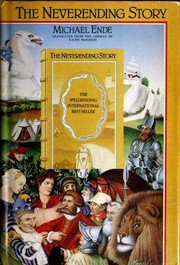
The movie only tells half and the better half is the second. The Neverending Story by Michael Ende was first published in German in 1979 as Die unendliche Geschichte, with the English edition from Doubleday in 1983, a 396 page hardcover with ISBN 9780385176224, translated by Ralph Manheim. Bastian steals a book about Fantastica dying and ends up inside it. I read it as a kid who hid in libraries and now as a parent who watches kids do the same. Both readings hurt in good ways.
Bastian Balthasar Bux is ten, fat, bullied, and grieving his mother. His father works and microwaves meals in silence. Bastian hides in a school attic during a storm with a stolen book called The Neverending Story. The book describes Fantastica, a land of stories, dying because humans stop dreaming. Atreyu, a green skinned hunter boy, quests to save the Childlike Empress. Bastian reads and shouts at pages. Do not take the necklace. Turn left. He does not yet know reading here is doing.
Atreyu quest fills the first half with classic trials. Swamps of Sadness where a horse drowns if grief wins. Mirrors that show true selves. A Southern Oracle with three gates that test worth. Atreyu loses his horse Artax in the swamp in one of the saddest chapters in children books. He keeps going because the Empress is dying and no one else will. Bastian, safe in the attic, cries and keeps reading. That doubling, a boy reading about a boy who cannot cry, is Ende engine. Stories need witnesses to live.
Atreyu and the Empress
Atreyu is not a chosen prince. He is an orphan raised by a tribe, brave and kind and out of depth among emperors. His quest for a cure for the Empress takes him through counselors who bicker, monsters who help for odd prices, and a luckdragon named Falkor who saves him with humor. Falkor, long and white and doglike, is the book warmth. He sings badly. He naps mid flight. He tells Atreyu he likes him even when he fails. Every kid needs a Falkor. Some adults do too.
The Empress herself is strange and right. A child who never ages, dying because humans stopped naming new things. She does not order Atreyu like a general. She waits. When he brings a human child as cure without understanding how, she explains that stories need readers to enter, not only to watch. That meta turn, where the book you hold needs the boy in the attic to speak a name, broke my brain happily as a kid. Books need us. We keep them alive by joining.
Bastian naming moment is the hinge. The Empress looks out of the page and asks him to name her. He denies he is in the story. She insists. He shouts Moon Child into the dark attic, and thunder answers. Suddenly he is in Fantastica, not reading but standing in pearl light with a new start. Readers who only saw the film miss that this happens halfway, not at the end. The second half, Bastian inside, is darker and more important.
A note on translation. Manheim keeps Ende rhythm well, with long sentences for travel and short bursts for danger. Names sing. Morla the Ancient One. Ygramul the Many. Engywook the gnome scientist. Reading aloud works beautifully. If your edition has Roswitha Quadflieg illustrations in red and green ink, treasure it. Red for Bastian world. Green for Fantastica. That color code teaches structure without a word. My copy is battered from rereads. Yours will be too.
Wishes that erase
Bastian in Fantastica gets what every bullied kid wants. Power to remake himself. Handsome. Strong. Wise. He gets it through AURYN, the snake amulet, which grants wishes but takes memories as price. Each wish makes him more splendid and less himself. He forgets his father. Forgets his mother voice. Forgets why he came. Ende shows wish fulfillment as addiction with unusual honesty for children books. Getting everything you want is how you lose what you need.
His companions on this fall are telling. Atreyu, now jealous and hurt because Bastian ignores him for new flatterers. Falkor, loyal but worried, watching Bastian grow cruel. Xayide, a sorceress of emptiness who encourages Bastian worst ideas to hollow him. Bastian builds a castle, holds tournaments, and renames himself hero while old friends drift. It is painful because it is recognizable. Who has not performed confidence until it curdled. Kids do it with new shoes. Adults do it with titles.
The City of Old Emperors is the bleak masterpiece. A place where power hungry kids who wished too much end up, playing dice with no stakes because they forgot why games matter. Bastian sees them and does not see himself yet. Readers do. That dramatic irony makes the chapters ache. Ende does not scold. He shows. Wishes without love become noise. Fantastica fills with his careless creations, knights and deserts made on whim, that now suffer without his attention. Creation has responsibility. Even child creators learn.
Atreyu and Falkor confrontation with Bastian in the arena is the emotional climax, not a battle. They do not defeat him with swords. They outlast his pride until he remembers a song his father sang. Memory as rescue. That theme, that love remembered restores self, runs through the book. Bastian cannot wish his way home. He must want home enough to give up power. That choice, to be ordinary and loved rather than splendid and empty, is harder than any dragon fight.
If there is a drag, it is the middle wish chapters where Bastian makes deserts and knights in quick succession. Fun at first, repetitive by the third. I skimmed one tournament and missed nothing. The payoff, when he cannot remember his own name and panics, needs some buildup of waste. Still, tighter by twenty pages would have helped momentum before the fall lands.
Return and water
The return requires help Bastian must ask for, which is growth in itself. Atreyu, forgiving Eagles? Actually Atreyu forgives and guides. Falkor carries. The Childlike Empress, renewed as Moon Child, offers one last gift. Bastian must pour the Water of Life for his father, who grieves alone in the real world. He returns to the attic to find only minutes passed and a changed heart. He runs home through rain, tells his father the whole impossible story, and is believed because grief recognizes truth. His father cries. They drink. The book ends with father and son able to name loss together.
That final scene matters more than any dragon. Ende lost his own father strains? Actually Ende wrote about fathers and sons with care throughout. Bastian father is not cruel, just shut down after his wife died. He microwaves, works, and says little. Bastian theft of the book was also theft of time away from that silence. Returning with water, literally and symbolically tears and talk, heals both. No magic fixes homework or bullies. But a boy who can name an Empress can tell his dad he misses mom. That is enough to restart.
What stays with me is Ende argument about stories. Fantastica dies when humans stop imagining, not when villains win. The Nothing, the gray void eating the land, is apathy made visible. Fighting it requires not swords but naming. New names for old things. Moon Child. New wishes tempered by love. Readers who join keep worlds alive. That is why the book addresses you directly. Do what you wish becomes do what you love responsibly. Freedom with care.
Atreyu friendship and Falkor warmth
The middle companions deserve more room because they carry the book heart while Bastian learns slowly. Atreyu, green skinned hunter boy raised by a tribe, is brave without bluster and kind without softness. He loses Artax in the Swamps of Sadness in a scene that still hurts to reread. He keeps going because the Empress needs him, not because he believes he will succeed. That duty without confidence is what makes him heroic rather than merely strong. When he later forgives Bastian after being ignored and insulted, it costs him pride. Forgiveness given after humiliation is harder than any swamp crossing.
Falkor the luckdragon is joy with scales. Long, white, doglike, humming off key, napping mid flight. He saves Atreyu from despair by arriving at the right moment with jokes rather than lectures. Kids love him instantly. Adults recognize the friend who shows up with soup and bad puns when grief sits heaviest. His loyalty to both boys, even when they fight each other, holds the fellowship together. A scene where he carries a sleeping Bastian gently after Bastian was cruel to him broke me. Kindness without keeping score is the book quiet miracle.
Engywook and Urgl, the gnome scientist couple, add bickering science that balances prophecy. He measures. She heals. They argue about method while caring for Atreyu wounds. Their debates about whether to study Fantastica or to live in it mirror adult arguments about books. Analyze or enjoy. Ende lets both matter. You need maps and soup. That balance keeps the quest from floating into abstraction. Even dying worlds need bandages. Their hut, cluttered with instruments and teas, feels like a lab and a kitchen at once. Atreyu rests there and learns that asking for help with directions is not failure. It is how quests continue. I loved those chapters as a break from running. Soup before swamps. Urgl fusses over bandages while Engywook measures door widths for his charts. That domestic science keeps the book human scaled even as voids eat miles. Bastian later ignores this lesson when wishes let him skip soup and maps entirely. The contrast teaches without stating. Rest stops matter. Even emperors need tea.
Ygramul, Morla, and other odd helpers show Ende love for strange kindness. A spider gate that stings to test resolve. A turtle so old she forgot why she lives. Each gives Atreyu a piece rather than a ride. No one carries him far. That pattern teaches what Bastian later forgets when wishes carry him everywhere. Help that leaves you walking is better than help that leaves you riding high and empty. The book trusts young readers to feel that difference without stating it. I reread those helper scenes as an adult and saw how carefully Ende rations rescue. Enough to continue. Never enough to coast. That rationing is what makes Fantastica feel real despite dragons. Even luckdragons have limits and naps. Falkor sleeps after long flights with his head on Atreyu lap, snoring smoke rings that turn to butterflies. Those rest scenes teach young readers that heroes tire without shame. Bastian ignores this rhythm when wishes let him skip sleep, and pays with crankiness that turns cruel. Rest is not weakness in Ende world. It is how stories continue without eating their tellers. Bastian learns this too late, skipping sleep to wish more, then wonders why wishes sour. Tired makers make thin worlds. That lesson applies outside Fantastica. Rest before big choices. Even emperors in the City of Old Emperors forgot it, dicing numbly because they never slept on purpose again.
Read the whole book, not just the film half. Give the second half room, because Bastian unlikable stretch is the point. We all get drunk on being someone new. The cure is remembering who loved the old you. Keep tissues for Artax. Keep tea for the attic. And after, ask a kid what they would name the Empress. Listen carefully. Their answer tells you what world they need next. Then help them build it with wishes that remember home.
FAQ
When was The Neverending Story published?
First published in German in 1979 as Die unendliche Geschichte. Doubleday published the English edition in 1983 in 396 pages with ISBN 9780385176224.
Is it part of a series?
No. It stands alone, though Ende wrote other fantasies. The film adapts only the first half.
Similar books
The Borrowers
A family of tiny people live under the floorboards of an English house, borrowing what they need until a lonely boy and a suspicious housekeeper change…
2,164-word summary · 10 min read
Charlie and the Great Glass Elevator
Charlie and Wonka overshoot Earth in the glass elevator, meet alien Knids, then risk age pills and Minusland.
2,514-word summary · 11 min read
The Silver Chair
Eustace and Jill retold: four signs, a lost prince, Puddleglum the Marsh-wiggle, giants at Harfang, and the Lady below.
2,940-word summary · 13 min read
The Phantom Tollbooth
A bored boy drives a toy car through a magic tollbooth into the Kingdom of Wisdom and learns to care about words, numbers and time.
2,765-word summary · 12 min read
The Last Battle
Lewis ends Narnia: Shift ape false Aslan, King Tirian last stand, Jill and Eustace at Stable Hill, and a morning beyond the world.
3,037-word summary · 13 min read
The Horse and His Boy
Shasta and Bree flee Calormen to Narnia with Aravis and Hwin.
2,594-word summary · 12 min read
Peter Pan
Wendy, John and Michael fly to Neverland with Peter, face Hook, and learn what growing up costs.
2,502-word summary · 11 min read
The Witches
A boy and his grandmother face the Grand High Witch's plan to turn England's children into mice.
2,738-word summary · 12 min read
The Wonderful Wizard of Oz
Dorothy is carried to Oz by a cyclone and walks the yellow brick road with Scarecrow, Tin Woodman, and Lion.
3,297-word summary · 15 min read
The Voyage of the Dawn Treader
Lewis sends Lucy, Edmund and Eustace aboard Caspian's Dawn Treader to find seven lost lords, past dragon gold, dark dreams and the world's edge.
2,330-word summary · 10 min read
Prince Caspian
The Pevensies return to ruins at Cair Paravel and help Caspian take back Narnia from Miraz.
2,304-word summary · 10 min read
James and the Giant Peach
Lonely James escapes two cruel aunts inside a giant peach with huge insect friends, rolling to the sea and floating on gulls to New York City.
2,384-word summary · 11 min read
The Magician's Nephew
C. S. Lewis's Narnia origin story retold: Digory and Polly, the Wood between the Worlds, the waking of Jadis in Charn, Aslan's singing creation, and the apple…
2,528-word summary · 11 min read
The Lion, the Witch and the Wardrobe
C. S. Lewis's Narnia opener retold: four Pevensies, the White Witch's winter, Aslan's sacrifice, and the crowning at Cair Paravel.
2,502-word summary · 11 min read
The Field Guide
Three siblings move into a creepy Maine estate, anger a brownie, and find a forbidden guide to the fairy world in the first Spiderwick book.
2,033-word summary · 9 min read
The Sword of Shannara
A young half-Elf and a company of companions set out to recover a magic sword before the Warlock Lord destroys the Four Lands.
2,474-word summary · 11 min read
The Stonekeeper
After their father's death, Emily and Navin chase a monster into a hidden world to save their mother, and Emily's great-grandfather's amulet offers power at a…
2,753-word summary · 12 min read
The Swiss Family Robinson
Shipwrecked Robinsons build treehouses and tame island beasts.
2,400-word summary · 11 min read
The Indian in the Cupboard
Omri learns a key turns plastic Little Bear into a live Iroquois man.
2,228-word summary · 10 min read
The Complete Fairy Tales
Mermaids, snow queens and tin soldiers in the full Andersen collection.
2,414-word summary · 11 min read
Into the Wild
Housecat Rusty joins ThunderClan and learns clan law before war.
2,597-word summary · 12 min read
Gregor the Overlander
Gregor follows Boots down a grate into the Underland and a war prophecy.
2,516-word summary · 11 min read
The Once and Future King
T.H. White retells Arthur from boyhood with Merlyn to Camelot's fall, mixing comedy, myth, and a hard look at war and power.
2,200-word summary · 10 min read
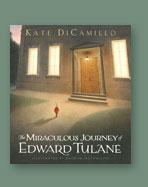
The Miraculous Journey of Edward Tulane
A china rabbit lost at sea learns to love through owners kind and cruel across many years.
2,002-word summary · 9 min read
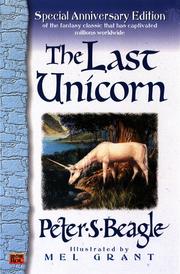
The Last Unicorn
A unicorn learns she may be the last of her kind and sets out to find the others, with a failed magician and a tired woman at her side.
2,245-word summary · 10 min read
The Demigod Files
Three Percy Jackson side quests plus camp maps, cabin guides, interviews, and god profiles set before the final battle.
2,498-word summary · 11 min read
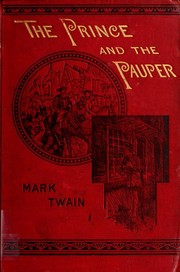
The Prince and the Pauper
Tom Canty and Prince Edward swap clothes in Tudor London and live each other's lives, from palace dinners to prison cells, until a hidden seal decides the…
2,979-word summary · 13 min read
Redwall
A novice mouse hunts for Martin the Warrior's lost sword while Cluny the Scourge besieges Redwall Abbey.
2,727-word summary · 12 min read
Princess Academy
Miri leaves her Mount Eskel quarry home for Princess Academy, where quarry songs, books, and a bandit siege shape her fight for fair trade, a school, and a…
2,441-word summary · 11 min read
Magyk
A baby found in snow, a lost seventh son, and a run for the Marram Marshes as Marcia Overstrand shields two children from DomDaniel.
2,604-word summary · 12 min read