

Reading options
What's inside (6 sections)
I came to Arthuriana through swords and left through the women watching from the lake. The Mists of Avalon by Marion Zimmer Bradley was first published in 1982 by Knopf, an 876 page hardcover with ISBN 9780394524061. It retells Arthur from Morgaine perspective, with Gwenhwyfar, Igraine, and Viviane central. Pagan Avalon fades as Christian priests rise. I read it across two weeks, a hundred pages at a time, because the prose is dense and the grief accumulates.
Morgaine narrates much of it in retrospect. Daughter of Igraine and Gorlois, half sister to Arthur, raised in Avalon by Viviane, Lady of the Lake. She learns herb lore, ritual, and the old religion where Goddess is one with many names. She also learns politics. Avalon needs a king sworn to both old and new faiths to keep roads open. That king will be Arthur, conceived when Viviane tricks Igraine husband away and sends Uther in ritual disguise. Morgaine, young, is part of the rite that later binds her to Arthur unknowingly. That night shapes all.
What makes the book distinct is viewpoint. Male chronicles call Morgaine witch and villain. Here she is priestess, mother, and witness trying to save a culture. Battles happen off page or in reports. Councils, births, marriages, and rites carry plot. Men still hold swords, but women hold knowledge of when swords must be used and at what cost.
Avalon versus Camelot
The central conflict is religious and practical at once. Avalon, an island hidden in mists, trains priestesses to keep old ways. The Christian priests, led by figures like Patricius, preach one male God and call Goddess worship sin. Arthur, crowned young after pulling sword from stone, swears to honor both to keep peace. For a while it works. Priests bless battles. Priestesses heal wounds. Roads stay open.
Igraine story opens the book and sets the pattern. Married to Gorlois, loved by Uther, used by Viviane magic to conceive Arthur. She hates being a vessel even as she loves the son who comes. After Gorlois death she marries Uther and becomes queen, trying to bridge faiths in her household. Her daughters learn opposite lessons. Morgaine learns power requires sacrifice. Morgause learns power is pleasure to be seized. Elaine learns power is safety through obedience. Three paths from one mother wound.
Viviane drives events with certainty that curdles. She arranges conceptions, fosters Arthur with Ectorius, and places Morgaine in ritual beds for Avalon future. She believes the Goddess speaks through her without distortion. When her plans hurt, she calls it necessity. Her murder late in the book, by a Christian zealot but enabled by Avalon infighting, feels inevitable. Leaders who use people as tools get broken by tools.
Gwenhwyfar, Arthur Christian wife, is the other pole. Beautiful, devout, guilt ridden over loving Lancelot. She brings priests to court, bans old rites, and presses Arthur to renounce his Avalon oath. Bradley writes her with sympathy rather than caricature. Gwenhwyfar truly believes she causes plague and defeat by sin. Her piety is fear, not malice. Yet fear as policy kills as surely as swords. Her influence closes roads to Avalon mist by mist.
A fair critique. The book is long and repetitive about ritual. Processions, robes, and chants fill pages while battles get summaries. If you want sword fights, this will test you. I skimmed two Beltane rites and lost nothing. The payoff, when rites fail because belief thins, needs some of that buildup. Still, tighter by a hundred pages would have helped modern pace.
Arthur, Lancelot, and vows
Arthur is seen mostly through women eyes, which makes him softer and sadder than legend. Brave in battle, weak in council, loving to all and firm with none. He loves Gwenhwyfar, loves Lancelot as brother, and loves Morgaine as sister without knowing their night together until too late. He tries to keep his oath to Avalon while wearing a Christian crown. The strain hollows him. By the end he is a tired king asking priests and priestesses alike for absolution no one can give.
Lancelot here is not a French ideal. He is a beautiful, broken man who loves Arthur and Gwenhwyfar both and hates himself for both loves. His affair with Gwenhwyfar starts as comfort and becomes compulsion. His love for Arthur is worship that cannot speak its name in this Christian court. Bradley, writing in the early eighties, gives him more interior than older versions without modern labels. He seeks penance through quests that only deepen shame. His failure to heal, contrasted with humble knights who do, is pointed. Purity is not prowess.
The Round Table vows, to protect the weak and speak truth, erode under these private sins. Kay stays loyal and blunt. Gawain drinks and jokes to avoid seeing. Mordred, Morgaine son by Arthur, grows in Morgause court learning that he is both heir and abomination. When he comes to Camelot, handsome and angry, the court sees a problem to manage rather than a boy to raise. That neglect, more than prophecy, ensures the end. Bradley moral is clear. Children hidden become weapons.
Morgaine own motherhood shapes her middle chapters. Pregnant by her half brother in ritual she did not fully consent to as a young teen, she hides the pregnancy, gives the boy to Morgause to raise, and grieves in private. Her choice haunts every later judgment of Gwenhwyfar barrenness and Elaine fertility. Bradley does not excuse the rite. She shows how religion can sanctify abuse and how victims later enforce or resist. Morgaine spends the book resisting what made her.
If there is a drag, it is court intrigue repetition. Who sleeps with whom. Who confessed to which priest. Three feasts in fifty pages blurred for me. Keep a list of couples to track. Arthur Gwenhwyfar. Gwenhwyfar Lancelot. Morgaine Kevin the bard. Elaine Lancelot in a deception that breeds Galahad. Each pairing serves theme, love as faith test, but the回旋 can tire. The battles, when they come, feel almost like relief.
Fading roads
The last third is about loss accepted slowly. Avalon mists thicken because fewer believe the old roads. Priestesses leave for nunneries or marriages. Taliesin songs go unsung. Morgaine, aging, tries to keep one road open through will and fails. A scene where she rows toward Avalon and finds only lake water is devastating without violence. Faith needs feet to wear paths. No feet, no road.
Kevin the bard embodies compromise and its price. A gifted musician, disfigured and doubting, he serves Avalon while loving Christian music. He betrays sacred vessels to priests hoping for unity and is executed by Avalon for it. Morgaine orders the sentence and lives with it. Both believed they served Goddess. Both were right about need and wrong about method. The book refuses to make either a simple traitor. That refusal is its maturity.
Mordred final revolt is less about evil than about recognition denied. He wants Arthur to name him. Arthur cannot without breaking church law and court peace. Morgause pushes him to take by force what pleading failed to win. The last battle in fog, with old friends killing each other unknowing, is chaos rather than glory. Arthur and Mordred kill each other. No grail heals. Only women left to bury and remember.
The closing, Morgaine as old woman realizing Goddess lives in Mary worshipped by Christians, divides readers. Some find it hopeful syncretism. Others find it erasure. I took it as Morgaine making peace with survival in changed form. The old names fade. The need to honor birth, death, and earth remains. Whether that comforts depends on how much you needed Avalon to stand. I grieved the island and accepted the hint that mists thin but do not vanish for those who look.
What stays with me is perspective shift. After 876 pages of women laboring, bleeding, and negotiating while men quest, Arthur legend looks different. Not false, but partial. Battles matter less than who feeds armies and who buries them. Vows matter less than who keeps children warm while knights ride. Bradley does not hate men. Arthur, Kevin, and Gawain get tender portraits. She insists women were there, thinking and choosing, not only waiting and weeping.
Priestesses, queens, and the work of faith
The middle cast carries the theme when leads tire, so they deserve room. Igraine, mother to Morgaine, Morgause, and Arthur, moves from girl used by magic to queen who tries to hold both faiths at table. She sets places for priests and priestesses. She teaches daughters different survivals. Her late withdrawal to a nunnery is not defeat. It is a choice to pray without being used as a vessel. I found her arc the most quietly tragic. Used young, blamed middle aged, heard only old.
Morgause, often a villain in other versions, gets interior here that is uncomfortable and human. Hungry for love after a cold marriage to Lot, skilled with herbs and politics, she collects boys and secrets with equal appetite. Her raising of Mordred as weapon is cruel, but Bradley shows a woman with no licit power using illicit means. When she finally loses sons to war, her grief is real even if sympathy is thin. That complexity prevents easy sorting of good pagans versus bad Christians. Power corrupts across altars.
Elaine, Gwenhwyfar friend who loves Lancelot hopelessly, tricks him into bed to conceive Galahad. The deception is ugly and the book does not excuse it, though it understands her desperation in a world where worth equals marriage and sons. Her raising of Galahad as pure knight sets up the grail irony. A child conceived in deceit becomes the stainless quester. Bradley lets that paradox stand without moralizing. People exceed origins, for good and ill.
Male figures beyond Arthur get shading that keeps the book from reading as polemic. Kevin the bard, gifted and doubting, truly believes unity requires sacrifice of sacred things. His betrayal comes from hope, not greed, which makes Morgaine order for his death harder to judge. Gawain, blustering and loyal, loves his mother Morgause and his king both until forced to choose. His choice, made drunk and grieving, feels like many real failures. Not evil. Just weak at the worst moment.
Rituals, though long, do worldbuilding that battles cannot. Births with herbs and songs. Funerals with boats and fires. Oaths with water and iron. These scenes show what faith does daily, not just what priests claim. When Christian rites replace them, villagers lose midwives as well as myths. Bradley point is practical as well as spiritual. Old religion fed and healed. New religion comforts differently but leaves gaps the poor feel first. That material angle keeps the book from floating into goddess mist.
The grail quest late in the book deserves mention because Bradley treats it as symptom rather than glory. Knights ride out seeking a cup that will heal the land, leaving fields untended and wives alone. Galahad achieves the vision because he is pure, then dies to its brightness. Others return empty, lying about wonders to save face. Morgaine watches this waste with fury. While men chase a dish across deserts, Avalon starves for hands. The critique lands without preaching. Quests that ignore home do not heal it.
Read it if you like doorstopper fantasy with religion and gender at center. Give it time. Skim rites if you must, but do not skip births. Every birth here is politics. Igraine Arthur. Morgaine Mordred. Elaine Galahad. Gwenhwyfar none, which is politics too. By the end you will see Camelot as a family that failed to share truth across faiths. Mists rise when talk stops. That feels current enough to hurt.
FAQ
When was The Mists of Avalon published?
Knopf published it in 1982. It runs 876 pages and the hardcover ISBN is 9780394524061.
Is it part of a series?
Yes. It is book one of Avalon, followed by later prequels and sequels by Bradley and others. It stands alone.
Similar books
More from Avalon first, then related titles.
Ariadne
A Cretan princess helps Theseus kill the Minotaur, is abandoned on Naxos, and rebuilds her life while her sister faces tragedy in Athens.
2,350-word summary · 10 min read
Circe
Exiled witch Circe masters plant magic on Aiaia, faces gods and monsters, loves Odysseus, and chooses a mortal life.
2,957-word summary · 13 min read
The Thief
A boastful young thief is pulled from a prison to steal a legendary stone for the king's magus, and the story he tells about himself is not the whole story.
2,514-word summary · 11 min read
Hounded
A two-thousand-year-old druid runs a bookshop in Arizona, hides from an Irish god who wants his sword back, and talks to his dog.
2,159-word summary · 10 min read

Magic Burns
A magic flare hits Atlanta, and mercenary Kate Daniels must recover stolen maps, find a missing witch, and keep a teenage girl alive while Celtic gods try to…
2,021-word summary · 9 min read
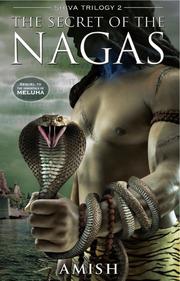
The Secret of the Nagas
Shiva hunts the Naga who attacked Sati, discovers her hidden twin sister and lost son, and follows the trail to the Naga capital of Panchavati.
2,442-word summary · 11 min read
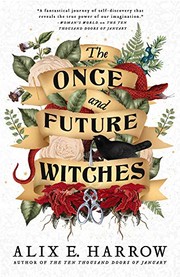
The Once and Future Witches
Three estranged sisters bring witchcraft back to an 1893 city where magic hides in nursery rhymes and the fight for the vote is also a fight for power.
2,132-word summary · 9 min read

Iron Widow
Wu Zetian enlists to avenge her sister, kills her pilot, and becomes an Iron Widow in a mecha Huaxia where the machines are built to kill women.
2,444-word summary · 11 min read

The Siren
Saved from a shipwreck in 1930, Kahlen becomes a siren who sings men to their deaths for the Ocean, until a boy in a college library makes her want a life she…
2,369-word summary · 11 min read
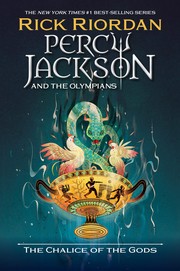
The Chalice of the Gods
Percy needs three recommendation letters from three gods to apply to college, so his first quest is recovering a stolen chalice from the god of old age.
2,106-word summary · 9 min read
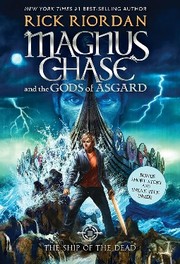
The Ship of the Dead
Magnus and his crew sail to the edges of the Norse worlds to stop Loki from launching Naglfar, the ship of the dead.
2,426-word summary · 11 min read
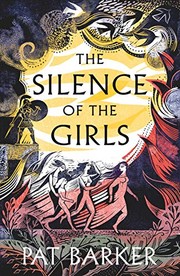
The Silence of the Girls
Briseis, queen of Lyrnessus, is captured by Achilles and narrates the Trojan War from inside the Greek camp, where women are prizes and survival is its own…
2,098-word summary · 9 min read
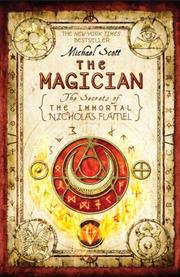
The Magician
Sophie and Josh flee to Paris with Nicholas Flamel, where John Dee, Machiavelli, and an awakened god close in on the missing pages of the Codex.
2,162-word summary · 10 min read
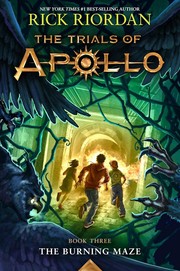
The Burning Maze
Apollo, still trapped in a mortal teenager's body, follows a dangerous prophecy through the Labyrinth with Meg and Grover as the Triumvirate's grip tightens.
2,248-word summary · 10 min read

Lore
Lore Perseous, the last of a hunted bloodline, is pulled back into the Agon when a wounded Athena offers her revenge against the god who killed her family.
2,188-word summary · 10 min read
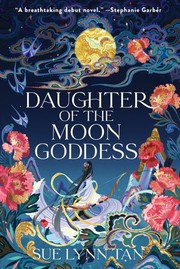
Daughter of the Moon Goddess
The daughter of Chang'e hides in the Celestial Court, trains as an archer, and risks everything to free her mother from the Emperor's punishment.
2,146-word summary · 10 min read
The Magician King
Quentin rules a peaceful Fillory until a golden key strands him on Earth, while Julia's brutal road from hedge witch to demigod rewrites the whole story.
2,431-word summary · 11 min read
The Girl in the Tower
Vasya rides out disguised as a boy, rescues kidnapped girls, and rejoins her siblings in Moscow, where a hidden sorcerer and the Grand Prince's court close in.
2,801-word summary · 12 min read
Galatea
The statue brought to life narrates her own story: a jealous sculptor, a locked hospital room, a daughter to protect, and one last plan to escape.
1,972-word summary · 9 min read
A Fate Inked in Blood
In Norse-inspired Skaland, a fish gutter hiding a goddess's blood is claimed by a jarl, bound by oath, and guarded by the son she cannot want.
1,971-word summary · 9 min read

The Buried Giant
An old couple crosses a misty post Arthur Britain searching for a son.
2,593-word summary · 12 min read
Half-Blood
Half-blood Alex trains at the Covenant while gods stir and rules close in.
2,601-word summary · 12 min read

Electric Idol
Psyche wears a camera deal to dodge Aphrodite and falls for Eros.
2,332-word summary · 10 min read

A Touch of Malice
Engaged Hades and Persephone face gods who vote on their marriage.
2,562-word summary · 11 min read
The Once and Future King
T.H. White retells Arthur from boyhood with Merlyn to Camelot's fall, mixing comedy, myth, and a hard look at war and power.
2,200-word summary · 10 min read
The Demigod Files
Three Percy Jackson side quests plus camp maps, cabin guides, interviews, and god profiles set before the final battle.
2,498-word summary · 11 min read
The Tenant of Wildfell Hall
Helen flees a cruel marriage, hides as Helen Graham at Wildfell Hall, and tells her full story through a long diary young Gilbert Markham must read before…
2,838-word summary · 13 min read
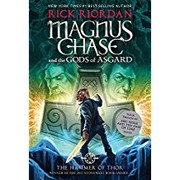
The Hammer of Thor
Magnus and Sam chase Thor's stolen hammer to a giant wedding heist, with Alex Fierro joining Floor Nineteen as Loki bargains and Ragnarok stirs.
3,068-word summary · 14 min read
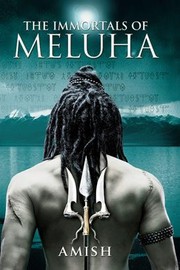
The Immortals of Meluha
Tribal Shiva learns he is fabled Neelkanth prophesied to save Meluha.
1,994-word summary · 9 min read
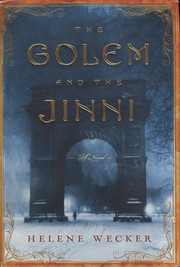
The Golem and the Jinni
A clay woman and a fire spirit hide in 1899 New York, passing as immigrants while their makers' pasts close in.
2,726-word summary · 12 min read