
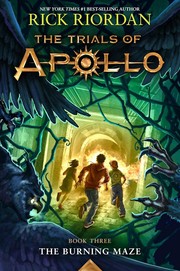
The Burning Maze
2,248-word summary 10 min read 448 pages in the book
- First published
- 2018
- Publisher
- Disney-Hyperion
- Pages
- 448
- ISBN
- 9781484746431
- Series
- The Trials of Apollo (#3)
Reading options
What's inside (9 sections)
I came to The Burning Maze expecting another fast, funny Percy Jackson adventure. The Trials of Apollo had already been darker than the original series, but it still had a god who complained about acne and a twelve-year-old girl who could grow plants out of nowhere. This book is where the series stops joking about mortality and starts taking it seriously. By the last hundred pages, I understood why readers still argue about it.
The novel was published in 2018 by Disney-Hyperion, with a cover by John Rocco. It runs 448 pages in hardcover and is the third book in The Trials of Apollo, after The Hidden Oracle and The Dark Prophecy. The narrator is Apollo, the Greek god of music, poetry, prophecy, and a great many other things he will remind you about. Zeus has punished him by turning him into a mortal teenager named Lester Papadopoulos. He is clumsy, weak, and vain, and he is trying to restore the five lost Oracles so he can earn his immortality back.
The premise is a good joke, but Riordan uses it for something more than comedy. Apollo has spent thousands of years watching mortals die. He has never had to fear death himself. In this book, he is surrounded by people who can be killed, and he cannot save them by being a god. That limitation is the engine of the plot.
A God in a Teenage Body
Apollo's voice is the best and most exhausting thing about the series. He narrates in the first person, and he is constantly interrupting the story to tell you about his past glories, his fashion sense, or a haiku he has composed. The humor is part of the character. It is also a defense mechanism. Apollo uses jokes to avoid looking at the things that frighten him, and the book slowly strips that defense away.
Meg McCaffrey is his companion, a twelve-year-old daughter of Demeter who has survived more than any child should. She is stubborn, secretive, and fiercely loyal. Their relationship is not a simple mentor-and-student dynamic. Apollo needs Meg as much as she needs him, and neither of them is good at admitting it. Grover Underwood, the satyr from the original Percy Jackson books, joins them in this adventure. Grover is older now, more tired, and still committed to the wild. His presence gives the book a link to the earlier series that feels earned rather than nostalgic.
The story begins in the Labyrinth. Apollo, Meg, and Grover are trying to find the third emperor of the Triumvirate, the trio of Roman emperors who have been manipulating the world from behind the scenes. The Labyrinth is not the maze of the earlier books. It is older, stranger, and more responsive to the fears of the people inside it. They are attacked by strix, a flock of blood-drinking birds, and Grover saves them by unleashing the cry of Pan. The cry opens a path to Aeithales, a hidden greenhouse in Palm Springs that turns out to be Meg's childhood home.
Aeithales is one of the best settings in the series. It is a place of growth and memory, a garden that Meg's mother created before her death. The name means something like "ever-blooming." It is also a ruin. The greenhouse has been abandoned, and the plants have gone wild. Meg's return to it is painful and necessary. She has spent the series running from her past, and the garden forces her to look at it.
The Army Surplus Store and the Horse
Mellie, the wife of the satyr Gleeson Hedge, asks Apollo and Grover to check on Hedge. He has gone to an army surplus store nearby and has not come back. The store is a front for something worse. Inside, they find Naevius Sutorius Macro, a former Roman prefect who served under Caligula. Macro is not a god. He is a man who has been kept alive by the emperors' power, and he is not happy about it. The encounter is grotesque and funny in the way Riordan does well. Macro is a bureaucrat with a sadistic streak, and his soldiers are not quite human.
The store also gives them a clue about the third emperor. A horse named Incitatus appears, and Apollo recognizes him. Incitatus was Caligula's favorite horse, a animal that the emperor supposedly tried to make a consul. In Riordan's version, Incitatus is more than a horse. He is a creature of the Triumvirate, and he is working for Caligula. The reveal lands because Caligula is one of the few Roman emperors whose real-life reputation is as bad as the fictional version. He was cruel, extravagant, and unpredictable. Riordan makes him a worthy villain.
Caligula is not just a monster. He is a performer. He understands that power is a story, and he stages his cruelty for an audience. His ship is a floating palace, complete with gardens and a temple. He wants to become the new sun god, and he has a plan to do it. That plan involves the captured Titan Helios, whose burning body is being used as a battery. It is a grotesque image, and Riordan does not let it go to waste.
Jason and Piper
Jason Grace and Piper McLean are pulled into the story early. Jason is at school, trying to live a normal life, and he is failing. Monsters keep finding him. Piper is preparing to move to Tahlequah, Oklahoma, with her father. Their relationship is strained. They love each other, but they are not sure whether they fit into each other's lives anymore. Riordan handles this with more maturity than the earlier books. These are teenagers who have been through a war, and they are trying to figure out what comes next.
Jason tells Apollo something important. He has met Herophile, the Sibyl inside the Labyrinth, and she gave him a prophecy. The prophecy says that when Apollo and Meg return to the Labyrinth, one of the people with them will die. Jason believes it will be Piper. He keeps the secret to protect her. That decision is understandable and wrong, and it sets up the book's tragedy.
The four of them sneak onto Caligula's ship to steal a pair of shoes. The shoes are important because of a prophecy from the previous book. The heist is tense and well staged. It is also a trap. Caligula knows they are coming. His guards, the Pandai, are loyal and deadly. A young Pandai named Crest helps them escape, and his presence complicates the moral picture. The Pandai are not all villains. They are people who have been raised in service to a monster.
The Death of Jason Grace
The fight with Caligula is the moment the book changes. Jason engages the emperor to buy time for the others. He is a demigod, the son of Jupiter, and he has fought gods before. Caligula is something else. He is armed with a spear that can kill a demigod, and he is faster than he looks. He stabs Jason twice. Incitatus kicks him while he is down. Jason calls on the venti, the air spirits, to help his friends escape, and then he dies.
I knew Jason was in danger from the prophecy, but I did not expect the book to go through with it. Riordan has killed characters before, but usually in ways that leave room for a last-minute rescue. This death is not reversible. Jason is gone. The scene is brutal and quick, and it leaves the survivors in shock. Apollo, who has watched mortals die for centuries, is devastated. He blames himself. Piper blames him too, and she is not entirely wrong.
Jason's death is the best-written part of the novel. It is not just a shocking moment. It is the culmination of his arc. Jason has spent his life being the perfect Roman soldier, the son of Jupiter, the leader. He has always done what was expected of him. In the end, he chooses to protect the people he loves, even though he knows he might not survive. It is a heroic death, but Riordan does not glorify it. It is ugly, painful, and wasteful.
Helios, Medea, and the Burning Maze
After Jason's death, Apollo, Meg, Grover, and Crest go back into the Labyrinth. They are trying to find Herophile, the Oracle who can tell them how to defeat Caligula. The maze is full of riddles, and Apollo is not as clever as he thinks he is. He panics and gives the wrong answer to one of the riddles, which nearly kills them. The failure is important. Apollo is not the hero of this story in the way he wants to be. He is a flawed, frightened person who has to rely on others.
They find the source of the fires that have been burning across Southern California. It is Helios, the old sun Titan, chained and burning. Medea, the sorceress from Greek mythology, is using him to power Caligula's transformation. Medea is a fascinating villain. She is brilliant, bitter, and willing to burn the world to get what she wants. Her history with Jason (the original hero, not Jason Grace) gives her a personal edge. She is not just a obstacle. She is a warning about what happens when love turns into revenge.
The final confrontation takes place in the Labyrinth and on Caligula's ship. Apollo and Meg free Herophile, who gives them another prophecy. The prophecy is not a simple instruction. It is a warning about the cost of victory. The Meliai, the ash-tree spirits that Meg planted earlier, help them escape. They kill Medea and Incitatus, but Crest dies in the process. The victory is partial and costly. Caligula escapes, and the war moves on to Camp Jupiter.
The Cost of the Cliffhanger
The Burning Maze ends on a cliffhanger. Caligula is sailing north to attack Camp Jupiter, and Apollo has to decide what to do next. The book does not resolve the larger conflict. It sets up the next volume, The Tyrant's Tomb. That is standard for a series, but it also means that this book feels incomplete. The emotional climax is Jason's death, and the plot climax is a battle that is not really over.
The pacing is uneven. The first third is slow, with a lot of travel and exposition. The middle section, especially the heist and Jason's death, is gripping. The final third is rushed, with several characters and plot threads competing for space. Medea is defeated quickly. Crest's death is sad, but he is not developed enough for it to land as hard as it should. The book is trying to do too much, and some of it gets lost.
The tone is also a problem. Apollo's jokes are funny, but they sometimes undercut the seriousness of the scenes. After Jason dies, Apollo is still making quips. Riordan tries to justify this as a coping mechanism, and sometimes it works. Other times it feels like the book is afraid to sit in the grief. The result is a story that is both darker and less coherent than the earlier books.
The female characters are strong. Meg is allowed to be angry, frightened, and capable. Piper is given room to grieve and to blame Apollo. The book does not turn her into a prize or a plot device. She is a person with her own future. The same is true of Mellie, who is more than a comic relief satyr wife. Riordan has gotten better at writing women since the early Percy Jackson books, and it shows.
The representation is also worth noting. Apollo is bisexual, and the series has acknowledged his past relationships with men and women. The book does not make a big speech about it. It is simply part of who he is. Jason and Piper's relationship is treated with respect. The story does not pretend that being a demigod is easy or that trauma can be fixed by a good fight.
Why It Still Works
For all its flaws, The Burning Maze is a book that stays with you. Jason's death is one of the most memorable moments in Riordan's work. It is not just a shock. It changes the emotional weather of the series. Apollo has to face the fact that he cannot save everyone, and that his immortality does not make him immune to grief. That is a big lesson for a character who has spent millennia avoiding it.
The book also does something interesting with the idea of legacy. Caligula wants to become a god. Medea wants to reclaim her power. Apollo wants to regain his. All of them are trying to escape the limits of their own nature. The mortals, Jason and Piper and Meg, are the ones who accept those limits and choose to act anyway. That contrast gives the story a moral center.
I would recommend this book to readers who have already started The Trials of Apollo. It is not a good entry point. It depends too much on the previous books, and it ends in the middle of a larger story. But for fans of the series, it is essential. It is the book where Riordan takes the training wheels off and lets the characters get hurt. It is uneven, and it is sad, and it is worth reading.
FAQ
Do I need to read the earlier Trials of Apollo books first?
Yes. The Burning Maze is book three and continues plots and characters from The Hidden Oracle and The Dark Prophecy.
Who dies in The Burning Maze?
Jason Grace dies. His death is a turning point for Apollo and the series.
What is the book's main theme?
Apollo's growth from vanity to humility, and the cost of heroism.
Similar books
More from The Trials of Apollo first, then related titles.
The Hidden Oracle
Apollo lands as a teen in New York with no powers and must earn his way back with Meg and demigods.
1,933-word summary · 9 min read
The Dark Prophecy
Mortal Apollo and Leo cross America to free the Oracle as Commodus hunts them.
2,368-word summary · 11 min read
The Chalice of the Gods
Percy needs three recommendation letters from three gods to apply to college, so his first quest is recovering a stolen chalice from the god of old age.
2,106-word summary · 9 min read
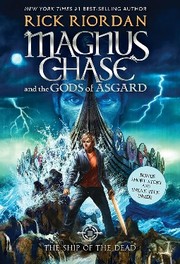
The Ship of the Dead
Magnus and his crew sail to the edges of the Norse worlds to stop Loki from launching Naglfar, the ship of the dead.
2,426-word summary · 11 min read
The Hammer of Thor
Magnus and Sam chase Thor's stolen hammer to a giant wedding heist, with Alex Fierro joining Floor Nineteen as Loki bargains and Ragnarok stirs.
3,068-word summary · 14 min read
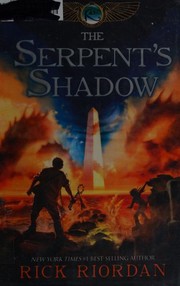
The Serpent's Shadow
Carter and Sadie Kane have three days to bind Apophis by his shadow before the serpent rises and unmakes the world.
2,941-word summary · 13 min read

The Throne of Fire
Carter and Sadie Kane have five days to wake the sun god Ra before the serpent Apophis breaks free and eats the world.
2,867-word summary · 13 min read
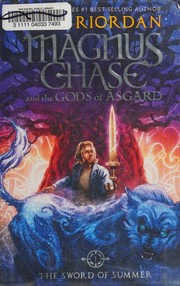
The Sword of Summer
A homeless Boston teen learns he is a Norse god son and dies on day one stopping a fire giant.
2,116-word summary · 9 min read

The Blood of Olympus
Seven demigods stop Gaia waking while Reyna brings Athena statue.
2,196-word summary · 10 min read
The Red Pyramid
Siblings Carter and Sadie Kane wake the Egyptian gods and must stop Set from destroying the world.
2,682-word summary · 12 min read
The House of Hades
Percy and Annabeth cross Tartarus while the five close the Doors of Death before Gaea wakes.
2,910-word summary · 13 min read
The Titan's Curse
Percy joins a winter quest to save Annabeth and Artemis with Thalia, Grover, Bianca and Zoe, facing Atlas and Luke under a hard Oracle prophecy on Mount…
2,229-word summary · 10 min read
The Sea of Monsters
Percy returns for a second summer as Camp Half-Blood loses its borders, Tyson is claimed as his brother, and the Golden Fleece waits past the Sea of Monsters.
2,056-word summary · 9 min read
The Lost Hero
Jason wakes with no memory while Piper and Leo learn they are demigods sent to free Hera.
2,734-word summary · 12 min read
The Last Olympian
Percy Jackson turns sixteen as Kronos marches on Manhattan, forcing Camp Half-Blood into a final stand for Olympus beside Annabeth as the old prophecy demands…
2,564-word summary · 11 min read
The Battle of the Labyrinth
Percy and Annabeth enter the shifting Labyrinth with Rachel Dare to stop Luke and Kronos from invading Camp Half-Blood.
2,924-word summary · 13 min read

The Lightning Thief
Rick Riordan's The Lightning Thief retold: Percy Jackson, Camp Half-Blood, the stolen bolt, and the road trip to the Underworld.
2,581-word summary · 11 min read
The Thief
A boastful young thief is pulled from a prison to steal a legendary stone for the king's magus, and the story he tells about himself is not the whole story.
2,514-word summary · 11 min read
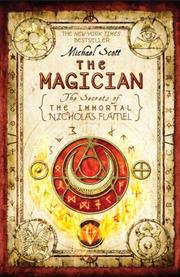
The Magician
Sophie and Josh flee to Paris with Nicholas Flamel, where John Dee, Machiavelli, and an awakened god close in on the missing pages of the Codex.
2,162-word summary · 10 min read
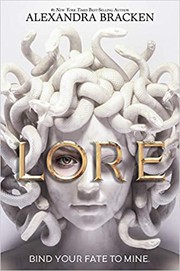
Lore
Lore Perseous, the last of a hunted bloodline, is pulled back into the Agon when a wounded Athena offers her revenge against the god who killed her family.
2,188-word summary · 10 min read
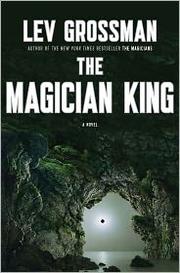
The Magician King
Quentin rules a peaceful Fillory until a golden key strands him on Earth, while Julia's brutal road from hedge witch to demigod rewrites the whole story.
2,431-word summary · 11 min read
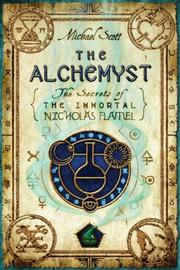
The Alchemyst
Twins Sophie and Josh learn their boss is Flamel as Dee steals the Codex minus two pages.
2,085-word summary · 9 min read
Children of Blood and Bone
White haired Zelie chases magic return with princess Amari hunted by Inan.
2,027-word summary · 9 min read
The Demigod Files
Three Percy Jackson side quests plus camp maps, cabin guides, interviews, and god profiles set before the final battle.
2,498-word summary · 11 min read
The Son of Neptune
Amnesiac Percy wakes at Camp Jupiter and quests to Alaska with Hazel and Frank to free Thanatos.
2,107-word summary · 9 min read
The Mark of Athena
Seven demigods sail for Rome where Annabeth must follow the Mark to the Athena Parthenos alone.
2,031-word summary · 9 min read

Inkdeath
The final Inkworld novel sends Mo into the land of the dead, leaves Meggie choosing between two boys, and ends the Adderhead's immortality with three written…
2,062-word summary · 9 min read

Vow of Thieves
Kazi and Jase return to Tor's Watch to find it occupied, and their marriage is tested by captivity, betrayal, and a war for the town of Hell's Mouth.
2,059-word summary · 9 min read
The Icebound Land
Captured and enslaved in Skandia, Will fights a drug that erases him while Halt and Horace cut a bloody road through Gallica to bring him home.
2,088-word summary · 9 min read
The Secret of the Nagas
Shiva hunts the Naga who attacked Sati, discovers her hidden twin sister and lost son, and follows the trail to the Naga capital of Panchavati.
2,442-word summary · 11 min read