
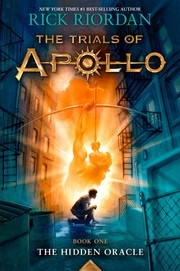
The Hidden Oracle
1,933-word summary 9 min read 384 pages in the book
- First published
- 2016
- Publisher
- Disney Hyperion
- Pages
- 384
- ISBN
- 9781484732748
- Series
- The Trials of Apollo (#1)
Reading options
What's inside (6 sections)
Apollo with acne is the funniest and most human Riordan has been. The Hidden Oracle by Rick Riordan was first published May 3, 2016 by Disney Hyperion, a 384 page hardcover with ISBN 9781484732748. It is book one of The Trials of Apollo, after Percy Jackson and Heroes of Olympus. Zeus punishes Apollo by making him mortal as Lester Papadopoulos, a teen with flab and no powers. He lands in New York in a dumpster. Meg McCaffrey claims his service. I laughed from page two and stayed for the humility lesson underneath jokes.
Lester is Apollo stripped of everything that made him insufferable and charming. No music skill that works. No archery. No perfect teeth. Just allergies, fear, and haiku that are mostly bad on purpose. Riordan writes his narration as an ex god learning footnotes. I was awesome. Now I am garbage. Deal with it. That voice carries the book. Arrogant enough to be funny. Vulnerable enough to grow. Teens who hate perfect heroes will love hating then liking him.
Meg is the co lead who steals every scene by not caring about Apollo fame. Twelve, strong, with crescent rings that turn to swords and a temper that turns to loyalty. She demands Apollo swear on the Styx to serve her until he earns favor. He does, thinking it temporary. She holds him to it with a child seriousness about fairness. Their dynamic, grumpy teen god and bossy kid, flips the usual mentor script. She teaches him to take buses, to eat on budgets, to ask for help. He teaches her gods can apologize. Both learn.
Dumpster to Camp
The opening is pure Riordan slapstick with stakes. Apollo falls into trash, gets mugged by teens who steal his godly grace, and is saved by Meg throwing a trash lid. They bicker to Camp Half Blood with no money and bad shoes. At camp, old friends react with shock and glee. Percy Jackson, now in college prep, gives them a ride and advice about being human. Will Solace patches Lester blisters. Nico glares. Chiron sighs the sigh of a centaur who has seen gods fall before.
Camp has changed in ways that set the series arc. Oracles gone silent. Prophecies failing. Demigods nervous. A new threat of emperors who call themselves gods and burn groves. Lester, who caused some of this through past arrogance as Apollo, must face victims he barely remembers. A nymph he cursed. A satyr he ignored. Riordan uses the return to camp as apology tour without making it dreary. Each encounter gets a joke and a wince. Sorry I turned you into a tree. My bad about the plague.
Meg claim complicates everything in good ways. She is a demigod with mysterious parentage and plant powers that explode when scared. Vines through pavement. Peaches that heal and choke. She trusts Apollo exactly as far as his oath binds, which is smart for a kid raised by an abusive stepfather she escaped. Her backstory unfolds slowly, which suits a child testing if adults stay. Lester, to his credit, stays even when she yells. He has nowhere else, which becomes somewhere to be.
The quest forms around missing oracles. Dodona in the woods. Delphi with Python. Trophonius with nightmares. To earn Zeus favor, Apollo must restore them starting nearby. That means entering woods with Meg and a few demigods to face spirits angry at Apollo specifically. A scene where trees refuse his music because he once burned a grove for a laugh is perfect comeuppance. Nature remembers what gods forget. Lester must listen rather than perform. Hard for a god of music. Harder for a teen boy used to applause.
A fair note. Early chapters lean on Percy Jackson cameos for comfort. Fun, but Lester can feel sidelined in his own book for fifty pages. Stick through. Once Meg drags him into the woods alone, his voice steadies. The training wheels come off. By the labyrinth, he narrates like himself, not like a guest in someone else saga.
Emperors and oracles
The villains, the Triumvirate of Roman emperors, are skin crawling in the best Riordan way. Nero, Commodus, and Caligula, alive through godhood lite and money, run a company that buys prophecies and burns those who refuse. They represent the worst of fame without responsibility, which mirrors Apollo old self. Facing them forces Lester to see what he was as a god. Petty. Cruel when bored. Loved for light while causing burns. That reflection hurts more than any monster fight.
Nero connection to Meg raises stakes beyond save the camp. He raised her after her father died, twisted care with control, and sent her to claim Apollo as servant for his own plan. Meg loves and fears him in tangled ways kids of abusers will recognize. She obeys because disobedience once meant hunger. She defies because Apollo, for all his flaws, asks rather than orders. Their confrontation in a throne room full of fasces and fresh fruit is tense precisely because Meg must choose between two bad fathers. Old emperor who fed her. New god who needs her. She chooses herself, with help, which is the book bravest act.
Oracle lore gets full Riordan treatment with humor and horror. Dodona grove with talking trees that speak in riddles and puns. A mechanical dragon that runs on godly batteries. A cave of Trophonius where drinkers relive worst memories. Lester must drink to get prophecy and relives his worst moments as Apollo. Daphne turning to laurel to escape him. Hyacinthus dying from his discus. Those memories, told without excuses, show growth. He does not say the past was fine. He says I did that and I am sorry. For a god, that sentence is revolution.
Demigod team adds warmth. Will Solace, healer and optimist, mothers Lester with sunscreen and schedules. Nico, dark and dry, respects Meg darkness without exploiting it. Kayla and Austin, Apollo own kids, meet their father as a peer and are kind about it in ways that shame him sweetly. You were never around, they say, then include him in patrols anyway. Found family forgives by making room, not by forgetting.
If there is a sag, it is the middle labyrinth chapters where corridors repeat. Left. Trap. Joke. Right. Trap. Haiku. Necessary for quest length, but two puzzles blur. I skimmed one tile riddle and missed nothing. The payoff, when the labyrinth shows Lester his own temple ruins, needs the wandering. Still, tighter by twenty pages would have helped pace between oracle visions.
Learning to be Lester
The finale pairs a camp defense with a personal vow. Emperors attack while Lester is still mostly powerless. He cannot nuke them with sun. He can shoot badly, play music that calms one beast, and carry Meg when she falls. Those small contributions matter because they are human scale. For the first time Apollo wins by helping rather than shining. The battle ends not with godly triumph but with retreat and resolve. Oracles still broken. Enemies still rich. But one grove restored and one kid safe. Enough for book one.
Lester choice at the end, to continue trials rather than beg Zeus for shortcut, seals growth. He could grovel. Instead he writes a haiku that admits fault and asks for work. Zeus does not answer, which is answer enough. Keep going. Meg stays with him, not as master but as friend who still holds the oath as safety. Their last bickering walk into woods, about snacks and shoes, feels like family forming. Dysfunctional, funny, and staying.
What stays with me is Riordan argument about celebrity. Apollo was the original influencer, loved for light and likes. As Lester he learns what fans never see. Blisters. Hunger. Fear. Needing help to read a map. That education makes him kinder without making him less funny. Jokes remain, but punchlines now include himself. My haiku are bad. My archery is worse. My heart is trying. That is a better brand than godhood.
Camp Half Blood returnees and new kids
The returning cast deserves attention because they show how much the world moved while Apollo sulked on Olympus. Percy Jackson, now preparing for college, gives Lester a ride and a reality check without stealing focus. He listens to god complaints, then says try being mortal for midterms. That deadpan kindness sets tone. Annabeth is busy with architecture, mentioned with love rather than shown, which respects her growth beyond quests. Will Solace runs the infirmary with schedules and sunscreen. Nico broods in corners and defends Meg darkness without romanticizing it. These cameos reassure without crowding. Old friends are busy living, not waiting for gods to need them.
New demigods get names and quirks that make camp feel populated rather than a set for Apollo. Kayla and Austin, Apollo own children, meet their father as a peer with acne. They are kind about it in ways that shame him sweetly. You were never around, they say, then include him in patrols anyway. Paolo, Chiara, and others bicker about chores and monsters with the ease of kids who grew up together while readers aged. That continuity rewards long fans without punishing new ones. You can tell who is new by who explains. Exposition gets handed to Lester as the clueless one for once, which flips the usual new kid device neatly. A capture the flag game where Lester trips over roots while kids fly past had me laughing at godly comeuppance done right. Humiliation as orientation works.
Meg McCaffrey remains the breakout and needs a final note on how Riordan writes kids with trauma without making them lessons. She hoards food. She flinches at raised hands. She trusts plants more than people. Her crescent rings turn to swords when scared, which means fear looks like violence even when she means defense. Lester learns to announce movements, to share snacks without keeping score, to apologize without demanding forgiveness. Those small accommodations model how to befriend hurt kids without fixing them. Meg stays prickly to the end, which is honest. Healing does not make her sweet. It makes her safer to be herself. A scene where she falls asleep mid watch because Lester stayed awake the night before says more than any hug. Safety lets guards drop. Even demigods need naps. Lester covers her with his jacket and takes the extra hour himself, mosquito bitten and proud. That shift trade, done without comment, is the closest Apollo comes to atonement in this book. Care without audience. Gods rarely manage it. Lester learns. Later he repeats it by taking Meg nightmares seriously instead of mocking them. He sits through her retelling of Nero house rules without jokes, which for him is heroic restraint. Listening without punchlines is new muscle. It shakes. He uses it anyway. Meg tests it by telling a boring story about weeding just to see if he stays awake. He does, barely, and asks a follow up about soil. She rewards him with the first unguarded laugh in the book. Small gardening talk heals more than prophecy. Gods learn through weeds.
Read it after Percy Jackson and Heroes of Olympus for full cameos, though new readers can start here with a little patience for names. It pairs well with snacks and breaks to Google myths. Do not expect epic scale yet. Expect a dumpster god learning buses. By the last page you will root for Lester Papadopoulos, zits and all, in a way you never rooted for Apollo radiant. That is the trick. Fall first. Shine later, if at all. Humility looks good on him.
FAQ
When was The Hidden Oracle published?
Disney Hyperion published it May 3, 2016. It runs 384 pages and the hardcover ISBN is 9781484732748.
Is it part of a series?
Yes. It is book one of The Trials of Apollo after Percy Jackson and Heroes of Olympus. Read those first for full fun.
Similar books
More from The Trials of Apollo first, then related titles.
The Dark Prophecy
Mortal Apollo and Leo cross America to free the Oracle as Commodus hunts them.
2,368-word summary · 11 min read
The Burning Maze
Apollo, still trapped in a mortal teenager's body, follows a dangerous prophecy through the Labyrinth with Meg and Grover as the Triumvirate's grip tightens.
2,248-word summary · 10 min read
The Hammer of Thor
Magnus and Sam chase Thor's stolen hammer to a giant wedding heist, with Alex Fierro joining Floor Nineteen as Loki bargains and Ragnarok stirs.
3,068-word summary · 14 min read
The Chalice of the Gods
Percy needs three recommendation letters from three gods to apply to college, so his first quest is recovering a stolen chalice from the god of old age.
2,106-word summary · 9 min read
The Ship of the Dead
Magnus and his crew sail to the edges of the Norse worlds to stop Loki from launching Naglfar, the ship of the dead.
2,426-word summary · 11 min read
The Serpent's Shadow
Carter and Sadie Kane have three days to bind Apophis by his shadow before the serpent rises and unmakes the world.
2,941-word summary · 13 min read

The Throne of Fire
Carter and Sadie Kane have five days to wake the sun god Ra before the serpent Apophis breaks free and eats the world.
2,867-word summary · 13 min read
The Sword of Summer
A homeless Boston teen learns he is a Norse god son and dies on day one stopping a fire giant.
2,116-word summary · 9 min read

The Blood of Olympus
Seven demigods stop Gaia waking while Reyna brings Athena statue.
2,196-word summary · 10 min read
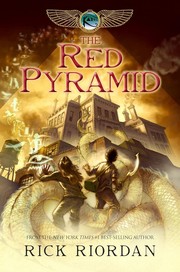
The Red Pyramid
Siblings Carter and Sadie Kane wake the Egyptian gods and must stop Set from destroying the world.
2,682-word summary · 12 min read
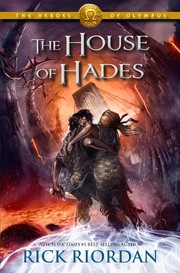
The House of Hades
Percy and Annabeth cross Tartarus while the five close the Doors of Death before Gaea wakes.
2,910-word summary · 13 min read
The Titan's Curse
Percy joins a winter quest to save Annabeth and Artemis with Thalia, Grover, Bianca and Zoe, facing Atlas and Luke under a hard Oracle prophecy on Mount…
2,229-word summary · 10 min read
The Sea of Monsters
Percy returns for a second summer as Camp Half-Blood loses its borders, Tyson is claimed as his brother, and the Golden Fleece waits past the Sea of Monsters.
2,056-word summary · 9 min read
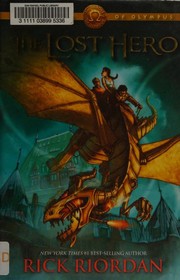
The Lost Hero
Jason wakes with no memory while Piper and Leo learn they are demigods sent to free Hera.
2,734-word summary · 12 min read
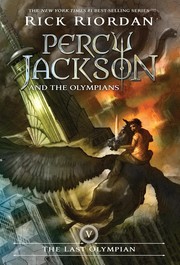
The Last Olympian
Percy Jackson turns sixteen as Kronos marches on Manhattan, forcing Camp Half-Blood into a final stand for Olympus beside Annabeth as the old prophecy demands…
2,564-word summary · 11 min read
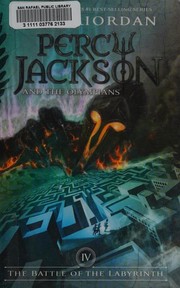
The Battle of the Labyrinth
Percy and Annabeth enter the shifting Labyrinth with Rachel Dare to stop Luke and Kronos from invading Camp Half-Blood.
2,924-word summary · 13 min read

The Lightning Thief
Rick Riordan's The Lightning Thief retold: Percy Jackson, Camp Half-Blood, the stolen bolt, and the road trip to the Underworld.
2,581-word summary · 11 min read
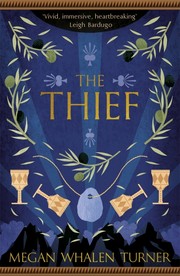
The Thief
A boastful young thief is pulled from a prison to steal a legendary stone for the king's magus, and the story he tells about himself is not the whole story.
2,514-word summary · 11 min read
Dealing with Dragons
A princess who hates embroidery runs away to become the cook and librarian for a dragon, then has to outthink wizards, knights, and a plot against the dragon…
2,563-word summary · 11 min read
The Magician
Sophie and Josh flee to Paris with Nicholas Flamel, where John Dee, Machiavelli, and an awakened god close in on the missing pages of the Codex.
2,162-word summary · 10 min read

Lore
Lore Perseous, the last of a hunted bloodline, is pulled back into the Agon when a wounded Athena offers her revenge against the god who killed her family.
2,188-word summary · 10 min read
The Alchemyst
Twins Sophie and Josh learn their boss is Flamel as Dee steals the Codex minus two pages.
2,085-word summary · 9 min read
Children of Blood and Bone
White haired Zelie chases magic return with princess Amari hunted by Inan.
2,027-word summary · 9 min read
The Demigod Files
Three Percy Jackson side quests plus camp maps, cabin guides, interviews, and god profiles set before the final battle.
2,498-word summary · 11 min read
The Son of Neptune
Amnesiac Percy wakes at Camp Jupiter and quests to Alaska with Hazel and Frank to free Thanatos.
2,107-word summary · 9 min read
The Mark of Athena
Seven demigods sail for Rome where Annabeth must follow the Mark to the Athena Parthenos alone.
2,031-word summary · 9 min read

Inkdeath
The final Inkworld novel sends Mo into the land of the dead, leaves Meggie choosing between two boys, and ends the Adderhead's immortality with three written…
2,062-word summary · 9 min read
Hounded
A two-thousand-year-old druid runs a bookshop in Arizona, hides from an Irish god who wants his sword back, and talks to his dog.
2,159-word summary · 10 min read
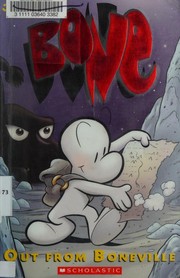
Bone, Vol. 1: Out from Boneville
Three cartoon cousins are run out of Boneville, separated by locusts, and dropped into a valley where rat creatures and an old grudge are waiting.
2,155-word summary · 10 min read

Vow of Thieves
Kazi and Jase return to Tor's Watch to find it occupied, and their marriage is tested by captivity, betrayal, and a war for the town of Hell's Mouth.
2,059-word summary · 9 min read