
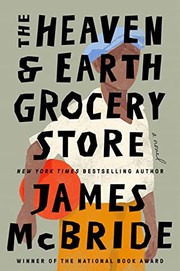
The Heaven and Earth Grocery Store
2,038-word summary 9 min read 384 pages in the book
- First published
- 2023
- Publisher
- Riverhead Books
- Pages
- 384
- ISBN
- 9780593422946
Reading options
What's inside (12 sections)
I started The Heaven and Earth Grocery Store with high hopes after Deacon King Kong and finished moved and a little tired in the best way. James McBride published it with Riverhead Books in 2023, a 384 page novel with ISBN 9780593422946. It opens in 1972 with a skeleton found in a well on Chicken Hill, a poor Pennsylvania neighborhood where Black families and Jewish immigrants lived side by side, then rewinds to the 1930s to show who was hidden, who hid them, and who used the state to take. McBride writes crowded, humane novels where music, food, and gossip carry history. This one is his most braided. Many voices. One secret. A store that feeds everyone.
Chicken Hill is the real main character. A hill above Pottstown where Black workers from the South and Jewish newcomers from Europe share porches, shops, and a theater. Moshe Ludlow runs the theater and dances at weddings. His wife Chona runs the Heaven and Earth Grocery Store with open tabs for anyone hungry. Nate Timblin, a quiet Black handyman, fixes everything and says little. The Hill has its own rules. Do not call the police if you can call Nate. Do not let white downtown decide who is family. Music drifts between houses. Chicken smells mix with challah. Children run in packs that ignore the color lines their parents cannot fully ignore.
Dodo is the child at the center. A young Black boy, deaf after illness, bright and funny, left in the care of relatives who love him but cannot protect him from the state. Pennsylvania in the 1930s sends inconvenient children to Pennhurst, an asylum notorious for neglect. Doc Roberts, the local white doctor, recommends it with a smile. He also has his own reasons for wanting Dodo out of sight. Chona, who lost a child and knows what institutions do, decides Dodo will not go. She hides him in rooms above the store, in the theater basement, in houses up the hill. A network forms. Nate carries food. Moshe drives at night. Neighbors lie to inspectors with straight faces. The store ledger fills with debts no one expects repaid.
Chona and Moshe
Chona is the moral engine and the most memorable McBride heroine since Hettie. Short, limping from a childhood injury, sharp tongued with fools and soft with children, she runs the store as a mission rather than a business. She extends credit during the Depression when it ruins her. She feeds a boy the state calls unfit while her own health fails. She argues with rabbis, priests, and Klansmen with the same plain speech. You are wrong. Sit down. Eat. Her marriage to Moshe is tender and tired. He loves her fully and fears for her constantly. He wants to move to a safer town. She will not leave her hill. Their love scenes are small. Tea brought without asking. A hand on a back during a cough. It is enough to carry 384 pages.
Moshe theater gives the book its joy. Movies, dances, touring bands. Moshe books Black acts downtown venues refuse and makes money proving prejudice is bad business. His dance floor is one of the few integrated spaces around. Nate works the door. Chona sells candy. Children sneak in. That theater also funds the hiding. Cash in envelopes. Gas for night drives. McBride, a musician himself, writes performance with ease. You hear the horns. You also see the cost. Downtown notices money flowing to the Hill and looks for ways to take it. A theater license becomes a weapon. A fire inspection becomes a threat.
Nate and Doc Roberts
Nate Timblin barely speaks and sees everything. A veteran of labor camps and chain gangs, he moves through Chicken Hill fixing roofs and carrying secrets. He loves Chona like a sister and Moshe like a brother, and he loves Dodo with a father fierceness he never names. His chapters are short and physical. Lifting. Watching. Waiting outside an office to make sure a man leaves town. McBride trusts silence. Nate backstory arrives in fragments. A missing wife. A prison scar. A promise to never let another child be taken if he can help it. When violence comes, Nate acts without speeches. The book respects him enough not to explain every blow.
Doc Roberts is the banal evil the novel needs. Not a cartoon racist but a respected man who uses paperwork to harm. He diagnoses Dodo as feeble minded for the state. He signs forms that pay him. He also preys on women in his practice in ways the town whispers about. McBride shows how Northern racism worked through institutions rather than mobs. No burning cross on Chicken Hill. Just a letter from Harrisburg, a hearing with no translator for a deaf boy, a van that comes on Tuesday. That quiet process is harder to fight than a single villain, which is why the Hill must fight it together and for years.
The well
The 1972 frame with a skeleton in a well could have felt gimmicky. It does not. The discovery by construction workers opens old files and old mouths. Who went missing in the thirties. Which well was capped when. Why the theater closed. McBride doles answers slowly while keeping the thirties story primary. You will guess whose bones they are before the end, but the point is not shock. It is cost. Hiding Dodo required lies, money, and at least one death that was never reported right. The neighbors who kept the secret into old age did not call it heroism. They called it Tuesday. The well gives them a final chance to tell true.
The deafness thread is handled with unusual care. Dodo communicates in signs, drawings, and humor. The hearing characters learn to sign badly and keep trying. McBride shows institutional horror without making Dodo a symbol. He is a boy who loves water, jokes, and music he feels through floors. His friendship with another hidden child, a white girl whose family also fears the state, is sweet without being cute. When Dodo is finally taken to Pennhurst despite everything, the chapters inside are brief and devastating. Cold. Noise. Hands that do not sign. His rescue, when it comes, is not triumphant so much as necessary. Get him out. Worry about the rest later.
What sprawls and what holds
McBride sprawl is both gift and tax. Dozens of named neighbors get backstories. A baker. A preacher. A cop. A lawyer. A band leader. Most earn their pages through humor or food. A few could have been cut. The middle has a long stretch about theater finances and town politics that slows the hiding plot. Readers who want a thriller about a boy will find the pace loose. This is a community novel that asks you to live on the Hill, not race through it. If you liked Deacon sprawl, you will be happy. If you wanted a tight rescue, you may fidget.
What holds is voice. McBride narrator is wry, musical, and openly loving toward his people. He steps aside for Yiddish jokes, Black church cadence, and immigrant English without translating everything. Food carries feeling. Chona soup. Moshe pickles. Nate coffee so strong it stands. Music carries memory. A dance steps described so you can see feet. That sensory wealth makes the historical argument without lectures. Integration was not an idea on Chicken Hill. It was groceries and dances and hiding a boy together.
Who it is for
Read it if you like crowded American novels where a neighborhood is the hero, or if you want historical fiction about disability and race outside the South. Content notes include institutional abuse of children, racist language and violence quoted to show system rot, child endangerment, death of a spouse, and a skeleton mystery with no gore. Suitable for teens and up with context.
I closed it thinking about the store ledger. Chona wrote debts she knew would never be paid and kept serving. The Hill repaid her by keeping her secret for fifty years. That exchange, food for silence, care for care, is the book thesis. Heaven and earth meet in a grocery where everyone owes and everyone eats. McBride, who has spent a career writing about people the country overlooks, found a perfect image for his faith. Keep the store open. Feed who comes. Hide who must be hidden. The well remembers the rest.
A note on history
Pennhurst State School closed in 1987 after lawsuits exposed abuse. Pottstown hills did hold mixed Black and Jewish working communities in the Depression. McBride blends fact with fiction openly. Dodo is invented. The system that hunted him was not. If the novel sends you to nonfiction, start with histories of Pennhurst and of company towns in eastern Pennsylvania. The fiction will feel heavier and kinder after.
The theater as bank
Moshe theater finances deserve a closer look because they explain how the Hill survived the Depression. Downtown banks would not lend to Black lodges or Jewish shops on fair terms. The theater took cash nightly, paid acts in cash, and kept a safe that functioned as a community bank. Moshe lent from that safe without papers. A roof repair. A doctor bill. Gas for a night drive to hide Dodo. Chona ledger tracked debts in pencil that smudged when repaid in labor. That informal economy is why downtown wanted the theater closed. Not morals. Money flowing where it could not be skimmed. McBride, who understands music business, writes the booking details with love. Percentages. Ticket splits. A touring band that eats the profit in ham. The numbers ground the idealism. Generosity needs a door take.
Paper trails and Doc Roberts
Doc Roberts power runs on paper, so the Hill learns to fight with paper too. A lawyer friend files habeas motions that delay van pickups by days. A nurse copies intake logs that show which children were taken without hearings. Nate steals a file and burns it without reading, which the book presents as both wrong and necessary. McBride does not pretend paperwork saves everyone. Dodo still goes to Pennhurst for a stretch. But delays buy time for bribes, moves, and hiding places to arrange. The novel respects bureaucratic resistance as real courage. Typing. Copying. Filing. Showing up at a hearing with a signed affidavit. Those acts lack drama and save lives. Anyone who has fought a school or hospital with forms will recognize the war.
Music on the Hill
Music is not background here. It pays rent. Moshe books acts, takes a cut, and feeds the Hill with proceeds. A dance night brings Black foundry workers and Jewish shopkeepers onto one floor where feet matter more than names. McBride describes steps, horns, and sweat with musician exactness. You hear the band tighten when a solo lands. You also see who is not allowed downtown. A white club owner offers Moshe more money to bring his acts down the hill without their crowd. Moshe refuses and loses a booking that would have saved months. That refusal costs real food. Chona covers the gap with store credit she cannot afford. Art and groceries trade places all book. Songs fund hiding. Hiding protects the children who will one day play songs. The circle holds because people choose it nightly.
Chona health
Chona failing health shapes every decision and McBride never uses it for cheap pity. A childhood injury left her with a limp and chronic pain that worsens under stress. She hides coughs from Moshe. She works the register sitting when no one watches. Her refusal to rest is both heroic and stubborn. A doctor warns her. She nods and opens the store next morning. That stubbornness saves Dodo and kills her by inches. Moshe begs her to see specialists downtown. She refuses because downtown doctors report to the same system hunting the boy. Her death, when it comes, is quiet and unsurprising and devastating anyway. The Hill mourns with food. Covered dishes for Moshe who cannot eat. Nate fixing the store shelves so Moshe will not have to look at them broken. Grief here is practical. Keep the store swept. Keep the boy hidden. Keep going.
FAQ
When was The Heaven and Earth Grocery Store published?
Riverhead Books published it in 2023. The hardcover runs 384 pages and the ISBN is 9780593422946.
Who are the main characters?
Chona, who runs the store, her husband Moshe, Nate the handyman, Dodo the deaf boy, and Doc Roberts.
Is it part of a series?
No. It stands alone, following Deacon King Kong with a new town and cast.
Similar books
The Book of Lost Friends
Three women trace Lost Friends ads from 1875 to find stolen sons.
2,368-word summary · 11 min read
The Art Forger
A disgraced Boston painter agrees to copy a Degas stolen from the Gardner Museum, then begins to suspect the original she is copying is itself a forgery.
2,117-word summary · 9 min read
Take My Hand
In 1973 Montgomery, a young nurse discovers that two sisters were sterilized without consent, and spends the rest of her life living with what she could not…
2,126-word summary · 9 min read

Anatomy: A Love Story
In 1817 Edinburgh, a noblewoman who wants to be a surgeon disguises herself to study anatomy and falls for the grave robber who supplies her with bodies.
2,031-word summary · 9 min read
The Power of One
A boy in apartheid South Africa decides to become welterweight champion of the world, and the novel follows every mentor, fight, and loss that gets him there.
2,145-word summary · 10 min read

Ace of Spades
Two Black seniors at an elite academy are celebrated by day and hunted by an anonymous texter in this YA thriller about institutional racism.
2,066-word summary · 9 min read
The Black Dahlia
James Ellroy builds a fiction around the real Black Dahlia murder, following two Los Angeles cops whose partnership and obsessions destroy them.
2,533-word summary · 11 min read
Only Time Will Tell
A Bristol dockworker's son wins a scholarship, falls in love with the daughter of the family that owns the shipyard, and learns that his father's death was not…
2,082-word summary · 9 min read
Once Upon a River
A wounded man stumbles into a riverside inn carrying what appears to be a drowned child who is not quite dead, and the story braids the guesses of everyone who…
2,173-word summary · 10 min read
The Echo of Old Books
Barbara Davis's 2023 novel sends a rare-book dealer in 1984 New Hampshire hunting for the authors of two unpublished volumes that tell opposite sides of one…
2,491-word summary · 11 min read
Last Night at the Telegraph Club
The 2021 National Book Award winner follows Lily Hu, a Chinese American teenager in 1954 San Francisco, as she falls for Kath and learns what it costs to be…
2,336-word summary · 10 min read
Big Lies in a Small Town
A 22-year-old woman leaves prison to restore a 1940 mural, and Edenton, North Carolina, starts talking.
2,187-word summary · 10 min read

Wide Sargasso Sea
Jean Rhys gives the first Mrs. Rochester a Caribbean childhood, a marriage built on money and suspicion, and a voice that Charlotte Bronte left in the attic.
2,021-word summary · 9 min read
The Tuscan Child
After her father's death, Joanna follows a returned letter to Tuscany and uncovers his wartime love, a hidden painting and a village secret. A dual-timeline…
2,095-word summary · 9 min read
The Diviners
In 1920s New York, Evie O'Neill's ability to read objects pulls her into an occult investigation that awakens something far older and more dangerous.
2,045-word summary · 9 min read
The House of Eve
Two Black women in 1950s Philadelphia and Washington, one a pregnant teenager and one a doctor's wife who cannot carry a child, are pulled together by a…
2,270-word summary · 10 min read
The Clockmaker's Daughter
A London archivist finds a Victorian satchel holding a photograph, a sketchbook and a letter, then follows them to Birchwood Manor, where a young woman died in…
2,886-word summary · 13 min read
When No One Is Watching
Sydney Green watches her Brooklyn block's Black residents vanish one by one in Cole's Edgar-winning thriller about gentrification as a crime scene.
2,165-word summary · 10 min read
Death Comes to Pemberley
P.D. James drops a murder onto the Pemberley estate and sends Wickham to trial, reading Austen's most famous marriage through the machinery of Georgian justice.
2,318-word summary · 10 min read

The Redbreast
Harry Hole chases an ageing sniper through modern Oslo while two Norwegian volunteers on the Eastern Front carry a fifty-year-old betrayal toward a royal…
2,453-word summary · 11 min read
The Lost Girls of Paris
In 1946, a war widow finds an abandoned suitcase in Grand Central holding photographs of twelve women who vanished in the war, and follows their story back to…
2,668-word summary · 12 min read
Razorblade Tears
Two ex-con fathers, one Black and one white, hunt their murdered sons' killers in a Richmond that never gave the boys a fair shake.
2,880-word summary · 13 min read
The Water Dancer
An enslaved man with a strange power for travel fights to free himself and rescue those he loves.
2,910-word summary · 13 min read
The Prisoner of Heaven
Fermin Christmas past returns with a stranger and a prison debt.
2,388-word summary · 11 min read
Fingersmith
A thief plots to cheat an heiress, then the scheme flips twice in Victorian London.
2,532-word summary · 11 min read
Bleak House
Jarndyce and Jarndyce grinds through Chancery while Esther finds her family.
2,480-word summary · 11 min read
The Spy Who Came In from the Cold
A burnt-out Berlin agent takes one last mission that requires him to look like a traitor.
2,578-word summary · 11 min read
Song of Solomon
Milkman Dead leaves Michigan to hunt for family gold and finds instead the old song of his ancestor Solomon.
2,465-word summary · 11 min read
Maisie Dobbs
A maid turned war nurse opens a London inquiry agency in 1929 and traces a quiet case to a refuge for shattered soldiers.
2,382-word summary · 11 min read
The House at Riverton
In 1999, ninety eight year old maid Grace Bradley tapes the truth about a 1924 shooting at Riverton Manor, poet Robbie Hunter, two sisters and a lie held for…
2,433-word summary · 11 min read