
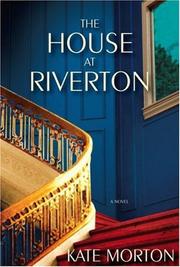
The House at Riverton
2,433-word summary 11 min read 480 pages in the book
- First published
- 2007
- Publisher
- Atria Books
- Pages
- 480
- ISBN
- 9781439152676
Reading options
What's inside (8 sections)
I picked up The House at Riverton because I wanted a quiet winter book and a friend said this one would make me miss my train stop. She was right. I started it on a grey afternoon and ended up carrying it room to room, reading while pasta boiled and while laundry hummed. Kate Morton first published the novel in 2007 in the United Kingdom with Pan Macmillan, in Australia as The Shifting Fog with Allen and Unwin, and the Atria Books edition cited here runs 480 pages. What follows retells the whole story, ending included, because that is what these summaries are for.
Grace Bradley is ninety eight and living in a small flat in England in 1999. She was once Grace Reeves, a maid at Riverton Manor. A filmmaker named Ursula is making a film about Riverton and about the famous night in the summer of 1924 when the poet Robbie Hunter died by a gunshot at a grand party. Ursula tracks Grace down because Grace is the last living witness. Instead of giving a neat interview, Grace decides to record tapes for her grandson Marcus, telling the truth she has held for seventy five years. That frame, an old woman speaking into a recorder, holds the whole book.
Tapes for Marcus in 1999
The present day scenes are slow on purpose. Grace lives with routine visits, a nurse, memories that come and go. Her grandson Marcus visits with kindness but little grasp of her past. Ruth, who helps care for her, urges her to let old things rest. Ursula sends letters and then visits, polite but hungry for detail that will help her film. She wants the romance of Riverton, the dresses, the Bright Young People, the poet who died young. Grace knows the film will smooth edges. She agrees to meet, but her real audience is Marcus.
I liked how Morton uses the tapes to show memory working. Grace corrects herself. She pauses. She admits she cannot read a key letter because it was written in shorthand she never learned. She remembers smells first, polish, rain on gravel, lake water, cigarette smoke in summerhouses. Then faces come. Those hesitations make her believable. She is not a detective laying out clues. She is a woman near death trying to set down weight before she goes.
The frame also lets Morton move in time without hurry. We start in 1999, slip to 1914 when Grace first comes to Riverton as a young servant, move through the war years, settle into the early 1920s, then return to Grace breathless at her table, rewinding the tape. If you need fast plot, this opening will feel slow. If you settle in, the slowness starts to feel like respect for how long Grace has kept silent.
A maid below stairs and three children above
Grace arrives at Riverton as a girl from a poor home, sent into service. She is quick, observant and eager to do well. Below stairs she learns from Mrs Townsend, Mr Hamilton the butler and older maids who teach her how to carry trays, black boots, fold linen and stay invisible. Above stairs live Lord Ashbury and his wife, and their visiting grandchildren: David Hartford, Hannah Hartford and Emmeline Hartford. Grace feels an instant pull toward them, Hannah in particular, though she cannot explain why.
Later we learn the reason Grace senses but does not name. Grace is the half sister of the Hartford children, born on the wrong side of marriage lines. Hannah seems to sense it too. Neither says it outright for much of the book. Their bond grows through unsaid understanding, small kindnesses, books lent, looks held a second too long. That secret shapes Grace loyalty. She serves the family, but she also watches them as kin.
David is the older brother, decent and bound for war. Hannah is the elder sister, thoughtful, less dazzled by society, fond of reading. Emmeline is younger, bright, hungry for attention, only eleven when we first meet her properly. One Christmas, David brings home a school friend, Robbie Hunter. Emmeline, even as a child, fastens on him with crush energy. Hannah, fifteen and serious, is unimpressed at first. Robbie is clever, warm and already writing. That holiday plants the triangle that will break them all a decade later.
The war cuts through Riverton life. David is killed in the First World War. Servants leave for factories or nursing. Food tightens. Letters arrive with black edges. Grace grows from child to young woman in a house in mourning. Hannah marries, not for love but for safety, to an older businessman named Theodore Luxton, called Teddy. Emmeline grows into a beauty and drifts toward London parties. Robbie survives the trenches with shell shock that never leaves him, and he tries to build a life as a poet in a city that wants heroes to be fine.
Hannah, Robbie and Emmeline in London
Years after David death, Robbie seeks out Hannah in London to return a book she had once given her brother. Hannah is living as Mrs Luxton, polite, childless after failed attempts to conceive, stifled by a husband who means well but cannot reach her. Robbie brings talk of books, politics and the life she wanted before marriage. They fall into love and then into an affair. Morton writes this without rush. Notes passed through Emmeline visits. Meetings timed around parties. A flat with thin walls. Hannah helping plan an escape she does not fully believe can happen.
Emmeline is key here and easy to misread. She is one of the Bright Young People, photographed, gossiped about, always moving between country houses and clubs. She often stays with Hannah in London, which gives Robbie cover. He calls on Emmeline in public while slipping notes to Hannah with times and places. Emmeline thinks Robbie admires her. In truth she is the screen. Morton keeps Emmeline sympathetic even when she is careless. She was eleven when she adored Robbie. She never outgrew wanting to be chosen. Hannah loves her sister and uses her, and guilt over that use sits under every gay party scene.
Robbie wants to run away with Hannah and start fresh. He is frayed by war memory, loud noises throwing him back to trenches, and he drinks to steady himself. Hannah helps plan to calm him, but she doubts they can leave. Her husband talks of moving back to Riverton full time and reviving the estate. Hannah feels duty to family, fear of scandal and love for Robbie pulling in three directions. Grace watches from the edges, carrying trays, hearing fragments, seeing Hannah grow thinner and quieter.
To mark the Riverton revival, Hannah and Teddy plan a lavish midsummer gala. Invitations go wide. Servants polish silver for days. Tents rise on lawns. A new summerhouse stands near the lake. Fireworks are ordered. The whole county talks of it. Grace senses Hannah is bracing for something final. Hannah gives Grace two letters before the party, one for Grace in shorthand, one for Emmeline sealed. Hannah wrongly believes Grace can read shorthand. That mistake changes everything.
The gala, the lake and the shot in 1924
The gala night is the center of the book and Morton stages it with care. Music, champagne, dancing couples drifting toward the lake as dusk falls. Grace works the party, then slips to her room and finds Hannah letters. She opens the one addressed to her and sees shorthand loops she cannot read. Worried, she opens the letter for Emmeline and finds a suicide note. Hannah writes that by the time Emmeline reads it, Hannah will have drowned herself in the lake.
Grace runs to find Emmeline. They hurry to the water together. They find Hannah alive by the lake, who tries to pass it off as a game when questioned. Before Grace and Emmeline can lead her back, Robbie steps out of the new summerhouse with a suitcase in hand. He has come to run away with Hannah as planned. Emmeline understands in a flash that the visits, the calls, the smiles were never for her. Jealous and humiliated, she pulls a small handgun and threatens to kill herself.
What follows happens fast under fireworks. Hannah wrestles the gun from Emmeline. Bursts of light and bangs throw Robbie back into war panic. He shouts at Hannah to shoot Emmeline before she ruins their escape. Emmeline and Robbie rush toward Hannah at once. Hannah fires and Robbie falls. Hearing guests approach through the dark, Emmeline takes charge with cold speed. She tells Grace to carry Hannah bags up to the house to hide the planned elopement. She tells the arriving crowd that Robbie Hunter has shot himself. The police accept suicide. Poets die young. No one looks hard at rich girls crying by a lake.
I found this sequence convincing because Morton lets it be messy. No one acts cleanly. Hannah shoots to save her sister, not from courage but from panic. Robbie shouts from illness, not cruelty. Emmeline lies from instinct for self and family, not from plot genius. Grace obeys because she is a maid trained to clear and hide, and because blood loyalty to Hannah overrides truth. That obedience will haunt her for life.
After that night, Emmeline returns to London and keeps dancing through headlines until she dies in a car crash. The official story of Robbie suicide hardens into legend. Films are pitched. Poems are reprinted. Only four people know what the grass by the summerhouse really saw, and one of them is dead, one soon will be, and two choose silence.
The letters, the baby and the long silence
The aftermath is quieter and sadder than the gala. Hannah sinks into depression and distance. She tells Grace at one point that she knows Grace cannot read shorthand. Grace never learns how Hannah found out. It is one of those unsaid understandings between them, half sisters who never claim the word sister aloud.
Hannah, who had failed to conceive with Teddy, becomes pregnant after the summer. She carries the child with little joy and dies from complications during birth. The baby, a girl named Florence, has Robbie eyes. No one needs a test to see parentage. To avoid scandal, the family sends Florence to live with Hannah aunt in America. Grace holds the baby once and never forgets the weight.
Only years later does Grace learn what the shorthand letter said. It laid out Hannah and Robbie plan to run away together, with Hannah faking her death by water so the Luxtons and the press would stop hunting them. Grace was meant to hand Emmeline the suicide note after the party, then wait for word once the lovers settled elsewhere. Because Grace could not read shorthand and opened the wrong letter first, she rushed to the lake with Emmeline and walked straight into the scene Hannah meant to avoid. That knowledge sits in Grace like a stone. If Hannah had known Grace could not read the code, if Grace had waited, if Emmeline had not carried a gun, Robbie might have lived.
Grace also carries a secret of her own tied to motherhood and service, a child given up and rarely spoken of, which Morton reveals in proportion rather than as a late shock. It explains why Grace understands Hannah fear of shame, why she protects Florence memory, and why she speaks to Marcus now with urgency. She wants her grandson to know that respectable houses run on quiet sacrifices by women downstairs, and that silence has a price.
In 1999, having set the tapes down, Grace can die in peace. Ursula will make her film with its soft focus. Marcus will have the harder, truer cut. Riverton itself, sold and altered, will keep standing for visitors who know nothing of shorthand, suitcases and shots under fireworks.
What shines and what sags
Morton writes houses well. Riverton feels present without long catalogues. Stone steps worn in the middle. Bells for servants. Linen rooms. A lake that looks soft by day and black by night. London flats with thin tea and loud friends. I could see where people stood in each scene, which matters in a book built on who saw what. The upstairs downstairs view is familiar, but Morton earns it through Grace. Because Grace is both servant and secret sister, she moves between floors in a way that feels natural rather than tour guided.
The love story also holds. Hannah and Robbie are not idealized. He is damaged, needy and sometimes sharp with drink. She is indecisive, loyal to comfort and slow to act. Their affair is selfish toward Teddy and toward Emmeline, and Morton does not hide that. Yet their letters, books shared and small plans for a plain life elsewhere give the tragedy force. When Hannah fires, you feel a future close, not just a body fall.
Fair criticism belongs here too. The 1999 frame moves slowly, with many cups of tea, short visits and reminders that Grace is tired. That patience fits the theme, but the first eighty pages ask a lot before the London affair takes hold. Readers who came for mystery may fidget. The upstairs downstairs pattern can feel familiar if you have read a lot of country house fiction. Dutiful servants, glittering sisters, a war that takes the good brother, a poet who quotes while he smokes. Morton executes it cleanly, but she does not reinvent it.
The withheld secret also stretches. Because Grace cannot read shorthand, Morton can delay full sense for hundreds of pages. It is a fair device once, but the book leans on almost told moments, interrupted tapes, letters set aside, Ursula arriving just as Grace tires. By the last third I wanted Grace to speak plainly sooner. The final reveal about Florence parentage and the shorthand plan lands, yet it lands after so much hinting that relief mixes with impatience.
Still, the ending moved me. Grace is not forgiven by a court or praised in print. She is heard by one young man who shares her blood. That small scale feels right for a book about service. Big houses keep their myths. Families keep their names clean by sending babies across oceans. One old woman telling truth into cheap tapes cannot fix that, but she can refuse to carry it alone into death. I closed the book thinking less about who fired, which the story answers clearly, and more about how many women at Riverton paid for that shot in quiet ways for decades after.
FAQ
What is The House at Riverton about?
Ninety eight year old Grace Bradley, once a Riverton maid, records tapes for her grandson Marcus. She retells the Hartford sisters, poet Robbie Hunter and the 1924 gala shooting she witnessed.
When was The House at Riverton published?
It was first published in 2007 in the United Kingdom by Pan Macmillan, and in Australia as The Shifting Fog. The Atria Books edition cited here runs 480 pages with ISBN 9781439152676.
Who shot Robbie Hunter at Riverton?
Hannah shot Robbie to stop him and Emmeline harming each other, then Emmeline claimed he shot himself. Grace helped hide the planned elopement and kept silent for decades.
Similar books

The Seven Sisters
Maia follows Pa Salt clue from Geneva to Rio and Christ the Redeemer.
2,210-word summary · 10 min read

The Japanese Lover
A Polish refugee and the son of a Japanese gardener fall in love in San Francisco in 1939, then keep the affair secret for nearly seventy years.
2,286-word summary · 10 min read

Anatomy: A Love Story
In 1817 Edinburgh, a noblewoman who wants to be a surgeon disguises herself to study anatomy and falls for the grave robber who supplies her with bodies.
2,031-word summary · 9 min read

The Shadow Sister
Star D'Apliese steps out of her sister's shadow and follows a bookshop clue into the Edwardian life of Flora MacNichol, a woman who gave up love for duty.
2,260-word summary · 10 min read
Only Time Will Tell
A Bristol dockworker's son wins a scholarship, falls in love with the daughter of the family that owns the shipyard, and learns that his father's death was not…
2,082-word summary · 9 min read
The Rumor
Two Nantucket best friends, Madeline and Grace, watch a summer of small indiscretions get retold into gossip that reshapes both their households.
2,017-word summary · 9 min read
The Girls in the Garden
Clare moves her daughters to a gated London garden where the community feels safe; at the midsummer party, twelve-year-old Pip finds her sister bleeding in the…
1,973-word summary · 9 min read
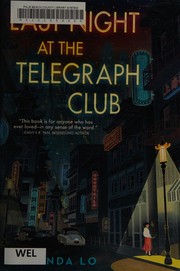
Last Night at the Telegraph Club
The 2021 National Book Award winner follows Lily Hu, a Chinese American teenager in 1954 San Francisco, as she falls for Kath and learns what it costs to be…
2,336-word summary · 10 min read
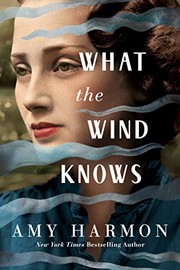
What the Wind Knows
Annie scatters her grandfather's ashes on Lough Gill and is pulled into 1921 Ireland, where she becomes the missing Anne Gallagher and falls for Dr. Thomas…
2,056-word summary · 9 min read

The Best of Friends
Three lifelong friends discover their teenage sons were hiding more than anyone knew after a night that leaves one dead, one in a coma and one silent.
2,040-word summary · 9 min read

The Storm Sister
Ally D'Aplièse loses her father and her lover within weeks, then follows a brass frog and a Norwegian biography into Anna Landvik's music and the world of…
2,376-word summary · 11 min read
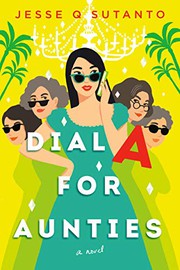
Dial A for Aunties
A wedding photographer accidentally kills her blind date, and her mother and three aunties help her hide the body during the biggest wedding of their careers.
2,076-word summary · 9 min read
Vanishing Acts
A search-and-rescue worker's perfect life cracks when her past and her father catch up.
2,799-word summary · 12 min read
The Book of Lost Friends
Three women trace Lost Friends ads from 1875 to find stolen sons.
2,368-word summary · 11 min read
Anne's House of Dreams
Newlyweds Anne and Gilbert start in a seaside house with kind neighbors.
2,465-word summary · 11 min read
Keep It in the Family
Mia and Finn renovate a long empty house and find seven children hidden in the attic.
2,270-word summary · 10 min read
The Rules of Magic
Franny, Jet, and Vincent Owens test strict family rules and a love curse in 1960s Manhattan and Massachusetts in Alice Hoffman's warm prequel about love, loss,…
2,686-word summary · 12 min read
The Cousins
Three cousins work at their rich grandmother island resort while digging into why their parents were cut off.
2,565-word summary · 11 min read
Pieces of Her
After her mother kills a mall shooter with shocking skill, Andy Oliver uncovers a hidden 1980s past of radicals and wealth.
2,791-word summary · 12 min read
The Storm
A struggling innkeeper, a returning murder suspect, and a true crime writer collide as another hurricane bears down on the Alabama coast.
2,349-word summary · 10 min read
The Miniaturist
A new bride in 1686 Amsterdam gets a dollhouse replica of her home, and its tiny figures start to reveal what the Brandt family hides.
2,865-word summary · 13 min read
The Hypnotist's Love Story
A hypnotherapist falls for a widower whose ex keeps watching from the shadows.
2,490-word summary · 11 min read
The First Time I Saw Him
Five years after Owen vanished, Hannah and Bailey have rebuilt in California until Owen walks into her exhibition and danger returns.
2,407-word summary · 11 min read
Such a Clever Girl
Fifteen years after the Tanners vanished, Aubrey returns at 30 as a new disappearance forces three women to face old secrets.
2,203-word summary · 10 min read

Big Summer
After a six-year rift, plus-size influencer Daphne becomes maid of honor at her ex-friend's Cape Cod wedding, where joy turns to mystery.
2,878-word summary · 13 min read
All the Little Houses
In 1980s Longview, Texas, social queen Charleigh and daughter Nellie guard mean-mom secrets when a new family threatens their empire.
2,206-word summary · 10 min read
Suzanne's Diary for Nicholas
A dumped editor reads a Vineyard mother's diary that reframes everything.
2,087-word summary · 9 min read
Stalking Jack the Ripper
Lord's daughter Audrey Rose studies corpses in secret while the Ripper works Whitechapel beside Thomas.
2,030-word summary · 9 min read

The Girl You Left Behind
Two women a century apart fight for what they love, joined by a portrait painted in wartime France and claimed in modern London.
2,613-word summary · 12 min read
Ordinary Grace
In 1961 Minnesota, thirteen-year-old Frank Drum faces a summer of deaths that tests his minister family and forces him to weigh truth, guilt, and mercy.
2,948-word summary · 13 min read