
Reading options
What's inside (8 sections)
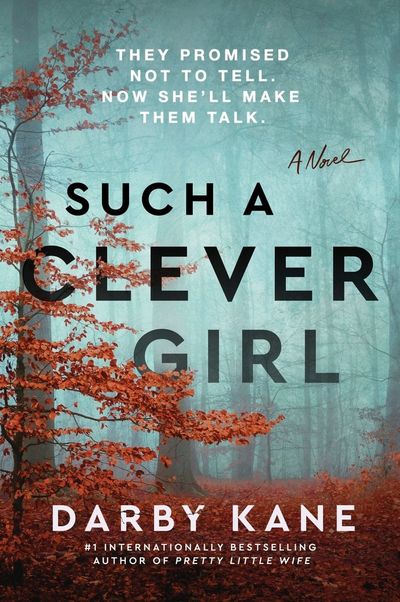
I grabbed Such a Clever Girl because I have a soft spot for missing family stories that skip forward years and then knock again. Darby Kane wrote Pretty Little Wife, twisty in a mean domestic way, and this sounded like her home turf. Fifteen years ago the Tanner family vanished. Half eaten meals still on the table. A bloodstain by the door. Their business burning across town. Then nothing. Now Aubrey Tanner is back at age thirty. The book came out January 20, 2026 from William Morrow and runs 416 pages in print, ISBN 9780063352018, and it stays tight on that return and what it shakes loose.
What I like about this premise is how fast it makes you take sides. Was Aubrey a victim that night. Did she see something. Did she do something. Kane does not rush to answer. She lets the town do what small towns do. Talk. Remember wrong. Protect its own.
This is a thriller with mystery roots and family pressure under it. If you want a cozy puzzle with a tidy timeline, this is not that. If you like books where three adult women each know part of the story and none wants to speak first, you will feel at home.
Why I picked it up
The vanishing family is familiar ground. Parents and kids gone. Food left out. Neighbors who still lock doors a certain way years later. What felt different was the gap. Fifteen years is long enough for kids who were in school then to now be teachers. Long enough for a cafe to change owners twice. Long enough for files to go thin and gossip to harden into fact.
Kane tends to write women who are tired of being underestimated, and the trio here fits. A teacher, a cafe owner, and a psychologist. Those are the three people in a small town who hear everything. Kids tell teachers things they hide from parents. Regulars talk over coffee in ways they never would at a station. Clients say things out loud they have never told anyone. Put those three around one old case and you get overlapping knowledge with big holes.
I expected a fast read with short chapters and shifting points of view. That is Kane's usual rhythm, and it suits a story where no one holds the full picture. The Tanner home stands untouched, almost a relic per the publisher copy. A place nobody wants to buy. A place kids dare each other to pass. That image carried me in.
The night the Tanners went missing
The core incident is stark. The Tanners disappear without a trace. Meals half eaten, which suggests interruption in the middle of something ordinary. A bloodstain by the door, which suggests harm but not enough to say whose. Fire at their business across town, which suggests planning or a bid to destroy proof. Or a distraction while the house was emptied.
Each detail pulls a different way. Meals point to home invasion. Blood points to someone hurt leaving or entering. Fire points to more than one person involved, since one person cannot easily be in two places at once. Was the fire set to pull crews away from the house. Was it about money. Was it personal.
Kane keeps that night fifteen years back when the book opens, so we meet it through memory and rumor. That lets her show how the same scene looks different to different witnesses. A teacher might recall which Tanner kid seemed off that week. A cafe owner might recall who came in late asking for change. A psychologist might recall who canceled right after. But after fifteen years, who still knows what they saw and what they filled in later.
In towns that size, a big unsolved case becomes shorthand. Parents use it to scare teens home on time. Newcomers hear three versions by week two. Kane uses that well. The Tanners turned into a story the town tells about itself, and Aubrey walking back in breaks it.
If you need forensic realism, you may get impatient. The blood, the meals, the fire read as images more than evidence chains, at least in the setup. Kane is not writing a lab report procedural. She writes about how loss bends a community. That worked for me, though readers who want warrant talk may find the opening light.
Aubrey Tanner comes back at thirty
Aubrey is the hinge. A child when her family vanished, she returns at thirty with silence around her like a coat. Why did she come back. Was she a victim or does she hold the truth. Those are the publisher questions and they are the right ones.
Thirty is a loaded age for a return. Old enough to have built a life elsewhere and to ask sharp questions. Young enough that people still see the kid in her face. Old enough to refuse to leave when told to. If you were taken, you come back with gaps. If you ran, you come back with guilt. If someone hid you, you come back with split loyalty. Kane keeps Aubrey guarded, which is the only honest play. No one who lived through that night stays quiet for fifteen years and then spills it on day one.
Kane does not present her as pure innocence or as a puzzle. The copy calls her hardened, with secrets in her silence. Small towns smother returnees with casseroles and questions at once. Everyone wants to hug you and also wants to know where you were. Aubrey has to sort who is kind from who is curious from who is scared she will name them.
One early review blurb calls the Tanner house a Sleepy Hollow mansion, moody and haunted by memory. I pictured it. High windows. A porch nobody sweeps. Kids biking past fast. Aubrey going back inside after so long would hit hard even if nothing changed. Smell does more than photos. A stain on a doorframe you tried not to picture for years would knock the wind out of you.
My worry was balance. A returned child can swallow a book so others become furniture. Kane seems aware, giving equal weight to the three women who stayed. Aubrey is the catalyst, but not the only keeper of secrets.
The teacher, the cafe owner, and the psychologist
This trio is my favorite part of the design. On paper they sound cozy. In Kane's hands they are perfect spots for holding back facts.
Teachers notice patterns across years. Who picked up which child late. Which parent skipped conferences. Which kid acted out that spring. A teacher there at the time saw the Tanner kids daily. One who arrived later inherited break room whispers. Either way she has reason to feel responsible and guilty for not speaking sooner. Guilt makes people quiet or makes them overexplain. Both feed suspense.
The cafe owner hears the town least guarded. Morning regulars. Teens after practice. People talk with food in front of them in ways they do not at a station. She knows who stopped coming in together, who started paying cash, who asked for off the books work around the fire. She also has a business to protect. Bad press kills a small cafe. If digging scares customers, she must choose between truth and rent.
The psychologist carries the heaviest lockbox. She cannot simply tell what she knows, even if she wants to. She may have treated someone tied to that night. She may carry her own history with the family that she never logged. That is a different pressure than gossip or money. Fear of doing harm by speaking.
Per Kane's summary, each holds a piece plus a dark secret of her own. So the alliance is fragile. They need each other to make sense of Aubrey, but teaming up risks exposure. It works best when the secrets stay human and small. A missed call. A borrowed key. A file kept too long. A lie about where she was that night. Small choices that look worse after years of silence.
Three full backstories plus Aubrey plus town history is a lot for 416 pages. I expected some threads to feel thin. Tying each secret to her job helps. The teacher's secret smells like school. The cafe owner's like money. The psychologist's like a session gone wrong.
A new disappearance and the blackmail squeeze
Midway Kane adds the prod that turns memory into urgency. A new disappearance shakes the town. Blackmail begins.
Cold cases are sad. Fresh ones are scary. Once someone goes missing now, the old questions stop being theoretical. Parents panic. Police who were fine letting the past sit must act. The three women sitting on pieces must decide fast while tired, which is when people slip.
Blackmail fits because it preys on people already hiding something. Each woman has a private reason to pay or obey. A blackmailer does not need everything. Just enough to make each think she is about to be exposed. Notes. Photos. Demands to meet or stay quiet about Aubrey. In a small town it takes little tech. A printer and knowledge of who walks home alone will do it.
Kane has a built in excuse for why they hesitate to call police. The psychologist fears breaking trust. The cafe owner fears losing regulars. The teacher fears for her job. That should make their silence feel earned. I hoped at least one of them would try the sensible move early, logging the threat or calling a lawyer, so later quiet feels like a choice with cost.
I read those middle chapters slowly because the pressure shifts from who did it to who will crack first. Aubrey asks calm questions that land like accusations even when she does not mean them that way. The three women answer with half truths, then replay their own words at night and wish they had said less or more. That restless second guessing felt true to me. Anyone who has kept a secret in a small circle knows the night after you almost told. You check your phone. You avoid the shop. You wonder if your face gave you away.
The fire angle stuck with me. Fire kills paper fast. Ledgers, invoices, custody forms. If the new case ties to money or property from that old business, the blackmail might concern papers that survived or that someone claims survived. Same motive, new pressure. No copycat needed.
What worked and what dragged
What worked first was the image set. Meals. Blood by the door. Fire across town. A house left alone. Simple, physical, easy to hold while views shift. Kane does not drown you in names early. She gives you a place, a gap, a return. Enough to carry the middle where backstories compete.
What worked second was the job based trio. Different jobs mean different scenes. Classrooms. Morning rushes. Closed doors. That variety keeps pages moving better than three old friends sharing one secret.
What worked third was Aubrey's reserve. Thirty year old returnees have boundaries. Aubrey refusing to perform grief on cue felt real. I liked not getting everything at once.
The drag was familiar. When everyone withholds one fact to sustain plot, talks start feeling staged. Almost a confession, then a phone rings. A subject change. A storm. After the third near miss I wanted someone to just say it. Kane mostly earns delays through job fears and shame, but I sighed in spots.
I also wanted a bit more police weight. Not to take over, but to ground the threats. A tired detective who knows the old file would give Aubrey someone neutral to test memory against and make the new case feel less sealed off.
Who should pick it up. Readers who like domestic suspense, small town pressure, and cold cases that turn hot. Readers who liked Pretty Little Wife for its bite but wanted more community around it. If you like Shari Lapena's neighborhood tension or Megan Miranda's memory games, this sits near them with a sharper edge.
Who might skip. Readers who want hard forensics or courtroom payoffs. Readers who dislike secret keeping as an engine or need every thread tied. Kane ties big knots but leaves some fray, honest for a fifteen year gap but tough for completists.
I also liked how Kane handles age. Aubrey at thirty deals with landlords and jobs and health forms, alongside old flashbacks. The three women deal with mortgages and rotas and school boards. Those plain adult weights make the old crime heavier, because no one can drop everything to chase it. They sleuth between shifts. They lie between pickups. That tiredness seeps into choices and makes late book risks feel less like plot and more like exhaustion.
I closed thinking about houses more than killers. That untouched home. How a building can hold a town still. Aubrey at thirty stepping past where meals went cold, deciding whether to lock the door or leave it open for the other three to walk in and talk. That picture stayed longer than any twist, and for a book about buried family trouble, that feels like the point.
FAQ
When was Such a Clever Girl published?
William Morrow published it on January 20, 2026. The print edition runs 416 pages with ISBN 9780063352018.
Who are the three women around the Tanner case?
A teacher, a cafe owner, and a psychologist. Each knew something about the Tanners and each hides a secret tied to her work.
Is it part of a series?
No. It is a standalone domestic thriller. Knowing Pretty Little Wife helps with tone, but no plot carries over.
Similar books

The Best of Friends
Three lifelong friends discover their teenage sons were hiding more than anyone knew after a night that leaves one dead, one in a coma and one silent.
2,040-word summary · 9 min read

Keep It in the Family
Mia and Finn renovate a long empty house and find seven children hidden in the attic.
2,270-word summary · 10 min read
The Other Mrs.
A Chicago family inherits a house on a Maine island, then a neighbor is found murdered. Kubica's 2020 thriller builds to a final reframe.
2,267-word summary · 10 min read
The Cousins
Three cousins work at their rich grandmother island resort while digging into why their parents were cut off.
2,565-word summary · 11 min read

Pieces of Her
After her mother kills a mall shooter with shocking skill, Andy Oliver uncovers a hidden 1980s past of radicals and wealth.
2,791-word summary · 12 min read
What Lies in the Woods
Naomi returns after Olivia vanishes to face what happened in the woods at eleven.
2,213-word summary · 10 min read
The Storm
A struggling innkeeper, a returning murder suspect, and a true crime writer collide as another hurricane bears down on the Alabama coast.
2,349-word summary · 10 min read
The Last House Guest
A year after her best friend dies in Littleport, Maine, a local woman finds a hidden phone that reopens the case.
2,596-word summary · 12 min read
The First Time I Saw Him
Five years after Owen vanished, Hannah and Bailey have rebuilt in California until Owen walks into her exhibition and danger returns.
2,407-word summary · 11 min read

All the Little Houses
In 1980s Longview, Texas, social queen Charleigh and daughter Nellie guard mean-mom secrets when a new family threatens their empire.
2,206-word summary · 10 min read
Two Can Keep a Secret
Twins new to Echo Ridge dig into aunt's murder as homecoming threats return.
2,078-word summary · 9 min read
The Good Sister
Twin sisters share a careful arrangement until a plan to have a baby pulls old family secrets into view.
3,255-word summary · 14 min read
All the Missing Girls
Told backwards over fifteen days, a woman probes two disappearances ten years apart in her hometown.
2,064-word summary · 9 min read
Sharp Objects
Reporter Camille Preaker returns to Wind Gap to cover two murdered girls, facing her cold mother Adora, wild sister Amma, and scars that spell her past. Full…
2,434-word summary · 11 min read

Six Years
A professor who promised to forget the woman he loved sees her husband's obituary and discovers that the wedding, the marriage, and the woman herself may never…
2,076-word summary · 9 min read

The Girls in the Garden
Clare moves her daughters to a gated London garden where the community feels safe; at the midsummer party, twelve-year-old Pip finds her sister bleeding in the…
1,973-word summary · 9 min read

Worth Dying For
Reacher stops for one night in rural Nebraska and finds a family that runs the county, a missing girl and a shipment worth killing for.
2,021-word summary · 9 min read

Say You're Sorry
A widowed prosecutor defends the teenager accused of killing her babysitter, uncovering a small town's secrets and a killer hiding in plain sight.
2,116-word summary · 9 min read
The Survivors
Kieran Elliott returns to Evelyn Bay twelve years after a storm killed his brother, and a young woman's murder forces the town to face what it has concealed.
2,571-word summary · 11 min read

Girl, Forgotten
A rookie US marshal guards a judge with a stalker and ends up reopening the 1982 prom-night murder of the judge's pregnant daughter.
2,111-word summary · 9 min read
The Lost Man
A man is found dead at a lone grave in the Queensland outback, his car stocked and kilometres away. His brother works out the last day and the family behind it.
2,036-word summary · 9 min read

The Boy from the Woods
Wilde, found feral in a New Jersey forest in 1986, hunts for a missing teenager while a senator's secrets tear a wealthy town apart.
2,270-word summary · 10 min read
The Affair
In 1997, Reacher goes undercover in a Mississippi town where a murder near an army base collides with a senator's power. The case that ends his military career.
2,039-word summary · 9 min read
Vanishing Acts
A search-and-rescue worker's perfect life cracks when her past and her father catch up.
2,799-word summary · 12 min read
The Reappearance of Rachel Price
Bel films a doc when her missing mother walks back after years.
2,254-word summary · 10 min read
Blindsighted
Sara and Jeffrey hunt a killer staging women in small-town Georgia.
2,400-word summary · 11 min read

We Begin at the End
Thirteen-year-old Duchess Day Radley shields her little brother Robin after their mother dies, as freed killer Vincent King returns and sick chief Walk tries…
2,956-word summary · 13 min read
The House at Riverton
In 1999, ninety eight year old maid Grace Bradley tapes the truth about a 1924 shooting at Riverton Manor, poet Robbie Hunter, two sisters and a lie held for…
2,433-word summary · 11 min read
Long Bright River
Philadelphia officer Mickey patrols Kensington amid the opioid crisis, hunts a killer of vulnerable women, and searches for her missing addict sister Kacey…
2,986-word summary · 13 min read

Every Last Secret
A wealthy wife tracks a possible affair, but dinners, therapy, and a sudden death expose buried secrets across two polished suburban marriages and force her to…
2,687-word summary · 12 min read