
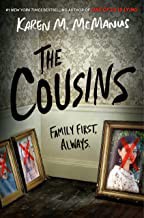
The Cousins
2,565-word summary 11 min read 336 pages in the book
- First published
- 2020
- Publisher
- Delacorte Press
- Pages
- 336
- ISBN
- 9780525708001
Reading options
What's inside (8 sections)
I read The Cousins in two sittings because the chapters kept ending right before an answer, and I kept saying one more. Karen M. McManus published it December 1, 2020 with Delacorte Press, a 336 page hardcover with ISBN 9780525708001. It is a standalone young adult thriller, separate from her One of Us Is Lying books. I have read those, so I came in trusting her to juggle multiple voices. She does it again here with three cousins who barely know each other and a grandmother who knows too much.
The setup is clean. The Story family owns Gull Cove Island, a resort off the coast near Cape Cod, grand hotel, cottages, golf, beach. Mildred Story, the matriarch, is rich and reclusive. Twenty four years ago she disinherited her four children with a letter that said only, you know what you did. No explanation. The children scattered, raised their own kids apart, never spoke of home. Now Mildred invites the grandchildren, Milly, Aubrey, and Jonah, to work at the resort for a summer. Their parents all say the same thing in different ways. Go. Be polite. Do not trust her. Try to get back in the will.
Milly is the planner. Daughter of Allison, the youngest Story sibling, who is flighty and broke and dating wrong men. Milly is sharp, anxious, good with money because she had to be. She takes the invitation as a job interview for a better life. Aubrey is the pleaser. Daughter of Adam, who died, and Lillian, who is distant. Aubrey works hard, smiles, hides grief. She wants family to feel safe again. Jonah is the outsider. Son of Anders, who is kind but secretive. Jonah is mixed race, funny, protective of his dad, angry at being the poor cousin. He comes because his dad asks him to watch, not to win.
Gull Cove welcomes you
The island chapters are strong on atmosphere. Ferry ride, gulls, white hotel with green awnings, staff who smile too long. The cousins get service jobs. Milly at the front desk where she can see papers. Aubrey cleaning rooms where she can hear talk. Jonah on maintenance where he can go places others cannot. Mildred watches from a house on the hill and invites them to Sunday dinners that feel like tests. She asks about school, about parents, about what they were told. She gives nothing back.
McManus plants mysteries fast. A missing aunt Allison? No, Allison is Milly mom, alive. The missing ones are Archer, who vanished as a teen, and a girl named Katrina, and a boy named Matt, tied to a drowning years ago. Staff mention a fire. A guest mentions a will change. A local boy named Efram flirts with Aubrey and knows more than he says. A local girl named Hazel befriends Milly and warns her off. Jonah finds letters in a cottage wall. Each cousin hides finds from the others at first, which is frustrating and true to teens meeting as strangers.
The three voices stay distinct, which I appreciated. Milly narrates in careful lists and money math. Aubrey narrates in feelings and second guesses. Jonah narrates in jokes that cover worry. Chapters are short and end on hooks without cheating. When Milly finds a key, you learn what door it might fit two chapters later, after Aubrey hears a story that reframes it. The pacing respects readers who track details.
Parents get real pages too, through calls and flashbacks. Allison loves Milly but lies about bills and men. Anders loves Jonah but will not explain why he left the island. Lillian loves Aubrey but cannot say Adam name without going flat. Mildred loves no one openly, but she keeps rooms exactly as her children left them, which says more than speeches. McManus is good at showing how rich families use silence as control. No one yells. They just do not answer.
What happened twenty four years ago
The past unfolds in pieces. As teens, the four Story siblings ruled the island summers. Allison was wild. Anders was steady. Adam was charming. Archer was strange and watching. They partied with locals Matt and Katrina. One night someone drowned. One night a fire burned. One night Archer vanished. Mildred, who ran the resort like a state, decided her children knew more than they told. She cut them off to force truth. Truth never came. The family froze around the secret.
In present day, the cousins repeat the pattern without knowing it. They sneak out. They drink on a beach. They fall for locals. Aubrey likes Efram, who is kind but tied to the drowned boy family. Milly spars with Hazel, then with a boy named Jonah? No, Milly spars with a staff supervisor and with her own guilt about snooping. Jonah bonds with a maintenance man who knew his dad as a boy. Each romance or friendship opens a door and a risk. Who tells what to whom. Who reports to Mildred.
I will not spoil the central reveal, but it concerns who caused the drowning, who set the fire, who wrote the letter, and what Mildred did after. McManus plays fair. Clues about times, about who was where, about a necklace and a boat key, are all visible if you track. I guessed the broad shape halfway and missed the final turn about Mildred plan for the summer. The ending reframes the invitation. It was not just a reunion. It was a test with lawyers ready.
The thriller mechanics work. Break ins, chases through hotel halls, a storm that cuts ferry service, phones dying, a safe opened at the wrong time. Violence stays at YA level. No gore feasts. Fear comes from being young and far from help while adults lie. One scene in a flooded boathouse had my shoulders up. Another in Mildred dining room, just talk and dessert, was scarier because everyone smiled.
Family as puzzle
What lifts the book above puzzle is its interest in inheritance, not just money but stories. Milly fears she is her mother, impulsive and needy. Aubrey fears she is invisible, easy to leave. Jonah fears he is an outsider by blood, not just money. Each learns their parent hid them to protect, not just to control, though protection curdled into lying. The cousins start as competitors for grandmother favor and end as siblings who choose each other over the will. That shift is earned through shared danger and shared chores, not speeches.
Mildred is the best character. She is not a cozy grandma. She is sharp, tired, proud, guilty. She built a resort from a small inn, buried a husband, raised four wild kids, lost one son to vanishing and three to silence. She thinks money can force honesty. She learns it cannot, but she learns late. Her final chapters, where she tells plain truth without lawyers, land because McManus waited. I did not forgive her fully. I understood her, which is better.
Fair criticism is needed. The middle repeats snooping beats. Each cousin finds a clue, hides it, gets caught, apologizes, repeats. Locals sometimes exist only to deliver exposition and kisses. Efram is thin beyond kind. Hazel is sharper but vanishes when plot needs her gone. The parents off island can feel like voices on bad phone lines, which is realistic but slows momentum. The final twists stack three reveals in twenty pages. Readers who want one clean answer may feel crowded.
Also, class handling is light. The Storys are very rich. Staff are mostly kind background. Jonah notices money gaps more than the book explores them. A stronger look at who cleans rooms while cousins play detective would have added bite. McManus gestures at it through Aubrey cleaning work, but moves on fast to keep pace.
Still, the engine runs. Short chapters, clear stakes, no filler romance for its own sake. Every kiss trades information. Every job gives access. That design keeps pages turning without feeling cynical. The island feels real, salt, pine, old carpet, new paint over old stains.
Jobs, keys, and late night halls
One part I have not praised enough is how McManus uses summer jobs as keys to locked rooms, literally and socially. Milly at the front desk learns to smile while reading upside down. Guest names, room numbers, notes about who asked for extra towels at 2 a.m. She copies nothing at first, just remembers. Later she understands that remembering is also taking. When she finally pockets a master list to find which cottage her mother stayed in as a teen, her hands shake. It is stealing and it is family research at once. The book lets both be true.
Aubrey cleaning rooms sees the island from the inside of trash cans. Love notes, broken glasses, a child drawing left behind. She finds a necklace that should have been lost years ago tucked behind a drawer. She does not report it. She shows it to Milly in a laundry room while dryers thump. That scene, two girls whispering over a tarnished chain while carts roll past, captures the whole book. Work gives them access. Kinship tells them what to do with it.
Jonah on maintenance gets roofs, basements, boat sheds. He carries ladders, changes bulbs, unclogs drains. Older staff test him with hard jobs to see if the rich kid quits. He does not. He sweats, jokes, asks about his dad as a boy. One man, Porter, knew Anders and tells a story about a prank with a boat that ended with everyone grounded. Jonah laughs and files the detail. Boat, night, grounding. Later that detail slots into the timeline of the drowning. McManus is fair about this. She shows Jonah learning it in real time, not pulling answers from air.
Night halls bring the thriller pulse. The hotel at midnight creaks. Ice machines hum. The cousins meet with flashlights, compare notes, argue about telling adults. Milly wants to go to Mildred with proof. Aubrey fears Mildred already knows. Jonah fears his dad will pull him home if they cause trouble. They compromise by investigating one more day, which is how teens in books always buy another chapter. Here it feels earned because the ferry schedule traps them. No boats in a storm means no leaving, no calling for help that arrives fast.
A storm chapter near the end deserves mention. Rain hits the island sideways. Power flickers in the old wing. The cousins get separated, always a bad sign. Aubrey gets locked in a storage room and must talk through a vent to Efram, which forces honesty because she cannot see his face. Milly gets stuck in an office with a safe open and a choice. Jonah gets stuck on a boat that comes loose and must tie off in wind. Each test matches their fear. Aubrey fears being unheard. Milly fears taking what is not hers. Jonah fears failing his dad. They all pass by asking for help, which the book has been teaching since page one.
I also liked the small economy of favors. Hazel covers a shift for Milly and asks for truth later. Efram lends Aubrey a jacket and asks for a walk. Porter lends Jonah tools and asks for silence about a drink on the job. No one gives free. That feels right for a resort where everyone works for tips and seasons. It also mirrors the Story family, where love always had strings. The difference is staff strings are clear and small. Family strings tangle for decades.
Mothers, fathers, and the letter
The letter saying you know what you did hangs over everything. As a parent myself, I flinched at Mildred sending it. As a reader, I admired its efficiency. Four words cut four children loose. The book slowly shows what those words cost each sibling. Allison became reckless with money and men, chasing proof she matters. Anders became careful to a fault, teaching Jonah to watch rather than ask. Adam, now dead, became charming and sad, the dad Aubrey mourns without fully knowing. Archer, missing, became a ghost the others measure themselves against.
Phone calls home punctuate the island chapters. Allison calls Milly late, tipsy, loving, asking for gossip she can use. Milly learns to say, Mom, I need you to listen, not scheme. It works once, fails twice, which feels honest. Anders calls Jonah short and warm, asks if he eats, tells him to come home if scared. Jonah hears love and also warning. Do not dig too deep. That warning makes Jonah dig deeper, because teens hear fear as confirmation. Lillian emails Aubrey polite paragraphs that avoid Adam name. Aubrey starts writing back longer, asking direct questions about her dad as a teen. Lillian answers one, which cracks the door.
Mildred Sunday dinners stage these tensions at a table. Soup, fish, pie. Questions about grades. Silence when Archer name slips. Mildred watches hands, who passes what, who looks away. She is testing, but she is also feeding them, which confuses the cousins. Can someone who starved your parents of love feed you well. Yes, and that yes is uncomfortable. McManus does not resolve it with a hug. She resolves it with paperwork and choice, which suits rich people who speak in wills.
By the final reveal, the letter reads differently. It was not just punishment. It was grief plus pride plus a failed attempt to force confession. Mildred thought cutting money would bring truth. Instead it taught her children to lie better and to raise kids who spot lies faster. The cousins break the cycle by telling each other everything at the end, even the ugly parts about who they kissed to get info and what they stole. That full sharing is what their parents never did. It is simple and hard, which is why the ending moved me more than the twists.
Who should read it
Ages fourteen and up fits. There is drowning, arson, parental neglect, teen drinking, kissing, mild language. No explicit sex, no graphic gore. Fans of One of Us Is Lying will feel at home with multiple narrators and school year secrets, though this book is more gothic family than school mystery. Fans of We Were Liars will recognize rich island summer with rot underneath, though McManus is more straightforward and fair play.
Read it after One of Us Is Lying if you want McManus growth, but you can start here. No series knowledge needed. Keep a family tree on paper. Story, Allison plus Milly, Anders plus Jonah, Adam plus Aubrey, Archer missing, Mildred on top. Mark who was where twenty four years ago as you learn. The payoff rewards tracking.
I finished liking the cousins more than the mystery, which is a compliment. Milly learns to ask for help without keeping score. Aubrey learns to say no to kind boys who want too much too fast. Jonah learns his dad silence was love plus fear, not shame. Mildred learns a will cannot buy the sentence, I forgive you. The last scene on the ferry, three cousins sharing earbuds and not checking phones for lawyer emails, felt like summer ending right.
If you want a twisty, enthralling thriller for a weekend, as the cover promises, this delivers. Bring a blanket. Expect to suspect everyone over dessert. Expect to be half right and glad to be wrong about the kindest person in the room.
FAQ
When was The Cousins published and how long is it?
Delacorte Press published it December 1, 2020. The hardcover runs 336 pages with ISBN 9780525708001.
Is The Cousins part of a series?
No. It is a standalone young adult thriller, separate from the One of Us Is Lying books.
What age is The Cousins appropriate for?
Ages 14 and up fits best. There is drowning, arson, parental neglect, and teen kissing.
Similar books
Two Can Keep a Secret
Twins new to Echo Ridge dig into aunt's murder as homecoming threats return.
2,078-word summary · 9 min read
One of Us Is Next
A year after Simon's death, a copycat texter drags Maeve, Knox and Phoebe into a cruel Truth or Dare game in Bayview.
2,348-word summary · 10 min read
The Best of Friends
Three lifelong friends discover their teenage sons were hiding more than anyone knew after a night that leaves one dead, one in a coma and one silent.
2,040-word summary · 9 min read
The Reappearance of Rachel Price
Bel films a doc when her missing mother walks back after years.
2,254-word summary · 10 min read
Keep It in the Family
Mia and Finn renovate a long empty house and find seven children hidden in the attic.
2,270-word summary · 10 min read
Reconstructing Amelia
A grieving lawyer mother reopens her teen daughter's alleged suicide at an elite Brooklyn school, uncovering bullying and secrets.
2,032-word summary · 9 min read
Pieces of Her
After her mother kills a mall shooter with shocking skill, Andy Oliver uncovers a hidden 1980s past of radicals and wealth.
2,791-word summary · 12 min read
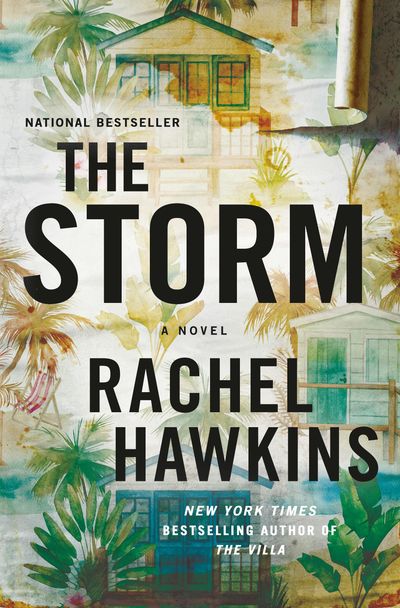
The Storm
A struggling innkeeper, a returning murder suspect, and a true crime writer collide as another hurricane bears down on the Alabama coast.
2,349-word summary · 10 min read
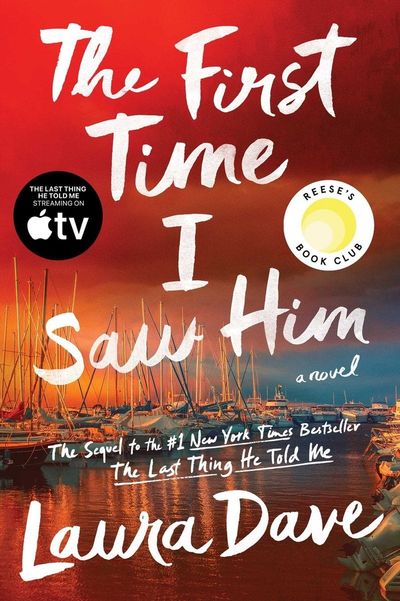
The First Time I Saw Him
Five years after Owen vanished, Hannah and Bailey have rebuilt in California until Owen walks into her exhibition and danger returns.
2,407-word summary · 11 min read
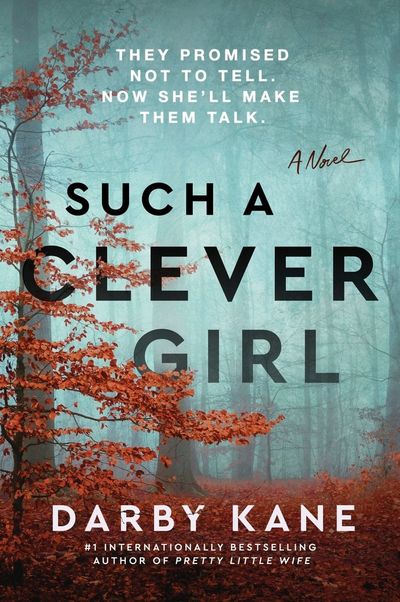
Such a Clever Girl
Fifteen years after the Tanners vanished, Aubrey returns at 30 as a new disappearance forces three women to face old secrets.
2,203-word summary · 10 min read
All the Little Houses
In 1980s Longview, Texas, social queen Charleigh and daughter Nellie guard mean-mom secrets when a new family threatens their empire.
2,206-word summary · 10 min read
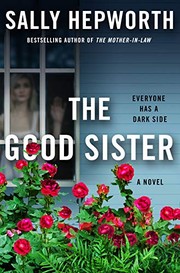
The Good Sister
Twin sisters share a careful arrangement until a plan to have a baby pulls old family secrets into view.
3,255-word summary · 14 min read
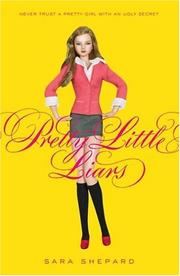
Pretty Little Liars
Four girls get texts from dead Alison a year after she vanished, and secrets start leaking.
1,922-word summary · 9 min read
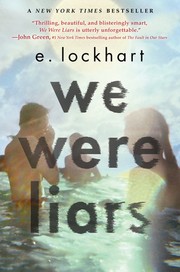
We Were Liars
Cadence Sinclair returns to Beechwood Island after an accident she cannot recall, chasing summers with Johnny, Mirren and Gat toward the truth.
1,923-word summary · 9 min read
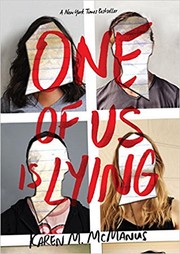
One of Us Is Lying
Five Bayview teens enter detention and Simon dies, leaving Bronwyn Nate Addy and Cooper suspects.
3,158-word summary · 14 min read

Six Years
A professor who promised to forget the woman he loved sees her husband's obituary and discovers that the wedding, the marriage, and the woman herself may never…
2,076-word summary · 9 min read
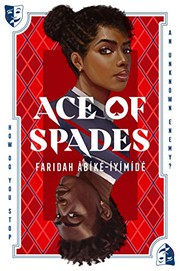
Ace of Spades
Two Black seniors at an elite academy are celebrated by day and hunted by an anonymous texter in this YA thriller about institutional racism.
2,066-word summary · 9 min read
The Girls in the Garden
Clare moves her daughters to a gated London garden where the community feels safe; at the midsummer party, twelve-year-old Pip finds her sister bleeding in the…
1,973-word summary · 9 min read
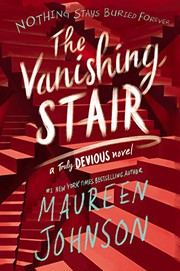
The Vanishing Stair
Stevie Bell returns to Ellingham Academy under a secret bargain, chasing the truth about a 1936 kidnapping while a new death makes the school feel smaller and…
2,026-word summary · 9 min read

Girl, Forgotten
A rookie US marshal guards a judge with a stalker and ends up reopening the 1982 prom-night murder of the judge's pregnant daughter.
2,111-word summary · 9 min read
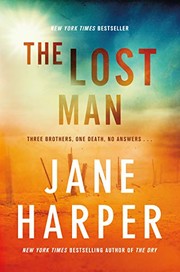
The Lost Man
A man is found dead at a lone grave in the Queensland outback, his car stocked and kilometres away. His brother works out the last day and the family behind it.
2,036-word summary · 9 min read

The Boy from the Woods
Wilde, found feral in a New Jersey forest in 1986, hunts for a missing teenager while a senator's secrets tear a wealthy town apart.
2,270-word summary · 10 min read
Vanishing Acts
A search-and-rescue worker's perfect life cracks when her past and her father catch up.
2,799-word summary · 12 min read
Killer Instinct
Teen profiler Cassie Hobbes rejoins the FBI Naturals to stop a copycat repeating Dean Redding father murders.
2,600-word summary · 12 min read

We Begin at the End
Thirteen-year-old Duchess Day Radley shields her little brother Robin after their mother dies, as freed killer Vincent King returns and sick chief Walk tries…
2,956-word summary · 13 min read
The House at Riverton
In 1999, ninety eight year old maid Grace Bradley tapes the truth about a 1924 shooting at Riverton Manor, poet Robbie Hunter, two sisters and a lie held for…
2,433-word summary · 11 min read
Long Bright River
Philadelphia officer Mickey patrols Kensington amid the opioid crisis, hunts a killer of vulnerable women, and searches for her missing addict sister Kacey…
2,986-word summary · 13 min read
Kill Joy
Pip hosts a 1920s murder mystery party with her friends, solves the fake case, and feels a real scare that points toward A Good Girl's Guide to Murder.
2,537-word summary · 11 min read
Every Last Secret
A wealthy wife tracks a possible affair, but dinners, therapy, and a sudden death expose buried secrets across two polished suburban marriages and force her to…
2,687-word summary · 12 min read
Bring Me Back
Finn lost Layla at a French rest stop twelve years ago. Now engaged to her sister Ellen, he faces sightings, emails and Russian dolls that reopen everything.
2,912-word summary · 13 min read