
Reading options
What's inside (8 sections)
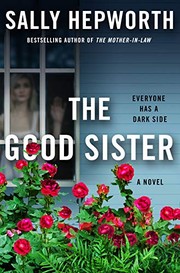
I picked up The Good Sister because I wanted a thriller that stayed close to family life instead of police stations and crime labs. The edition I am using for facts is the St. Martin's Press hardcover published in the United States on April 13, 2021, which runs 320 pages under ISBN 9781250120953. Sally Hepworth is an Australian writer living in Melbourne, and this book was first out in Australia in 2020 before the American edition arrived the next year. It went on to win the Davitt Award for adult fiction in 2021. I knew going in that it was about twin sisters, and that the telling would switch between Fern in the present and diary pages attributed to Rose. What I did not expect was how much of the book would read like a love story and a workplace story before the thriller parts closed in.
Fern Castle is twenty seven, a fraternal twin, and a librarian in a local branch library. She likes order. She eats dinner with her twin sister Rose three nights a week. She avoids crowds, bright lights, and loud noises when she can. Small changes in routine cost her a lot of energy. Hepworth writes Fern as someone with sensory processing differences, though the book never turns her into a case file. Fern notices sound and light and texture in ways other people filter out. She has scripts for small talk. She counts on Rose to translate social situations that feel blurry.
Rose Castle is married to Owen and works as an interior designer. From the outside she looks like the steady one. She has a house, a husband, a plan for children. Fern adores her and feels indebted to her. The sisters share a story about their childhood that explains the debt. When they were twelve, something terrible happened involving a boy named Billy during a camping trip near water. Fern believes she did something very bad that day. Rose, according to the family account, covered for her. That account has shaped every choice since. Fern tells herself that without Rose she might do harm again.
The opening chapters settle you into Fern's work life, and I liked this part more than I expected. The library feels real. Fern knows where every cart belongs. She likes helping a regular find the right large print title. She dislikes the sudden noise of the returns bin and the buzz of the strip lights. Her boss is decent. Her coworkers mean well and sometimes misread her. The strength of the early pages is how capably Fern handles her job when the environment respects her limits. She is good at her work, funny in her own dry way, and careful with people who are often overlooked.
Rose's wish for a child drives the plot. Rose learns she may not be able to conceive, and the news shakes her marriage and her sense of self. Fern watches her sister grieve and decides to repay the old debt in a concrete way. Fern will have a baby for Rose. She says it to herself in simple terms. Find a father, get pregnant, give the baby to Rose and Owen. She does not think through the medical steps, the legal steps, or the emotional cost. She thinks about loyalty.
The arrangement between sisters
Fern and Rose have a rhythm that looks caring and starts to feel tight the longer you watch it.
Three dinners a week. Frequent calls. Rose advising on clothes, food, money, men. Rose warning Fern about strangers. Fern checking with Rose before she says yes to anything new. Owen is polite and a little distant in these scenes. He loves Rose and wants a family, but he does not always see how much space Rose occupies in Fern's decisions.
Hepworth tells this part through two channels. Fern narrates in first person in the present, plain and observant, funny about library patrons, blunt about her own limits. Between those chapters are diary entries in Rose's voice, looking back at childhood and at their mother. The diary explains why Rose sees herself as the protector. Their mother, Nina, was neglectful and cruel behind closed doors. She played favorites, lied to outsiders, and punished Rose in particular when no one was watching. Rose writes about learning early to manage her mother, to clean up, to keep Fern away from the worst of it.
I found the diary device effective at first and limiting later. It gives Rose a chance to speak without Fern filtering her. It also lets Hepworth hold back key facts about Billy and about Nina. The risk with this structure is that you start grading the narrators instead of living inside the story. I caught myself doing that by the middle. Still, the arrangement itself felt true. Many families have a version of this, where one sibling becomes the manager and the other becomes the managed, and love and control get tangled.
Fern's sensory life is drawn with care. She wears sunglasses inside when the lights bite. She leaves a party early rather than push through a meltdown. She keeps food textures separate. She replays conversations to check what she missed. None of this is played for jokes. When a date goes badly because a restaurant is too loud and too bright, the book stays with Fern's embarrassment and exhaustion instead of rushing past it. That patience is one of the better qualities here.
A plan to repay a debt
Once Fern decides to help Rose have a child, she treats it like a project.
She reads about conception. She thinks about timing. She knows she needs a willing father who will not expect a relationship or a claim on the child. That part of the plan is naive, and the book knows it. Fern is sheltered about dating. She has little experience with sex and almost no experience setting boundaries with men who want more than she wants to give.
Then she meets Wally.
Wally is a single man who comes into Fern's orbit through the library world and through ordinary chance. He is warm, a little awkward himself, and patient in a way that does not feel like a performance. He remembers details Fern mentions in passing. He does not crowd her when she goes quiet. He asks before he touches her hand. Fern, who has been taught to expect danger from disruption, starts to look forward to seeing him. She gives him the nickname Wally in her head, and the nickname sticks in the narration. Their early dates are sweet. Walks. Simple meals. Long talks about books and work. He is honest that life has knocked him around. She is honest that crowds and noise knock her flat.
Fern does not tell Wally the full plan at first. She tells herself she is protecting him. She withholds that the pregnancy, if it happens, is meant for Rose. That omission sits badly, and it should. The book does not excuse it. Fern believes she is doing something kind for her sister, and she cannot see how unkind the secrecy is to Wally and to herself.
Wally starts to notice Rose's role. He sees how quickly Fern checks her phone when Rose calls. He hears how Fern repeats Rose's opinions as facts. He says, in his careful way, that Rose does not seem to know where she ends and Fern begins. Fern hears criticism of the person who saved her and shuts down. This is painful to read because both people have a point. Wally is right that Fern needs room to choose. Fern is right that Wally does not know the whole history. The scene where Fern pulls away from a thoughtful date because the noise tips her into distress, then lets Rose collect her like a child, shows the trap clearly. Fern feels safer with Rose. Safer is not the same as free.
Rose, meanwhile, encourages the baby plan in ways that feel supportive and possessive at once. She offers to come to appointments. She researches clinics. She talks about a granny flat that could be built in her backyard so Fern could live close by after the birth. Fern pictures it as a small dollhouse, a safe annex to Rose's life. Rose pictures it as practical help. A reader starts to wonder who the arrangement serves.
What happened when they were twelve
The middle of the book fills in the childhood incident that Fern has been carrying.
At twelve, on a camping trip, Fern and Billy played a breath holding game in the water. Billy was a local boy, younger and eager to impress. Fern held him under too long during the game. He did not come back up the way he should have. In Fern's memory, she killed him. In the story Rose told afterward, Billy got tangled in weeds and drowned by misadventure. No charges followed. The family absorbed the shock and moved on, or appeared to move on.
Rose's diary adds layers. Rose says she made the weeds story possible. She says she cleaned up details, steadied Fern, and kept their mother from turning the accident into something worse. She frames herself as the good sister who sacrificed her own peace to protect a vulnerable sibling. Fern accepts that framing completely. She has built her adult caution around it. If Rose had not stepped in, Fern thinks, she would have been labeled dangerous. She might have lost her library job before she ever got it. She might have lost any chance at an ordinary life.
The mother parts are hard to read. Nina is shown as a woman who could charm neighbors and visitors while neglecting and harming her daughters at home. She drank, she raged, she disappeared. She favored Fern in public and punished Rose in private, or so Rose's diary claims. Fern remembers Nina more fondly, or more foggily. She recalls bedtime stories and small kindnesses. She has trouble holding both versions at once. That split matters later.
Hepworth handles the Billy chapters without sensational detail. She does not stage the drowning for shock. She stays with the confusion afterward, the wet towels, the adults talking in low voices, the way children rehearse a story until it hardens. The most upsetting line in this stretch is not about the water at all, it is about how quickly the twins learned to keep secrets from everyone else and from each other.
A fair criticism belongs here. The book wants the Billy reveal to reframe everything, but careful readers will guess the shape of it early. The diary hints too plainly. The repetition of protection language gives the game away. I guessed the broad direction well before the end and then waited for confirmation. That wait slowed the middle for me. The writing stays readable, but the suspense thins when you feel ahead of the narrators.
Pregnancy, control and cracks
Fern does become pregnant, and the pregnancy changes every relationship in the book.
Early on she asks Wally, almost casually, whether he likes children. He says no, thinking the question is abstract. He is not cruel about it. He simply does not picture himself as a father. Fern hears a door close. She does not tell him she is already pregnant or planning to be. She breaks things off soon after, using a flat excuse about having met someone else. She tells herself she is sparing him. Wally is hurt and confused. He warns her again, gently, that Rose's care looks like control. Then he steps back.
Fern leans harder on Rose. Rose schedules and shops and advises. She wants to manage food, rest, appointments. She asks intrusive questions about symptoms and about Wally. Fern, who wanted to feel useful, starts to feel watched. She loves being able to give Rose something so large. She hates feeling like a vessel being monitored. Both feelings are true, and Hepworth lets them sit side by side without resolving them too fast.
Two visits break the pattern.
First, Fern visits Nina in the hospital. Nina is older now, frail, living with the effects of an overdose years earlier and long term cognitive damage. Speech is hard. Memory comes in flashes. When Fern mentions the pregnancy and the plan to give the baby to Rose, Nina reacts with alarm. She tells Fern, as clearly as she can, not to give the baby to Rose. She cannot explain fully. A speech therapist mentions that Nina has been muttering about Rose and about a boy called Billy. Fern leaves puzzled and a little frightened. She tells Rose she is worried about Nina.
Second, Nina dies unexpectedly soon after. Staff find her dead in her bed. At first it looks like natural causes in a frail patient. Then questions arise. There are small puncture marks on Nina's scalp, hidden in the hair, suggesting an injection. Police begin asking who visited and when. Fern learns that Rose visited Nina on the day she died. Rose says they reconciled, that it was peaceful. Fern wants to believe it. She also remembers Nina's warning.
Money adds pressure. Wally reappears at the library and tells Fern something alarming. Rose has contacted him asking for money, saying Fern is pregnant and broke and needs help. Wally, who cares about Fern, is willing to help Fern directly but does not trust Rose's account. Fern is mortified. She had not asked Rose to do this. She had not told Wally she was pregnant. The collision of secrets leaves her shaking. Rose arrives during the uproar, scolds Wally for his ignorance about Fern's needs, and takes Fern home. Fern goes because home with Rose is the only place that quiets the noise.
By this point the granny flat plan feels less like help and more like a blueprint for permanent supervision. Rose presses Fern to end things with Wally for good, arguing that a regular relationship is impossible for someone with Fern's needs. Fern complies, though the decision hollows her out. She returns to Rose's orbit, more isolated than before, carrying a pregnancy she wanted to feel proud of and now feels ambivalent about.
Labor, flight and the diary
The last stretch moves quickly.
Fern goes into labor and calls Rose, who talks her through the early contractions and meets her at the hospital. Fern gives birth to a baby girl. In the haze afterward, Rose tells Fern that she and Owen will not be getting back together and that she plans to raise the baby herself. Fern, exhausted and foggy from delivery, agrees at first because agreement is her habit.
Then new information lands.
Police tell Fern they are investigating Nina's death. The cause is not settled. The puncture marks point toward insulin injected into the scalp, a method chosen to hide the site. Visitors logs and staff memories point to Rose as the last visitor. Fern starts to connect details she had set aside. Nina's fear of Rose. The muttering about Billy. Rose's sudden interest in money. The way Rose's diary story about the past keeps shifting when checked against other memories.
Fern also learns that the diary may not be a private record at all. Parts of it read like a construction, written to be found, designed to fix blame on Fern if questions ever arose about Nina. The implication is stark. Rose anticipated scrutiny and prepared a paper trail that cast Fern as unstable and herself as the long suffering protector. Whether every entry was written recently or edited over time matters less than the function. The diary was meant to control the story.
Fern acts. Still in hospital, frightened that Rose will take the baby under the adoption plan they discussed, Fern leaves with her daughter. Rose reports her. Police take Fern into custody briefly. The officers quickly establish that Fern cannot kidnap her own child. The baby is hers by birth and no formal adoption or surrogacy agreement transfers custody. Fern is allowed to keep her daughter while the larger investigation continues.
The investigation into Rose widens. Detectives reexamine the Billy case in light of what they learn about the sisters and about Nina. I will not lay out every turn here because the book stages them as a cascade, and the order matters. The key shift is this. Fern begins to see that her central memory, that she was the dangerous one and Rose was the shield, may be backward. Rose's protectiveness included surveillance, isolation, and the steady rewriting of events. Fern's supposed instability was partly a response to being managed for years.
The closing chapters reunite Fern with Wally. He has to absorb that he is a father, that Fern hid the pregnancy, and that his earlier no to children was given without full facts. Hepworth does not rush forgiveness. Wally is angry and tender by turns. He shows up, he listens, he learns how to lower the lights and lower his voice without making it a project. Fern, for her part, has to learn to tolerate disagreement without collapsing. She keeps the library job. She sets visiting rules with Rose. She names what she needs instead of apologizing for needing it.
What works and what strains
This is a readable thriller with a warm center, and the warmth is the surprise.
Fern's voice carries the book. She is observant about small kindnesses, direct about access needs, and funny about the absurd parts of library work. Her chapters about cataloging, story time, and difficult patrons feel lived in. The romance with Wally is handled with unusual patience. Hepworth lets them negotiate noise, touch, and plans in plain language. Those scenes will matter to readers who rarely see sensory differences shown without mockery or miracle cures.
The thriller mechanics are shakier. If you read a lot in this genre, you will spot the reversal coming. The diary tells you too much while pretending to tell you too little. Rose's control escalates in ways that are legible from a distance. The insulin detail, once introduced, points in one direction. The final cascade is satisfying on an emotional level, because Fern finally chooses herself and her child, but it is not surprising on a plot level.
Pacing is uneven. The first third is steady and specific. The middle repeats the protection theme until it drags. The last fifty pages sprint. A few side figures stay thin. Owen never becomes more than a tired husband. Coworkers blur. Nina is more symbol than person in the present timeline, though that may be the point given her condition.
Who is this for. Readers who like domestic suspense with a strong relationship core will find a lot to hold. Readers who want a puzzle that stays hidden until the last page may feel ahead of the story. Readers who value a careful portrait of a woman navigating sensory overload while asserting independence will find the best reason to stay. I finished it in two sittings, frustrated at times by the predictability, moved at the end by Fern holding her daughter and setting terms for her own life.
If you choose the St. Martin's Press hardcover, you get the 320 page text that matches the ISBN cited here. The Australian edition is shorter in some printings and appeared in 2020, so page counts vary by market. The story is the same where it counts. Two sisters, one old tragedy, one new baby, and a diary that does not tell the truth about either.
FAQ
When was The Good Sister published?
St. Martin's Press published the US hardcover on April 13, 2021. It runs 320 pages under ISBN 9781250120953. The Australian edition appeared in 2020.
Who are the main figures?
Fern Castle, a librarian with sensory processing differences, and her fraternal twin Rose, an interior designer married to Owen. Their mother Nina and Fern's friend Wally shape the rest.
Is The Good Sister part of a series?
No. It stands alone. Fern narrates in the present with diary pages attributed to Rose, and the story resolves without series ties.
Similar books

The Best of Friends
Three lifelong friends discover their teenage sons were hiding more than anyone knew after a night that leaves one dead, one in a coma and one silent.
2,040-word summary · 9 min read
Keep It in the Family
Mia and Finn renovate a long empty house and find seven children hidden in the attic.
2,270-word summary · 10 min read
Long Bright River
Philadelphia officer Mickey patrols Kensington amid the opioid crisis, hunts a killer of vulnerable women, and searches for her missing addict sister Kacey…
2,986-word summary · 13 min read
The Cousins
Three cousins work at their rich grandmother island resort while digging into why their parents were cut off.
2,565-word summary · 11 min read

Pieces of Her
After her mother kills a mall shooter with shocking skill, Andy Oliver uncovers a hidden 1980s past of radicals and wealth.
2,791-word summary · 12 min read
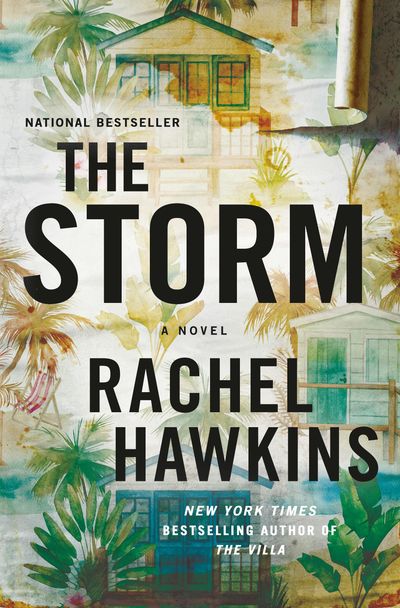
The Storm
A struggling innkeeper, a returning murder suspect, and a true crime writer collide as another hurricane bears down on the Alabama coast.
2,349-word summary · 10 min read
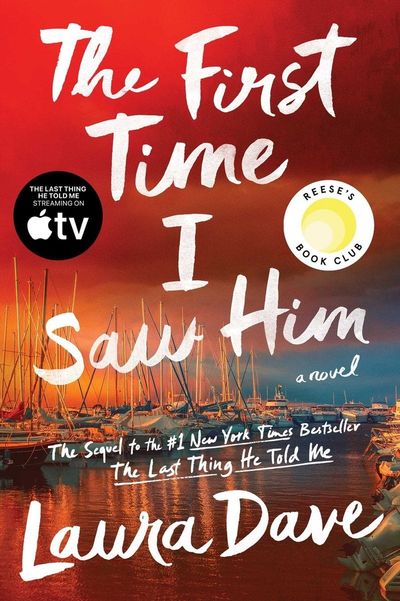
The First Time I Saw Him
Five years after Owen vanished, Hannah and Bailey have rebuilt in California until Owen walks into her exhibition and danger returns.
2,407-word summary · 11 min read
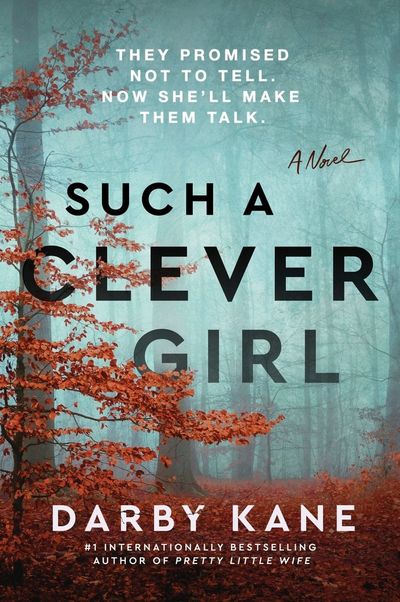
Such a Clever Girl
Fifteen years after the Tanners vanished, Aubrey returns at 30 as a new disappearance forces three women to face old secrets.
2,203-word summary · 10 min read

All the Little Houses
In 1980s Longview, Texas, social queen Charleigh and daughter Nellie guard mean-mom secrets when a new family threatens their empire.
2,206-word summary · 10 min read
The Good Daughter
Twenty eight years after a home invasion shattered her family, a lawyer witnesses a school shooting that reopens old wounds.
2,505-word summary · 11 min read
The Soulmate
A cliffside fall leaves a wife doubting her husband as old abuse and buried secrets surface.
2,126-word summary · 9 min read
The Mother-in-Law
Sally Hepworth's 2019 family thriller follows Lucy as she clashes with her polished mother-in-law Diana, until Diana's sudden death forces Lucy to rethink…
2,471-word summary · 11 min read

Six Years
A professor who promised to forget the woman he loved sees her husband's obituary and discovers that the wedding, the marriage, and the woman herself may never…
2,076-word summary · 9 min read

The Girls in the Garden
Clare moves her daughters to a gated London garden where the community feels safe; at the midsummer party, twelve-year-old Pip finds her sister bleeding in the…
1,973-word summary · 9 min read

Girl, Forgotten
A rookie US marshal guards a judge with a stalker and ends up reopening the 1982 prom-night murder of the judge's pregnant daughter.
2,111-word summary · 9 min read
The Lost Man
A man is found dead at a lone grave in the Queensland outback, his car stocked and kilometres away. His brother works out the last day and the family behind it.
2,036-word summary · 9 min read

The Boy from the Woods
Wilde, found feral in a New Jersey forest in 1986, hunts for a missing teenager while a senator's secrets tear a wealthy town apart.
2,270-word summary · 10 min read
Vanishing Acts
A search-and-rescue worker's perfect life cracks when her past and her father catch up.
2,799-word summary · 12 min read
The Reappearance of Rachel Price
Bel films a doc when her missing mother walks back after years.
2,254-word summary · 10 min read

We Begin at the End
Thirteen-year-old Duchess Day Radley shields her little brother Robin after their mother dies, as freed killer Vincent King returns and sick chief Walk tries…
2,956-word summary · 13 min read
The House at Riverton
In 1999, ninety eight year old maid Grace Bradley tapes the truth about a 1924 shooting at Riverton Manor, poet Robbie Hunter, two sisters and a lie held for…
2,433-word summary · 11 min read
Every Last Secret
A wealthy wife tracks a possible affair, but dinners, therapy, and a sudden death expose buried secrets across two polished suburban marriages and force her to…
2,687-word summary · 12 min read
Bring Me Back
Finn lost Layla at a French rest stop twelve years ago. Now engaged to her sister Ellen, he faces sightings, emails and Russian dolls that reopen everything.
2,912-word summary · 13 min read
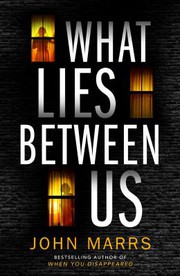
What Lies Between Us
Nina keeps mother Maggie locked upstairs for years, trading lies about sisters and deaths that unravel fast.
2,062-word summary · 9 min read
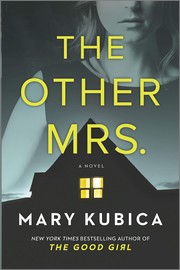
The Other Mrs.
A Chicago family inherits a house on a Maine island, then a neighbor is found murdered. Kubica's 2020 thriller builds to a final reframe.
2,267-word summary · 10 min read
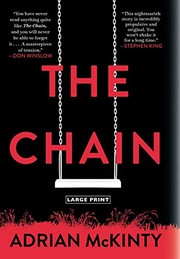
The Chain
Rachel must kidnap another child to save kidnapped Kylie, entering a chain where parents pass crime forward.
2,021-word summary · 9 min read
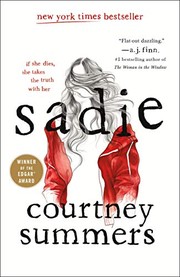
Sadie
Sadie hunts sister killer while podcast chases her in split narrative thriller.
2,091-word summary · 9 min read
Reconstructing Amelia
A grieving lawyer mother reopens her teen daughter's alleged suicide at an elite Brooklyn school, uncovering bullying and secrets.
2,032-word summary · 9 min read

What Lies in the Woods
Naomi returns after Olivia vanishes to face what happened in the woods at eleven.
2,213-word summary · 10 min read

The Seven Sisters
Maia follows Pa Salt clue from Geneva to Rio and Christ the Redeemer.
2,210-word summary · 10 min read