
Reading options
What's inside (8 sections)
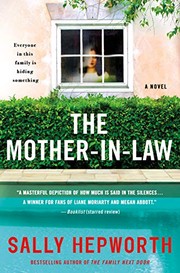
I picked up The Mother-in-Law because a friend told me it was the rare family thriller that made her text her sister at midnight. I expected a quick read about a difficult in law and a few secrets. What I found was slower and more patient than that. It follows Lucy, a young woman who marries into a family that looks polished from the outside, and Diana, her mother in law, who seems to run everything with calm confidence. I read it over three evenings, mostly on the couch with tea going cold beside me. By the second night I was less interested in who did what and more interested in why Diana acted the way she did.
The book came out in 2019 from St. Martin's Press. Sally Hepworth tells the story in two threads. One thread follows the past, from the time Lucy meets Ollie through the early years of their marriage. The other thread starts after Diana is found dead. The police and the family have to decide whether her death was suicide or something worse. Lucy narrates much of the story, so we see Diana through her eyes first, and that view is colored by hurt. I liked that structure once I settled into it, though I will admit the early chapters felt a little slow while Hepworth set the pieces in place.
Lucy is ordinary in a way that made her easy to sit with. She works, she loves Ollie, she wants to be liked. Ollie is her husband, steady and kind, but also loyal to his parents in a way that sometimes leaves Lucy feeling second. Diana is the center of the family. She is neat and capable. Tom, Diana's husband and Ollie's father, stays more in the background. He is gentle and quiet and seems happy to let Diana lead. The family home feels orderly. Meals happen on time. Everything has a place. Lucy walks into that order and feels rough around the edges by comparison.
Meeting Ollie and meeting Diana
Lucy meets Ollie when she is young and open to a big love. He is warm and attentive. He comes from money, though he does not show it off. Early on, things move fast in the way they do when you are sure. Lucy meets his parents and feels the temperature of the room change. Diana is polite. Diana is also watchful. She asks questions that sound friendly but feel like an assessment. Lucy wants Diana to like her. Diana seems to have decided already that Lucy is not quite right for Ollie.
There is a scene early on where Lucy visits the family home for a meal, and I felt secondhand nerves the whole time. Lucy tries to help. Lucy tries to dress right. Diana corrects small things with a smile. Nothing Diana says is cruel enough to repeat back and sound bad. That is what makes it sting. Ollie does not seem to notice, or he explains it away as his mother being particular. Lucy laughs it off at first. Then she stops laughing it off.
What Hepworth does well here is show how small frictions build. Diana leaves notes or instructions meant to be helpful. Diana reorganizes things in Lucy's home when she visits. Diana gives advice about food and clothes and later about babies and parenting. Each act on its own looks caring. Added up, they tell Lucy that she is doing life wrong. I have known women like Diana in real life, the kind who keep a perfect kitchen and mean well and still make you feel small. That felt true to me.
Ollie loves his mother. That love is real and it complicates everything. He grew up with Diana running the house and solving problems before anyone else noticed them. To him, her lists and plans are just how she shows care. To Lucy, they feel like control. Neither view is fully wrong. I found myself siding with Lucy in one chapter and then feeling sorry for Diana in the next. That back and forth kept me reading.
Married life and the slow build of hurt
After Lucy and Ollie marry, the story settles into domestic life. They find a place to live and try to build something of their own. Diana stays close, sometimes too close. She drops by with help for the house and views on how Lucy should host. Lucy starts to dread her visits. She also feels guilty for dreading them, which made her feel real to me.
One thread that runs through this middle part is Lucy's sense that she cannot win. If she accepts Diana's help, she feels judged. If she refuses it, she looks ungrateful. Ollie tries to keep the peace. He tells Lucy that his mother means no harm. He tells Diana, gently, to give them space. But he hates conflict, so his efforts stay soft. Lucy starts to keep score in her head. Diana said this at lunch. Diana moved things in my kitchen. The score grows and Lucy grows tired.
There are lighter moments too. Lucy and Ollie clearly enjoy each other when Diana is not in the room. They joke and make plans for the future. Friends come over. Work takes up time. Hepworth gives these scenes enough warmth that you understand what Lucy stands to lose. She is not miserable. She is worn down in one specific place, and that place happens to be family.
Diana, seen from Lucy's view, stays hard to read. She rarely raises her voice. She rarely explains herself. She does things that look generous, like giving money or time, but Lucy reads a message inside them. I kept wondering how much of that message Diana meant to send and how much Lucy added herself. The book wants you to ask that question. It does not hand you a clean answer early, and I liked that patience even when the pace dragged a little around the middle.
The strongest part of this section is how normal everything looks. There is no big fight. There is no single cruel act you can point to. There is just a steady pressure, year after year, until Lucy starts to imagine a life with less of Diana in it.
A death and a question nobody wants to ask
The present thread opens after Diana is found dead. The details come out slowly. She appears to have taken her own life. There is a note, or something like one, and the family is left to make sense of it. The police ask questions because they must. The family asks questions because they cannot stop. Lucy feels shock and then a strange relief that frightens her. She had wished, in bad moments, for distance from Diana. Now distance has arrived in the worst possible form.
Ollie is broken by the death. His mother was a fixed point in his life. Tom is quiet with grief. Lucy tries to support them while sorting her own feelings. She replays old scenes. Was Diana depressed and nobody saw it. Was someone else involved. Hepworth keeps the tone calm here rather than turning it into a police procedural. Officers come and go. Most of the pressure sits inside the house, in looks and silences.
I found these chapters sadder than I expected. Diana had seemed so controlled that the idea of her planning her own death felt both shocking and, in a dark way, consistent. Lucy wonders if she missed signs because she was too busy feeling judged. Ollie wonders if he leaned on his mother too much and saw her too little. Tom says little, which fits what we know of him, but his silence starts to feel heavy. The reader starts to look back at every earlier scene for clues.
The book handles the investigation lightly. This is not a story about forensics or suspects lined up in a row. It is a story about a family checking its own memory. Did Diana seem tired lately. Did she give things away. Did she tie up loose ends. Lucy starts to notice small things she had brushed past before. A comment Diana made about being a burden. A change in her habits. A softness that had not been there in earlier years. I liked that Hepworth did not rush this. Grief makes people slow, and the writing slows with them.
Then and now, Diana comes into focus
As the two threads move forward, Diana stops being just Lucy's problem and becomes a person with her own past. We learn more about her marriage to Tom. We learn more about how she raised Ollie and his sibling. We see her as a younger woman who believed that a clean home and a planned week could keep trouble out. That belief worked for a long time. It earned her respect. It also left her few tools for moments when plans failed.
There are scenes where Diana tries, in her own stiff way, to connect with Lucy. She offers help that she thinks is kind. She shares advice that worked for her. Lucy hears criticism. The gap between intent and effect is the whole book in miniature. I kept thinking about how often families live in that gap. One person shows love by fixing. The other person feels love only when they are left alone. Nobody is cruel. Everyone ends up hurt.
Tom becomes more important in this stretch. He has always let Diana take charge, and the book gently asks what that cost them both. He loves her. He also may not have asked her hard questions for years. Ollie sees his parents more clearly now that his mother is gone. He starts to understand that Diana's confidence had cracks. Lucy starts to understand that some of Diana's rules were aimed at herself, not at Lucy. That shift felt earned rather than forced, though a few reveals arrive close together near the end.
Hepworth also folds in the wider family. There are gatherings and phone calls and the awkward work of planning a funeral while wondering what really happened. People say kind things about Diana that Lucy struggles to match with her own memories. That rang true. Funerals smooth people out. Lucy has to hold both versions at once, the polished public Diana and the private one who made her cry in her own kitchen.
What I appreciated most here was the refusal to turn Diana into a villain or a saint. She stays difficult and caring at the same time. The past chapters reframe her without erasing what Lucy suffered. I believed both the softening and the hurt.
What the ending settles
Without giving away the final turns, the book answers the main question about Diana's death. The answer fits the clues Hepworth planted. It also fits Diana's character as the book built her, someone who planned ahead and hated being helpless. I guessed part of it before the reveal, but not all of it, and the part I missed changed how I read the last hundred pages. Lucy has to face what she wished for and what she actually did. Ollie has to face what he missed. Tom has to speak more plainly than he ever has.
The final meetings between Lucy and Tom carry a lot of weight. Tom has watched this family for decades. He knows things Lucy does not. When he shares them, Lucy has to revise her story about Diana. I found those scenes moving, partly because Tom is so quiet that his words land harder. Lucy does not get a simple apology that fixes everything. She gets context, which is sometimes better and sometimes worse.
There is also a reckoning for Lucy and Ollie as a couple. Grief tests them. Suspicion tests them. Old habits test them. They have to decide whether they will keep score or start fresh. Hepworth does not pretend one honest talk solves years of strain. She shows them trying, failing a little, then trying again. I believed in them by the end, though I wished one of their big talks had been allowed to run longer instead of wrapping up so neatly.
A family can look fine from the street while everyone inside keeps a private tally.
That line is mine, not the book's, but it sums up what stayed with me. Everyone in this story keeps count. Diana counts tasks done. Lucy counts slights. Ollie counts the days until things calm down. The book asks what happens when someone stops counting and simply leaves.
What dragged and what worked
I should be honest about the parts that tested my patience. The middle sags a little. Because the structure moves between past and present, some chapters repeat the same feeling. Lucy feels judged. Diana plans something. Ollie smooths things over. I understood the point, that this is how long strain really feels, but a few scenes could have been shorter without losing meaning. Lucy can also be passive for long stretches. She notices a lot and says a little. That fits her character, yet it sometimes made me want to shake her and tell her to speak up sooner.
The ending also ties up a bit too cleanly for my taste. After so much mess, a few answers arrive in tidy order. Motives get explained. Letters or conversations surface at useful times. I did not disbelieve them, but I felt the author's hand more in the last fifty pages than in the looser middle. Readers who love a firm landing will not mind. I mildly did, only because the rest of the book felt so lived in.
Still, much here works well. The voice is plain and warm. The domestic details feel observed rather than made up. Food and school runs carry real weight. Diana is a memorable creation, the kind of character you argue about after you finish. I argued with myself. Was she controlling or just anxious. Was she unkind or simply unable to say she was scared. The book lets both answers sit side by side.
I would press this book into the hands of readers who like family stories with a thread of mystery. It is not a fast thriller with twists every chapter. It is a slow burn about marriage and mothers and the stories we tell about people who annoy us. If you are looking for gore or a courtroom showdown, look elsewhere. If you want a book that makes you call your mother in law or your own mother and check in, this is a good pick. I finished it thinking less about how Diana died and more about how she lived, and how Lucy might live now that she finally sees her clearly.
FAQ
Who tells the story in The Mother-in-Law?
Lucy narrates most of the book, with chapters split between the past of her marriage and the present after Diana is found dead.
Is The Mother-in-Law a thriller or a family drama?
Hepworth published it in 2019 with St. Martin's Press as a family thriller with a mystery thread. Most of the book focuses on marriage and in law strain rather than police work.
Who is Diana in The Mother-in-Law?
Diana is Ollie's mother and Tom's wife, a capable woman whose advice feels like control to Lucy. Her death opens the present thread of the book.
Similar books
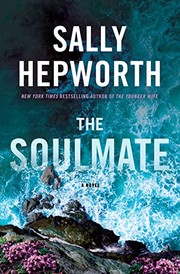
The Soulmate
A cliffside fall leaves a wife doubting her husband as old abuse and buried secrets surface.
2,126-word summary · 9 min read
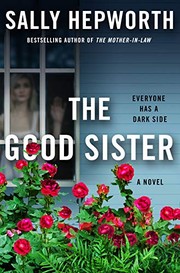
The Good Sister
Twin sisters share a careful arrangement until a plan to have a baby pulls old family secrets into view.
3,255-word summary · 14 min read

The Best of Friends
Three lifelong friends discover their teenage sons were hiding more than anyone knew after a night that leaves one dead, one in a coma and one silent.
2,040-word summary · 9 min read
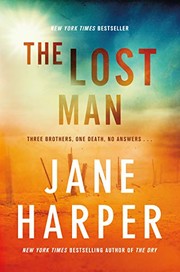
The Lost Man
A man is found dead at a lone grave in the Queensland outback, his car stocked and kilometres away. His brother works out the last day and the family behind it.
2,036-word summary · 9 min read
The Reappearance of Rachel Price
Bel films a doc when her missing mother walks back after years.
2,254-word summary · 10 min read
Keep It in the Family
Mia and Finn renovate a long empty house and find seven children hidden in the attic.
2,270-word summary · 10 min read

We Begin at the End
Thirteen-year-old Duchess Day Radley shields her little brother Robin after their mother dies, as freed killer Vincent King returns and sick chief Walk tries…
2,956-word summary · 13 min read
Long Bright River
Philadelphia officer Mickey patrols Kensington amid the opioid crisis, hunts a killer of vulnerable women, and searches for her missing addict sister Kacey…
2,986-word summary · 13 min read
What Lies Between Us
Nina keeps mother Maggie locked upstairs for years, trading lies about sisters and deaths that unravel fast.
2,062-word summary · 9 min read
The Cousins
Three cousins work at their rich grandmother island resort while digging into why their parents were cut off.
2,565-word summary · 11 min read
The Chain
Rachel must kidnap another child to save kidnapped Kylie, entering a chain where parents pass crime forward.
2,021-word summary · 9 min read
Pieces of Her
After her mother kills a mall shooter with shocking skill, Andy Oliver uncovers a hidden 1980s past of radicals and wealth.
2,791-word summary · 12 min read
The Storm
A struggling innkeeper, a returning murder suspect, and a true crime writer collide as another hurricane bears down on the Alabama coast.
2,349-word summary · 10 min read
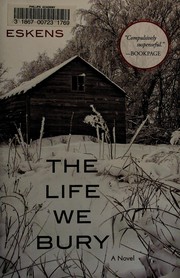
The Life We Bury
A college junior interviews a dying convict for class and reopens a 30-year-old murder case in Minnesota.
2,708-word summary · 12 min read
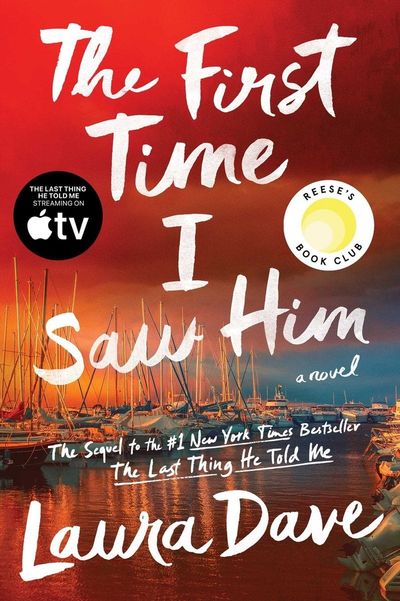
The First Time I Saw Him
Five years after Owen vanished, Hannah and Bailey have rebuilt in California until Owen walks into her exhibition and danger returns.
2,407-word summary · 11 min read
The Family Remains
Lucy returns to London as bones on the Thames reopen the Chelsea mansion deaths.
2,304-word summary · 10 min read
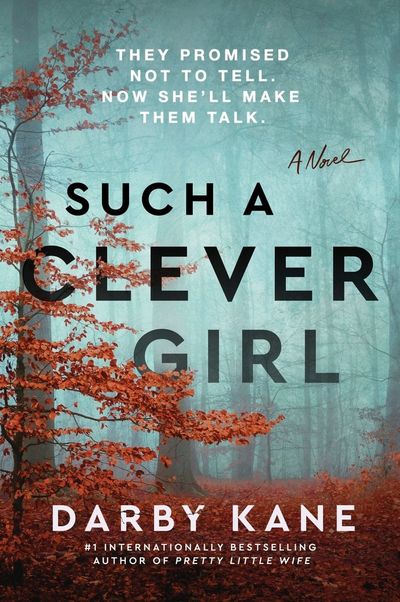
Such a Clever Girl
Fifteen years after the Tanners vanished, Aubrey returns at 30 as a new disappearance forces three women to face old secrets.
2,203-word summary · 10 min read

Mystic River
Three Boston friends reunite when one daughter is murdered.
2,230-word summary · 10 min read
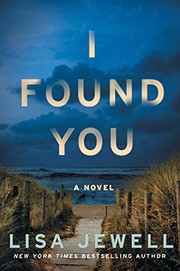
I Found You
A man with no memory on a beach, a vanished husband, and a 1993 holiday collide in a seaside town.
2,990-word summary · 13 min read
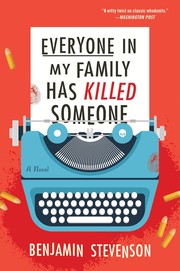
Everyone in My Family Has Killed Someone
A mystery writer narrates his own snowbound family reunion, where everyone has killed someone and the bodies pile up.
2,961-word summary · 13 min read

All the Little Houses
In 1980s Longview, Texas, social queen Charleigh and daughter Nellie guard mean-mom secrets when a new family threatens their empire.
2,206-word summary · 10 min read
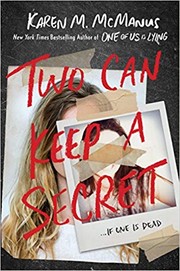
Two Can Keep a Secret
Twins new to Echo Ridge dig into aunt's murder as homecoming threats return.
2,078-word summary · 9 min read
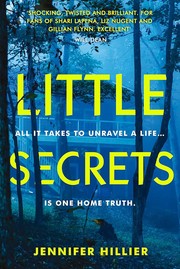
Little Secrets
A mother missing a son finds her husband cheating and handles both herself.
2,008-word summary · 9 min read
Invisible Girl
A missing teen, a strained marriage and a doxxed loner collide in London.
1,996-word summary · 9 min read
Watching You
A new wife in Bristol fixates on a charismatic neighbor while a teen boy logs every move before a murder.
2,363-word summary · 11 min read
The Good Daughter
Twenty eight years after a home invasion shattered her family, a lawyer witnesses a school shooting that reopens old wounds.
2,505-word summary · 11 min read
Not a Happy Family
After a bitter Easter dinner, Fred and Sheila Merton are found dead and their three adult children each hold a motive.
3,764-word summary · 17 min read

Daisy Darker
A family gathers on a tidal island for an 80th birthday and someone starts killing to a nursery rhyme.
1,917-word summary · 9 min read
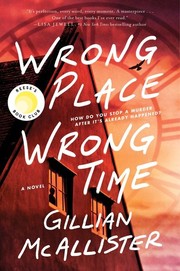
Wrong Place Wrong Time
Jen sees her son Todd kill a stranger, then wakes the day before, slipping back in time to stop the murder.
2,522-word summary · 11 min read
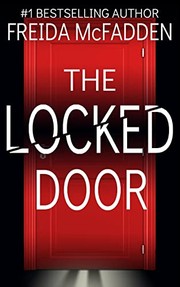
The Locked Door
Surgeon Nora Davis hides serial killer father while patients die.
2,465-word summary · 11 min read