
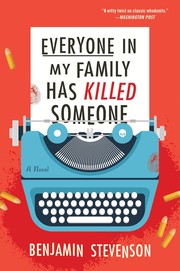
Everyone in My Family Has Killed Someone
2,961-word summary 13 min read 384 pages in the book
- First published
- 2022
- Publisher
- Mariner Books
- Pages
- 384
- ISBN
- 9780063279032
- Series
- Ernest Cunningham (#1)
Reading options
What's inside (8 sections)
A friend handed me this book with a grin and said the title is the whole pitch. He was not wrong, but the title hides how much fun the telling is. I started it on a weeknight planning to read a chapter and ended up well past midnight, arguing with the narrator in my head. That narrator is Ernest Cunningham, called Ern or Ernie, a 41 year old who writes guides for people who want to write mysteries. He opens by telling you everyone in his family has killed someone. Some of them, the high achievers, have done it more than once. Then he promises to play fair with you. I believed him at first. By the end I understood his version of fair has some fine print.
The book came out in 2022 in Australia and became a word of mouth hit before Mariner Books brought it to the United States. It runs 384 pages in the edition I used. It is the first book in the Ernest Cunningham series, followed by Everyone on This Train Is a Suspect. The setup is classic. A fractured family gathers at a ski resort. A storm cuts them off. People start dying. What makes it different is the voice. Ern talks to you directly, warns you when a clue matters, tells you which page deaths happen on, and explains the old rules of detective fiction while he breaks them in front of you.
A narrator who tells you everything and nothing
Ern begins with a list. His brother. His stepsister. His wife. His father. His mother. His sister in law. His uncle. His stepfather. His aunt. Himself. He says his family is not a pack of psychopaths. Some are good, others are bad, and some just unfortunate. That line does a lot of work. It tells you the book will be funny, but it also tells you the deaths will not all look the same. Some were accidents. Some were choices made in panic. One or two were far sadder than the word murder suggests.
He also lays out his method. He writes books about how to write crime novels, so he knows the old codes by heart. Do not hide clues. Do not introduce the killer in the last chapter. Give the reader the same facts the detective has. He keeps repeating that he will not trick you. What he means, you learn slowly, is that he will tell you true things in an order that points you the wrong way. He will mention a detail early that only makes sense much later. He will answer the question you asked while avoiding the question you should have asked.
I laughed at his asides in the first fifty pages. Then I started taking notes, which is not something I usually do with a mystery. He tells you deaths occur or are reported on particular early pages, and he dares you to keep track. It feels like a game. It also creates a strange trust. When he says there are no cheap hidden twins or poisonings from nowhere, you relax. That relaxation is part of the trap.
If you have read a lot of Agatha Christie, you will catch the references. If you have not, Ern explains enough that you will not feel lost. He names the tools as he uses them. Red herrings. Timelines. Locked room logic. He even tells you when he is skipping ahead or holding something back for later, which annoyed me once or twice. At one point I wanted to tell him to stop winking and get on with it. But the winking is the point. The book is about whether a mystery writer can solve a real murder without turning real people into plot devices. Ern keeps failing at that, then catching himself.
Meet the Cunninghams
You need the family straight before the snow starts, because the middle of the book moves fast and everyone has a motive.
Audrey Cunningham is the matriarch. She is the mother of Michael and Ernest. Her first husband Robert died when the boys were young, and she later married Marcelo Garcia. She has a scar above one eye and a long memory for slights. She blames Ern for a lot of the coldness in the family, and she is not entirely wrong. She runs the reunion with the energy of someone trying to force a photo where everyone smiles.
Michael Cunningham is Ern's older brother. He went to prison for three years for murder and gets out just before the reunion. He lies about exactly when he got out, which tells you plenty about him. He was married to Lucy and divorced her while inside. Now he is with Erin, who is Ern's wife, though the two are separated. That triangle sits underneath every family dinner in the book and Stevenson never lets you forget it.
Marcelo Garcia married Audrey after Robert's death. He is a lawyer, heavy set and bald, fond of yelling at waiters and wearing a platinum Rolex from the late 1980s. He defended Michael at trial. His daughter Sofia is Ern and Michael's stepsister. Sofia is Ecuadorian, trained as a surgeon, and was recently suspended from her job. She is an outsider in the family in the same way Ern is, and the two of them circle each other with wary respect.
Katherine Millot is Ern and Michael's aunt. She is married to Andrew, and they have a daughter Amy who lives in Italy and skips the reunion. Katherine walks with a slight limp from a car accident in her twenties. She does not drink. She is hyper organized and speaks in the clipped tone of someone used to running meetings. Her husband Andrew is a horticulturist who tries hard to bond and often fails. He calls himself a feminist and means it, though the family treats him as background noise.
Lucy Cunningham is Michael's ex wife. She stood by him through the trial and he divorced her in prison. She has blonde hair cut in a bob and runs an online business. She curates success the way some people curate photos. Erin Cunningham, Ern's separated wife, grew up in a single parent home and lost her mother to cancer. She is practical where Ern is theoretical, and her decision to leave him for Michael reads less like cruelty and more like exhaustion by the time you understand it.
One cousin gets a famous footnote. Amy once brought a peanut butter sandwich to a corporate picnic and nearly caused a medical emergency for her HR rep. Ern refuses to count her as a killer for that. It is a joke, but it also shows his accounting system. He is serious about who belongs on his list and why.
The night Michael knocked on Ern's door
Three years before the reunion, Michael showed up at Ern's house in the early morning with a busted headlight and blood on the car. Ern was half asleep. Michael said he had hit someone. Then he corrected himself. The man had been shot first, then Michael hit him with the car. He had been drinking, just a bit, in his words. There was a bag of money involved that clearly did not belong to either of them. Michael did not want to go to a hospital. He said the man would not make it. Ern argued they had to try. He lost the argument.
What happened next is the wound the whole series grows around. Ern watched his brother finish what the shooting started. A dying man was breathing and then he was not, while Ern stood there. Afterward Ern went to the police and testified against Michael at his murder trial. He also held on to the bag of cash for Michael until his release, which tells you how tangled loyalty gets in this family. Michael served three years. The rest of the Cunninghams treated Ern as the traitor who put blood in prison, even though Michael had taken a life. Ern accepted the role of outsider. He kept writing his guides to mystery fiction. His marriage to Erin thinned out and then split, and Erin moved toward Michael.
I found this backstory more upsetting than anything at the resort. The resort deaths are puzzles. This earlier death is ugly in a plain way. Two brothers in a driveway, cold air, a hurt man in a car, and a series of small decisions that close off every decent option. Stevenson writes it without decoration. Michael is not a monster in these pages. He is scared and drunk and thinking about Lucy leaving him. Ern is not heroic either. He freezes, argues weakly, then cooperates with a cover story before changing course. The later claim that everyone in the family has killed someone sounds like a joke until you sit with this scene. Then it sounds like bookkeeping.
The money matters more than it first seems. Ern keeps it and plans to return it when Michael gets out. That promise pulls both men into the reunion with a secret between them. It also explains why Michael lies about his release date.
Snowed in at the ski resort
The reunion takes place at a mountain resort in Australia, a place with lifts and lodges and views that turn white and blind when the weather comes in. Attendance is presented as mandatory. Audrey wants a reset. Michael is the guest of honor in theory. Ern dreads it. He drives up expecting awkward meals and leaves expecting worse.
The storm arrives early and stays. Roads close. Phone service thins. The group becomes a closed circle, which is exactly what mystery writers love and what real people should fear. Then a body is found in the snow. The details are grisly without being showy. A man burned to death in the middle of a field of unmelted snow should be impossible, and Ern knows it. He walks you through why. Fire needs fuel and time. Snow preserves tracks and tells stories about weight and movement. Someone created a scene that should not exist.
With no police able to reach them quickly, Ern becomes the default investigator. He does not want the job. Nobody fully trusts him because of Michael's trial. Michael does not want him poking around because of the money. Audrey wants calm. Katherine wants order. Marcelo wants a lawyer's control over every conversation. Sofia, with medical training, becomes useful in reading wounds. Lucy films and posts and tries to keep up appearances while clearly frightened. Erin watches Ern with the tired attention of someone who used to love him and now studies him.
The middle section follows a pattern without feeling repetitive. Ern interviews someone, learns how that person once killed someone, and files it away. A stepsister's hospital story. A mother's old negligence. An uncle's panic. A stepfather's attempt to clean up that made things worse. Each account changes the math on the present murder. Each also makes the family look worse and more human at the same time. Stevenson is good at this double effect. You judge these people, then you catch yourself understanding the minute in which they acted.
Another death follows, then the sense that the killer is working from inside the group's history rather than picking at random. Supplies run low. Tempers shorten. Ern keeps narrating, keeps citing rules, keeps telling you he is giving you every clue. He shows you the resort owner's role, the staff who come and go before the roads shut, the layout of rooms and paths in the snow. He admits when he does not know something.
What works and what drags
The best parts are the voice and the structure. Ern's commentary on mystery conventions never feels like a lecture. It feels like a friend pausing a movie to point out the trick, then rewinding to show you. The book respects readers who know Christie and Osman and Knives Out, but it does not punish newcomers. The snowbound setting is used well. Tracks and sight lines matter. Cold slows bodies and cars. The lodge feels smaller as people stop gathering in common rooms. Stevenson grew up around this kind of storytelling as a comedian and it shows in his timing. Jokes land, then a quiet paragraph lands harder.
The family triangle gives the puzzle weight. Ern testifying against Michael could have been backstory. Instead it shapes every choice Ern makes at the resort. He wants to prove he can do better this time. He wants Michael to see him as a brother rather than a witness. With Erin, he hopes to look like someone who acts instead of annotating. Those wants cloud his judgment in ways the book admits. When he misses something obvious, it reads as character rather than author cheat. I guessed wrong about the killer twice, and both times the miss felt earned. The clues were there. My attention was elsewhere, exactly where Ern wanted it.
There are weaknesses, and they cluster in the middle third. The interview cycle grows familiar. Someone deflects, Ern presses, a sad story emerges, Ern tells the reader why it matters for the rules. After the fourth or fifth turn, I started skimming the setup to reach the reveal of each mini history. A few jokes repeat. Katherine's office speak and Marcelo's shouting at staff are funny twice, then feel like buttons being pushed. Andrew gets little to do beyond being decent and dull, which may be intentional but left me wishing one scene had let him surprise me.
The timeline also demands patience. Ern jumps between the present at the resort, the night three years ago, and older events around his father's death and a child the family believed lost. Most jumps are signposted. A few are not, and I had to flip back to place a conversation. Readers who want a straight line from body to solution may find the last stretch crowded. Threads about police corruption years earlier, the cash from the driveway night, and the resort murders all tighten at once. Stevenson ties them, but the knot is bulky. One late reveal about a younger brother thought dead as a small child reframes several earlier scenes. It works emotionally. Logically it asks you to accept that Ern told the truth throughout while leaving out the one fact that would have changed your reading. He warns you he does this. It still stung.
None of that spoiled the whole for me. The strengths outweigh the sags, and the sags are the kind you notice because the rest moves so well. This is a funny book about terrible things that never pretends the terrible things are funny. It respects grief while playing a game with murder. That balance is hard. Stevenson holds it.
The solution plays fair, mostly
Without giving away the name you will want to guess yourself, the ending reframes the snow. What looked impossible becomes a sequence of ordinary actions done in a clever order. The burned body in the unmelted field stops being magic and starts being logistics. Fuel carried in something innocent. Timing that used the storm as cover. Tracks brushed or remade while everyone looked at the fire instead of the ground. Ern walks through it step by step, showing where each family member was and what each one thought they saw. The cash from three years ago returns in a way that makes earlier lies click into place. The old shooting and the present killings turn out to share people and to share themes.
The harder part of the solution is not mechanics but identity. The book connects the resort to the death of Ern and Michael's father Robert when they were boys, to cops who were not clean, and to a small child the family mourned. One name on Ern's opening list involves self harm rather than harm to another person, and the book treats that distinction with care instead of using it as a gotcha. Another involves neglect long ago that curdled into something worse. When Ern says everyone in his family has killed someone, he means the words literally but not simply. He counts different kinds of responsibility together, then spends the book sorting them back apart.
That sorting is where his narration faces its test. He told you true facts early that you filed under one meaning. Later he shows you the other meaning they also carried. A line about sitting beside his brother as he died reads one way in chapter one and another way near the end. A claim about who counts as family stretches to include and exclude people at key moments. He never lies about the central actions. He just lets you assume the context. I admired it and resented it in equal measure, which seems to be the response Stevenson wants. The final pages push Ern and Erin toward an amicable split rather than a reunion, and push Ern and Michael toward something rawer than forgiveness. It felt honest. No hug fixes three years of prison and betrayal.
If you enjoy locked room puzzles with a comic edge, start here. Readers who like being addressed directly, who like Richard Osman or the film Knives Out, will feel at home. The next book puts Ern on a train with a festival of crime writers. Stevenson found a narrator who can carry a series because his flaw is also his engine.
I closed the book thinking about that opening dare. Spoil everything on page one and still surprise the reader. Stevenson almost pulls it off. The surprise is less a name than a shift in how you weigh each death.
FAQ
When was Everyone in My Family Has Killed Someone published?
It was first published in Australia in 2022. Mariner Books published the US edition, a 384 page paperback with ISBN 9780063279032.
Is Everyone in My Family Has Killed Someone part of a series?
Yes, it is the first book in the Ernest Cunningham series. The sequel is Everyone on This Train Is a Suspect.
Who narrates the book?
Ernest Cunningham, a 41 year old writer of guides to mystery fiction, tells the story himself. He speaks to the reader and explains the detective rules as he uses them.
Similar books
More from Ernest Cunningham first, then related titles.

The Best of Friends
Three lifelong friends discover their teenage sons were hiding more than anyone knew after a night that leaves one dead, one in a coma and one silent.
2,040-word summary · 9 min read
Killers of a Certain Age
Four sixty-year-old assassins discover their retirement cruise is a trap and turn their skills on the agency that trained them.
2,014-word summary · 9 min read
Finlay Donovan Knocks 'Em Dead
Someone has put a contract on Finlay Donovan's ex-husband, and the novelist and her nanny have to find the hitman before the school pickup.
1,990-word summary · 9 min read
The Lost Man
A man is found dead at a lone grave in the Queensland outback, his car stocked and kilometres away. His brother works out the last day and the family behind it.
2,036-word summary · 9 min read

Dial A for Aunties
A wedding photographer accidentally kills her blind date, and her mother and three aunties help her hide the body during the biggest wedding of their careers.
2,076-word summary · 9 min read
The Reappearance of Rachel Price
Bel films a doc when her missing mother walks back after years.
2,254-word summary · 10 min read
Vera Wong's Unsolicited Advice for Murderers
A widowed teashop owner pockets a flash drive from a dead man and mothers her suspects into confessing.
2,564-word summary · 11 min read
Keep It in the Family
Mia and Finn renovate a long empty house and find seven children hidden in the attic.
2,270-word summary · 10 min read

We Begin at the End
Thirteen-year-old Duchess Day Radley shields her little brother Robin after their mother dies, as freed killer Vincent King returns and sick chief Walk tries…
2,956-word summary · 13 min read
Long Bright River
Philadelphia officer Mickey patrols Kensington amid the opioid crisis, hunts a killer of vulnerable women, and searches for her missing addict sister Kacey…
2,986-word summary · 13 min read
What Lies Between Us
Nina keeps mother Maggie locked upstairs for years, trading lies about sisters and deaths that unravel fast.
2,062-word summary · 9 min read
The Cousins
Three cousins work at their rich grandmother island resort while digging into why their parents were cut off.
2,565-word summary · 11 min read
The Chain
Rachel must kidnap another child to save kidnapped Kylie, entering a chain where parents pass crime forward.
2,021-word summary · 9 min read
Pieces of Her
After her mother kills a mall shooter with shocking skill, Andy Oliver uncovers a hidden 1980s past of radicals and wealth.
2,791-word summary · 12 min read
The Storm
A struggling innkeeper, a returning murder suspect, and a true crime writer collide as another hurricane bears down on the Alabama coast.
2,349-word summary · 10 min read
The Soulmate
A cliffside fall leaves a wife doubting her husband as old abuse and buried secrets surface.
2,126-word summary · 9 min read
The Life We Bury
A college junior interviews a dying convict for class and reopens a 30-year-old murder case in Minnesota.
2,708-word summary · 12 min read
The First Time I Saw Him
Five years after Owen vanished, Hannah and Bailey have rebuilt in California until Owen walks into her exhibition and danger returns.
2,407-word summary · 11 min read
The Family Remains
Lucy returns to London as bones on the Thames reopen the Chelsea mansion deaths.
2,304-word summary · 10 min read
Such a Clever Girl
Fifteen years after the Tanners vanished, Aubrey returns at 30 as a new disappearance forces three women to face old secrets.
2,203-word summary · 10 min read
Mystic River
Three Boston friends reunite when one daughter is murdered.
2,230-word summary · 10 min read
I Found You
A man with no memory on a beach, a vanished husband, and a 1993 holiday collide in a seaside town.
2,990-word summary · 13 min read
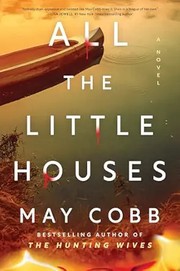
All the Little Houses
In 1980s Longview, Texas, social queen Charleigh and daughter Nellie guard mean-mom secrets when a new family threatens their empire.
2,206-word summary · 10 min read
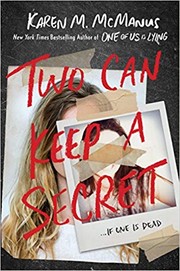
Two Can Keep a Secret
Twins new to Echo Ridge dig into aunt's murder as homecoming threats return.
2,078-word summary · 9 min read
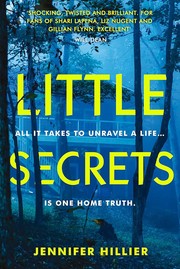
Little Secrets
A mother missing a son finds her husband cheating and handles both herself.
2,008-word summary · 9 min read
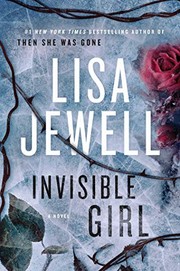
Invisible Girl
A missing teen, a strained marriage and a doxxed loner collide in London.
1,996-word summary · 9 min read
The Mother-in-Law
Sally Hepworth's 2019 family thriller follows Lucy as she clashes with her polished mother-in-law Diana, until Diana's sudden death forces Lucy to rethink…
2,471-word summary · 11 min read
Watching You
A new wife in Bristol fixates on a charismatic neighbor while a teen boy logs every move before a murder.
2,363-word summary · 11 min read
The Good Sister
Twin sisters share a careful arrangement until a plan to have a baby pulls old family secrets into view.
3,255-word summary · 14 min read
The Good Daughter
Twenty eight years after a home invasion shattered her family, a lawyer witnesses a school shooting that reopens old wounds.
2,505-word summary · 11 min read