
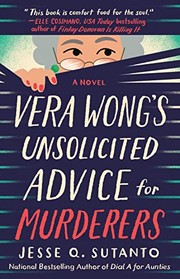
Vera Wong's Unsolicited Advice for Murderers
2,564-word summary 11 min read 368 pages in the book
- First published
- 2023
- Publisher
- Berkley
- Pages
- 368
- ISBN
- 9780593546178
- Series
- Vera Wong (#1)
Reading options
What's inside (8 sections)
I picked up this book on a week when I wanted something light. My reading pile had gotten heavy with long literary novels where everyone is sad in a tasteful house, and I wanted a mystery that would move and make me laugh. A friend said this one was about a sixty year old Chinese widow who solves a murder out of her teashop and adopts all her suspects along the way. That sounded exactly right.
The setup is simple. Vera lives above her shop, Vera Wangs World Famous Teahouse, in San Francisco Chinatown. Business is slow. Her son Tilly rarely answers her texts. She fills her days with tea, neighborhood gossip, internet snooping on Tilly, and strong opinions about everyone. Then one morning she comes downstairs and finds a man dead on the floor in the middle of the shop.
That dead man turns out to be Marshall Chen. The police think he broke in during the night and died after taking something he should not have taken. Vera thinks otherwise. She pockets the flash drive she finds clutched in his hand, calls the police as a good citizen should, and then starts her own hunt. Her logic is pure Vera. Killers return to the scene of the crime, so she just needs to watch who shows up at the shop and figure out which one of them did it.
It works, partly because Vera is clever and partly because people underestimate her. Before long four strangers are circling her shop, each with a shaky story. There is Julia, Marshall's anxious wife and mother to a small girl named Emma. There is Oliver, Marshall's twin brother, quieter and sadder and carrying his own guilt. There is Riki, a young Indonesian programmer on a work visa who says he is a journalist. There is Sana, a young artist who says she hosts a true crime podcast. All of them want that flash drive. All of them are lying about something.
I will say upfront that if you come to this book for a tight puzzle with clues and red herrings laid out fair and square, you may feel a little cheated. The mystery matters, but it is not really the point. The point is Vera feeding people until they tell her the truth, and what happens when five lonely people start showing up every day for tea they did not know they needed.
The Widow Above The Teashop
Vera is sixty, widowed, and living in the flat above the shop she ran with her late husband. Sutanto gives her a very specific daily rhythm. She wakes early. She airs the shop. She judges the neighborhood. She makes tea with strong views about which tea fixes which problem. Wulong for focus. Chrysanthemum to cool down. A dark brick tea when someone needs grounding. She texts Tilly articles about health and jobs and suitable partners, and then she gets annoyed when he replies with one word or not at all.
I loved how physical Vera feels on the page. She is short. She moves fast. She wears an apron with pockets full of useful things. She cooks huge amounts of food without asking if you are hungry, because in her world hunger is assumed and refusal is a minor insult to be ignored. Her English swings between blunt commands and sudden softness, especially with children. She watches a lot of cop shows and believes she has picked up real skills, which is both funny and a little true. She notices when someone has not slept. She notices who eats and who only pushes food around.
What gives the opening weight is how lonely Vera is without quite saying so. She tells herself she is fine alone. She is busy. She has standards. But she keeps Tillys childhood room ready. She saves leftovers nobody will eat. She talks to herself while cleaning. Sutanto does not push this. She just lets you see the extra dumpling Vera makes, the second cup she pours out of habit, the way Vera lingers by the window when school lets out. It made me root for her before the body even shows up.
A Dead Man Found Before Opening
The morning Vera finds Marshall is written as shock mixed with practicality. She thinks at first that someone has dumped junk in her shop. Then she sees it is a man. Then she sees he is not breathing. She does what she thinks a sensible person should do. She checks for signs of life, she calls the police, and then, in a decision that sets the whole plot in motion, she slides the flash drive out of his hand and puts it in her apron.
I laughed at that moment and also groaned, because it is so wrong and so Vera. Her reasoning is that the police will bungle it. They will file it away. They will not look closely. She, on the other hand, has time, eyes, and a shop the killer will have to revisit. She is not entirely wrong about being overlooked. The responding officers treat it as a sad but simple case. A man broke in, perhaps to sleep or steal, and took drugs that killed him. No forced entry worth chasing. No reason to dig. Case closed enough.
Sutanto uses that police shrug to open up space for Vera. If the authorities cared more, Vera would be a nuisance to be removed. Because they care less, she becomes the only person paying attention. That is both satisfying and, if I am being fair, a little convenient. Real police would not leave a dead body in a shop with so little follow up, and real evidence tampering would bring bigger trouble than Vera gets. But cozy mysteries run on this kind of permission. You accept that the professionals step back so the amateur can step forward. Once I accepted it, I stopped fighting it.
Suspects Gathered Over Tea
Julia arrives first in emotional terms, even if the order of visits blurs. She is young, tired, and trying to hold herself together for her daughter Emma. Her marriage to Marshall had curdled. He belittled her cooking and her art and her friends until she felt small in her own house. The night before he died, he told her he was leaving. Then he turned up dead in a teashop. Julia does not know whether to grieve or feel relief, and that confusion makes her look guilty to anyone watching coldly. Vera watches her warmly instead, which changes everything.
Oliver is harder to read at first. As Marshalls identical twin, he shares the face but not the swagger. He writes, or wants to write, and he carries the particular ache of loving someone you also resent. He shows up at the shop asking questions that sound like a brother trying to understand, and Vera clocks him immediately as family. Twins notice things, she figures, and so does she. Oliver eats when Vera tells him to, which is Veras shorthand for a good heart. He also lies about why he is really there, which Vera files away.
Riki was my favorite of the four when the book started. He is Indonesian, smart, polite to a fault, and living with the low hum fear of someone whose visa depends on staying out of trouble. Marshall hired him to build a tool that could scrape and game attention around digital tokens, then paid him less than promised and left him exposed. Riki tells Vera he is a reporter because reporter sounds safer than broke programmer who did gray area work for a dead man. He is anxious in a way I recognized. He rehearses conversations. He apologizes too much. Vera sees through him in about a minute and decides to fatten him up.
Sana is pricklier. She introduces herself as a podcaster chasing a story, which is partly cover and partly true in the way young creative people hustle. She is an artist with a sharp tongue and a bruised history with men who take up too much room. She does not want mothering. She gets it anyway. Her pages have more snap than the others, and her suspicion of Vera feels earned. Why is this old lady asking so many questions. Why does she keep feeding me. What does she want from me. The answer, of course, is company, though Vera would never put it that plainly.
A Meddling Investigation With Snacks
Veras method is not detection so much as absorption. She brings people close until they leak. She cooks the food of her childhood and theirs, or what she imagines theirs might be, and she watches what loosens. A pork belly stew. Turnip cakes. Congee with century egg for the brave. She pairs teas with moods whether the drinker wants it or not. If you are jumpy, you get something calming. If you are sullen, you get something bracing. She is not above eavesdropping, following, searching bags when backs are turned, or inviting herself along to places she was not asked to go.
I found these chapters very funny, and also a little uncomfortable in a productive way. Vera tampers with evidence more than once. She withholds the flash drive. She tells suspects they are suspects to their faces, which no sensible investigator would do. She tries to set two of them up romantically because she has decided they suit each other, with zero regard for timing or consent. It is easy to laugh because Sutanto writes it with such bounce. It is also worth pausing on, because in real life this behavior would be intrusive and possibly harmful. The book knows it. Other characters push back, especially Sana, and Vera sometimes hears them and sometimes steamrolls on.
What The Teashop Confessions Reveal
As the flash drive mystery sharpens, so does the picture of Marshalls business. He was far from an unlucky stranger who wandered into the wrong shop. He spent his days hustling in a world of online hype, flipping stories and tokens and connections, promising people more than he delivered. Rikis bot was part of that machine. So were deals Oliver half understood and Sana had reason to hate. Julia knew the least and paid the most, because she lived with the version of Marshall who came home and needed someone small to feel big against.
The confessions land because they are tied to food and work, not to speeches. Julia relaxes while folding dumplings and says more than she meant to. Riki talks while fixing Veras ancient router and feeling useful for the first time in weeks. Sana opens up while sketching Emma at the back table, distracted enough to be honest. Oliver talks on a walk to buy groceries, side by side instead of face to face, which is often easier for men raised not to cry in kitchens. I believed these moments. People tell the truth with their hands busy.
Emma deserves a paragraph of her own. She is small, observant, and drawn to Vera with the instant trust kids sometimes give strong grandparents. Vera, who aches for grandchildren Tilly has not provided, latches onto Emma hard. Some readers may find this a touch sentimental. I did, a little. There are scenes where Emma calls Vera grandma very quickly and Vera melts, and you can feel Sutanto reaching for your heart. It worked on me anyway, partly because Emma is written as a real child who spills and interrupts and asks blunt questions, not as a prop. She changes the temperature of every scene she enters.
Without spoiling the exact mechanics, I will say the final reveal reframes Marshalls death as less of a lone act and more of a tangle. Several people took steps that night that could have harmed him or hidden harm. Only one chain of choices actually ended him, and it comes from family history rather than stranger danger. The motive reaches back to parents and favoritism and money, and to a father who decided he had watched enough. When Vera learns the full truth, she has to choose between the law as written and the loyalty she feels to her new flock. The book lets her sit in that discomfort instead of rushing past it.
Found Family, Sharp Edges Included
By the last third, the teashop group has become something none of them planned. They have inside jokes. They have assigned seats. They argue about music and tea strength and who ate the last egg tart. Vera fusses over Julia like a daughter, scolds Riki and Oliver like sons, spars with Sana like a worthy opponent who might become a friend, and worships Emma like the grandchild she has been waiting for. It is sweet. It is also, to the books credit, not smooth.
Vera remains Vera. She gives advice nobody asked for about sleep and posture and dating and cholesterol. She assumes she knows what Riki should do about his visa stress, what Sana should do about her art, what Julia should do about work, what Oliver should do about his book. Sometimes she is right. Sometimes she steamrolls. Sutanto lets the younger characters name that. Sana especially calls out when care tips into control. Julia learns to say no as well as thank you. Those small boundaries keep the found family from turning cloying. Love here includes friction.
If there is a weak edge to the warmth, it is that Marshall himself never quite becomes human. We hear he was abusive and flashy and careless, but mostly through summary. That makes it easier to rally around the survivors, which is the books goal, yet it also softens the moral question at the end. It is easier to forgive bending the rules when the victim is drawn as someone few will miss. I wished for one scene that showed his charm intact, so the loss felt more mixed and Veras choice felt heavier. As written, the ending leans toward comfort, which suits the genre but takes a little weight off.
Still, I closed the book feeling fed in the way Vera would want. I cared who got seconds. I cared who would watch Emma when Julia needed a night off. I cared whether Oliver would finish his draft and whether Riki would find steadier work and whether Sana would keep coming back even after she stopped needing an excuse. The murder gets solved. The family, for lack of a better word, gets chosen. For a 2023 Berkley cozy of 368 pages that launches a series, that is exactly the promise. First in a series needs to solve its case and leave doors open, and this one does both without cheating either job.
Would I hand it to a friend. Yes, with a note. If you want a ruthless puzzle, look elsewhere. If you want to spend time with a fierce older woman who will feed you, scold you, snoop through your bag, and then stand between you and trouble, pull up a chair. Bring an appetite. Expect to laugh. Expect to feel a sting when Vera checks her phone and Tilly has not replied. Expect to argue a little with what she does at the end, and to love her anyway. I did. I will be back for the second visit.
FAQ
How long is Vera Wong's Unsolicited Advice for Murderers?
The Berkley first edition from 2023 runs 368 pages. It is a fast read with short chapters and five viewpoints.
Is this the first Vera Wong book?
Yes. It is book 1 in the Vera Wong series, followed by Vera Wong's Guide to Snooping (on a Dead Man). The murder here is fully solved.
Is it a cozy mystery or a darker crime novel?
Yes, in a gentle way. The killer returns to the shop, secrets come out over shared meals, and the ending favors care over punishment.
Similar books
More from Vera Wong first, then related titles.
Dial A for Aunties
A wedding photographer accidentally kills her blind date, and her mother and three aunties help her hide the body during the biggest wedding of their careers.
2,076-word summary · 9 min read
Everyone in My Family Has Killed Someone
A mystery writer narrates his own snowbound family reunion, where everyone has killed someone and the bodies pile up.
2,961-word summary · 13 min read
The No. 1 Ladies' Detective Agency
Precious Ramotswe opens a detective agency in Gaborone and solves small cases with tea, patience, and kindness.
2,029-word summary · 9 min read

Size 12 Is Not Fat
Former teen pop star Heather Wells investigates two dorm elevator deaths while juggling her ex, her crush, and a size-12 wardrobe.
2,805-word summary · 12 min read
First Grave on the Right
Charley Davidson is a private investigator in Albuquerque and the grim reaper. When three murdered lawyers come back as ghosts, her two jobs collide.
2,770-word summary · 12 min read

Hard Luck
Rowley has a girlfriend, so Greg turns to a Magic 8 Ball, a family Easter hunt and the school yearbook for answers.
2,586-word summary · 11 min read
Finger Lickin' Fifteen
Lula sees a celebrity chef decapitated and talks Stephanie into entering a barbecue contest to lure the killers, while Ranger hires her to find a security leak…
2,248-word summary · 10 min read

Heist Society
A teenage art thief gets expelled from boarding school, then has two weeks to steal five paintings back from a London museum and clear her father.
2,781-word summary · 12 min read

Act Your Age, Eve Brown
Eve Brown crashes into a Lake District bed and breakfast, breaks the owner's arm, and talks her way into his kitchen. A grumpy-sunshine romance about work,…
2,474-word summary · 11 min read
The Girls in the Garden
Clare moves her daughters to a gated London garden where the community feels safe; at the midsummer party, twelve-year-old Pip finds her sister bleeding in the…
1,973-word summary · 9 min read

George's Marvellous Medicine
George stirs a brew of dozens of household chemicals and gives it to his grumpy grandmother, and the medicine works far better than anyone planned.
2,014-word summary · 9 min read
Fearless Fourteen
Bounty hunter Stephanie Plum babysits a teenager, guards a fading singer, and hunts nine stolen million dollars under her boyfriend's basement.
2,466-word summary · 11 min read

2 States: The Story of My Marriage
A Punjabi boy from Delhi and a Tamil Brahmin girl from Chennai meet at IIM Ahmedabad, and turn a love marriage into a campaign to convince two families.
2,634-word summary · 12 min read

The Best of Friends
Three lifelong friends discover their teenage sons were hiding more than anyone knew after a night that leaves one dead, one in a coma and one silent.
2,040-word summary · 9 min read
Lean Mean Thirteen
Stephanie Plum's ex-husband disappears after she attacks him, leaving her suspected of murder and chasing a forty-million-dollar secret through Trenton.
2,100-word summary · 9 min read
Killers of a Certain Age
Four sixty-year-old assassins discover their retirement cruise is a trap and turn their skills on the agency that trained them.
2,014-word summary · 9 min read
Finlay Donovan Knocks 'Em Dead
Someone has put a contract on Finlay Donovan's ex-husband, and the novelist and her nanny have to find the hitman before the school pickup.
1,990-word summary · 9 min read
A Rule Against Murder
Gamache's anniversary at a remote lodge turns into a closed-circle murder when the family statue kills Julia, and everyone at the Manoir had a reason.
2,201-word summary · 10 min read
Twelve Sharp
Stephanie Plum is stalked by a woman claiming to be Ranger's wife, and when Ranger's daughter is kidnapped, Stephanie becomes both bait and target.
2,064-word summary · 9 min read
The Lost Man
A man is found dead at a lone grave in the Queensland outback, his car stocked and kilometres away. His brother works out the last day and the family behind it.
2,036-word summary · 9 min read

Cold Sassy Tree
In 1906 Georgia, fourteen-year-old Will Tweedy watches his widowed grandfather marry a much younger woman three weeks after his grandmother's funeral.
2,154-word summary · 10 min read

Beezus and Ramona
Nine year old Beezus tries to be a good older sister while four year old Ramona turns every ordinary day into a disaster, until a tenth birthday forces honesty.
2,062-word summary · 9 min read
Vanishing Acts
A search-and-rescue worker's perfect life cracks when her past and her father catch up.
2,799-word summary · 12 min read
The Reappearance of Rachel Price
Bel films a doc when her missing mother walks back after years.
2,254-word summary · 10 min read
The Penultimate Peril
Baudelaires as concierges in a hotel sort friends from foes before the end.
2,234-word summary · 10 min read
The End
Baudelaires wash on an island where others decide what safe means.
2,320-word summary · 10 min read
The Cruelest Month
Gamache returns to Three Pines where a seance ends in murder.
2,529-word summary · 11 min read
The Book of Lost Friends
Three women trace Lost Friends ads from 1875 to find stolen sons.
2,368-word summary · 11 min read
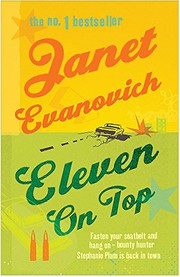
Eleven on Top
Stephanie quits bounty hunting for normal jobs, but a killer and a wedding keep pulling her back.
2,508-word summary · 11 min read
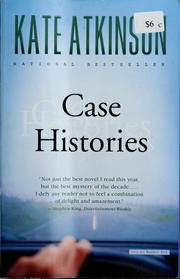
Case Histories
A Cambridge PI takes three cold cases that tangle with his own loss.
2,465-word summary · 11 min read