
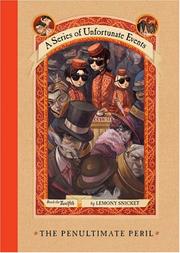
The Penultimate Peril
2,234-word summary 10 min read 353 pages in the book
- First published
- 2005
- Publisher
- HarperCollins
- Pages
- 353
- ISBN
- 9780060296438
- Series
- A Series of Unfortunate Events (#12)
Reading options
What's inside (5 sections)
I read The Penultimate Peril with dread and delight because next to last means ends approach. First published in 2005 by HarperCollins at 353 pages in hardcover, it is book twelve in A Series of Unfortunate Events about Violet, Klaus, and Sunny Baudelaire. Orphans chased by Count Olaf through hotels and trials, sorting volunteers from villains. Here they pose as concierges at Hotel Denouement, mirror building where enemies and friends gather for final sorting before the end. Old faces return with unclear sides. A trial asks what is noble. I found it clever, sad, and funny about moral gray. At 353 pages it sets up finale while standing alone as hotel mystery.
Baudelaires start tired and wanted. After eleven books of fires, schools, hospitals, carnivals, they arrive at Hotel Denouement with disguises as concierges. Hotel mirrors good and bad sides? Actually building built as mirror, one side for volunteers VFD, one for villains? Guests choose sides by phrases. Baudelaires spy, carry bags, listen at doors. They meet returning faces. Justice Strauss? Actually Dewey Denouement? Managers Frank, Ernest, Dewey, triplets with unclear loyalties. Kit Snicket, pregnant volunteer, seeks help. Count Olaf poses as? Actually schemes with Esmé. Carmelita demands. Hugo, Colette, Kevin from carnival return changed. That reunion density rewards long readers. Every minor character returns for sorting. If you read in order, gasps come. If new, you will drown in names. Start at Bad Beginning, not here. This is payoff, not entry. Accept or skip till caught up. At book twelve, Snicket assumes memory. He provides sly recaps. The world is quiet here? Actually distinctive deadpan summaries help, but not enough for newcomers. Commit to series for full ache.
Hotel Denouement as place deserves praise for metaphor made architecture. Last safe place? Actually penultimate safe place before end. Mirror building with identical sides opposite? Volunteers one side, villains other, same hotel. Guests cannot tell which side they are on without passwords. That confusion is theme. Noble and wicked look alike in lobbies. Baudelaires switch sides by uniforms, learning both. They serve villains breakfast and volunteers dinner, hearing both plans. That serving teaches moral complexity better than lectures. Good people do bad to survive. Bad people show kindness to kin. Sorting is hard. Trial later asks audience to judge. Who is noble. The book asks readers too. You have followed Baudelaires through questionable acts. Are they still noble. Decide while reading. Good books ask, not tell. This asks constantly with definitions. Noble as word defined in text boxes? Actually Snicket defines words with humor that cuts. Penultimate as next to last. Peril as danger. Noble as...? Those definitions delight and sting. Language as clue. Pay attention to words. They hide judgments. Look up? Actually look within. Definitions reveal narrator bias. Clever.
Concierge work gives sleuthing structure. Violet fixes boiler? Actually invents? Klaus reads lobby logs? Sunny bites? Each uses talents honed over series. Violet invents lock picks. Klaus researches guests. Sunny, now toddler talking in phrases, charms and bites to get info. Their competence after eleven books satisfies. They are no longer helpless orphans. They are skilled volunteers making hard choices. That growth matters. They choose to spy, to lie, to steal keys. Those choices blur noble. They know and proceed because end nears. Desperation justifies? The book asks. Would you lie to save friends. They do. Would you. Sit with. That self questioning elevates children's mystery to philosophy. At 353 pages it does not preach answers. It stages trial where characters debate. High court of peers? Actually trial by peers in hotel lobby with judges blindfolded? I will avoid specifics to preserve, except that Baudelaires face judgment by those they helped and harmed. Verdict ambiguous as fire approaches. Hotel burns? Actually Denouement burns as others burned. Pattern continues. Safe places burn when Baudelaires arrive, through no fault but fate. That pattern aches. Everywhere they go burns. Is it them or world. Both. Carry fire and try to save. Good.
Returning faces and sorting
Returning faces reward loyalty. Kit Snicket, pregnant and brave, seeks Baudelaires' help while hiding. Dewey Denouement, librarian under hotel, catalogs evidence. Frank and Ernest, identical managers on opposite sides, confuse. Justice Strauss returns? Actually? She wants to help but bound by law. Count Olaf schemes with Esmé and Carmelita, still funny and terrifying. Hugo, Colette, Kevin from carnival, now working at hotel, changed by choices. Each return asks. Did they choose side or drift. Can they change. The book gives no easy sorting hats. Volunteers do villainous to survive. Villains show love to kin. Snicket refuses binaries even while using them for hotel sides. That refusal is mature for middle grade. Kids can handle gray. Adults often cannot. Trust kids. They see. The trial scene where all debate what is noble while hotel burns around literalizes. Talk ethics while world ends. Absurd and right. We do. Keep talking even as smoke rises. Words matter when actions fail.
Humor balances dread as always. Sunny's baby talk translated in parentheses delights. Concierge puns. Library catalog jokes. Olaf's disguises transparent to readers but not characters, dramatic irony that lets kids feel smart. Snicket's narrator intrusions warn, define, digress about pancakes? Actually about hotel pools? Those asides break tension to breathe. At book twelve, gloom could overwhelm. Jokes keep readable without denying sadness. Baudelaires lose more here. Adult allies die? Actually Dewey dies? I will not specify to avoid spoilers, except loss is real and unfair. Grief handled with deadpan that respects kids. No euphemisms that lie. Dead means dead. Sad means sad. Keep reading anyway. That honesty is series gift. Do not shield fully. Accompany. Good.
What shines is structure and voice. Snicket writes clear, arch sentences with definitions and warnings. Short chapters ending on ominous notes propel. At 353 pages it moves fast despite large cast because hotel confines. One building, many doors. Unity of place helps after sprawling prior books. You learn layout quickly. Lobby, laundry, roof. Then watch characters cross. That confinement builds to trial and fire naturally. No travel needed. People come to you for sorting. Elegant after eleven road books. Rest in hotel while working. That rest is illusion; danger comes to rooms. Still, change of pace refreshes. Enjoy concierge competence after wilderness survival. Different skills shine. Violet picks locks with hairpins. Klaus memorizes guest lists. Sunny bites ropes. Growth visible. Cheer.
What strains is assumed memory. About twenty returning characters with backstories summarized in a line each. New readers will flip to wiki. Even fans may forget who is who after books spaced years apart. Keep list or reread prior summaries. Snicket helps with reminders, but barely. Also, moral ambiguity frustrates readers wanting heroes vindicated. Baudelaires make dubious choices here that trial judges harshly. You may disagree with verdict. Sit with disagreement. That is point. Noble is debated, not decreed. If you need clear good wins, you will fume. This is penultimate, not ultimate. Ends burn, judgments hang. Book thirteen needed for closure. Have it ready. You will need immediately. Do not pause long between twelve and thirteen or dread festers. Finish together. Good.
Content is middle grade with weight. Death, arson, moral judgment, no gore linger. Language clean with sophisticated vocabulary defined humorously. Suitable for ages nine and up ready for gray, and adults who love wordplay. Pair with whole series in order. Do not start here despite hotel hook. Start at Bad Beginning for full ache. At 353 pages it rewards invested, not newcomers. Commit or skip till ready. If ready, enjoy sorting. Ask with characters what is noble. Answer differently after than before. That change is reading's work. Do it.
Who should check in
Read it if you followed Baudelaires this far and need sorting before end. Read it for hotel mystery with philosophy. At 353 pages it sets table for finale.
Skip it for now if you have not read prior eleven. You will drown in names and miss ache. Read in order, then return. Skip if you need light mysteries where good wins cleanly. This burns hotels and judges heroes harshly. That harshness is honest but heavy. Take breaks with lighter books between, then return to finish. End nears. Stay till last, as Baudelaires must. Noble is trying despite judgment. Try with them.
For me, the image that stays is Baudelaires in concierge uniforms too big, holding keys to rooms on both sides of mirrored hotel, unsure which doors open to friends. Keys jingle while fire starts below. At 353 pages, The Penultimate Peril argues peril is not last danger but next to last judgment about dangers faced. How you sorted matters more than surviving. Did you help who you could. Did you lie to protect. Judges will ask. Answer honestly even if condemned. That honesty, maintained in lobbies while burning, defines noble more than side chosen. Baudelaires try. So should we, in hotels of life where volunteers and villains share lobbies. Keep keys. Open carefully. Judge kindly. Check out only when must, carrying what you learned to final fire beyond. Go on to the end.
Hotel as mirror and trial
I want to say more about Hotel Denouement as mirror building, because architecture carries theme. Built with identical sides opposite, one for volunteers VFD, one for villains, same hotel. Guests choose sides by passwords and uniforms. Baudelaires pose as concierges to spy, carrying bags to both sides, hearing both plans. That serving teaches moral complexity better than lectures. Good people do bad to survive. Bad people show kindness to kin. Sorting is hard. Trial later asks audience to judge. Who is noble. The book asks readers too. You have followed Baudelaires through questionable acts. Are they still noble. Decide while reading. Definitions in text boxes help and hinder. Noble as word defined with humor that cuts. Language as clue. Pay attention to words. They hide judgments. Look within. Definitions reveal narrator bias. Clever. Hotel mirrors that bias. Same building, opposite labels. Which side are you on depends which door you enter. Enter both as concierges do and labels blur. That blurring is point. Volunteers and villains share lobbies, laundries, roofs. They eat same breakfast, hear same music. Difference is choices in small moments. Who returns keys. Who tips. Notice.
Frank, Ernest, and Dewey Denouement as triplets with unclear loyalties embody mirror. Identical managers on opposite sides plus librarian under hotel cataloging evidence. One good, one evil, one neutral? Actually unclear who is who. Baudelaires cannot tell apart, nor can readers at first. That confusion is intentional. Good and evil look alike in uniforms. Must judge by acts over time, not faces. Frank helps? Ernest hinders? Dewey catalogs? Details spoil if listed, but pattern matters. Do not trust names. Trust deeds observed across chapters. That lesson applies beyond hotel. People present similarly. Watch what they do when no one important watches. Do they return keys. Do they share food. Small deeds reveal side more than passwords. Baudelaires learn to watch hands, not uniforms. So should we in hotels of life where volunteers and villains share lobbies. Watch hands.
Trial by peers in lobby while hotel burns literalizes ethics under pressure. Talk noble while world ends. Absurd and right. We do. Keep talking even as smoke rises. Words matter when actions fail. Judges blindfolded? Actually peers judge with personal stakes. Justice Strauss wants to help but bound by law. Kit pregnant and brave seeks help. Olaf schemes. Each speaks. Baudelaires defend by listing helps and admitting lies. Verdict ambiguous as fire approaches. Hotel burns as others burned. Pattern continues. Safe places burn when Baudelaires arrive, through no fault but fate. That pattern aches. Everywhere they go burns. Is it them or world. Both. Carry fire and try to save. Good. The trial does not resolve neatly. Judges disagree, fire interrupts, Baudelaires flee with Kit? Actually leave to final book. That incompleteness frustrates readers wanting verdict. Sit with frustration. Real judgments interrupt by emergencies. Cases pause for fires. Justice delayed by disaster. Learn to live with pending. Keep trying despite no clear acquittal. Noble is trying despite judgment, not winning it. That redefinition helps perfectionists. Do good without guarantee of being seen good. Baudelaires do. So can we. Keep keys. Open carefully. Judge kindly, including self.
If you reread series, watch for pancakes? Actually for pools, libraries, carnivals returning in guests. Hugo, Colette, Kevin from carnival now working at hotel, changed by choices. Their return rewards loyalty. Did they choose side or drift. Can they change. Book gives no easy sorting. Some who were comic now tragic. Some who were kind now compromised. That change over twelve books mirrors growing up. People you knew at eleven act differently at fifteen. Allow change. Judge present acts, remember past kindness. Both. That balance is mature for middle grade. Kids can handle gray. Adults often cannot. Trust kids. They see. The trial scene where all debate what is noble while hotel burns around asks readers to vote internally. Who is noble here. You have followed all. Decide. Your answer reveals your ethics more than theirs. Sit with answer after. Discuss with young readers. What makes noble. Trying despite judgment. That discussion lasts beyond plot. Have it. At 353 pages, the book sets table for finale by clearing hotel to fire. Next book The End awaits on island. Go there with keys learned here. Open carefully. Judge kindly. Check out only when must.
FAQ
When was The Penultimate Peril published?
It was first published in 2005 by HarperCollins at 353 pages. It is book twelve in A Series of Unfortunate Events.
What happens?
Violet, Klaus and Sunny pose as concierges at Hotel Denouement, gather allies, and face judgment by their peers.
Similar books
More from A Series of Unfortunate Events first, then related titles.
The Bad Beginning
After a fire kills their parents, the Baudelaire orphans are sent to Count Olaf, who plots to steal their fortune.
2,759-word summary · 12 min read
The Reptile Room
Baudelaires find kind Uncle Monty until Olaf returns as assistant Stephano.
2,005-word summary · 9 min read
The Wide Window
The Baudelaires brave Aunt Josephine, Captain Sham and leech-filled Lake Lachrymose.
2,459-word summary · 11 min read
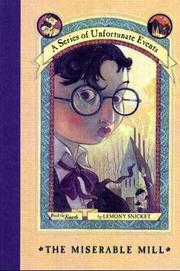
The Miserable Mill
Sent to work at the Lucky Smells Lumbermill, the Baudelaires face harsh labor, strange hypnotism, and a familiar villain in a new disguise.
2,662-word summary · 12 min read
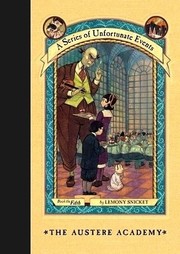
The Austere Academy
The Baudelaires endure Prufrock Prep, meet the Quagmires, and face Olaf as Coach Genghis in book five.
2,175-word summary · 10 min read
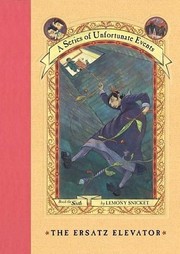
The Ersatz Elevator
Orphans climb endless stairs while a stylish guardian sides with Olaf.
1,961-word summary · 9 min read
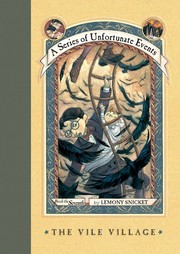
The Vile Village
Three orphans raised by a rule bound village find hidden friends and a sky escape in book seven.
2,971-word summary · 13 min read
The Hostile Hospital
The Baudelaires hide in half-built Heimlich Hospital, uncover a thirteen-page file hinting a parent survived, and flee Olaf's surgery trap through fire.
2,658-word summary · 12 min read
The Carnivorous Carnival
Baudelaires hide as carnival freaks to find V.F.D. clues, facing lions, Olaf, and a fateful cliff split.
2,027-word summary · 9 min read
The Slippery Slope
Violet and Klaus climb icy peaks to rescue Sunny while Quigley and V.F.D. ruins change what they know.
2,678-word summary · 12 min read
The Grim Grotto
Snicket eleventh Baudelaire book, Sept 2004 HarperCollins, 323 pages: the Queequeg crew, Gorgonian Grotto fungus, Fiona choice, and Sunny wasabi cure that…
2,789-word summary · 12 min read
The End
Baudelaires wash on an island where others decide what safe means.
2,320-word summary · 10 min read
Hoot
Roy tracks a shoeless boy to save burrowing owls from a pancake house.
2,290-word summary · 10 min read

Holes
Stanley Yelnats digs holes at Camp Green Lake while a broken promise, a buried outlaw, and a boy named Zero close in around him.
2,456-word summary · 11 min read

Bone, Vol. 1: Out from Boneville
Three cartoon cousins are run out of Boneville, separated by locusts, and dropped into a valley where rat creatures and an old grudge are waiting.
2,155-word summary · 10 min read

The Field Guide
Three siblings move into a creepy Maine estate, anger a brownie, and find a forbidden guide to the fairy world in the first Spiderwick book.
2,033-word summary · 9 min read

Hard Luck
Rowley has a girlfriend, so Greg turns to a Magic 8 Ball, a family Easter hunt and the school yearbook for answers.
2,586-word summary · 11 min read

Heist Society
A teenage art thief gets expelled from boarding school, then has two weeks to steal five paintings back from a London museum and clear her father.
2,781-word summary · 12 min read
The Third Wheel
Greg tries to find a date for the Valentine's dance, ends up the third wheel in his own plan, and watches Rowley get the girl.
2,019-word summary · 9 min read
The Thief Lord
Orphaned brothers join a gang of Venice street kids and a masked Thief Lord, chasing a magic merry-go-round that can change a person's age.
2,040-word summary · 9 min read
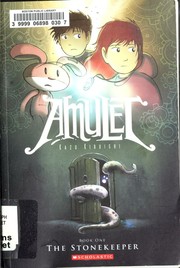
The Stonekeeper
After their father's death, Emily and Navin chase a monster into a hidden world to save their mother, and Emily's great-grandfather's amulet offers power at a…
2,753-word summary · 12 min read
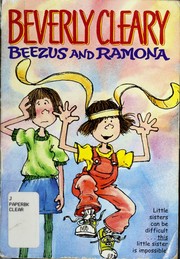
Beezus and Ramona
Nine year old Beezus tries to be a good older sister while four year old Ramona turns every ordinary day into a disaster, until a tenth birthday forces honesty.
2,062-word summary · 9 min read
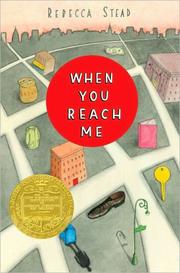
When You Reach Me
A sixth grader in 1970s New York gets strange notes that seem to predict the future.
2,456-word summary · 11 min read

The Indian in the Cupboard
Omri learns a key turns plastic Little Bear into a live Iroquois man.
2,228-word summary · 10 min read
Tales from a Not-So-Fabulous Life
Nikki starts private school and writes mean-girl survival in her diary.
2,587-word summary · 11 min read

Into the Wild
Housecat Rusty joins ThunderClan and learns clan law before war.
2,597-word summary · 12 min read
Gregor the Overlander
Gregor follows Boots down a grate into the Underland and a war prophecy.
2,516-word summary · 11 min read
Bud, Not Buddy
A ten year old orphan in the Depression walks to find a jazzman he thinks is his father.
2,568-word summary · 11 min read
The Miraculous Journey of Edward Tulane
A china rabbit lost at sea learns to love through owners kind and cruel across many years.
2,002-word summary · 9 min read

The Demigod Files
Three Percy Jackson side quests plus camp maps, cabin guides, interviews, and god profiles set before the final battle.
2,498-word summary · 11 min read