
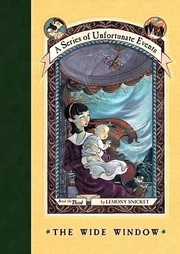
The Wide Window
2,459-word summary 11 min read 224 pages in the book
- First published
- 2000
- Publisher
- HarperCollins
- Pages
- 224
- ISBN
- 9780064407687
- Series
- A Series of Unfortunate Events (#3)
Reading options
What's inside (7 sections)
I came to The Wide Window right after the first two books in A Series of Unfortunate Events, and it felt like the series settling into its rhythm. The book came out in 2000 from HarperCollins, and the edition I used runs 224 pages with ISBN 9780064407687. It is book three in A Series of Unfortunate Events, after The Bad Beginning and The Reptile Room. Violet is fourteen, Klaus is twelve, and Sunny is a baby who bites things for very practical reasons. If you liked the dry narrator and the run of useless adults, this one gives you more of both, with a lake, a hurricane, and leeches.
The setup is simple. After Uncle Monty's death, Mr. Poe places the Baudelaires with Aunt Josephine. She is not really their aunt in the close sense. Poe explains she is a distant relation by marriage, the widow of a man who knew their parents. She lives alone in a house pinned to the top of a cliff over Lake Lachrymose. Her husband Ike died in that lake, and she has been afraid of almost everything since. The children arrive at Damocles Dock carrying the usual small bags and the usual hope that this time might be better.
Josephine is both funny and exhausting, which is the point. She is terrified of the stove, the welcome mat, doorknobs, realtors, and above all the lake. She will not cook because the stove might explode, so dinner is cold cucumber soup. She loves grammar with a passion that borders on romance. Her library is full of books about language, and it has one huge window facing the water. She corrects speech constantly, even when danger is near. I laughed at first and then felt tired for the kids, which I think is exactly the reaction Snicket wants.
A house above a lake that can have hurricanes
Lake Lachrymose is one of my favorite bleak jokes in the series. Lachrymose means tearful, and the lake is vast enough to have its own weather. Hurricanes form on it. It holds leeches that can strip a person in minutes if they smell food. It has caves, docks, rental huts, and a small town that depends on it. Josephine can see it from her wide window and fears it daily, yet she will not move. Grief has fixed her in place.
The house itself tells you how this will go. It creaks. It tilts. It holds only safe, cold food. The library is the warmest room because books are safe. Violet, who invents, looks for tools and finds grammar guides. Klaus, who reads, finds plenty to read but little that helps with rent, boats, or villains. Sunny, who bites, finds chair legs and window frames. They try to be polite guests. They offer to cook, to shop, to help. Josephine refuses most help because help involves risk.
Mr. Poe drops them off with his usual mix of coughing and missing the point. He gives them peppermints as a treat, forgetting again that they are allergic. That detail pays off later in a clever way, and it also sums up Poe. He means well in the abstract and fails in every particular. He tells them Josephine is kind, reminds them to mind their manners, and leaves. The children watch his car go with the flat feeling kids get when adults declare a problem solved.
Snicket's narrator keeps interrupting to define words and warn you to stop reading. Phrases like curdled and anxious get little essays. Some readers find this intrusive. I find it part of the charm here because the definitions often carry plot clues. When he explains what a hurricane can do to a house on a cliff, believe him. When he explains how leeches hunt by smell, remember the banana rule. Nothing is wasted, even the jokes.
Captain Sham comes to town
The grocery trip is where the plot turns. A hurricane called Herman is coming, so Josephine forces herself to go to town for supplies. She needs cucumbers and other cold food that needs no heat. In the store Violet bumps into a sailor with an eye patch and a wooden leg who calls himself Captain Sham. He owns a boat rental place and smiles a lot. Violet sees through him at once. It is Count Olaf, with one eyebrow hidden under the patch and his ankle tattoo hidden by the wooden leg.
What stings is that Josephine does not see it. Sham flatters her, praises her grammar, asks about the children with syrupy concern. Josephine, starved for company, melts a little. The Baudelaires try to warn her in plain language. She tells them they are being rude and ungenerous. Klaus points to the tattoo problem, to the voice, to the sheer coincidence. Josephine waves it away. It is painful to read because you can see both sides. She is lonely and wants to believe a charming man likes her. They are traumatized and need an adult to believe them for once.
That night Sham calls and asks to speak to Josephine alone. The children hear murmurs. Later they hear a crash from the library. They run in to find the wide window smashed and a note on the table. The note says Josephine is ending her life by jumping into the lake, and that she leaves the children in the care of Captain Sham. It is full of spelling and grammar mistakes, which for Josephine is like a signature in reverse. She would never write their for there or leave a sentence unfinished.
Mr. Poe is summoned. He studies the handwriting and declares it is hers, so it must reflect her wishes. The children argue that Olaf forced her to write it. Poe says there is no proof and that feelings are not evidence. He arranges lunch with Sham at a grimy restaurant called the Anxious Clown, run by an overexcited waiter named Larry who serves food the children cannot identify. Sham plays the grieving almost stepfather. Poe nods along. The Baudelaires sit there realizing that paperwork beats truth again.
Pepper mints and a hidden message
Violet saves them with quick thinking. Remember the peppermints Poe gave them at the dock. The Baudelaires are allergic and break into hives. Violet slips peppermints into their own food at the restaurant. Soon all three are blotchy and itching. Poe panics, Sham cannot play proud guardian to visibly sick children in public, and Poe lets them go back to Josephine's house alone to recover and collect their things. It is a small victory bought with discomfort, very typical of these books. The kids solve problems by enduring them.
Back in the empty house, Klaus spreads the note on the table and reads it the way Josephine taught him to read, closely. The errors are not random. If you take the first letters or the wrong words in order, they spell Curdled Cave. The details vary by printing, but the method is clear. Josephine, a grammar lover under threat, hid a location inside mistakes she would never make freely. It tells them she is alive and where to find her. It also tells them Olaf broke the window himself to stage a suicide.
I love this beat because it rewards attention. The series often says reading saves lives, and here it literally does. Klaus does not have a gadget or a spell. He has training in noticing language. Violet will get her turn with boats and signals. Sunny will get hers with teeth. But first they have to survive the house. Hurricane Herman arrives while they work, lightning strikes the cliff, and the whole structure groans and slides toward the lake. They get out with seconds to spare, which Snicket describes with almost cheerful gloom.
There is fair criticism to make about Poe here. He accepts handwriting as intent even when the text contradicts everything known about the writer. Real lawyers would ask about coercion, especially with Olaf's history. But the series needs blind adults the way fairy tales need dark forests. If Poe acted sensibly in book three, the story would end. I accept the bargain, though I understand why some adult readers grind their teeth. The pleasure is watching children stay rational while the system stays polite.
Curdled Cave and Hurricane Herman
The middle section is a storm escape. The ferry is closed. The phones are dead or useless. The children decide to steal a boat from Sham's rental hut to reach Curdled Cave across the lake. At the hut they meet one of Olaf's helpers, a large person whose gender the narrator refuses to specify, which leads to one of the funnier and kinder passages about not assuming. The helper blocks them, the wind howls, debris flies, and Violet rigs a quick release and steering fix with whatever is at hand. They push off into rain so thick they can barely see the cave mouth.
Curdled Cave is cold, damp, and full of echoes. Inside they find Aunt Josephine huddled in blankets, alive but unwilling to leave. She admits Olaf forced her to write the note and smashed the window to fake her death. She hoped the four of them could hide in the cave together until danger passed. The Baudelaires have to talk her out of this plan. A cave with no food, in a hurricane, on a lake full of leeches, is not safety. They need to reach town, find Poe, and show him Josephine is alive so his guardianship paper means nothing.
Josephine's fear returns in full force on the water. She wears two life jackets, repeats herself, and begs to turn back. The kids divide labor like a small crew. Violet handles the sail, Klaus navigates by landmarks he memorized from books and the shoreline, Sunny works the tiller with her teeth and hands. It is a strong sequence because each skill was planted earlier. Violet's inventing is not magic. It is knots, pull from a spar, and a torn sail mended enough to catch wind. Klaus is not a genius. He is a boy who remembers maps. Sunny is not cute relief. She is ballast and grip.
This is also where the book is most exciting and, to be honest, most formulaic. Every book so far gives the kids a brief hope, a clever decode, a storm or fire, and a near rescue. Young readers will not mind. Adult readers may feel the pattern. I think book three earns it because the cave reveal reframes Josephine. She is not stupid. She left a message only someone who listens to her could read. Her plan to hide is wrong, but her clue was right. That balance keeps her human rather than a joke.
Leeches, signals, and a bitten peg leg
The return trip is the tensest part. Lake Lachrymose holds leeches that attack when they smell food in the water or in a swimmer's stomach. Violet warns everyone not to eat. The Baudelaires have eaten nothing since the Anxious Clown hours earlier. Josephine, unfortunately, ate a banana just before they arrived at the cave, well within the hour window the books about the lake warn against. The leeches gather, sleek and hungry, bumping the hull.
Violet builds a signal from spare parts and cloth to attract help. The only boat in sight belongs to Captain Sham. He pulls alongside and offers to take them aboard. There is no good choice. Stay and face leeches, or board with Olaf. They board. On deck Olaf drops the act for a moment. He pushes Josephine over the side toward the leeches and holds the children back. What happens to her is awful and fast, and Snicket does not soften it. Kindness and grammar do not save her. It is one of the bleakest ends for a guardian in the series, and it teaches the Baudelaires that proof matters more than truth when adults are in charge.
Back at the dock Mr. Poe waits with papers ready to hand the children to Sham. Olaf is confident because the suicide note, now soaked, cannot be decoded, and Josephine cannot speak for them. Then Sunny does what Sunny does best. She bites down on Sham's wooden peg leg and cracks it in half. Underneath is a real leg with the eye tattoo Olaf shares with his troupe. The disguise collapses in front of everyone. Poe stammers. Bystanders gasp. Olaf and his helper shove past, lock a gate behind them, and vanish before police arrive.
It is a satisfying unmasking even though Olaf escapes again. Sunny, often treated as the baby, provides the hard evidence adults accept. Teeth beat testimony. I cheered the first time I read it and still like it, though I admit the pattern of Olaf escaping at the last second is wearing by book three. Snicket knows it too, and the narrator jokes grimly about how villains slip away while paperwork stays behind. Poe promises to find another home, and the children stand on the dock knowing the cycle will repeat.
Looking at the whole book, The Wide Window is a strong middle entry that deepens the series without changing its formula. The strengths are clear. Josephine is memorable, sadder than Monty and more developed than Olaf's earlier disguises allowed. The grammar code is fair play mystery writing for kids. The storm and lake set pieces move fast. The banter about fear feels honest. Being afraid of everything is funny until you see it costs Josephine her judgment and finally her life.
The weaknesses are the familiar ones. Poe's blindness strains belief even for satire. The Anxious Clown detour, while funny, slows the middle. The leech rule about waiting an hour after eating will remind many readers of pool rules, which is intentional but a little neat. And readers who need growth from the adults will be disappointed. No adult learns much. The children learn that they can only rely on each other, which is moving but also lonely.
I still recommend it as the book where the series finds its emotional pitch. Book one introduced the cruelty. Book two introduced a kind guardian and took him away. Book three introduces a flawed guardian who loves the children in her limited way and still fails them. That failure hurts more because Josephine tries. For young readers, it is an adventure with codes, storms, and a baby who saves the day with a bite. For older readers, it is a story about how fear shrinks a life until even a wide window only shows the lake you dread. Read it in order, watch for the peppermints and the misspelled words, and do not eat a banana before sailing.
FAQ
When was The Wide Window published?
HarperCollins published it in 2000. The edition cited here runs 224 pages with ISBN 9780064407687.
Is it part of a series?
Yes. It is book three after The Bad Beginning and The Reptile Room, and it continues the fight over the Baudelaire fortune.
Do I need to read books one and two first?
Yes, start with book one. Olaf wants the fortune and adults trust paperwork over children, which carries straight into this lake escape.
Similar books
More from A Series of Unfortunate Events first, then related titles.
The Bad Beginning
After a fire kills their parents, the Baudelaire orphans are sent to Count Olaf, who plots to steal their fortune.
2,759-word summary · 12 min read
The Reptile Room
Baudelaires find kind Uncle Monty until Olaf returns as assistant Stephano.
2,005-word summary · 9 min read
The Miserable Mill
Sent to work at the Lucky Smells Lumbermill, the Baudelaires face harsh labor, strange hypnotism, and a familiar villain in a new disguise.
2,662-word summary · 12 min read
The Austere Academy
The Baudelaires endure Prufrock Prep, meet the Quagmires, and face Olaf as Coach Genghis in book five.
2,175-word summary · 10 min read
The Ersatz Elevator
Orphans climb endless stairs while a stylish guardian sides with Olaf.
1,961-word summary · 9 min read
The Vile Village
Three orphans raised by a rule bound village find hidden friends and a sky escape in book seven.
2,971-word summary · 13 min read
The Hostile Hospital
The Baudelaires hide in half-built Heimlich Hospital, uncover a thirteen-page file hinting a parent survived, and flee Olaf's surgery trap through fire.
2,658-word summary · 12 min read
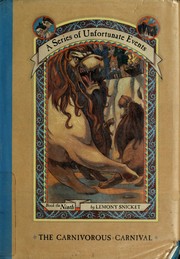
The Carnivorous Carnival
Baudelaires hide as carnival freaks to find V.F.D. clues, facing lions, Olaf, and a fateful cliff split.
2,027-word summary · 9 min read
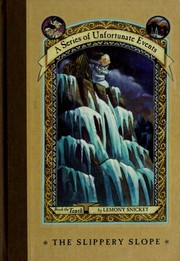
The Slippery Slope
Violet and Klaus climb icy peaks to rescue Sunny while Quigley and V.F.D. ruins change what they know.
2,678-word summary · 12 min read
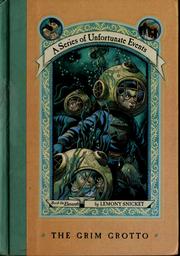
The Grim Grotto
Snicket eleventh Baudelaire book, Sept 2004 HarperCollins, 323 pages: the Queequeg crew, Gorgonian Grotto fungus, Fiona choice, and Sunny wasabi cure that…
2,789-word summary · 12 min read
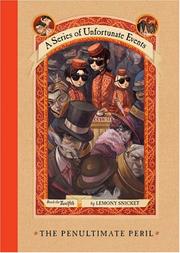
The Penultimate Peril
Baudelaires as concierges in a hotel sort friends from foes before the end.
2,234-word summary · 10 min read
The End
Baudelaires wash on an island where others decide what safe means.
2,320-word summary · 10 min read
What Moves the Dead
Alex Easton arrives at the Usher house to find Madeline dying, the tarn full of fungus, and the local hares refusing to stay dead.
2,586-word summary · 11 min read
Size 12 Is Not Fat
Former teen pop star Heather Wells investigates two dorm elevator deaths while juggling her ex, her crush, and a size-12 wardrobe.
2,805-word summary · 12 min read
First Grave on the Right
Charley Davidson is a private investigator in Albuquerque and the grim reaper. When three murdered lawyers come back as ghosts, her two jobs collide.
2,770-word summary · 12 min read

Anatomy: A Love Story
In 1817 Edinburgh, a noblewoman who wants to be a surgeon disguises herself to study anatomy and falls for the grave robber who supplies her with bodies.
2,031-word summary · 9 min read
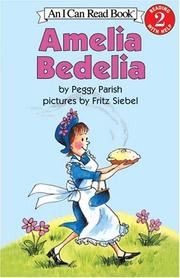
Amelia Bedelia
A literal-minded housekeeper follows her employer's list to disastrous and funny effect in the 1963 picture book that made wordplay a children's staple.
2,038-word summary · 9 min read

Hard Luck
Rowley has a girlfriend, so Greg turns to a Magic 8 Ball, a family Easter hunt and the school yearbook for answers.
2,586-word summary · 11 min read

Night Film
A disgraced journalist investigates the death of a reclusive horror director's daughter, following a red coat through hospitals, secret clubs, and a family…
2,690-word summary · 12 min read
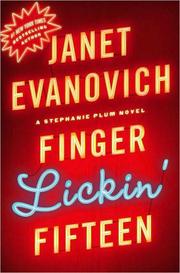
Finger Lickin' Fifteen
Lula sees a celebrity chef decapitated and talks Stephanie into entering a barbecue contest to lure the killers, while Ranger hires her to find a security leak…
2,248-word summary · 10 min read

Heist Society
A teenage art thief gets expelled from boarding school, then has two weeks to steal five paintings back from a London museum and clear her father.
2,781-word summary · 12 min read

Click, Clack, Moo: Cows That Type
Cows learn to type, demand electric blankets, and go on strike in a deadpan picture book about negotiation and withheld labor.
2,617-word summary · 12 min read
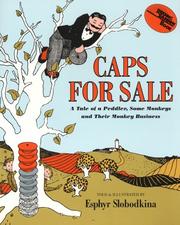
Caps for Sale
A peddler balances his caps on his head, naps under a tree, and wakes to find monkeys wearing his stock in this 1940 picture book.
2,787-word summary · 12 min read
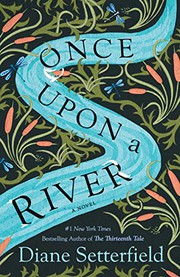
Once Upon a River
A wounded man stumbles into a riverside inn carrying what appears to be a drowned child who is not quite dead, and the story braids the guesses of everyone who…
2,173-word summary · 10 min read
George's Marvellous Medicine
George stirs a brew of dozens of household chemicals and gives it to his grumpy grandmother, and the medicine works far better than anyone planned.
2,014-word summary · 9 min read
The Moonstone
A cursed yellow diamond vanishes on the night of a birthday party, and eight witnesses tell what they saw.
2,603-word summary · 12 min read
The Stinky Cheese Man and Other Fairly Stupid Tales
Scieszka and Lane Smith take nine fairy tales apart, joke by joke, while Jack, the narrator, keeps losing the pages.
2,206-word summary · 10 min read
Fearless Fourteen
Bounty hunter Stephanie Plum babysits a teenager, guards a fading singer, and hunts nine stolen million dollars under her boyfriend's basement.
2,466-word summary · 11 min read
The Third Wheel
Greg tries to find a date for the Valentine's dance, ends up the third wheel in his own plan, and watches Rowley get the girl.
2,019-word summary · 9 min read
The Thief Lord
Orphaned brothers join a gang of Venice street kids and a masked Thief Lord, chasing a magic merry-go-round that can change a person's age.
2,040-word summary · 9 min read