
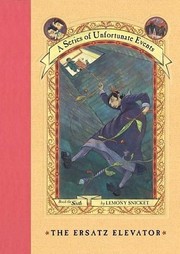
The Ersatz Elevator
1,961-word summary 9 min read
- First published
- 2001
- Publisher
- Egmont Books
- ISBN
- 9781405222891
- Series
- A Series of Unfortunate Events (#6)
Reading options
What's inside (4 sections)
I had read The Bad Beginning with nephews and liked how Snicket warns readers to stop while ensuring they continue, so book six continues that contract with taller stakes. The Ersatz Elevator, sixth in A Series of Unfortunate Events, first published in 2001, Egmont Books edition, ISBN 9781405222891, follows Violet, Klaus and Sunny Baudelaire sold to new guardians high above the city who may be in on the plot. It is middle grade gothic with wordplay, moral murk about noble people doing terrible things, and illustrations that reward careful looking. I finished it in one sitting between heavier books as palate cleanser that still stings, which is exactly what Snicket does best. Light pages, dark implications.
The Baudelaires arrive at 667 Dark Avenue after escaping the Austere Academy? Actually after previous guardian? They are placed with Jerome and Esmé Squalor, rich couple in a penthouse with 71 rooms? Actually with many rooms and an elevator that is out of order, requiring endless stairs. Jerome is kind but weak, bullied by wife Esmé who loves fashion and status. Esmé, sixth most important financial advisor? Actually obsessed with what is in, serves parsley soda? Actually serves? She admires Count Olaf when he arrives disguised as foreign auctioneer Gunther. The children see through disguise immediately while adults coo over accent. That dramatic irony, kids right and powerless, structures the whole series and sharpens here. Telling truth to adults who prefer charming lies. Jerome believes children eventually but acts too late. Esmé chooses Olaf openly for excitement over decency. Those adult failures hurt more than Olaf's schemes because they are familiar. Grown ups who know better siding with charisma over kids. Watch for it in meetings and families. Snicket names dynamic without preaching. Show preferring stylish liar to truthful child. Let readers feel anger that fuels later books. Anger as engagement tool for young readers learning that fairness is not automatic. Good people lose to well dressed villains when bystanders stay polite. Learn to be impolite early about important things. That lesson outlasts plot.
Upstairs downstairs with VFD hints
The penthouse setting works as vertical class map that never feels subtle, which is point. Upstairs light with Esmé's fashion auctions. Downstairs dark with doorman's secrets. Stairs between as purgatory the children climb endlessly while Olaf plots. Snicket uses stairs physically to exhaust readers alongside characters. Long climbs described step by step with asides about tired legs. That exhaustion builds dread better than monsters. Tired kids make mistakes. Mistakes cost. A scene where Violet, inventor, must climb to think clearly shows movement as cognition. Walk to solve. Klaus reads auction catalogues to find clues about VFD, the secret organization glimpsed in previous volumes through spyglass and letters. Sunny bites ropes to test strength. Each sibling uses skill while tired, which impresses more than rested brilliance. Capability under fatigue as theme across series. Orphans cannot rest before solving because no adult will pause villains for naps. Keep climbing despite legs. That perseverance without hope of rescue defines Baudelaire courage. Not fearlessness. Tired continuance. Adults should notice and help rather than admire from penthouse windows. Few do. Those who do, like Jerome in flashes, matter disproportionately. Thank stair climbers in your life. Bring water, not advice.
VFD hints deepen satisfyingly for series readers without alienating new ones who can still follow elevator mystery alone. A mysterious dark hallway? Actually a second elevator shaft that is empty? The children discover Esmé hiding a tunnel? Actually discover dark elevators and mysterious arrivals. Do not spoil specifics, but pay attention to doormen, handshakes, and eye tattoos that recur. Snicket plants organization lore in background details that reward rereading after later reveals. A doorman's wink. An initialed handkerchief. Those plants grow across books into mythology that never fully explains, which frustrates readers wanting answers and delights those who enjoy mystery as texture. Book six sits at series midpoint where questions multiply faster than answers. Where are parents' files. What is sugar bowl. Who started schism. Those hungers carry through to finale without cheating. Clues visible, conclusions withheld fairly until characters earn them through suffering that qualifies as research. Suffer first, understand later if lucky. That order feels true to childhood learning about adult corruption. Sense wrongness years before articulating. Trust senses while gathering words. Snicket honors kid intuition as data, not hysteria. Believe children when they say charming guest feels wrong. Investigate charm rather than dismissing discomfort as rudeness. That instruction helps beyond books.
For craft, Snicket's voice as Lemony narrator who warns you to stop reading is metafiction that never tires across six books because each warning gets more specific to content. Do not read about elevators if you fear heights. Skip chapters about auctions if greed bores. Those warnings function as content notes that respect young readers' limits while teasing curiosity that overrides. Reverse psychology as care. Warn genuinely about dark parts, then trust choice to continue. Definitions of words as asides teach vocabulary through humor. Ersatz means substitute, like this elevator that is not quite right, like guardians who substitute for parents inadequately. Those definitions delight word lovers and aid struggling readers without condescension. Illustrations by Brett Helquist show gothic details to find. Penthouse clutter, Esmé's outfits, Olaf's eyebrow shadow under disguise visible to readers before characters name. Looking at pictures first spoils fairly. Let kids study images to predict, building inference skills teachers love. Pictures do not cheat. Disguise visible if you look at ankles. Olaf's tattoo shows despite turban. Teach looking at ankles when faces charm. That visual literacy transfers to real life with flattering strangers. Check feet while listening to promises. Grounded wisdom inside silly drawings.
What escalates and who should try it
The ending raises stakes from personal survival to moral compromise that haunts later books. To escape, the children must do something deceptive that harms Jerome, who was kind though weak. That choice, tricking a decent adult to stop villain, splits fans about whether Baudelaires remain noble. Snicket refuses to absolve. Narrator states plainly that good people do bad to survive and must live with aftertaste. No lecture about ends justifying means. Just facts of action and queasy feeling after. Those queasy endings distinguish series from mysteries where heroes stay clean. Here heroes stain hands by book six and know it. Violet invents tool to deceive. Klaus forges note. Sunny bites where ordered not to. Each crosses lines drawn in book one. Growth as moral smudging rather than shining. That darkness suits readers aging with series from 8 to 12 across volumes. Innocence lost gradually through necessity, not single trauma. Parents reading along should discuss rather than shield. When is lying to kind Jerome okay to stop Olaf. No easy answer. Debate over dinner. That debate is gift beyond plot. It teaches ethics as lived dilemma, not rule memorized. Rules say do not lie to kind men. Survival says lie to stop murderer using kind man as shield. Choose with trembling hands. Live with tremble after. That tremble is growing up as Snicket sees. No steady hands after hard choices. Shake kindly going forward.
For criticism, the book runs formulaic for series followers. Arrive at guardian, see through Olaf, adults blind, escape through invention with moral cost. Six times with variations. Two guardian introductions in a row with fashion versus fear themes blur. I skimmed Esmé's in outfit catalog because pattern, describe clothes to show vanity, was clear. New readers starting here will still follow, but emotional impact of formula depends on accumulated weariness that rewards loyalists and tests newcomers who may find repetition silly rather than dreadful. Start at book one, not here, despite this standing alone technically for mystery. Arc needs accumulation. Also, Esmé as fashion villain risks sexist trope of vain woman evil versus kind plain Jerome good. Later books complicate with her competence, but here she reads as stereotype that grates. More interior about why status matters to her as woman in finance world that dismisses would help. As is, she performs vanity without visible wound driving. Still, at Egmont length it reads in one sitting ideal for rainy afternoons between heavier books. Short chapters ending on stair counts. No cliffhangers that punish young readers with nightmares beyond manageable. The final moral stain lands as ache rather than horror. Sit with ache. Discuss with trusted adult who admits hard choices too. That conversation is series real gift beyond gothic fun. Talk about when you tricked kind to stop cruel. Forgive self while remembering tremble. Keep climbing stairs.
Jerome as decent adult who fails usefully deserves a last paragraph because Snicket needs at least one grown up trying to contrast Olaf and Esmé comfortably cruel. Jerome believes children eventually, confronts wife weakly, helps escape with resources that matter. Car, money, apology. His help arrives late after harm done, which is realistic for well meaning adults in abusive systems. See truth slowly through charm. Act once convinced, imperfectly. Children forgive slowness because need outweighs grudge. Those dynamics teach young readers to accept imperfect allies while still demanding better. Thank Jerome for car while noting he should have acted chapters earlier. Both true at once. Hold gratitude and critique together without canceling either. Adults reading to kids can model that nuance aloud. Appreciate help given late. Name delay cost kindly. Encourage earlier next time. Those conversations after chapters build moral reasoning better than quizzes about plot. Discuss Jerome over dinner. Would you have believed sooner. What stopped him. Fear of wife. Love of comfort. Recognize those stops in own life when charming liars target vulnerable kids nearby. Practice interrupting charm with questions about ankles and eyes. Look past accent to tattoo. Teach that skill explicitly after story ends. Play spot the disguise in illustrations. Praise catches. Those games transfer to real world where danger rarely announces with eyebrow shadow. More often it flatters and offers rides. Practice refusing rides from charming Gunthers even when wife insists. Say no to adults as kids with backing of book example. Snicket arms readers through Baudelaires who model refusal at cost. Refuse together. Hold hands on stairs going down away from penthouse allure. Down is up morally when heights house cruelty. Descend bravely.
Dark Avenue as vertical class map that inverts expectations deserves a last look because Snicket uses height to show morals upside down. Penthouse rich with Esmé's auctions should be enlightened by elevation. Instead darkness gathers upstairs where Olaf charms over champagne. Basement doorman sees clearly from below while serving above. Children climb between learning truth in stairwells neither extreme holds fully. Up has views but blind spots about character. Down has pipes and gossip that reveal. Middle stairs where Baudelaires spend most time offer perspective both lack. Keep moving between levels rather than settling in penthouse comfort or basement despair. That mobility is children's advantage over adults fixed in stations. Jerome stays upstairs wringing hands. Doorman stays below watching doors. Kids traverse, carrying messages and tools between worlds that do not speak. Messengers get blamed by both sides for news carried. Shoot messenger impulse appears in both penthouse and basement when truth inconveniences. Resist shooting. Thank carrier even when message hurts. Those manners around bad news separate decent adults like Jerome learning from Esmé who kills messenger reputation to protect comfort. Practice receiving hard truths graciously. Breathe. Ask what is needed. Act despite fear of heights involved in response. Climb toward action rather than descending into denial basement where doorman wisely waits but cannot force ascent. Meet halfway on stairs. That meeting image closes book visually. Siblings paused mid climb between dark below and false light above, choosing next step together with trembling hands joined. Stay on stairs as home when homes prove unsafe. Stairs move. Keep moving.
FAQ
Who watches the Baudelaires here?
Violet invents, Klaus reads law, Sunny bites. Placed with Jerome and Esmé Squalor at 667 Dark Avenue with broken elevator.
When was The Ersatz Elevator published?
HarperCollins published it in 2001. The Egmont edition carries ISBN 9781405222891.
Where does it sit in the series?
Yes. It is book 6 in A Series of Unfortunate Events after Austere Academy. Start at book one for accumulation.
Similar books
More from A Series of Unfortunate Events first, then related titles.
The Bad Beginning
After a fire kills their parents, the Baudelaire orphans are sent to Count Olaf, who plots to steal their fortune.
2,759-word summary · 12 min read
The Reptile Room
Baudelaires find kind Uncle Monty until Olaf returns as assistant Stephano.
2,005-word summary · 9 min read
The Wide Window
The Baudelaires brave Aunt Josephine, Captain Sham and leech-filled Lake Lachrymose.
2,459-word summary · 11 min read
The Miserable Mill
Sent to work at the Lucky Smells Lumbermill, the Baudelaires face harsh labor, strange hypnotism, and a familiar villain in a new disguise.
2,662-word summary · 12 min read
The Austere Academy
The Baudelaires endure Prufrock Prep, meet the Quagmires, and face Olaf as Coach Genghis in book five.
2,175-word summary · 10 min read
The Vile Village
Three orphans raised by a rule bound village find hidden friends and a sky escape in book seven.
2,971-word summary · 13 min read
The Hostile Hospital
The Baudelaires hide in half-built Heimlich Hospital, uncover a thirteen-page file hinting a parent survived, and flee Olaf's surgery trap through fire.
2,658-word summary · 12 min read
The Carnivorous Carnival
Baudelaires hide as carnival freaks to find V.F.D. clues, facing lions, Olaf, and a fateful cliff split.
2,027-word summary · 9 min read
The Slippery Slope
Violet and Klaus climb icy peaks to rescue Sunny while Quigley and V.F.D. ruins change what they know.
2,678-word summary · 12 min read
The Grim Grotto
Snicket eleventh Baudelaire book, Sept 2004 HarperCollins, 323 pages: the Queequeg crew, Gorgonian Grotto fungus, Fiona choice, and Sunny wasabi cure that…
2,789-word summary · 12 min read
The Penultimate Peril
Baudelaires as concierges in a hotel sort friends from foes before the end.
2,234-word summary · 10 min read
The End
Baudelaires wash on an island where others decide what safe means.
2,320-word summary · 10 min read
What Moves the Dead
Alex Easton arrives at the Usher house to find Madeline dying, the tarn full of fungus, and the local hares refusing to stay dead.
2,586-word summary · 11 min read
Size 12 Is Not Fat
Former teen pop star Heather Wells investigates two dorm elevator deaths while juggling her ex, her crush, and a size-12 wardrobe.
2,805-word summary · 12 min read

First Grave on the Right
Charley Davidson is a private investigator in Albuquerque and the grim reaper. When three murdered lawyers come back as ghosts, her two jobs collide.
2,770-word summary · 12 min read

Anatomy: A Love Story
In 1817 Edinburgh, a noblewoman who wants to be a surgeon disguises herself to study anatomy and falls for the grave robber who supplies her with bodies.
2,031-word summary · 9 min read

Amelia Bedelia
A literal-minded housekeeper follows her employer's list to disastrous and funny effect in the 1963 picture book that made wordplay a children's staple.
2,038-word summary · 9 min read
Hard Luck
Rowley has a girlfriend, so Greg turns to a Magic 8 Ball, a family Easter hunt and the school yearbook for answers.
2,586-word summary · 11 min read

Night Film
A disgraced journalist investigates the death of a reclusive horror director's daughter, following a red coat through hospitals, secret clubs, and a family…
2,690-word summary · 12 min read
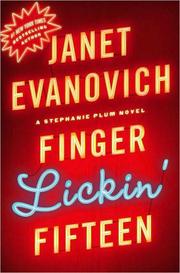
Finger Lickin' Fifteen
Lula sees a celebrity chef decapitated and talks Stephanie into entering a barbecue contest to lure the killers, while Ranger hires her to find a security leak…
2,248-word summary · 10 min read

Heist Society
A teenage art thief gets expelled from boarding school, then has two weeks to steal five paintings back from a London museum and clear her father.
2,781-word summary · 12 min read
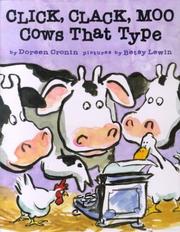
Click, Clack, Moo: Cows That Type
Cows learn to type, demand electric blankets, and go on strike in a deadpan picture book about negotiation and withheld labor.
2,617-word summary · 12 min read
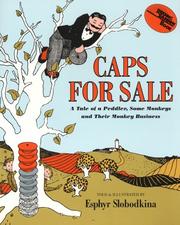
Caps for Sale
A peddler balances his caps on his head, naps under a tree, and wakes to find monkeys wearing his stock in this 1940 picture book.
2,787-word summary · 12 min read
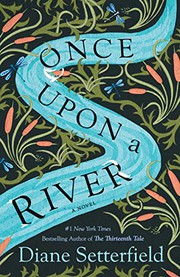
Once Upon a River
A wounded man stumbles into a riverside inn carrying what appears to be a drowned child who is not quite dead, and the story braids the guesses of everyone who…
2,173-word summary · 10 min read
George's Marvellous Medicine
George stirs a brew of dozens of household chemicals and gives it to his grumpy grandmother, and the medicine works far better than anyone planned.
2,014-word summary · 9 min read
The Moonstone
A cursed yellow diamond vanishes on the night of a birthday party, and eight witnesses tell what they saw.
2,603-word summary · 12 min read
The Stinky Cheese Man and Other Fairly Stupid Tales
Scieszka and Lane Smith take nine fairy tales apart, joke by joke, while Jack, the narrator, keeps losing the pages.
2,206-word summary · 10 min read
Fearless Fourteen
Bounty hunter Stephanie Plum babysits a teenager, guards a fading singer, and hunts nine stolen million dollars under her boyfriend's basement.
2,466-word summary · 11 min read
The Third Wheel
Greg tries to find a date for the Valentine's dance, ends up the third wheel in his own plan, and watches Rowley get the girl.
2,019-word summary · 9 min read
The Thief Lord
Orphaned brothers join a gang of Venice street kids and a masked Thief Lord, chasing a magic merry-go-round that can change a person's age.
2,040-word summary · 9 min read