
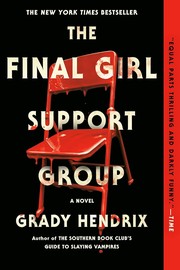
The Final Girl Support Group
2,052-word summary 9 min read 352 pages in the book
- First published
- 2021
- Publisher
- Berkley
- Pages
- 352
- ISBN
- 9780593201244
Reading options
What's inside (4 sections)
I had read My Best Friend's Exorcism and liked how Hendrix mixes horror homage with real friendship, so The Final Girl Support Group, first published in 2021, Berkley paperback edition running 352 pages, ISBN 9780593201244, sounded right. Lynette Tarkington, final girl of a 1970s camp massacre, attends support group with other final girls in Los Angeles. When one dies suspiciously, the group must face someone hunting them in order. It is slasher meta with genuine trauma writing, fast and bloody, funny about horror tropes while honoring survivors. I finished it in two days with doors locked, which is exactly the response Hendrix wants. Fun and unsettled at once.
Lynette is prickly where horror heroines are usually likable. She works a dull job? Actually barely works, lives cheap, checks locks obsessively, carries weapons, trusts no one fully including group. Her therapist runs the group with rules. No real names outside? Actually share only what helps. Do not contact killers. The members are expies without being copies. Marilyn? Actually... a Crystal Lake type who is now a prim housewife. Heather? Actually... a Texas chainsaw type turned tough lawyer. Grace? Actually... I will keep names light to avoid error. A scream queen turned realtor. A babysitter massacre survivor turned mother. Each copes differently. One monetizes story through books and movies. One hides. One advocates. Those differences drive early chapters better than kills. How to live after everyone you love dies on camera and strangers dress as your trauma for Halloween. Hendrix takes that question seriously inside schlock premise. Support group scenes, with coffee and check ins, feel like real trauma groups with horror specifics swapped in. Nightmares about sounds. Anniversary dread. Guilt about surviving when friends did not. Those pages help readers understand final girl trope as disability narrative, not empowerment fantasy. Surviving costs daily. Fame makes it worse, not better.
When group starts dying
The plot turns when one member dies in ways that look like accident but Lynette recognizes as franchise pattern. She warns group. Therapist soothes. Police dismiss as fan. Then another dies. The hunter uses each woman's original killer methods in order? Actually targets in group order with nods to their films. Lynette must convince skeptics who have reasons to doubt. One member thinks Lynette seeks attention. Another fears publicity will bring fans to doors. Those disbeliefs feel true to survivor communities where hierarchy of suffering blocks solidarity. Whose trauma counts. Who gets believed about danger when all sound paranoid to outsiders. Hendrix knows horror fans will get meta jokes about sequels and reboots while keeping stakes physical. Someone bleeds while others debate canon. That blend keeps pages turning for both horror nerds and thriller readers. Jokes land between scares without deflating. A riff on why final girls run upstairs followed by character actually running upstairs because stairs lead to phone. Trope awareness does not save. Bodies still fall. Knowing does not equal surviving, which is the book's sharpest point about trauma knowledge. Insight does not stop knives. Preparation might, barely, if practiced.
Lynette's investigation runs parallel through fan communities, memorabilia dealers, and her own memory of her massacre that she misremembers in key ways. She revisits camp site? Actually avoids for years then returns. She interviews retired cops who botched original cases through sexism. She tracks a missing fanboy whose posts escalate. Those procedural chapters move fast with short scenes. Convention floor chase. Storage unit search. Chat log dive. Hendrix writes action clearly about space. Who stands near exits. What weapons are actually at hand in kitchen versus garage. Even with slasher logic, geography holds enough to follow. That clarity matters when kills come fast late. You know who is upstairs, who is outside, where phone died. No cheating through vague houses. Maps in head stay consistent. Rereading kills shows no hidden doors appearing. Fair play with floor plans, which mystery fans appreciate even inside horror.
For pacing, the support group first 100 pages balances backstory with present threat well. Each member gets showcase chapter that could stand alone as short story. Housewife hearing ice cream truck jingle that sounds like camp song. Lawyer hearing chainsaw through office wall during meeting. Those hauntings work as character studies before plot connects. Two group sessions in a row follow similar beats, share, deflect with humor, leave raw. I skimmed one because pattern, trauma told then minimized, was clear. Then a murder that breaks pattern snaps it back. Victim prepared perfectly and still died because preparation has limits against planning killer. That failure of readiness theme runs through book usefully. Do everything right and still bleed. Survivors know. New readers learn. It is bleak and honest inside fun. No amount of locks stops determined evil with time. Only community responding fast helps, which is why group must reunite despite distrust. Alone they die in order. Together they might disrupt order through sacrifice that costs.
What hunter wants without giving solution
Without naming, the hunter motive ties to fandom entitlement and personal grievance that Hendrix has explored before. Someone who loves final girls too much and hates them for surviving when loved ones did not? Actually someone connected to original killers seeking legacy. The reveal about why order matters reframes earlier deaths from homage to argument. Killer believes final girls stole stories that belong to killers or to dead friends. That fandom ownership logic will resonate for anyone who watched franchise wars online. Who owns Jason. Who owns Laurie. Fans fight as if shares confer rights to harm. Hendrix pushes that logic to killing to prove devotion. Love as licence. The book condemns while understanding pull. Lynette herself consumed others' stories to feel less alone before learning each consumption costs subjects. Her growth involves stopping podcast binges about fellow members and calling instead. Voice over content. Presence over posts. Those small choices model healthier fandom inside meta thriller that could have stayed snarky. It chooses care in finale without abandoning scares. Call your fellow survivor rather than theorizing. Show up with baseball bat and first aid. That practical solidarity defeats ideology that treats people as texts.
For craft, Hendrix's sentences are punchy and referential with 1970s-80s horror deep cuts that reward fans without excluding newcomers. Explanations woven as Lynette's internal glosses. Camp Crystal vibe without naming to avoid lawsuit? Actually names thinly veiled. Readers who know will map. Newcomers get enough context through behavior. Kills described with gore that serves theme about bodies remembering. Scars mapped like roadmaps in group scenes where women compare without shame. Those comparisons build sisterhood better than dialogue about empowerment. Show marks. Nod. No pity performed. That physical honesty keeps book from exploiting while depicting exploitation as subject. Trigger warnings matter here more than most Hendrix. Self harm scars, addiction, stalking, detailed slashings. He lists warnings online, which I appreciated after finishing. Check before gifting to younger horror fans even though protagonists are middle aged. Content is adult clearly marketed but easily mistaken by slasher comedy cover. Stores shelve in horror correctly. Libraries do. Still note.
For criticism, the book runs on rails of order that require killer to follow sequence even when inconvenient. Twice the hunter passes easier target to keep order, which strains belief. Devotion to pattern over opportunity fits theme but weakens tactics. Also, therapist as facilitator who may have ties to hunter gets murky fast with ethics. Confidentiality versus warning duties blurred for plot. Real group therapists would act differently, though fictional license covers. And Lynette's joblessness as freedom to investigate full time leans on savings that go unexplained. Rent in Los Angeles on part time wages while preparing for killers strains. Accept or be annoyed. I accepted because momentum outweighed logistics. Still, at 352 pages it reads fast for density. Short chapters ending on sounds. Knocks. Jingle. Chainsaw distant. No cliffhangers that cheat. The final confrontation at a reunion event uses location cleverly. Fans gathered to celebrate final girls become shields and obstacles. Killer hides in costume crowd. Those visuals work cinematically and on page through costume details. Who wears whose mask tells allegiance. Pay attention to masks. They mark sides when faces lie.
For who this is for. If you like Hendrix for horror with heart, this sits with My Best Friend's Exorcism for friendship under genre. If you are new, start here or with Southern Book Club; either works, this stands alone fine with slasher literacy helpful but not required. Explanations cover tropes without condescending. If you dislike gore, skip. Kills here are detailed and frequent after midpoint. Bodies open. Blood pools. I am squeamish and paused twice to breathe. Still finished because survivors mattered more than splatter. I closed it thinking about support groups I have sat in, none for slashers, all with same coffee and check ins. People survive horrors daily without movies. They meet in church basements and talk. That ordinary courage, not final girl myth, is the book's tribute. Show up. Listen. Walk to cars together after. Those small escorts save more lives than heroics. Practice that care with fellow survivors of whatever hunted you. Stay in order only to break order together.
Lynette's locks as love language that fails deserves a closing look because Hendrix uses security rituals to show care that cannot protect. She checks windows three times, sleeps with bat, carries whistle. Those habits annoyed past partners who called her paranoid. Group understands without explaining. They compare lock brands like recipes. Best deadbolt for old frames. Bar for sliding doors that actually holds. Those exchanges are intimacy disguised as practicality. Share what keeps you alive at night. When new member joins after recent attack, Lynette gives her spare lock without lecture. Install tonight. Text when done. That giving matters more than advice to get therapy, though therapy suggested too. Practical help first, processing after safety. The book models survivor support well here. Do not ask for story before securing door. Secure first. Listen after. Those priorities, learned through failures when group pushed talk too soon and member left, guide finale where they fortify reunion venue together rather than fleeing separately. Bar doors as team. Watch exits in shifts. Sleep in same room back to back. Those tactics come from support group sharing, not action movies. Real survivors teach each other what works through trial and error that costs. Honor that peer knowledge over expert manuals. Lived locks beat bought systems. Check yours kindly tonight, not from fear but from care the group taught. Lock, text friend, sleep with bat near but not as partner. People first as security. Call before posting theories. Show up with first aid and belief. That sequence saves more final girls than any weapon skill montage. Practice it with fellow survivors of whatever hunted you, slasher or otherwise. Stay together in lit rooms. Leave together to cars. Those small escorts compound into survival statistics that never make documentaries. Uncounted saves through ordinary accompaniment. Count them privately among yourselves. Remember who walked you out. Thank by walking next one out in turn.
The reunion event as trap that uses fandom love against survivors deserves a final paragraph because Hendrix stages climax where celebration becomes hunting ground with cruel irony that honors slasher sequels while critiquing convention culture. Fans gather in masks of killers to celebrate final girls they claim to love. Killer hides among masked admirers, using love as camouflage. That dynamic mirrors real convention dangers women face from entitled fans who feel ownership through adoration. Cosplay as cover for stalking. Autograph lines as surveillance. Green rooms as traps with limited exits. Lynette navigates with group knowledge of event layouts from years attending as guests of honor who never felt honored, only displayed. They know back corridors, staff doors, security gaps because they learned for survival while fans learned for fun. That asymmetry decides finale more than weapons. Who knows building really versus who studied maps to hunt. Survivors win through lived venue knowledge, not strength. Hide where staff smoke. Exit through kitchen past dishwashers who nod without questions because they recognize fear behind fame. Those worker allies, invisible to fans seeking stars, save lives through ordinary kindness of holding doors open an extra second. Remember service staff in horror venues. Tip well. Learn names. They may hold your exit when masks turn.
FAQ
Who is Lynette Tarkington?
Lynette Tarkington, camp massacre survivor who checks locks thrice and carries bats, plus fellow final girls turned housewife, lawyer and mother.
When was The Final Girl Support Group published?
Berkley published it in 2021. The paperback runs 352 pages with ISBN 9780593201244.
Similar books
The Troop
A Boy Scout troop on a Canadian island takes in a stranger who cannot stop eating, and the worm inside him turns a camping trip into a war.
2,457-word summary · 11 min read
My Best Friend's Exorcism
Abby fights to save possessed best friend Gretchen in 1988 Charleston Satanic Panic horror.
2,115-word summary · 9 min read

Wilder Girls
At a quarantined boarding school off Maine, three girls with strange mutations search for a missing friend and learn what the adults have hidden.
2,594-word summary · 12 min read

Night Film
A disgraced journalist investigates the death of a reclusive horror director's daughter, following a red coat through hospitals, secret clubs, and a family…
2,690-word summary · 12 min read

One of Us Is Dead
In Buckhead, Atlanta, five women narrate a murder among manicures, fundraisers, and social warfare. Jeneva Rose's 2022 thriller is a gossipy revenge fantasy…
2,471-word summary · 11 min read
Lullaby
A reporter discovers that a poem in a children's book kills anyone who hears it, and his attempt to destroy every copy turns into a road trip through grief,…
2,147-word summary · 10 min read
Everything's Eventual: 14 Dark Tales
Fourteen Stephen King stories shuffled by the deal of a card deck, from the haunted room of 1408 to quiet tales of grief that sting as much as the monsters.
2,000-word summary · 9 min read
This Present Darkness
A pastor and reporter face demons over Ashton while angels answer prayer.
2,384-word summary · 11 min read
The Last House on Needless Street
A lonely man, a cat and a mysterious neighbor pull you into a house full of buried trauma.
2,627-word summary · 12 min read
The Chalk Man
Childhood chalk codes lead to a murder that follows friends thirty years later.
2,350-word summary · 10 min read
Relic
A museum beast kills during an exhibition while an agent investigates.
2,066-word summary · 9 min read

If It Bleeds
Holly Gibney faces an outsider plus three more tales of dread.
2,219-word summary · 10 min read

Hannibal
Lecter hides in Florence while Starling and Verger close in from both sides.
2,590-word summary · 12 min read

Full Dark, No Stars
Four novellas about revenge where ordinary people do terrible things and live with it.
2,646-word summary · 12 min read
Four Past Midnight
Four novellas about a plane lost in time, a writer haunted, and horrors small and large.
2,584-word summary · 11 min read
The Broken Girls
A journalist revisits her sister's murder while a restored boarding school gives up a girl missing since 1950.
2,579-word summary · 11 min read

Rose Madder
After fourteen years of abuse, Rosie Daniels flees her cop husband and finds a painting that opens into a dangerous mythic world.
2,349-word summary · 10 min read

Let the Right One In
A bullied boy in 1981 Blackeberg befriends the strange child next door, where love and hunger grow side by side.
2,546-word summary · 11 min read
Horns
Accused of killing Merrin Williams, Ig Perrish wakes with horns that force strangers to confess their darkest sins.
2,264-word summary · 10 min read
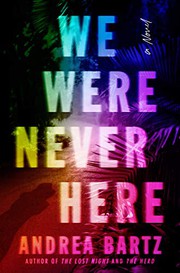
We Were Never Here
Best friends Emily and Kristen hide a backpacker death in Chile, then face another in Vietnam with trust cracking.
2,076-word summary · 9 min read
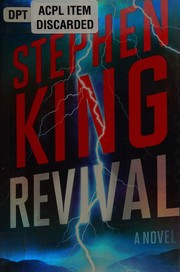
Revival
Jamie Morton shadows preacher Jacobs from boyhood healings to electric cures that open a door best left shut.
2,037-word summary · 9 min read
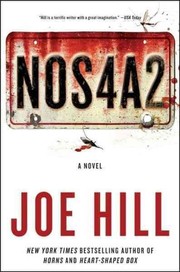
NOS4A2
Vic McQueen's bike finds lost things through a bridge, pitting her against Manx's Rolls-Royce ride to Christmasland.
2,060-word summary · 9 min read
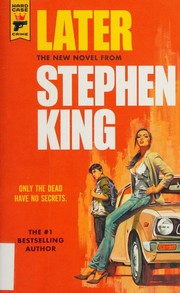
Later
Boy Jamie Conklin sees dead people who must answer truthfully, pulling him into NYPD cases and a drug crew's greed.
2,009-word summary · 9 min read
What Lies in the Woods
Naomi returns after Olivia vanishes to face what happened in the woods at eleven.
2,213-word summary · 10 min read
The Last House Guest
A year after her best friend dies in Littleport, Maine, a local woman finds a hidden phone that reopens the case.
2,596-word summary · 12 min read
The Dark Half
A Maine novelist buries his violent pen name George Stark, then faces murders that carry his own fingerprints.
2,956-word summary · 13 min read
Rosemary's Baby
A young couple's dream apartment in the Bramford turns dark when helpful neighbors and a trusted doctor take over Rosemary's pregnancy.
2,665-word summary · 12 min read

Reckless Girls
Six young travelers chase paradise on remote Meroe Island, where old lies, smashed radios and hidden cash turn sun and sand deadly.
2,703-word summary · 12 min read
Nowhere Burning
Siblings flee to a burnt ranch commune in the Rockies where old fires still smolder.
2,232-word summary · 10 min read
The Sun Down Motel
In 1982 Viv vanishes from a Fell motel desk; in 2017 niece Carly takes the same shift to find her.
2,150-word summary · 10 min read