
Reading options
What's inside (10 sections)
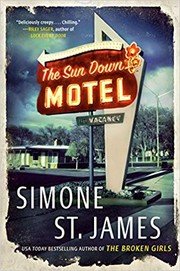
I chose The Sun Down Motel for October because I wanted ghosts with procedure. Simone St. James published it in 2020 with Berkley. My reading follows the 336 page hardcover. In 1982 Viv Delaney vanishes from a Fell motel night desk. In 2017 her niece Carly returns to find what took her. It is a ghost story and a true crime hunt braided tight, and it genuinely spooked me twice.
Fell, New York, is the kind of town highways pass. The Sun Down Motel sits on its edge with flickering vacancy signs, thin walls, and rooms that rent by cash and hour. In 1982 Viv Delaney, restless and bright, takes the night clerk job to fund a move to the city. She answers phones, rents rooms, and notices things. A light that should not be on. A guest who never checks out. A girl's body by the railroad tracks. Then Viv herself disappears, leaving a coat and questions.
Two timelines, one motel
In 2017 Carly Kirk arrives in Fell chasing the aunt she never met. Her mother, Viv's sister, died with the mystery unsolved. Carly takes the same night clerk job, sleeps in the same back room, and meets the same ghosts. St. James cuts between 1982 and 2017 in short chapters that mirror each other. Both women hear knocks. Both log strange calls. Both befriend people the town distrusts. The doubling builds dread because readers see patterns the characters can not yet name.
Carly's investigation uses true crime tools the earlier timeline lacks. Podcasts. Message boards. Newspaper scans. She contacts a podcaster who covered Fell and a retired deputy who drank through the case. Those modern methods clash with a town that wants quiet. Motel owners deflect. Diners go silent when she enters. A sheriff warns her off with concern that might be threat. That reception, familiar to anyone who asked questions in small towns, feels reported rather than staged.
Viv's 1982 thread carries more heart because she does not know she is doomed. She flirts, fights with her mother on payphones, and dreams of city lights. She befriends a sympathetic cop and a fellow waitress, notices which rooms get rented to men who scare girls, and writes down plate numbers in a notebook Carly will later find. Her courage is ordinary and total. Show up for shift. Write the plate. Ask where the girl went. Those verbs, repeated across timelines, become the book's moral spine. Notice. Record. Refuse to drop it.
The ghosts arrive early and stay. A woman in the hall. A boy by the pool. Cold spots in Room 216. St. James writes hauntings with procedural patience. Cold first. Then sound. Then shape. Then message. Skeptics in story call it pipes and grief. Readers decide alongside Carly, who wants proof but also wants her aunt. That doubleness keeps the supernatural grounded. Ghosts here are evidence, not decoration. They point.
What haunts and who kills
Without spoiling names, the book runs two mysteries that converge. Who killed the girls around Fell across decades, and what do the dead want from the living. The ghost thread resolves with moving clarity. The dead want their stories told and their bodies found. Viv leads Carly to both across time, aunt guiding niece through flickers and dreams. Those scenes, with two women who never met working one case, gave me chills that were warm rather than cold. Family as cold case team.
The living killer thread resolves with propulsive reveals in the final third. Clues about keys, logs, and who had access when all pay off. I guessed part of it and missed the rest, which is ideal. The reveal reframes earlier friendliness as menace without cheating. Rereadable and fair. What matters more than identity is pattern. The killer used the motel's transience, cash business, and town silence the way Viv used notebooks. Systems enable. People choose. Fell chose quiet for decades. Carly chooses noise.
St. James handles violence with care. Bodies are described plainly without lingering cruelty. Assault scenes focus on victims' resistance rather than perpetrators' pleasure. That restraint matters in a book about murdered girls. The dead are persons with names, jobs, and jokes, not props. Viv's fullest portrait arrives through others' memories. A laugh. A temper. A kindness to strays. By the end you mourn someone you met only in flashback and static. That is craft.
Fell's complicity gets honest treatment. Cops who looked away. Owners who took cash. Townsfolk who whispered but never called. The book does not paint monsters so much as tired people choosing ease. Carly's refusal shames them without speeches. She simply keeps asking until answers cost less than silence. That persistence, funded by grief and minimum wage, is the book's quiet heroism. No powers. Just shifts and questions.
What chills and what creaks
What chills is atmosphere braided with detection. Night desk fluorescent hum. Ice machine groans. Highway hiss. St. James, who spent twenty years in television before fiction, stages scenes visually without losing interiority. Carly's fear reads in small physical tells. Breath held. Pen gripped. Door chained plus chair. Viv's bravery reads in action. Note taken. Plate memorized. Call made. Those textures kept me turning pages past midnight, which was the assignment.
What creaks is middle repetition. Both timelines feature similar night shift scares, similar dismissals, similar notebook finds. The mirroring is structural but can feel looped. A few podcast exposition chapters tell rather than show. Romance threads, one per timeline, are sweet but thin. They give the women someone to lose, which raises stakes, but the men blur into kindness with cheekbones. Readers here for ghosts and justice will forgive. Readers here for love should look to St. James's other books with stronger romances.
The prose is clean, propulsive, and visual. Short chapters. Cliffhanger cuts. Sensory cold. Dialogue natural for upstate New York without caricature. St. James avoids purple even when describing apparitions. A shape. A temperature. A sentence. That restraint makes the uncanny believable. Less is more when the hallway is dark.
Length at 336 pages suits the double helix. No bloat. The final hundred pages run fast as timelines collide. Bodies found. Killer faced. Ghosts eased. The motel remains standing, which is right. Evil places persist. What changes is who watches them. Carly leaves Fell different than she arrived, employed by truth rather than haunted by absence. That exchange satisfies.
Night desk craft and small town silence
The night clerk job gets procedural detail that horror fans will savor and insomniacs will recognize. Log every call. Note every plate. Walk the lot hourly with a flashlight that dies. Rent to cash customers without IDs while assessing threat in seconds. Both Viv and Carly learn the desk as instrument. Bells that ring wrong. Keys that stick. Rooms that should stay empty but show lights. St. James turns shifts into sensory scores. Buzz, drip, hiss, knock. Reading with headphones of rain outside enhances. The motel breathes through pages.
Small town silence gets equally careful treatment. Fell protects its own by forgetting on purpose. Waitresses refill coffee but not answers. Mechanics fix Carly's car slowly while asking why she digs. The sheriff, decent or complicit depending on chapter, warns her with fatherly menace. Those dynamics ring true to anyone who asked questions where payrolls depend on quiet. Tourism can not survive serial headlines. Motels need guests. Diners need regulars. Truth costs business. Carly, an outsider with nothing to lose but an aunt's memory, can afford asking. Locals calculate differently. The book judges that math without dismissing the fear behind it. Mortgages bind tongues.
The podcast and message board thread updates the ghost hunt for true crime era. A podcaster who covered Fell monetizes Carly's search while helping it. Commenters sleuth and slander in equal measure. Old newspaper scans surface with half redacted names. Those modern tools contrast Viv's 1982 notebook and payphone methods. Both eras need the same virtues. Write it down. Tell someone. Keep copies. Technology changes storage. Courage stays manual. A late scene where Carly uploads evidence to strangers because police stall captures contemporary justice perfectly. Cloud as witness when town will not look.
Ghost mechanics reward attention across both timelines. The dead repeat actions from life. A clerk's rounds. A girl's walk to the tracks. They knock patterns that spell. They cold spot rooms where they died. St. James never explains rules fully, which preserves mystery while playing fair. Clues accumulate. A name whispered. A room number. A song. Carly assembles them like case files rather than receiving revelation. The supernatural here behaves like evidence. Collect, compare, conclude. That method respects skeptical readers who came for mystery and stayed for haunting.
Grief as engine
Both women's grief drives plot more than curiosity, and that emotional motor separates the book from puzzle box mysteries. Carly lost her mother with questions unanswered and carries guilt for not asking sooner. Viv, in her timeline, grieves a friend's death that warned her about Fell's men. Those losses fuel night shifts no sensible person would keep. Readers who lost someone with business unfinished will recognize the logic. Staying in a haunted motel beats leaving questions alive. The dead keep better hours than closure.
The aunt niece bond across decades gives the book its warmest thread. They never meet in life, yet work one case through notebooks, dreams, and cold spots. Viv leaves plates, logs, and warnings she hopes family finds. Carly finds them because she is family, attuned to Viv's shorthand and humor. A late scene where Carly hears Viv's voice clearly for the first time landed hard for me. Not scared hard. Loved hard. The veil thins for kinship, not cleverness. That rule feels right for ghost stories worth keeping. Love tunes frequencies machines miss.
Fell as accomplice
The town itself functions as second killer through omission, and that systemic angle lifts the book past lone maniac plots. Motel owners who took cash without questions. Diners who served men with bloodied knuckles. A newspaper that buried police blotter items to protect tourism. Each small quiet compounded into decades of danger for girls passing through. St. James spreads blame widely enough to implicate normalcy itself. How many towns look away from roadside businesses at night. Fell is extreme instance of common habit. Convenience edits memory. Carly's noise disrupts business as usual, which is why resistance feels economic before it feels heroic. Truth costs bookings. She pays anyway.
Viv's 1982 courage gains retrospective weight through this lens. She had no podcasts, no allies, no language for patterns she sensed. Only a notebook and night shifts. That she wrote plates and asked after missing girls anyway makes her braver than Carly, who inherits tools and testimony. The book honors both without ranking. Past courage plants. Present courage harvests. Ghosts bridge the seasons between. When the finale exposes who killed and who covered, the cover up stings as much as the crimes. Silence has a body count. Fell learns it late. Readers should learn sooner.
What rest looks like
The book's gentlest achievement is giving its dead rest without easy exorcism theatrics. No shouted Latin. No burning sage montage. Instead Carly finds bodies, names names, and tells stories publicly so ghosts can stop repeating. Viv's spirit eases when her niece finishes the log she started. Other spirits fade when their remains are found and mourned properly. That mechanics of rest, truth plus witness plus grief, feels earned rather than procedural. The living do paperwork. The dead clock out. Both finally sleep through nights that once buzzed.
Carly's own rest comes differently. She leaves Fell employed by questions rather than haunted by absence. A job with a podcast? More cases? The book hints without promising franchise. What matters is she can sleep without dreaming of doors. Her mother would approve. Her aunt would tease. That double blessing closes the personal haunting even as the motel keeps standing for others. Rest is not forgetting. It is carrying lightly after carrying long.
Who should check in
Give The Sun Down Motel to mystery readers who like ghosts, to horror readers who like procedure, to true crime fans who want fiction with receipts. It suits October nights, road trips past motels, and book clubs that enjoy debating skepticism versus belief. Do not give it to readers who need hard horror gore or cozy mysteries without bodies. Pair it with The Broken Girls for more St. James, or with mediums and notebooks of your own. You will want to write things down after.
At 336 pages I read it in three nights, lights on for one chapter. Viv starts logging plates to afford escape and ends guiding her niece from beyond to finish the log. That handoff, across thirty five years and one veil, is why the book moved me past scares. Notice. Record. Refuse to drop it. The living should do the same.
FAQ
When was The Sun Down Motel published?
Berkley published it in February 2020. The hardcover runs 336 pages and the ISBN is 9780440000174.
Is it part of a series?
No. It stands alone, though later Fell books revisit the town's uneasy quiet.
Who are Viv and Carly?
Viv Delaney, night clerk saving for the city, and Carly Kirk, her niece chasing the cold case decades later.
Similar books
The Broken Girls
A journalist revisits her sister's murder while a restored boarding school gives up a girl missing since 1950.
2,579-word summary · 11 min read
The Book of Cold Cases
A true crime blogger interviews Beth Greer, acquitted in the 1977 Claire Lake murders, as fresh violence and ghost sightings pull the old cold case into the…
2,631-word summary · 12 min read
A Box Full of Darkness
After 18 years away, Violet, Vail and Dodie return to Fell when missing brother Ben calls them home to face Sister and old ghosts.
2,138-word summary · 10 min read
The Last House on Needless Street
A lonely man, a cat and a mysterious neighbor pull you into a house full of buried trauma.
2,627-word summary · 12 min read
The Chalk Man
Childhood chalk codes lead to a murder that follows friends thirty years later.
2,350-word summary · 10 min read
Relic
A museum beast kills during an exhibition while an agent investigates.
2,066-word summary · 9 min read
Later
Boy Jamie Conklin sees dead people who must answer truthfully, pulling him into NYPD cases and a drug crew's greed.
2,009-word summary · 9 min read

Ask for Andrea
Three murdered women haunt their killer online dater to stop him from striking again.
2,118-word summary · 9 min read

Final Girls
A survivor of a cabin massacre tries to live normally until another Final Girl dies and a second one shows up at her door.
2,176-word summary · 10 min read
Lock Every Door
Broke Jules apartment sits at the Bartholomew where another sitter vanished.
2,224-word summary · 10 min read
Hidden Pictures
Nanny Mallory sees Teddy drawings predict a murder in New Jersey.
2,332-word summary · 10 min read

What She Knew
Rachel lets her eight-year-old son run ahead in a Bristol park, and the nine-day search turns her into a suspect in the public eye.
2,952-word summary · 13 min read

The Beach House
A young valet is beaten to death at a Hamptons party, and his law-student brother spends a year building a case against the family that covered it up.
2,049-word summary · 9 min read

Six Years
A professor who promised to forget the woman he loved sees her husband's obituary and discovers that the wedding, the marriage, and the woman herself may never…
2,076-word summary · 9 min read

Rules of Prey
Minneapolis detective Lucas Davenport hunts a killer who leaves a new rule at every scene and treats murder as a game of wits.
1,914-word summary · 9 min read

Night Film
A disgraced journalist investigates the death of a reclusive horror director's daughter, following a red coat through hospitals, secret clubs, and a family…
2,690-word summary · 12 min read

4th of July
Lindsay Boxer shoots two armed teenagers in self-defense, faces a wrongful-death trial, and spends her leave chasing a string of throat-slashing murders in…
2,192-word summary · 10 min read

61 Hours
A bus crash strands Jack Reacher in a snowbound South Dakota town where a drug gang, a corrupt police force, and a single witness are on a collision course.
2,227-word summary · 10 min read
The Troop
A Boy Scout troop on a Canadian island takes in a stranger who cannot stop eating, and the worm inside him turns a camping trip into a war.
2,457-word summary · 11 min read

Still Missing
A realtor is abducted at a Vancouver Island open house and held for more than a year. Told through therapy sessions, the novel follows her escape and the hunt…
2,466-word summary · 11 min read

Bad Luck and Trouble
A deposit of $1,030 summons Jack Reacher back to his old army unit, which is being picked off one name at a time.
2,366-word summary · 11 min read

3rd Degree
The third Women's Murder Club novel follows a San Francisco terror cell and a three-day killing schedule, and it costs the club a member.
2,685-word summary · 12 min read

Worth Dying For
Reacher stops for one night in rural Nebraska and finds a family that runs the county, a missing girl and a shipment worth killing for.
2,021-word summary · 9 min read

Tinker, Tailor, Soldier, Spy
Retired spymaster George Smiley is brought back to find a Soviet mole inside British intelligence, and the trail leads through old friends, old betrayals, and…
2,092-word summary · 9 min read

The Best of Friends
Three lifelong friends discover their teenage sons were hiding more than anyone knew after a night that leaves one dead, one in a coma and one silent.
2,040-word summary · 9 min read

Say You're Sorry
A widowed prosecutor defends the teenager accused of killing her babysitter, uncovering a small town's secrets and a killer hiding in plain sight.
2,116-word summary · 9 min read

Echo Burning
Reacher hitches a ride with a Texas woman who wants her abusive husband killed, then has to prove she did not murder him when he comes home.
2,209-word summary · 10 min read
The End of Her
A sleep-deprived mother of twins faces a stranger's accusation that her husband murdered his first wife in Shari Lapena's domestic suspense novel.
2,383-word summary · 11 min read

Girl, Forgotten
A rookie US marshal guards a judge with a stalker and ends up reopening the 1982 prom-night murder of the judge's pregnant daughter.
2,111-word summary · 9 min read
When No One Is Watching
Sydney Green watches her Brooklyn block's Black residents vanish one by one in Cole's Edgar-winning thriller about gentrification as a crime scene.
2,165-word summary · 10 min read