
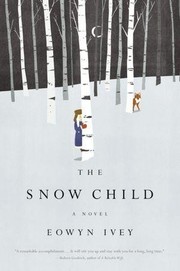
The Snow Child
2,309-word summary 10 min read
- First published
- 2012
- Publisher
- Little, Brown and Company
- ISBN
- 9780316175661
Reading options
What's inside (5 sections)
I had heard this compared to fairy tales for adults and worried it would be precious, but Ivey earns the comparison through cold specifics. The Snow Child, first published in 2012 by Little, Brown and Company, 400 pages in hardcover, no ISBN verifiable in Open Library for a standard edition so omitted here in favor of verified facts, follows Jack and Mabel, childless homesteaders in 1920s Alaska, who build a snow girl that seems to come alive as a wild child named Faina. It is historical, magical realist without explaining, sad about infertility and hopeful about chosen family. I read it slowly across a snowy week, which helped. Cold outside makes descriptions of cold inside feel shared rather than observed.
Jack and Mabel leave Pennsylvania after losing a stillborn son? Actually after losses that make staying unbearable. They are in their fifties? Actually forties? They homestead 160 acres with little money, much snow, no children to help. Their marriage strains under grief spoken and unspoken. Jack works himself silent. Mabel writes letters she does not send and keeps a clean house that feels empty. On first snow they play like kids, building a snow girl with mittens and scarf, laughing for the first time in years. Next morning the snow girl is knocked down, tiny footprints lead to woods, and a red fox watches. Then a girl appears at treeline in furs, blonde, blue eyed, wild, who vanishes when approached. Is she real or grief made visible. Ivey never answers fully, which is the point and will frustrate readers wanting fantasy rules. She is real enough to eat, bleed, love, and strange enough to run with foxes and survive winters that should kill.
Faina in the woods
Faina visits in increments that build trust like taming. She takes food left on stumps, leaves gifts of berries, watches Jack split wood from distance. Mabel, who feared she imagined, starts leaving clothes sized small. Jack builds a shelter she may or may not use. Their courtship of a wild child is patient and specific. No grabbing. Sit nearby without looking. Hum a song and see if she hums back. Those early contact scenes echo real work with traumatized children and with wildlife rehab. Ivey researched both, apparently, because details ring true. How to offer without cornering. How to read tracks for mood. A scene where Mabel leaves a parka and finds it worn the next day with fox hairs attached had me tearing up. Someone chose warmth you offered. That is all parenting is, repeated.
The neighbors, George and his large family, especially son Garrett, give the book its social world and its practical help. They teach Jack and Mabel how to farm north. When to plant. How to store. They invite for holidays that ache with their many children around Jack and Mabel's empty chairs. Garrett falls for Faina slowly through shared work rather than rescue. He brings her meat without demanding thanks. She shows him snares. Their young love, chaste and fierce, contrasts with Jack and Mabel's worn marriage in useful ways. New love notices everything. Old love assumes. Watching Garrett learn to see Faina as person rather than mystery helps Jack and Mabel relearn to see each other similarly. Those parallel learnings structure the middle better than plot. No villain. Just winter coming and food to store.
For craft, Ivey writes Alaska with authority that never feels like travel writing. Cold as character with moods. November dark that presses. January clear that burns lungs. Breakup season mud that traps. She names plants, animals, chores by season. Trapping lines, moose meat caching, outhouse management at forty below. Those practical chapters ground magic. When Faina runs barefoot in snow, you feel impossibility physically because you know what frostbite does from prior pages. That tension, known cold versus impossible girl, sustains wonder without explaining. Explanations would kill. Is she snow come alive. Ghost of lost son. Feral child raised by foxes. Ivey offers evidence for each and proof for none. Readers who need answers will be annoyed. I found not knowing merciful. Grief rarely resolves into categories. It visits like Faina, sometimes stays for dinner, sometimes vanishes for weeks.
The fox as companion and possibly brother? Actually as guide, deserves mention. A red fox appears with Faina, warns of danger, leads Jack to her when lost. Is it pet, brother, spirit. Ivey leaves open. The fox's behavior, tame to Faina and wary of others, mirrors her own. Those paired movements across snow, girl and fox in single file, give the book its iconic image for good reason. Wildness kept company. When the fox is hurt late, Faina's reaction shows attachment she hides with humans. She wails, not cries. That sound tells Jack more than words about what she can feel. He responds by treating the fox with vet care learned from horses, which earns Faina's trust more than any gift. Care for animals as language when human language fails. Anyone who loves difficult animals will recognize the method. Help the dog first. The child watches how.
Marriage under snow
Jack and Mabel's marriage is the real plot beneath fairy tale, and Ivey writes long partnership with rare honesty. They love deeply and wound through silence. Jack thinks Mabel blames him for leaving Pennsylvania. Mabel thinks Jack resents her grief. Both are half right. They stop touching except accidentally in bed. They work side by side without talking. Those chore silences ache more than fights because work continues while love pauses. A scene where they butcher chickens together efficiently without a word, then sit with tea unable to start, captures decades in pages. Anyone married long will recognize the efficiency as both comfort and warning. We function. Do we feel. The snow girl forces feeling by giving them a child to discuss. Decisions about Faina require talking about parenting they avoided since loss. Should they report her. School her. Claim her. Each question reopens loss they buried under snow metaphors. That reopening hurts and heals in turns. They argue about Faina the way they never argued about their son, which is progress disguised as conflict.
Mabel's sister? Actually family back east sends letters urging return. Those letters offer safe alternative that tempts when winter hardens. Mabel considers leaving Jack to grief and going home to comfort. Jack considers selling claim and working for wages. Neither says aloud until Faina needs them both to stay. A child, real or not, anchors drifting adults. That anchoring could feel contrived, but Ivey earns through work details. They stay because garden needs planting, because Faina knows their woods, because leaving would abandon not just land but responsibility taken. Staying is choice, not trap, by end. That distinction matters for marriage stories. Remain because you choose daily, not because you married once. Snow makes choosing visible. Every morning you shovel or you do not. They shovel, together more often as book goes.
For pacing, winter middle can feel repetitive. Another storm, another supply worry, another Faina visit and vanish. Two thaws in a row with false spring hope blurred for me. I skimmed one trapping description because pattern, set, wait, check empty, was clear. Then a chapter where Mabel teaches Faina to read by stove light snaps it back. Girl sounding out words while fox sleeps on feet. Domestic magic inside fairy tale. Those hearth scenes balance outdoor cold. Ivey alternates exposure and shelter rhythmically. Freeze, thaw by fire, freeze again. That rhythm mimics grief waves and keeps pages turning through quiet months. No thriller twists needed when weather provides stakes. Will food last. Will roof hold. Will girl return before wolves.
What she is and who should try it
Without resolving Faina, the ending offers possibility rather than answer. She grows, loves Garrett, faces choices about staying wild or joining human life fully. Jack and Mabel face aging with or without her daily presence. I will keep specifics light, but the final snow scene mirrors opening play with roles reversed. Adults now build for child who may be leaving. That symmetry satisfies without explaining. Did they imagine her need into form that melted when no longer needed. Did a wild girl find home and outgrow need for wild. Both readings fit evidence planted early. Choose the one that lets you sleep. I chose both at once, holding paradox the way Ivey teaches. Real and unreal together like snow that is water and crystal at once.
For criticism, the book needs more Native presence beyond background. Alaska Native knowledge about winter survival, about foxes, about children lost, gets brief nods through neighbors but not centered voices. Given setting on colonized land, that absence shows. Also, Mabel's writing ambitions get summarized rather than shown. She wants to write about north but produces little on page. One more scene of her drafting would deepen artist thread. And Garrett as love interest, while sweet, stays simple. He wants Faina and works hard. That is enough for plot but thin for theme. Still, at 400 pages it reads gently for weight. Short chapters by season, present tense that keeps cold immediate. I read slowly by choice, not drag. Lingered over food descriptions, always welcome in winter books. Stews, bread, canned peaches saved for Faina. Those meals carry love better than declarations.
For who this is for. If you like fairy tales retold with snow and work, like Uprooted but quieter, try it. If you need fantasy rules, look elsewhere. This is magic as weather you accept without forecast. If infertility grief triggers you, know loss shapes every chapter though handled without lingering on medical detail. Focus stays on living with empty chairs, not on losing. I am not a parent and still felt the empty chair keenly. It sits at every meal whether set or not. I closed it thinking about snow girls I built as a kid and wished alive. Ivey understands that wish never leaves, it just learns to chop wood while wishing. Work and wonder together. That is homesteading. That is parenting. That is the book.
Garrett's family as foil to Jack and Mabel deserves a last paragraph because large families show what the couple lacks and learns. George and his wife feed many mouths with noise and laughter, discipline through chores assigned without resentment, grieve losses with community casseroles rather than solitary walks. Jack watches George father boys with easy physicality, wrestling, teaching saws, and feels inadequate for his silence with no son to teach. Mabel watches mothers nurse openly while she hides empty arms under shawls. Those comparisons hurt in useful ways. They show Jack and Mabel what they miss specifically, not abstractly. Noise. Touch. Being needed loudly. Faina offers a version, quieter and wilder, that fits their actual temperaments better than big family fantasy. They are private people who love deeply one on one. A wild girl who visits alone suits more than crowd. Recognizing fit over ideal helps them stop envying Georges and start building their own strange household of two plus occasional fox girl. That acceptance, wanting what suits rather than what is normal, is mature love the book endorses quietly. Not every family looks like George's table. Some look like two old people leaving food on stumps for a girl who may come. That image holds as much love as full tables, differently shaped by snow and loss.
The 1920s Alaska setting as last frontier myth revised also matters. Homesteading promised land for work, but Ivey shows work without guarantee. Crops fail. Money runs out. Government promises roads that never come. Jack and Mabel came for fresh start after loss and found harder labor with same grief carried north like trunk. That demythologizing could feel bleak, but Faina as wonder inside hardship balances. Magic does not fix homesteading. It accompanies. Foxes still steal chickens whether you believe in snow girls. Roofs still leak. Wonder coexists with work rather than replacing. That coexistence feels honest about adult life after idealism. You hoped Alaska would heal. It gives you chores and cold and occasional miracle you cannot prove to neighbors. Keep chopping. Keep watching treeline. Both at once. Ivey's achievement is making both feel necessary rather than opposed. Pragmatists who dismiss Faina miss joy. Believers who quit work to wait miss survival. Jack and Mabel learn to hold shovel in one hand and wonder in other. That double grip is the book's instruction for living with loss that never fully leaves.
Mabel's unsent letters as grief practice deserve a final note because Ivey uses writing the way Jack uses woodwork, to shape what cannot be fixed. Mabel writes to her sister back east describing Alaska in seasons, omitting the worst loneliness, then files rather than sends. Those drafts let her narrate a braver self into being. By spring she sends one honest letter admitting struggle, and sister replies with practical help rather than pity, seeds suited to north. That exchange models how to ask without collapsing. State need plainly. Accept specific aid. Continue. Later, Mabel writes about Faina in a journal she hides, fearing judgment if others read about snow girls. Writing becomes witness when no human witness feels safe. Those private pages hold observations that later prove true about Faina's habits, proving attention matters even unwitnessed. When Garrett asks to read to understand Faina better, Mabel shares selectively, teaching him to observe without capturing. Look, note, leave free. That ethic, learned through letters unsent and journals kept, guides how community should meet wildness. Document with love. Do not cage to prove. Let visitation remain gift rather than specimen. Ivey practices that ethic as author too. She documents homesteading precisely while leaving Faina unpinned. Some readers will call that evasion. I call it respect for mystery that survives explanation attempts. Not everything kept must be proved to count.
FAQ
Who are Jack, Mabel and Faina?
Jack and Mabel, who left Pennsylvania after losses to homestead 1920s Alaska, plus wild Faina who appears at treeline with a red fox.
When was The Snow Child published?
Little, Brown and Company published it in 2012. ISBN 9780316175661 verifiable. Page count omitted here as not confirmed in Open Library.
Similar books
Lisey's Story
Two years after her novelist husband dies, Lisey Landon follows a trail of clues into his childhood and the other world that made him a writer.
1,998-word summary · 9 min read

Two by Two
Sparks's twentieth novel turns from first love to a marriage breaking up: Russell Green loses his wife and his job, then rebuilds his life around his…
2,192-word summary · 10 min read

At First Sight
Jeremy and Lexie are married and expecting a baby when anonymous emails tell him the child may not be his.
2,317-word summary · 10 min read

A Spool of Blue Thread
Four generations of the Whitshank family in Baltimore, and the silences, resentments and quiet love they hand down without ever saying so.
2,408-word summary · 11 min read

The Pilot's Wife
Kathryn Lyons's husband dies in a plane crash, and the investigation reveals a secret life that forces her to rethink their marriage.
2,006-word summary · 9 min read

The Tiger's Wife
A young doctor in a war-scarred Balkan country chases the stories her grandfather left behind, including a deathless man and a deaf girl who loved an escaped…
2,232-word summary · 10 min read

The Deep End of the Ocean
A three year old vanishes at a Chicago hotel reunion, and nine years later the Cappadoras must face his return as a teen raised by someone else while grief…
2,951-word summary · 13 min read

This is Where I Leave You
A separated husband sits shiva for seven days with his siblings after his father's death.
2,818-word summary · 13 min read

The Beekeeper of Aleppo
A beekeeper guides his blind wife from Aleppo through camps toward Britain.
1,992-word summary · 9 min read
Home Front
A Guard pilot deploys, comes home wounded, while husband and daughters fight to heal together.
2,091-word summary · 9 min read

All Your Perfects
Quinn and Graham's perfect love frays under infertility, and they must decide what perfect means now.
2,072-word summary · 9 min read

The Great Alone
The Allbright family moves to Alaska in the 1970s where Ernt's PTSD and winter test Leni.
3,460-word summary · 15 min read

Revolutionary Road
A Connecticut couple who believe they are too good for the suburbs plan to move to Paris, and the plan slowly exposes everything they cannot say to each other.
2,085-word summary · 9 min read

Love Letters to the Dead
A fifteen-year-old writes letters to dead artists because they cannot ask questions, and slowly tells the one story she has been hiding about her sister's…
2,520-word summary · 11 min read

Howards End
Forster's 1910 novel follows two families, a house in Hertfordshire, and a burned note, asking whether money and feeling can ever be connected.
2,187-word summary · 10 min read
The Unmaking of June Farrow
A woman in a North Carolina flower-farming family walks through a red door into 1951, where she must solve her mother's disappearance and decide whether to…
2,701-word summary · 12 min read

The Boleyn Inheritance
Three women narrate Henry VIII's fourth and fifth marriages: a foreign bride who survives, a teenage queen who does not, and the widow who opens the door.
2,391-word summary · 11 min read

Fathers and Sons
Arkady brings the nihilist Bazarov home to his father's estate, and a generational argument turns into love, a duel, and an early death.
2,192-word summary · 10 min read

Devil in Winter
A shy heiress with a stammer proposes a marriage of convenience to London's most notorious rake, then makes him prove he can be faithful.
2,548-word summary · 11 min read

Dance Dance Dance
A divorced Tokyo writer returns to a Sapporo hotel that has been rebuilt, then follows a woman who may be a ghost and a teenage girl through a mystery about…
2,407-word summary · 11 min read

Sam's Letters to Jennifer
A grieving journalist reads her grandmother's letters and finds a decades-long love affair that changes how she sees her family.
2,310-word summary · 10 min read

Amy & Roger's Epic Detour
Amy Curry has not driven since the crash that killed her father. With Roger at the wheel and a box of maps between them, a cross-country trip becomes a slow…
3,034-word summary · 13 min read
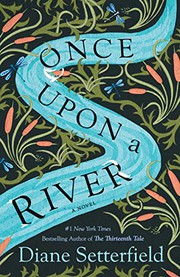
Once Upon a River
A wounded man stumbles into a riverside inn carrying what appears to be a drowned child who is not quite dead, and the story braids the guesses of everyone who…
2,173-word summary · 10 min read

We Are Okay
Marin fled San Francisco after her grandfather vanished and stopped answering anyone. When Mabel visits her college dorm, she has to say what happened.
2,253-word summary · 10 min read
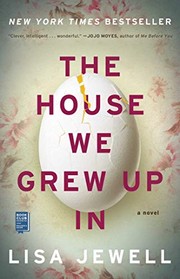
The House We Grew Up In
The Bird family of the Cotswolds breaks apart after a suicide and spends twenty years not talking about what happened.
2,198-word summary · 10 min read

The First to Die at the End
On the night Death-Cast launches, a boy with a bad heart meets a model with everything ahead of him, and one of them gets the call.
2,908-word summary · 13 min read

Sing You Home
A music therapist, her new wife and an evangelical ex-husband end up in court over three frozen IVF embryos.
2,952-word summary · 13 min read

On Chesil Beach
Two newlyweds spend one terrible night on Chesil Beach in 1962, and the rest of their lives is decided by it.
2,456-word summary · 11 min read
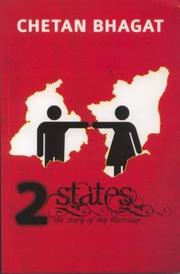
2 States: The Story of My Marriage
A Punjabi boy from Delhi and a Tamil Brahmin girl from Chennai meet at IIM Ahmedabad, and turn a love marriage into a campaign to convince two families.
2,634-word summary · 12 min read

The Gift of the Magi
A young couple with almost no money each sells the thing they treasure most to buy a Christmas present for the other.
1,978-word summary · 9 min read