
Reading options
What's inside (8 sections)
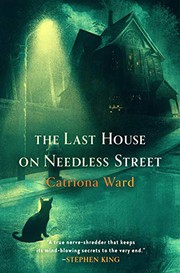
I went into The Last House on Needless Street knowing it had a twist people argue about, and I tried not to guess too fast. First published in 2021 by Tor Nightfire at 352 pages in hardcover, it won horror awards and divided readers. It is about Ted, a lonely man in a run down house at the end of Needless Street, his cat Olivia, a girl called Lauren who lives with him, and Dee, a new neighbor who moves in across the street with a reason. I found it sad and creepy in equal parts, more about hurt than ghosts.
Ted lives by routine. He does not work. He drinks too much. He boards windows, avoids neighbors, talks to himself when he thinks no one hears. His house smells of damp and old food. He loves his cat Olivia fiercely and is awkward with his daughter Lauren, who drifts through rooms, sometimes kind, sometimes cold. He tells you he did not do what people say. Years ago a girl named Lulu went missing near here, and some still look at Ted. He says he is innocent. He says he just wants to be left alone.
Olivia narrates chapters in a dry, funny voice. She is a cat, so she notices smells, sounds, laps, birds. She loves Ted completely and worries about him. She watches Lauren with confusion. She recites little prayers about being good. At first her chapters feel like relief, warm and odd. Slowly they turn sad. Olivia does not understand everything she sees. She misreads human fights, she hides when voices rise, she tries to comfort by purring. Her love is pure, which makes the house feel worse by contrast. If even the cat is anxious, something is wrong.
Dee moves in with her own plan. Her little sister Lulu disappeared when Dee was a child, and Dee never stopped looking. She is grown now, angry, drinking, working odd jobs, renting the empty house opposite Ted to watch him. She befriends him with beer and small talk. She brings over food. She asks about the past like she is just curious. She is not. Every visit is an interview. She checks his backyard, his shed, his stories about where he was that day. Her grief is raw. She loves her parents but blames them for not watching. She blames herself more.
A street that watches
Needless Street feels like a place time left. Cracked sidewalks, overgrown lots, a corner shop, kids who stare. Neighbors remember the search for Lulu, the police cars, the flyers that faded in rain. Some think Ted did it. Some think he is just odd. No one helps him fix his porch. Ward writes the street well. Heat in summer, trash in wind, cats fighting at night. You feel stuck there with them.
Ted's days have small rituals. Feeding Olivia, checking locks, reading old papers, calling his mother who may or may not answer. Lauren appears and disappears. Sometimes she helps clean. Sometimes she mocks him. Their talks are stilted, full of gaps. He wants her love. She wants him to be normal. Neither gets what they want. I felt sorry for both even when I was scared of what the house held.
Dee's infiltration is tense because she is not good at hiding. She drinks with Ted, laughs too loud, asks one question too many. Ted likes company but flinches at touch and noise. He tells stories that shift. One day he was fishing that week. Next day he was sick in bed. Dee notes each change in a notebook. She takes photos of his yard. She follows him to the shop. Her obsession costs her jobs and a boyfriend who tries to stay kind. You want her to stop for her own sake and keep going for Lulu's.
Olivia keeps loving through this. Her chapters describe Dee's smell, Lauren's cold hands, Ted's shaking when he hears a siren. She does not judge. She tries to sit on laps that push her off. One scene where she waits outside a locked door, listening to crying inside, stayed with me. It is simple and awful because a cat cannot open doors.
Ward also threads in Ted's childhood through fragments. A religious mother, a father gone or cruel, verses about sin, punishment for small faults, being locked in, being told he was bad. These pieces come as flashes, not neat flashbacks. Ted remembers smells, belts, prayers, a sister or neighbor girl. He confuses times. He apologizes to people not in the room. It is clear he was hurt badly as a boy and never got help. That does not excuse anything, but it explains why his mind protects itself by splitting and hiding.
Memory that protects by lying
The middle of the book leans into unreliability. Ted says Lauren is his daughter. Olivia thinks Lauren is strange for a kitten, which is funny until it is not. Dee finds records that do not match. Dates slip. A photo shows someone else. You start to realize one or more narrators cannot be trusted, not because they lie to you but because they lie to themselves to survive.
I will not state the reveal plainly because it lands harder if you feel it build, but I will say it reframes Ted, Lauren, and Olivia in a way that made me reread early chapters. Things I took as supernatural or odd became psychological and sad. The cat chapters especially changed. What felt cute became protective storytelling. What felt like a ghost became memory. Ward plants clues fairly. Locks, medication bottles, missing rooms, the way Ted talks to himself in different tones. On second look, they point one way. On first read, most will miss it, which is the point about how trauma hides.
Dee's search also shifts. She starts sure Ted took Lulu. She ends learning more about her own family, about what her parents hid to spare her, about how children remember and misremember. Her sister's case is not solved by a hidden basement alone. It is solved by understanding what a hurt mind does with guilt and fear. That may frustrate readers who want a clear crime and arrest. There is crime here, real and terrible, but the book cares more about aftermath than procedure. Police are background. Family is foreground.
The horror in this book is not monsters. It is neglect, religious cruelty, kidnapping, confinement, alcohol, and the way a house can hold smell and sound for years. A few scenes are graphic about injury and death, not long but sharp. Animal lovers should know Olivia is in danger at times and sees harm. It is not torture for shock, but it will upset. The dread comes from being inside Ted's head when he loses time. One minute he is making tea. Next it is dark and someone is crying and he does not know why. That loss of time scared me more than any ghost.
What holds and what tests patience
What holds is voice. Olivia is one of the best animal narrators I have read, funny without being cute, limited without being stupid. Ted is heartbreaking, kind in flashes, frightening in others, always human. Dee is messy and determined, easy to root for even when she makes bad choices. Ward writes short, lyrical sentences with biblical echoes that fit Ted's upbringing without overdoing it.
The house itself is a character. Sticky floors, buzzing flies, a dead yard, a shed no one should enter. You can smell it. Needless Street feels like many streets where something bad happened and everyone stayed anyway because they could not afford to leave. That social detail grounds the strange narration. Poverty, odd jobs, benefits letters, cheap beer. Fear grows better in real places.
What tests patience is slowness and repetition. Ted repeats routines. Olivia repeats prayers. Dee circles the same questions. For about eighty pages in the middle I felt stuck with them, which may be intentional but still dragged. A few neighbors blur. A bar scene goes long. If you need fast plot, you may struggle. This is a book that asks you to sit in discomfort and notice small shifts.
The reveal also splits readers. Some find it powerful and compassionate about dissociative survival. Some find it tricky or feel misled by the cat chapters. I landed mostly on moved, with one reservation. Without spoiling, I wished the final explanation gave Dee and Lulu a little more page time after, to grieve properly. The book rushes toward safety at the end after such slow dread. I wanted to sit with the sisters longer.
Ward handles sympathy carefully. She does not excuse harm because of past harm. Ted's pain explains but does not erase. Dee's pain drives but does not justify stalking. Everyone is accountable, even while hurt. That moral clarity inside a cloudy narration impressed me. It would have been easy to make Ted only a monster or only a victim. He is neither, and both, which is harder.
Who should enter this house
Read it if you like psychological horror with heart, like Stephen King’s quieter domestic scares or Gillian Flynn’s broken narrators but with more compassion. Read it if you like animal narrators, unreliable minds, houses that feel alive. Read it with lights on, not because of jump scares but because sadness needs company.
Skip it for now if you need linear crime solving, if animal danger will wreck you, if religious abuse or child harm are too close. Check content notes. This is not cozy mystery. It is about kidnapping, confinement, and long trauma. It treats them seriously, but it does not look away.
For me, the image that stays is Olivia waiting by a door. Small, loyal, confused, still loving. Ted on the other side, trying to remember what he did. Dee across the street, watching through blinds, trying to find her sister. Three lonely watchers, each missing someone. When the door finally opens, what comes out is not a monster but a broken person who needs help and justice at once. That mix of pity and fear is rare, and it is why I will remember Needless Street even though I was glad to leave. The book is 352 pages and felt longer in the best way, like time spent in a place that changes how you hear quiet houses after.
Faith, punishment, and the body
I want to say more about the religious thread, because it shapes Ted more than any single event. His mother used verses like locks. Spare the rod, cleanse the sin, pray till you cry. As a boy he learned to link love with pain, attention with punishment. He prayed to stop being bad without knowing what bad meant. He confessed to thoughts. He was shut in small spaces to think about God. Those early lessons live in his adult body. He flinches at raised voices. He whispers prayers when stressed. He calls himself disgusting over small mistakes like spilling tea.
Ward does not mock belief. She shows how belief twisted by cruelty harms. Ted still reaches for prayer when scared, and sometimes it calms him. Olivia learns the rhythm of his prayers and purrs through them. That mix of comfort and poison felt true to survivors I have known. You keep the song even when the singer hurt you, because it was the only lullaby you had. Recovery, for Ted, would mean keeping what soothes and releasing what shames, a slow work the book only starts.
The body holds a lot here too. Ted's teeth hurt. His back aches. He drinks to quiet shaking. He forgets to eat, then eats too fast. Dee drinks to sleep and wakes with headaches that make her mean. Olivia feels hunger as panic because she once starved. The house smells of sweat and bleach and cat food. Physical detail grounds the psychological play. When Ted loses time, you feel it as nausea and cold hands, not as a clever device. That embodiment kept me from treating the twist as a game. It is illness and injury, not a puzzle box.
Dee carries her own bodily grief. She was a child when Lulu vanished, and she grew up with stomach aches before school, with nightmares where she calls a name and no one answers. As an adult she runs till her lungs burn, as if running could go back and arrive in time. She cuts her hair short to look different from photos of her family, then hates the photo on her license. These small physical rebellions show a sister stuck at the age of loss while her body kept aging. I recognized that split. Grief freezes one part while life drags the rest forward.
Reading twice
I reread the first sixty pages after finishing, and I recommend it if you have the stomach. Early lines about Lauren being cold, about Olivia not understanding kittens, about Ted taking medicine with no label, all shift. What seemed like horror worldbuilding becomes careful coding of a mind protecting itself. A locked door you thought hid a victim hides something else. A phone call you thought was with a mother was something sadder. Ward plays fair in the sense that clues exist. She misdirects by letting you assume the worst about a strange man, which most readers, myself included, do fast.
That assumption is part of the point and worth sitting with. Ted looks like the man neighbors suspect. Unemployed, unkempt, odd with kids, history of trouble. Dee suspects him because she needs someone to blame and he fits. I suspected him because horror taught me to. The book asks what that rush costs. Not that suspicion is always wrong. People do harm on quiet streets. But certainty without proof harms too, and lonely men pay for it. Ted paid for years with stares and notes and lost jobs. Even if he had done nothing, that punishment would have been real.
The second read also softened Dee for me. First time she felt reckless, drinking with a suspect, lying to get inside, risking her safety. Second time I saw a grieving sister doing the only thing that eased guilt, moving closer to fear rather than away. Her methods are bad. Her love is clear. She brings food, she listens to boring stories, she sits with a man who smells and shakes because no one else will. That patience, even used as a tactic, is kindness. It complicates judging her. She uses Ted. She also sees him when others look away.
If the book has a flaw on reread, it is that some middle chapters still drag even when you know where they lead. A walk to the shop, a bar night, a repeated argument about the shed. Knowing the end does not make them tighter. They build mood, but mood was already built. I skimmed a few on second pass. That is okay. Horror that lives in houses needs some long evenings. Still, tighter editing in the middle third would have helped both reads.
I closed the second read sadder and kinder. Sadder because the harm started so young, with prayers and closets, long before Needless Street. Kinder because survival, even in strange forms like a cat voice that loves without question, deserves respect. Olivia, whatever she is in clinical terms, is love persisting. Ted made a companion who would never hit, never preach, never leave. That invention, if you want to call it that, is heartbreaking and wise. When no one safe stays, the mind makes someone who stays. I will not forget her purring through prayers, trying to keep a broken man calm one night at a time.
FAQ
When was The Last House on Needless Street published?
It was first published in 2021 by Tor Nightfire at 352 pages in hardcover. It won the August Derleth Award for horror.
Who lives on Needless Street?
Ted lives alone with his cat Olivia and his daughter Lauren. New neighbor Dee moves in asking about a missing girl from years ago.
Similar books

What She Knew
Rachel lets her eight-year-old son run ahead in a Bristol park, and the nine-day search turns her into a suspect in the public eye.
2,952-word summary · 13 min read

Still Missing
A realtor is abducted at a Vancouver Island open house and held for more than a year. Told through therapy sessions, the novel follows her escape and the hunt…
2,466-word summary · 11 min read
The End of Her
A sleep-deprived mother of twins faces a stranger's accusation that her husband murdered his first wife in Shari Lapena's domestic suspense novel.
2,383-word summary · 11 min read
Strange Sally Diamond
Sally Diamond takes her dying father's joke literally and burns his body, then learns her whole childhood was built on a kidnapping and a lie.
2,411-word summary · 11 min read

The Widow
A widow of a suspected criminal faces reporters and police while hiding what her marriage really cost.
2,599-word summary · 12 min read
The Therapist
A couple moves to a gated street where the previous therapist was murdered in their house.
2,437-word summary · 11 min read
The Night Swim
A true crime podcaster covers a rape trial while probing an old drowning in a small town.
2,260-word summary · 10 min read
The Chalk Man
Childhood chalk codes lead to a murder that follows friends thirty years later.
2,350-word summary · 10 min read
Relic
A museum beast kills during an exhibition while an agent investigates.
2,066-word summary · 9 min read
In My Dreams I Hold a Knife
College friends reunite ten years after a murder with a trap set.
2,252-word summary · 10 min read
Twenty Years Later
A TV host reinvestigates a 20-year-old murder after a 9/11 victim ID names the accused, and the case pulls her own hidden past into view.
2,726-word summary · 12 min read
The Good Lie
A psychiatrist and a grieving lawyer reopen a closed serial killer case in California and find the profile points somewhere painful.
2,964-word summary · 13 min read
The Sun Down Motel
In 1982 Viv vanishes from a Fell motel desk; in 2017 niece Carly takes the same shift to find her.
2,150-word summary · 10 min read
I'm Thinking of Ending Things
A woman drives out to meet her boyfriend's parents while planning to leave him, and the night turns quietly wrong.
2,754-word summary · 12 min read
The Wives
A woman who sees her husband only on Thursdays tracks down his other wives and learns her marriage is not what she believed.
2,454-word summary · 11 min read

Final Girls
A survivor of a cabin massacre tries to live normally until another Final Girl dies and a second one shows up at her door.
2,176-word summary · 10 min read
Lock Every Door
Broke Jules apartment sits at the Bartholomew where another sitter vanished.
2,224-word summary · 10 min read
The Turn of the Key
A nanny writes from prison about a smart Highland house, four girls, and the night one child died.
3,207-word summary · 14 min read
Hidden Pictures
Nanny Mallory sees Teddy drawings predict a murder in New Jersey.
2,332-word summary · 10 min read
Before I Go to Sleep
Christine wakes each day with no memory, and her secret journal reveals her husband lies.
2,577-word summary · 11 min read
Into the Water
A drowning pool, eleven narrators, and sisters divided in Hawkins's murky second thriller.
2,598-word summary · 12 min read
Verity
Colleen Hoover's Verity explained: Lowen, injured Verity Crawford, the hidden autobiography, and the letter that flips everything.
2,593-word summary · 12 min read
The Silent Patient
Alex Michaelides's The Silent Patient retold: Alicia's silence, Theo's obsession, the Alcestis clue, and the final flip.
2,412-word summary · 11 min read
The Girl on the Train
Paula Hawkins's The Girl on the Train retold: Rachel's commute, Jess and Jason, Megan missing, and what really happened that night.
2,391-word summary · 11 min read
Gone Girl
Gillian Flynn's Gone Girl fully retold: Nick and Amy Dunne, the diary, Desi, the treasure hunt, and why the ending stays ugly.
2,334-word summary · 10 min read
Nowhere Burning
Siblings flee to a burnt ranch commune in the Rockies where old fires still smolder.
2,232-word summary · 10 min read

The Beach House
A young valet is beaten to death at a Hamptons party, and his law-student brother spends a year building a case against the family that covered it up.
2,049-word summary · 9 min read

Six Years
A professor who promised to forget the woman he loved sees her husband's obituary and discovers that the wedding, the marriage, and the woman herself may never…
2,076-word summary · 9 min read

Rules of Prey
Minneapolis detective Lucas Davenport hunts a killer who leaves a new rule at every scene and treats murder as a game of wits.
1,914-word summary · 9 min read

Night Film
A disgraced journalist investigates the death of a reclusive horror director's daughter, following a red coat through hospitals, secret clubs, and a family…
2,690-word summary · 12 min read