
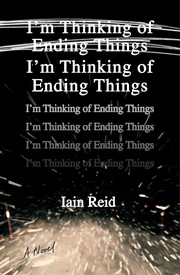
I'm Thinking of Ending Things
2,754-word summary 12 min read 224 pages in the book
- First published
- 2016
- Publisher
- Simon & Schuster
- Pages
- 224
- ISBN
- 9781501126925
Reading options
What's inside (7 sections)
I'm thinking of ending things.
That line opens the book and it never really leaves. I picked this one up because a friend told me it was short enough to finish in an evening and strange enough to argue about after. Both things turned out to be true. It is a 2016 debut, just over two hundred pages, and most of it takes place inside a car, inside a farmhouse, and inside one person's head. There is a film version by Charlie Kaufman on Netflix, but the book is its own smaller and colder thing, and I think it works better if you meet the book first.
The setup sounds plain. A young woman is dating a man named Jake. They have been together a couple of months. She is already thinking of breaking up with him, and she has not told him yet. Still, when he invites her to drive out to the country to meet his parents, she says yes. It is winter. The roads are empty and the snow keeps coming. The whole first stretch of the novel is that drive, and Reid makes it feel longer than it is, in a way that suits the story.
What got my attention early was how much of the drive is talk. They talk the way smart couples talk when they are still trying to impress each other. Ideas about how people think, about whether a thought can be as real as an action, about songs and poems one of them half remembers. Jake tells a story about how they met at a bar trivia night. Later she remembers it differently, or he tells it differently, and neither of them makes a big deal of it at the time. On a first read you let it pass. On a second read it glows a little, like a warning light.
Then there are the phone calls. Her phone rings during the drive and the call display shows her own number. When she answers, there is breathing, or a voice that sounds wrong, or a message that makes no sense. She tells herself it must be a glitch, a crossed signal, some telemarketer trick. Jake asks who it was and she lies, or half lies, because she does not want to sound crazy this early in the trip. I found that stretch properly creepy, not in a loud way. It is the kind of unease that comes from something small refusing to add up.
By the time they reach the farm, the weather has turned mean and the light is going. The house sits back from the road with a barn nearby, and everything looks a little run down, the way working farms do when the people running them are getting older. Jake's parents come out to greet them. They seem pleased. They seem normal. And then, by small degrees, they stop seeming normal.
The farmhouse visit
Dinner at the farmhouse is the longest set piece in the book, and Reid plays it patiently. They sit around the table. There is food, there is small talk, there are questions aimed at the girlfriend. What do you study. What does your family do. How did you two meet. Ordinary stuff. But the answers keep shifting under their feet.
Jake's mother asks about things the narrator has already explained, as if hearing them fresh. Jake's father tells stories about Jake as a boy, and the details change between tellings. At one point the parents look younger than they did when the couple arrived. Clothes change. Hair changes. The narrator notices and then talks herself out of it. Maybe the light is bad. Maybe she is tired from the drive. Maybe she misremembered what they were wearing ten minutes ago. Anyone who has spent an evening with a partner's parents, smiling through small confusions, will recognize the feeling, even as Reid pushes it past anything natural.
There is a dog in these scenes, or the sound of something at the door, and a cold that seems to live in the walls. The house smells the way old houses smell, of oil heat and stored apples and damp wool. Jake's father wants to show off the farm. Jake's mother keeps touching the narrator's arm and saying how glad she is they came. Under it all is the narrator's private loop, still running. She is thinking of ending things. She rehearses reasons. He is kind but they do not fit. The conversation is good but something is missing. She feels guilty for thinking it at his parents' table, which only makes the thought louder.
What holds this section together is that nothing jumps out and shouts. There is no intruder, no storm knocking out the power for a cheap scare. The fear comes from repetition with differences. A story told twice with new facts. A face that looks thirty years older after a trip to the kitchen. A photograph on the wall that resembles someone at the table a little too closely. Reid trusts the reader to feel the wrongness without underlining it, and for a long while that trust pays off.
If I have a complaint about the farmhouse chapters, it is that the philosophical chats go on a bit. Jake and his father and the narrator fall into long exchanges about science and aging and what makes a self. Some readers will eat that up. I drifted once or twice in the middle, the way you drift when clever people talk past each other at a dinner you cannot leave. It fits the characters, and it plants ideas the ending needs, but a few pages could have been cut without losing anything.
The basement and the photographs
Every scary house has a room you are told not to worry about, and here it is the basement. The narrator ends up down there, and the basement is where the book stops pretending everything is fine. There is a washing machine, paint cans, old furniture under sheets. There are paintings stacked against the wall, children's paintings and later ones, signed with names that do not settle. There are school photos and yearbooks. In one photo, a boy stares out who could be Jake at thirteen. In another, older photo, the faces are harder to place, and that is worse.
Reid does something sly with the narrator's own history in this stretch. Asked about her studies or her work, she gives answers that sound solid. Then someone remembers her saying something else earlier, studying something else, wanting something else. She corrects herself. She says she misspoke. The reader starts to keep a private list. Was she a physicist or a poet. Did she grow up on a farm or in the city. What is her name, even. She offers one name early on, and later other names surface, Lucy and Louisa and variations that sound like echoes of one woman rather than one woman herself. The book never stops to explain this. It just lets the pile grow.
The effect is closer to a dream than to a puzzle with clean edges. Anyone hunting for a tidy clue trail may get annoyed here, because Reid withholds the kind of confirmation most thrillers hand out. No one finds a letter that explains everything. No one sits down and confesses. Instead the narrator feels watched by the house itself, by the photos, by the paintings, by the cold spot at the foot of the stairs. She hurries back up. Dinner continues as if nothing happened. That return to normal, with everyone smiling, is one of the most unsettling moves in the book.
A small note for readers who scare easily. There is nothing graphic in these pages. No blood, no chases. Younger or sensitive readers can handle the content; what may bother them is the mood, a steady pressure behind the eyes. Reid is writing about memory and identity rather than about killers, and the basement works as a picture of a mind with rooms it does not want to open.
Snow, snacks, and the school
Leaving the farm should bring relief, and Reid refuses to give it. The snow is worse. The car heater sulks. Jake and the narrator snap at each other the way couples do when both are tired and neither will name the real subject. She still has not said she wants to end it. He can probably feel it anyway. They stop for something sweet at a roadside spot, the kind of small-town ice cream counter that stays open when it should be closed, and the exchange with the girls behind the counter is so awkward it sticks in the throat. Details like the sticky cups and the smeared napkins matter here, because Reid uses plain physical things to anchor pages that might otherwise float away into talk.
Then Jake turns off toward his old high school. The building is dark except for a few lit halls. He says he wants to show her something, or to look around, and his reasons sound thin even to him. She does not want to go in. She goes in. From here the book narrows to hallways, trophy cases, the smell of floor wax, vending machines humming in the dark. It is late. The only other person around is the janitor, an older man pushing a mop, minding his own business, watching them the way night workers watch people who do not belong in the building after hours.
Readers should know that the janitor has been getting his own short chapters all along, spaced between the girlfriend's narration. In those bits we see his routines. He eats lunch alone. He remembers slights from decades ago. He watches students from a distance and invents small stories about their lives. He thinks about a girl he admired from far away years back, someone he never really spoke to. He keeps clippings and takes care with his appearance in a way that reads as lonely rather than vain. At first these chapters feel like interruptions. By the school section they feel like the other half of a scale, slowly coming level.
The school pages are the tensest in the book for me. The couple wanders. They argue in whispers. The janitor keeps appearing at the end of halls and then not appearing. Doors lock that should be open. The narrator realizes she has seen this building before, or dreamed it, or heard Jake describe it so often she has borrowed his memory. Time starts to skip. A conversation restarts mid sentence. Someone's coat is a different color. Reid handles all this without breaking the plain style he has used throughout, which makes it hit harder than any flourish would.
What was really happening
This is the part where a summary has to spoil the mechanism, because the book is built around it. So stop here if you want to go in cold. The short version is that the girlfriend, as a separate person driving that car and sitting at that table, is not real. She is imagined. She is the wish of the janitor, who is Jake grown older, living alone, working nights at the school he once attended, building a whole relationship in his head from scraps.
That is why her name will not hold still. That is why her studies change, why her childhood changes, why Jake's version of meeting her changes. She is stitched from women the janitor glimpsed and never approached, from books he read, from television, from remarks overheard in hallways. When she debates ideas with Jake, she is really Jake debating himself. When she thinks about ending things, that is part of him knowing the fantasy cannot hold. Even the phone calls from her own number point the same way. There is only one mind on that road, calling itself and hanging up.
Reid plays fair with this once you look back. The parents aging and unaging reads as memory doing its work, the way old people live in your head at every age you ever knew them. The farm stories that contradict each other read as stories retold until they fray. The basement paintings and photos are the janitor's own past, relabeled. The long talks about consciousness and whether thoughts count as real stop being dorm room chat and become the book's actual subject. A thought can keep a man company for years. It can also eat those years.
The closing movement stays with the janitor. There is a strange, sad sequence in which he imagines public praise, a speech, a room full of people finally seeing him, the recognition his life never gave him. Anyone who has rehearsed an award speech in the shower will find this painful to read, because Reid gets the hunger exactly right without mocking it. After that comes the truck in the parking lot, the cold, and an ending Reid leaves soft at the edges. Whether you read it as death by exposure or as a man settling into the dark, the meaning holds. The fantasy ends because the man imagining it is ending too.
People argue about whether this reveal is a trick. I think it lands because the clues were emotional before they were logical. The dread you felt at the farm grows out of a life built entirely inward, with no one to correct it. The sadness of the janitor chapters, which seemed slow at first, turns out to be the main story. The road trip was the paint on top.
Why it divides people, and who should try it
Reactions to this novel split hard, and after sitting with it I understand both sides. Admirers call it chilling and sad, a horror story where the monster is solitude. Skeptics call it a gimmick with long coffeehouse debates taped on. Both camps are describing the same pages. Your patience for talky passages and ambiguous payoffs will decide which camp you join.
Let me be direct about the weak spots. The middle really does sag in places. There are stretches where Jake and the narrator trade views on art and science that feel like Reid showing his reading list. One such passage would add flavor. Four or five in a row slow the car to a crawl, and in a book this short every slow mile counts double. The farmhouse parents can also feel more like devices than people. That turns out to be the point, since they are remembered rather than present, but on a first read it can register as thin writing instead of design.
The twist has its own cost. Once you know the girlfriend is imagined, some readers feel the first half loses value, as if they were fooled rather than told a story. I did not feel cheated, because the feelings stay true even after the facts change. Loneliness, shame, wishfulness, fear of being forgotten: those were real on every page. Still, readers who want a thriller with a solid chain of events may close the book annoyed. This is closer to a character portrait wearing a thriller's coat. The coat is well cut but it is still a coat.
So who is it for. It suits readers who like short books that leave a mark, who enjoyed films or novels where the narrator cannot be trusted, who do not mind finishing a story with questions. It is a strong pick for a book group, because the argument afterward is half the fun. Did Jake ever have a chance. Was any part of the girlfriend based on a real person. What do the Nobel style fantasies say about how he saw himself. You can talk for an hour without settling any of it.
A word on the Kaufman film, since most people find the book through it. The movie keeps the farm and the school and the dread, then goes stranger, with long debates, a dance, and a musical number that has no match in Reid's pages. If you watch first and read second, the book may feel plain by comparison. If you read first, the film plays like someone else's vivid dream of the same material. Neither replaces the other. The book is quieter, sadder, and easier to carry around afterward, which sounds odd for a horror novel but fits this one. At 224 pages in the Simon and Schuster hardback, it asks for one evening. It may take up more room than that.
FAQ
Who is the girlfriend in I'm Thinking of Ending Things?
She is an imagined companion created by Jake, the older janitor. Her shifting names, studies, and memories are scraps he stitched together from women he glimpsed, books he read, and television.
Is there a movie of I'm Thinking of Ending Things?
Yes. Charlie Kaufman directed a 2020 Netflix film from the novel. It keeps the farm and the school but adds long debates, a dance sequence, and a musical number not in Reid's pages.
How long does it take to read I'm Thinking of Ending Things?
The 2016 Simon and Schuster hardback runs 224 pages, so most readers finish it in one or two evenings. The middle dinner debates slow some readers down, but the short length keeps them bearable.
Similar books
The Last House on Needless Street
A lonely man, a cat and a mysterious neighbor pull you into a house full of buried trauma.
2,627-word summary · 12 min read

What She Knew
Rachel lets her eight-year-old son run ahead in a Bristol park, and the nine-day search turns her into a suspect in the public eye.
2,952-word summary · 13 min read

Still Missing
A realtor is abducted at a Vancouver Island open house and held for more than a year. Told through therapy sessions, the novel follows her escape and the hunt…
2,466-word summary · 11 min read
The End of Her
A sleep-deprived mother of twins faces a stranger's accusation that her husband murdered his first wife in Shari Lapena's domestic suspense novel.
2,383-word summary · 11 min read

The Widow
A widow of a suspected criminal faces reporters and police while hiding what her marriage really cost.
2,599-word summary · 12 min read
The Therapist
A couple moves to a gated street where the previous therapist was murdered in their house.
2,437-word summary · 11 min read
The Night Swim
A true crime podcaster covers a rape trial while probing an old drowning in a small town.
2,260-word summary · 10 min read
The Chalk Man
Childhood chalk codes lead to a murder that follows friends thirty years later.
2,350-word summary · 10 min read
Relic
A museum beast kills during an exhibition while an agent investigates.
2,066-word summary · 9 min read
In My Dreams I Hold a Knife
College friends reunite ten years after a murder with a trap set.
2,252-word summary · 10 min read
Twenty Years Later
A TV host reinvestigates a 20-year-old murder after a 9/11 victim ID names the accused, and the case pulls her own hidden past into view.
2,726-word summary · 12 min read
The Good Lie
A psychiatrist and a grieving lawyer reopen a closed serial killer case in California and find the profile points somewhere painful.
2,964-word summary · 13 min read
The Sun Down Motel
In 1982 Viv vanishes from a Fell motel desk; in 2017 niece Carly takes the same shift to find her.
2,150-word summary · 10 min read
Gerald's Game
Handcuffed to a bed after her husband dies, Jessie Burlingame faces thirst, a stray dog, and buried memories over 28 hours.
2,940-word summary · 13 min read
The Wives
A woman who sees her husband only on Thursdays tracks down his other wives and learns her marriage is not what she believed.
2,454-word summary · 11 min read

Final Girls
A survivor of a cabin massacre tries to live normally until another Final Girl dies and a second one shows up at her door.
2,176-word summary · 10 min read
Lock Every Door
Broke Jules apartment sits at the Bartholomew where another sitter vanished.
2,224-word summary · 10 min read
The Turn of the Key
A nanny writes from prison about a smart Highland house, four girls, and the night one child died.
3,207-word summary · 14 min read
Hidden Pictures
Nanny Mallory sees Teddy drawings predict a murder in New Jersey.
2,332-word summary · 10 min read
Before I Go to Sleep
Christine wakes each day with no memory, and her secret journal reveals her husband lies.
2,577-word summary · 11 min read
Into the Water
A drowning pool, eleven narrators, and sisters divided in Hawkins's murky second thriller.
2,598-word summary · 12 min read
Verity
Colleen Hoover's Verity explained: Lowen, injured Verity Crawford, the hidden autobiography, and the letter that flips everything.
2,593-word summary · 12 min read

The Silent Patient
Alex Michaelides's The Silent Patient retold: Alicia's silence, Theo's obsession, the Alcestis clue, and the final flip.
2,412-word summary · 11 min read
The Girl on the Train
Paula Hawkins's The Girl on the Train retold: Rachel's commute, Jess and Jason, Megan missing, and what really happened that night.
2,391-word summary · 11 min read
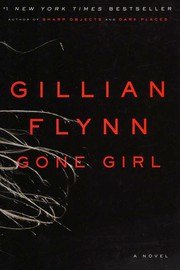
Gone Girl
Gillian Flynn's Gone Girl fully retold: Nick and Amy Dunne, the diary, Desi, the treasure hunt, and why the ending stays ugly.
2,334-word summary · 10 min read
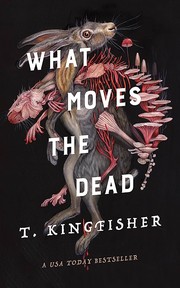
What Moves the Dead
Alex Easton arrives at the Usher house to find Madeline dying, the tarn full of fungus, and the local hares refusing to stay dead.
2,586-word summary · 11 min read

The Only Good Indians
Four Blackfeet men who killed a pregnant elk are hunted by her spirit a decade later, and the only person who can end the cycle is a teenage girl who was not…
2,010-word summary · 9 min read
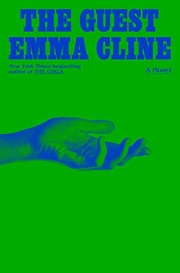
The Guest
Cast out of her wealthy boyfriend's Hamptons house, twenty-two-year-old Alex spends five days talking her way through other people's homes and accounts.
2,165-word summary · 10 min read
The Crying of Lot 49
A California woman named executor of her ex-lover's estate follows a muted post horn into a possible centuries-old postal conspiracy, and Pynchon refuses to…
2,003-word summary · 9 min read

The Beach House
A young valet is beaten to death at a Hamptons party, and his law-student brother spends a year building a case against the family that covered it up.
2,049-word summary · 9 min read