
Reading options
What's inside (8 sections)
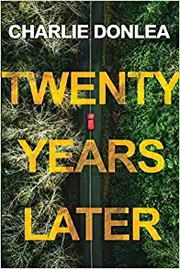
I picked up Twenty Years Later because I wanted a thriller that actually uses its hook instead of wasting it. The hook here is a strong one. Kensington published the book in 2021, a hardcover that runs about 368 pages, and the premise fuses two things that rarely share a cover: the long aftermath of September 11 and a twenty year old murder case with DNA all over it. I expected a gimmick. What I got was a fast procedural about television, memory, and how a single new lab result can crack a story everyone thought was finished.
The setup lands within the first chapters and it is worth stating plainly. New DNA technology lets the New York medical examiner's office make its first successful identification of a 9/11 victim in years. The victim is Victoria Ford. That name matters because Victoria Ford spent the last weeks of her life as the prime suspect in a gruesome murder. Twenty years earlier she had been accused of killing her married lover, a successful novelist found hanging from the balcony of his Catskills mansion. The crime scene was covered in her DNA. Then, days later, Victoria vanished. The date was September 11, 2001. She was in lower Manhattan that morning, and like thousands of others she never came home. With no suspect to charge and no body to bury, the case froze in place. Her younger sister Emma never accepted the official version. For twenty years Emma has tried to clear Victoria's name alone and failed. Now a bone fragment with a name on it gives her one last opening, and she brings it to a woman with a camera crew.
That woman is Avery Mason, host of a true crime show called American Events. Avery does not take the meeting out of kindness. She is chasing a bigger network contract and she needs a story with heat. A murder wrapped inside a 9/11 identification, with sex and betrayal and a grieving sister, is exactly the kind of package that makes executives lean forward. So she says yes, and Donlea follows her as she tears into the file. I liked this choice right away. Avery is not a detective with a badge or a grieving relative with nothing to lose. She is a professional attention merchant. Her motives are mixed from page one, and the book never lets you forget it. Every interview she films is also a negotiation. Every favor she calls in has a price.
A 9/11 identification reopens a closed murder file
The first stretch of the book moves between two clocks. In the present, Avery works the identification story: how the medical examiner's office keeps thousands of unidentified fragments, how new methods coax profiles out of samples that failed years ago, how one phone call to a family member can reopen everything. Donlea keeps this material respectful. The 9/11 sections are not flavor. They shape Emma's grief and they explain why the timing matters. A new identification means new paperwork, new press, and a short window where people who ignored Emma for years suddenly return her calls.
In the past thread, set in the summer of 2001, we meet Victoria Ford as she was: young, restless, working around books and writers, drawn to a famous novelist old enough to know better. The affair is the engine of the old case. He was married. She believed his promises, or told herself she did. The people around them noticed. His wife noticed. His friends noticed. When he was found dead at his Catskills place, hanging from the balcony in a scene staged to disturb, the police saw Victoria's skin and hair and prints everywhere and stopped looking much further. Donlea reconstructs that scene through reports and memory rather than gore. What matters is not the shock but the shape: a hanging that might have been murder dressed as suicide, or suicide dressed to implicate someone, with rope work and room details that never quite sat right with one retired investigator.
That investigator is Walt Jenkins. He worked the original case and he kept boxes. Every cold case procedural needs the veteran with files in a garage, and Walt fills the role without turning into a caricature. He is tired, careful, and annoyed by television people. Avery needs him because he remembers what the reports leave out: which deputy moved what, which witness was coached by a lawyer, which follow up never happened because the towers fell and the whole city, including the police, broke for a while. Their alliance is the spine of the middle of the book. She brings him an audience and a lab budget by proxy. He brings her the one thing ratings cannot buy, which is a memory of the rooms as they were.
Avery Mason and the price of the spotlight
Avery could have been a stock character, the ambitious blonde with a microphone, but Donlea gives her a private ledger that keeps her interesting. She grew up with far less control over her life than her on air polish suggests. Someone from her past knows things about her that she has paid, in money and in choices, to keep buried. As her investigation gets louder, that someone starts pulling strings. Anonymous messages. A source who suddenly goes quiet. A network rival who asks questions that sound researched. Avery begins to realize the Ford case is not the only story being produced. Somebody is producing her.
This is the thread that elevates the book past a standard reopened case plot. Donlea understands television from the inside: the pre interviews, the way producers shape a "reluctant sister" into a heroine, the B roll of Emma walking past the old apartment, the meetings where lawyers explain what can be said on air and what will get everyone sued. Avery is good at this game and slightly ashamed of being good at it, which is a combination I believed. She pushes Emma to cry on camera and hates herself for it. She sits on a fact for a news cycle and tells herself it is strategy. The contract talks run alongside the murder inquiry, and Donlea lets the two pressures contaminate each other. A witness who will talk to a reporter will not talk to the police. A fact that helps the case might hurt the show. Avery chooses, sometimes well and sometimes badly, and the choices cost her.
I should note the criticism that belongs here, because the middle sags a little under this weight. There are stretches where Avery attends a meeting, or takes a call from her agent, or rehashes the contract math, and the murder file sits untouched for thirty pages. One or two of those scenes would establish the pressure. Donlea includes four or five. Readers who came for the Catskills mansion may find themselves checking how many pages until Walt opens another box. The show business satire is sharp, but it repeats its point. Television eats everything, including grief. Understood. Back to the rope.
Victoria and Emma: the sisters at the center
What kept me reading through the slower patches was Emma. She is the moral center without being a saint. Twenty years of being the sister of the accused has made her organized, prickly, and fluent in records requests. She has the phone logs. She has the last call from Victoria, the one where her sister begged her to prove her innocence, preserved in memory if not on tape. She has the list of every journalist who used her and moved on. When Avery arrives with lights and promises, Emma negotiates instead of swooning. Airtime in exchange for access. A public correction if the show gets something wrong. A promise, in writing, that Victoria will not be edited into a femme fatale for sweeps.
The sister relationship is told in fragments: childhood rooms, a mother who coped badly, the way Victoria protected Emma and also embarrassed her, the summer of 2001 when Victoria stopped answering calls for days and then called all at once, talking fast. Donlea does not paint Victoria as an angel. She lied to people she loved. She stayed with a married man who treated her as a secret. She fought with his wife on the phone. She may have gone to the Catskills house that last weekend intending something reckless. But the book insists, through Emma and eventually through evidence, that being messy is not the same as being a killer. That distinction sounds simple. In a case built on DNA transfer and gossip, it is everything.
The 2001 chapters also capture a detail that younger readers may need spelled out and older readers will feel in the chest. On the morning of September 11, Victoria Ford went to work in lower Manhattan, like thousands of young women with new shoes and phone plans and complicated love lives. She did not know she was walking into history. The book never uses her death as a twist. It treats it as a fact that swallowed a case. Detectives were reassigned. Files sat. Witnesses scattered. A suspect who might have been cleared or charged in October 2001 instead became a fragment in a repository, waiting two decades for science to catch up. That is the saddest idea in the novel, and Donlea lets it sit without dressing it up.
The Catskills mansion and Walt Jenkins
The investigation itself follows a classic pattern, executed with care. Avery and Walt rebuild the last weekend at the mansion: who drove up, who claims they did not, what the novelist was writing, who had read the new manuscript, where the money was going. A successful novelist collects dependents the way a porch collects wasps. There was the wife with her own account of the marriage. There were friends from the city who borrowed the house and borrowed money. There was an editor waiting on pages. There were manuscripts that might have been worth something to somebody, or that might have contained something somebody wanted cut. Donlea moves through these interviews with a reporter's patience. Alibis narrow. Timelines tighten. A second look at the balcony photos raises questions about the knots and the anchor point that the original team, rushed and then shattered by September, never resolved.
Walt's boxes provide the best scenes. Old Polaroids. A deputy's sketch with a measurement that contradicts the typed report. A lab slip showing which samples were actually tested in 2001 and which sat because the queue collapsed after the attacks. A note about a car seen on the road that nobody followed up. Donlea is good at this archival texture. He never dumps it. He lets Walt hand Avery one folder at a time, and each folder changes the shape of the weekend slightly. An FBI agent named Sullivan circles the edges of the case in the present, interested less in the old hanging than in what the new attention might disturb. His presence reminds Avery that reopening a file means reopening every file next to it.
The middle of the book also introduces Cameron Young and a few other figures from the novelist's orbit, plus people from Avery's own earlier life who surface at unhelpful moments. I will not map every connection, because untangling them is half the pleasure. What I can say fairly is that Donlea plays fair with the big reframings and slightly less fair with a couple of small ones. The major turn, the one that changes what the DNA means, is properly seeded. A careful reader can spot it two chapters early and feel clever. A smaller turn involving a message and a meeting relies on a character withholding something for reasons that felt thin to me. Thrillers do this constantly. It did not spoil the ride. It just made me raise an eyebrow before turning the page.
How Donlea handles twists and pace
Readers who know Donlea from his earlier thrillers will recognize the machinery. Short chapters. Alternating timelines. A prologue that promises a body and an epilogue that reframes a kindness. The New York Times praised the book's propulsive telling, and that word, for once, fits. Once Avery starts filming, the chapters pull. A typical section ends with a lab result, a returned call, or a car in a driveway that should be empty. I read the last third in one sitting, standing in my kitchen, which is my most reliable review metric.
The 9/11 material could have gone wrong in several directions, and I want to credit Donlea for steering clear of most of them. The attacks are not a backdrop for a sexy murder. They are the reason justice stalled, and the book treats the medical examiner's long identification project with gravity. The scenes about families waiting years for a fragment to come back with a name are handled quietly. Nobody makes a speech. Emma's grief is specific rather than symbolic. She does not represent all families. She represents one sister who could not bury her sibling and could not clear her either, and who learned to live inside that double bind.
Against that strength, two weaknesses deserve plain statement. First, the cast is large and some figures exist only to deliver one fact and vanish. An editor, a neighbor, a lawyer, a producer: they blur. I had to flip back twice to remember which man belonged to which house. Second, the book's view of women sometimes narrows to the virgin versus vamp frame it claims to critique. Victoria is either a scheming mistress or a pure victim depending on who is talking, and while Donlea knows this is a trap, he still spends a lot of pages inside it before springing it. A tighter edit of the middle, maybe forty pages leaner, would have left a stronger novel. As it stands it is a very good commercial thriller with a soft center, not a great one.
The close and who will enjoy it
The final act moves fast and I will keep its specifics light so the reveals keep their sting. What resolves is the meaning of the DNA, the truth about the last phone call, and the identity of the person who has been managing Avery from the shadows. Donlea connects Avery's buried past to the Ford family in a way that reframes her contract chase as something more personal. The last confrontation takes place back in the orbit of the Catskills property, with Walt's old measurements finally doing the work they should have done twenty years earlier. The book answers the questions it owes answers to: how the novelist died, why the scene looked the way it did, what Victoria did and did not do that weekend, and what Emma is owed. A short closing passage gives Emma something the system never gave her, which is a hearing in daylight rather than a rumor in the dark.
Who should read it? Anyone who likes cold case plots with a media angle, in the vein of podcasts and prestige true crime shows, will feel at home. Readers drawn to books where the investigator's own secrets are part of the case will get plenty. Those who want a quiet literary novel about September 11 should look elsewhere. This is a machine for turning pages, and an unusually humane one. I closed it thinking about the repository drawers with their thousands of fragments, and about how many other stories are waiting for a lab to catch up. Then I went back and reread the prologue, which hits differently once you know who is speaking and why. That echo is the mark of a thriller built with care, even when its middle wanders.
If you watch a lot of true crime television, you will recognize Avery's compromises and wince. If you avoid that genre because it feels exploitative, this book might still win you over, because it shares your suspicion. Donlea loves the form and distrusts it at the same time. That tension hums under every filmed interview and every off the record plea. Twenty years is a long time to wait for the truth. The book argues that waiting changes the truth itself, and that the job is not to recover the past clean but to listen to it closely enough to hear what it tried to say.
FAQ
When was Twenty Years Later published?
Kensington published it in 2021. The first US hardcover runs 368 pages and the ISBN is 9781496727169.
Who are the main characters?
Avery Mason, host of American Events, Emma Ford, the sister seeking answers, Victoria Ford, the accused, and Walt Jenkins, the retired investigator.
Is Twenty Years Later part of a series?
No. It stands alone, though Donlea's thrillers share his fast pacing and alternating timeline style.
Similar books

What She Knew
Rachel lets her eight-year-old son run ahead in a Bristol park, and the nine-day search turns her into a suspect in the public eye.
2,952-word summary · 13 min read

Still Missing
A realtor is abducted at a Vancouver Island open house and held for more than a year. Told through therapy sessions, the novel follows her escape and the hunt…
2,466-word summary · 11 min read

The Widow
A widow of a suspected criminal faces reporters and police while hiding what her marriage really cost.
2,599-word summary · 12 min read
The Night Swim
A true crime podcaster covers a rape trial while probing an old drowning in a small town.
2,260-word summary · 10 min read
The Good Lie
A psychiatrist and a grieving lawyer reopen a closed serial killer case in California and find the profile points somewhere painful.
2,964-word summary · 13 min read
The Silent Patient
Alex Michaelides's The Silent Patient retold: Alicia's silence, Theo's obsession, the Alcestis clue, and the final flip.
2,412-word summary · 11 min read
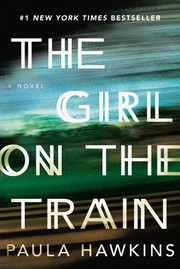
The Girl on the Train
Paula Hawkins's The Girl on the Train retold: Rachel's commute, Jess and Jason, Megan missing, and what really happened that night.
2,391-word summary · 11 min read
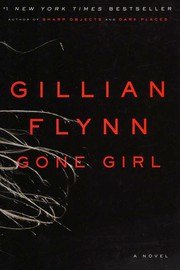
Gone Girl
Gillian Flynn's Gone Girl fully retold: Nick and Amy Dunne, the diary, Desi, the treasure hunt, and why the ending stays ugly.
2,334-word summary · 10 min read
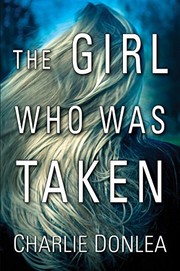
The Girl Who Was Taken
A survivor returns alone while a reporter digs for her lost sister.
2,261-word summary · 10 min read

The Beach House
A young valet is beaten to death at a Hamptons party, and his law-student brother spends a year building a case against the family that covered it up.
2,049-word summary · 9 min read

Six Years
A professor who promised to forget the woman he loved sees her husband's obituary and discovers that the wedding, the marriage, and the woman herself may never…
2,076-word summary · 9 min read

Rules of Prey
Minneapolis detective Lucas Davenport hunts a killer who leaves a new rule at every scene and treats murder as a game of wits.
1,914-word summary · 9 min read

4th of July
Lindsay Boxer shoots two armed teenagers in self-defense, faces a wrongful-death trial, and spends her leave chasing a string of throat-slashing murders in…
2,192-word summary · 10 min read

61 Hours
A bus crash strands Jack Reacher in a snowbound South Dakota town where a drug gang, a corrupt police force, and a single witness are on a collision course.
2,227-word summary · 10 min read

Bad Luck and Trouble
A deposit of $1,030 summons Jack Reacher back to his old army unit, which is being picked off one name at a time.
2,366-word summary · 11 min read

3rd Degree
The third Women's Murder Club novel follows a San Francisco terror cell and a three-day killing schedule, and it costs the club a member.
2,685-word summary · 12 min read

Worth Dying For
Reacher stops for one night in rural Nebraska and finds a family that runs the county, a missing girl and a shipment worth killing for.
2,021-word summary · 9 min read

The Ex
Cassie thinks her new boyfriend's ex is the woman harassing her, but Freida McFadden's thriller keeps rearranging who the ex actually is.
2,103-word summary · 9 min read

Say You're Sorry
A widowed prosecutor defends the teenager accused of killing her babysitter, uncovering a small town's secrets and a killer hiding in plain sight.
2,116-word summary · 9 min read

Echo Burning
Reacher hitches a ride with a Texas woman who wants her abusive husband killed, then has to prove she did not murder him when he comes home.
2,209-word summary · 10 min read
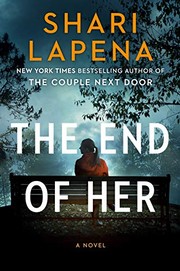
The End of Her
A sleep-deprived mother of twins faces a stranger's accusation that her husband murdered his first wife in Shari Lapena's domestic suspense novel.
2,383-word summary · 11 min read
The Drowning Woman
Living in her car in Seattle, Lee saves a wealthy stranger from drowning. The friendship that follows draws her into abuse, murder, and a plan to disappear.
2,578-word summary · 11 min read

Girl, Forgotten
A rookie US marshal guards a judge with a stalker and ends up reopening the 1982 prom-night murder of the judge's pregnant daughter.
2,111-word summary · 9 min read

The Woods
Twenty years after two teenagers were murdered and two vanished at summer camp, prosecutor Paul Copeland identifies a fresh corpse as one of the missing.
2,490-word summary · 11 min read

The Boy from the Woods
Wilde, found feral in a New Jersey forest in 1986, hunts for a missing teenager while a senator's secrets tear a wealthy town apart.
2,270-word summary · 10 min read
Without Fail
Reacher is asked to test vice presidential security by planning to kill.
2,084-word summary · 9 min read
Things We Do in the Dark
A comedian kills her husband, then a podcaster digs up her teen murder past.
2,427-word summary · 11 min read

The Therapist
A couple moves to a gated street where the previous therapist was murdered in their house.
2,437-word summary · 11 min read
The Racketeer
A jailed lawyer trades a judge murder secret for freedom and revenge.
2,434-word summary · 11 min read
The Last House on Needless Street
A lonely man, a cat and a mysterious neighbor pull you into a house full of buried trauma.
2,627-word summary · 12 min read