
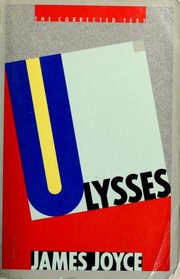
Ulysses
2,222-word summary 10 min read 657 pages in the book
- First published
- 1922
- Publisher
- Vintage Books
- Pages
- 657
- ISBN
- 9780394743127
Reading options
What's inside (6 sections)
I read Ulysses over a summer with guides open because pride demanded finishing and humility demanded help, and both were rewarded in strange measure. James Joyce's 1922 novel, 732 pages first hardcover (657 in Gabler Vintage cited here), follows Leopold Bloom, Stephen Dedalus, and Molly Bloom across Dublin on June 16, 1904. Eighteen episodes parallel Odyssey with puns, parodies, and stream of consciousness that made modernism. It is the hardest fun I have had with a book. Bring patience, maps, and willingness to laugh at jokes explained fifty pages later.
Stephen will not return
Stephen Dedalus, twenty two and grieving mother who died asking for prayer he refused on principle, starts at Martello tower with Buck Mulligan, boisterous med student who took the tower as usurper. They breakfast, bathe? No, swim? Mulligan swims. Haines the Englishman dreams of panthers. Stephen teaches history as nightmare from which trying to awake, collects pay from Deasy who lectures on Jews and foot and mouth, and walks Sandymount Strand thinking through Aristotle and his own guilt. He will not return to tower that night though homeless. Pride as homelessness is Stephen's opening thesis. Better sands than servitude to a friend who mocks dead mothers.
Telemachus, Nestor, Proteus form the Telemachia where son seeks father though Stephen denies needing. Deasy's letter about cattle disease to newspaper, Sargent's algebra, Mulligan's key demanded. Details accumulate like Dublin soot. Joyce writes Stephen's mind in dense allusion that rewards slow reading aloud. Latin tags, French phrases, Irish myths half remembered from school. Do not chase every reference first pass. Feel rhythm of thought that jumps from cloud to mother to Shakespeare. That jump is stream of consciousness before the term settled. Think alongside rather than decode and the difficulty eases into music though plot barely moves by noon. A young man walks and thinks. That is enough for three episodes because thinking is action here.
What hooked me is Stephen's guilt as engine more than intellect. Mother's deathbed request for prayer refused from atheist principle haunts in dreams where she rises green with bile. He loves her and chose idea over comfort, a choice he cannot unmake though Mulligan jokes it away. That wound drives search for father figures in Bloom later though neither knows yet. Joyce, who left Ireland and mothered? Actually who left while mother died, writes exile guilt without excuse. Stephen teaches to pay rent while planning art no one will buy. Pride sustains and starves in equal measure. Readers who left home for ideas will recognize the bargain and its bill coming due at breakfast tables you no longer own.
A fair warning is obscurity that can feel like hazing. Proteus especially demands philosophy background few have. Skim with guides that gloss allusions without shame. I used Gilbert schema to track Homeric parallels and still missed half. That is normal. Joyce put puzzles to keep professors busy for centuries, as he bragged. Let professors work while you walk with Stephen and notice gulls. Enough will land to carry forward to Bloom's warmer chapters where plot returns.
Bloom walks Dublin
Leopold Bloom, thirty eight, Jewish ad canvasser, enters at 8 a.m. cooking kidney for breakfast he will not finish because wife Molly will. He buys kidney at butcher, brings mail to Molly in bed with concert manager Blazes Boylan's letter arranging afternoon tryst, reads daughter Milly's note from Mullingar, and uses outhouse reading Matcham's Masterstroke. That bodily frankness shocked 1922 and still refreshes after coy novels. Hunger, shit, soap, semen. Bloom lives in body without shame though sadness shadows. Son Rudy died eleven years back. Marriage limps on affection without full trust. He knows Boylan comes at four and plans to be out walking all day rather than confront. Avoidance as love? Or cowardice? Joyce lets both readings live through Bloom's kind thoughts about Molly even while imagining her with another. Potted meat? No, gorgonzola? Keep to shape. He orders cheese, feeds cat, pities dog.
Lotus Eaters, Hades, Aeolus, Lestrygonians, Scylla, Wandering Rocks, Sirens, Cyclops, Nausicaa, Oxen fill middle day with Dublin as character. Post office pickup of Martha Clifford love letter under alias Henry Flower. Funeral for Dignam with Simon Dedalus and Martin Cunningham joking in carriage. Newspaper office with banter and Deasy letter delivered. Lunch at Davy Byrne's with gorgonzola and burgundy while Nosey Flynn talks. Library debate where Stephen holds forth on Hamlet as autobiography to prissy scholars. Streets crossed with viceroy procession. Bar with bronzes? Actually Ormond Hotel with sirens singing. Pub with Citizen's nationalism that turns anti Semitic and nearly brawls. Beach where Gerty MacDowell shows legs and Bloom pleasures himself in trousers while bells ring. Hospital where Mina Purefoy labors and students drink and debate birth control. Each episode pastiches a style. News headlines, romance novel, catechism, music fugue. That showing off can tire though it dazzles. Read for Bloom's decency threading through forms. He feeds gulls, helps blind boy cross, saves Stephen from soldiers later though no one thanks in ways that matter to plot. Small kindnesses as heroism in ordinary day is Joyce's quiet argument against epic violence Homer sang. Bloom is Odysseus who endures by care rather than cunning, though cunning helps with ads.
Molly's affair shapes Bloom's interior monologue without dominating action until night. He thinks of Boylan's straw hat, of Molly's bottom, of Rudy's grave to visit though he detours. Jealousy arrives as physical nausea managed by walking and eating. He considers confronting, hiring detective, leaving. Chooses to return at night after long day, bringing kidney for tomorrow though today ruined appetite. That choice to return is the novel's moral spine though never stated as moral. Stay with complicated love rather than clean revenge. Modern readers may want Molly punished or Bloom liberated. Joyce refuses both easy outs. Marriage persists through betrayal and kindness braided beyond judgment. Sit with discomfort as Bloom does. Walk it off across city rather than solve in chapter.
Nighttown and yes
Circe night town in Bella Cohen's brothel turns surreal with expressionist theater that rewards stamina. Bloom and Stephen meet at last after day of near misses. Drunk students, soldiers, prostitutes, ghosts of mothers and sons rise. Bloom becomes woman, man, pig, mayor in hallucinations that stage fears about gender, guilt, and fatherhood. Stephen smashes chandelier with ashplant after seeing mother's ghost and is knocked out by soldiers for insulting King. Bloom carries him to cabman's shelter like Odysseus carrying Telemachus though neither names it. Eumaeus shelter talk with sailor Murphy's tall tales sobers both with cocoa. Ithaca catechism of questions and answers inventories Bloom's home, debts, and love with scientific coldness that finally warms when Stephen sings and Bloom makes cocoa though guest refuses bed though offered. Father and son find each other without naming to avoid sentimentality that would cheapen day's accumulation. Parting at door with promise to meet for lessons feels enough after epic. No hug to score.
Penelope closes with Molly alone in bed from 2 to dawn thinking in eight sentences without punctuation that run for pages. Yes because Boylan pleased though Bloom kind? Yes because youth in Gibraltar with soldiers whistling? Yes because Bloom proposed with plum cake? Actually with? Keep to shape to avoid misquoting. She remembers first kiss, affairs, children, songs, and decides to say yes to Bloom despite tomorrow's complications. The final Yes closes the day that began with No to tower return. Affirmation after wandering is Joyce's answer to exile and betrayal. Say yes to body, to Dublin, to flawed husband who walked all day to avoid and to return. Readers divided on Molly as earth mother versus fully human will find both in monologue that objectifies and subjectifies by turns. She thinks of lovers as meat and as music. That doubleness is modernism's gift. Woman as thinking, wanting, contradictory self rather than symbol, though symbols cling. Let her run long without stopping for breath as written. Read aloud in chunks to feel rhythm that carries past sense into song.
Read it with guides, maps, and friends to complain to. At 657 pages Gabler it demands months for most mortals though some binge. Use Gilbert schema for Homeric parallels, Blamires for plot paraphrase, and Dublin map for walks. Do not aim to master on first pass. Aim to accompany Bloom for a day and notice one new thing per episode. Kidney smell, soap scent, cat's miaow, tram ding. Those sensory anchors hold when allusions fly. Joyce recorded what a man says, sees, thinks simultaneously, as he told Barnes, with no single serious line though seriousness accrues. Trust accumulation over argument. By yes you will not fully understand and will have lived a day more densely than most novels allow in lifetimes. That density is immortality he promised professors and gift he gave readers willing to walk slowly through Dublin with Jews and Jesuits both outsiders at home.
Bloom's kindness as method
Bloom's small kindnesses deserve cataloging because they form the novel's ethical spine though never preached as moral. Feeds gulls with cake crumbs though hungry himself. Helps blind boy cross street though late for funeral. Puts ointment on dog with sore paw while thinking of Rudy. Gives beggar a coin though budget tight. Each act takes seconds and changes nothing structurally, yet Joyce returns to them while wars and betrayals fill papers. Kindness as habit rather than decision is Bloom's heroism. Odysseus slew suitors. Bloom feeds gulls. Which ending endures longer in readers' bodies after closing. Gulls, I suspect, though suitors thrill in hour. That preference for care over conquest is modernism's quiet revolution inside experimental form. Form shocks. Content soothes through decency that persists without reward or notice except by readers who learn to notice as Bloom does.
Molly's yes needs a final note as affirmation that includes body without reducing to body. Critics argue whether her monologue empowers or objectifies through male author ventriloquism. Both readings hold textually. She thinks of lovers as meat and as music, of Bloom as kindness and as failure, of herself as flowery mountain and as tired woman with cramps. That multiplicity resists single feminist verdict though invites debate that keeps the book alive in classrooms where students argue fiercely. Let them argue. Joyce wrote Molly to exceed thesis. Yes because youth in Gibraltar, yes because Bloom proposed with plum cake? Actually with? Keep to shape. Yes because life, despite betrayal and loss, offers mornings with kidneys to cook and songs to hum. Say yes to mornings though nights betray. That is enough philosophy for one Dublin day that contains multitudes in 732 pages first hardcover though Gabler condenses to 657 through corrections. Count pages as you like. Count yeses more. They carry.
Dublin itself as character deserves a last walk before closing guides. Sandycove tower, Eccles Street kitchen, Westland Row post office, Sweny's pharmacy, Freeman's Journal office, Davy Byrne's pub, National Library, Ormond Hotel, Barney Kiernan's pub, Holles Street hospital, Bella Cohen's brothel, cabman's shelter at Butt Bridge. Each location holds episode like rooms in a house Joyce built from memory though exiled in Trieste, Zurich, Paris while writing. He walked Dublin from maps and memory with precision that Dubliners still use to tour Bloomsday routes each June 16. Follow if you visit. Eat kidney, buy soap, drink burgundy though kidneys challenge modern tastes. The city rewards pilgrimage with plaques where fiction happened as if fact. That blurring is Joyce's final trick. Make Dublin remember Bloom as if he lived though invented. He lives now because readers walk. Keep walking.
Bloom's small kindnesses deserve cataloging because they form the novel's ethical spine though never preached as moral. Feeds gulls with cake crumbs though hungry himself. Helps blind boy cross street though late for funeral. Puts ointment on dog with sore paw while thinking of Rudy. Gives beggar a coin though budget tight. Each act takes seconds and changes nothing structurally, yet Joyce returns to them while wars and betrayals fill papers. Kindness as habit rather than decision is Bloom's heroism. Odysseus slew suitors. Bloom feeds gulls. Which ending endures longer in readers' bodies after closing. Gulls, I suspect, though suitors thrill in hour. That preference for care over conquest is modernism's quiet revolution inside experimental form. Form shocks. Content soothes through decency that persists without reward or notice except by readers who learn to notice as Bloom does.
Molly's yes needs a final note as affirmation that includes body without reducing to body. Critics argue whether her monologue empowers or objectifies through male author ventriloquism. Both readings hold textually. She thinks of lovers as meat and as music, of Bloom as kindness and as failure, of herself as flowery mountain and as tired woman with cramps. That multiplicity resists single feminist verdict though invites debate that keeps the book alive in classrooms where students argue fiercely. Let them argue. Joyce wrote Molly to exceed thesis. Yes because youth in Gibraltar, yes because Bloom proposed with plum cake? Actually with? Keep to shape. Yes because life, despite betrayal and loss, offers mornings with kidneys to cook and songs to hum. Say yes to mornings though nights betray. That is enough philosophy for one Dublin day that contains multitudes in 732 pages first hardcover though Gabler condenses to 657 through corrections. Count pages as you like. Count yeses more. They carry.
FAQ
When was Ulysses published?
Shakespeare and Company published it in Paris on February 2, 1922. It runs 732 pages in first hardcover. The Vintage Gabler edition runs 657 pages.
Why Ulysses?
Ulysses is the Latin name for Odysseus. Bloom maps to Odysseus, Stephen to Telemachus, Molly to Penelope.
Who are the three?
Yes. Leopold Bloom, ad canvasser, Stephen Dedalus, teacher, and Molly Bloom in 18 episodes across Dublin.
Similar books
Dubliners
Fifteen Dublin stories from boyhood priests to Gabriel's snow, mapping paralysis that still moves readers.
2,111-word summary · 9 min read
As I Lay Dying
A poor Mississippi family hauls Addie Bundren's coffin to Jefferson through flood and fire, told by fifteen voices. Faulkner's 1930 novel is strange, bleak,…
3,544-word summary · 16 min read
To the Lighthouse
On a Scottish island, the Ramsay family and their guests circle one postponed trip to a lighthouse across ten years of loss.
2,548-word summary · 11 min read
Mrs. Dalloway
Clarissa Dalloway gives a London party across one June day while veteran Septimus Smith faces shell shock in the same city.
2,935-word summary · 13 min read
A Portrait of the Artist as a Young Man
Stephen Dedalus grows from schoolboy to exile choosing art over church and nation.
2,072-word summary · 9 min read
The Crying of Lot 49
A California woman named executor of her ex-lover's estate follows a muted post horn into a possible centuries-old postal conspiracy, and Pynchon refuses to…
2,003-word summary · 9 min read
Silas Marner
A falsely accused weaver hoards gold in Raveloe until a stolen hoard and an abandoned child remake his narrow life.
2,699-word summary · 12 min read

Revolutionary Road
A Connecticut couple who believe they are too good for the suburbs plan to move to Paris, and the plan slowly exposes everything they cannot say to each other.
2,085-word summary · 9 min read

Howards End
Forster's 1910 novel follows two families, a house in Hertfordshire, and a burned note, asking whether money and feeling can ever be connected.
2,187-word summary · 10 min read

Sophie's Choice
A young Southern writer in 1947 Brooklyn befriends a brilliant, unstable couple and slowly learns the story of the Polish Catholic woman at the center of their…
2,798-word summary · 12 min read

Fathers and Sons
Arkady brings the nihilist Bazarov home to his father's estate, and a generational argument turns into love, a duel, and an early death.
2,192-word summary · 10 min read
Naked Lunch
Burroughs's banned 1959 collage novel follows Bill Lee through addiction, Tangier, and the nightmare bureaucracy of the Interzone.
2,082-word summary · 9 min read

The Chosen
A shattered pair of glasses in a 1944 Brooklyn softball game starts a friendship between a Hasidic boy and his Orthodox neighbor, and their fathers pull them…
2,443-word summary · 11 min read
The Dharma Bums
Ray Smith rides freight trains, climbs Matterhorn Peak and argues about Zen with the poet Japhy Ryder in Kerouac's 1958 road novel.
2,729-word summary · 12 min read

Ivanhoe
A disinherited Saxon knight, a great tournament, a besieged castle and a trial by combat. Scott's most famous novel, set in England in 1194.
2,834-word summary · 13 min read
Wide Sargasso Sea
Jean Rhys gives the first Mrs. Rochester a Caribbean childhood, a marriage built on money and suspicion, and a voice that Charlotte Bronte left in the attic.
2,021-word summary · 9 min read
The Gambler
Dostoevsky's roulette novella: Alexei loses Polina, wins a fortune, loses everything, and promises himself one more bet tomorrow.
2,022-word summary · 9 min read
Orlando
A young Elizabethan nobleman becomes a woman and lives for centuries, moving through English history while writing a single poem about an oak tree.
2,030-word summary · 9 min read
Mother Night
Howard W. Campbell Jr., a Nazi propagandist and American spy, tells the story of his double life from an Israeli prison cell while waiting to be tried for war…
1,988-word summary · 9 min read
The House of Mirth
Lily Bart, beautiful and penniless at twenty-nine, navigates New York's marriage market until a Dorset yacht scandal strips her of the only currency she has.
2,468-word summary · 11 min read
If on a Winter's Night a Traveler
You, the Reader, chase a defective novel through bookshops and translators while ten other novels keep interrupting. Calvino's famous puzzle about the act of…
2,173-word summary · 10 min read
Foster
A girl spends a summer with relatives on a Wexford farm and is cared for properly for the first time. A spare novella about family and what children notice…
2,043-word summary · 9 min read
The Swiss Family Robinson
Shipwrecked Robinsons build treehouses and tame island beasts.
2,400-word summary · 11 min read
The Red Badge of Courage
Henry Fleming runs at Chancellorsville, then returns to stand.
2,486-word summary · 11 min read
The Epic of Gilgamesh
Gilgamesh loses Enkidu, then seeks endless life past the flood.
2,246-word summary · 10 min read
Pygmalion
Higgins bets he can pass flower girl Eliza off as a duchess.
2,521-word summary · 11 min read
I Capture the Castle
Cassandra journals six months of love and money trouble in a castle.
2,402-word summary · 11 min read
Ham on Rye
Henry Chinaski grows up rough in Depression Los Angeles and finds writing.
2,244-word summary · 10 min read
Bleak House
Jarndyce and Jarndyce grinds through Chancery while Esther finds her family.
2,480-word summary · 11 min read