
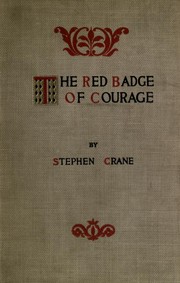
The Red Badge of Courage
2,486-word summary 11 min read 344 pages in the book
- First published
- 1895
- Publisher
- D. Appleton and Company
- Pages
- 344
- ISBN
- 9780393095432
Reading options
What's inside (8 sections)
I came to this book expecting a dull school assignment and found something stranger and more alive. A friend who teaches American literature told me to read it fast, like a war movie, and to pay attention to color. That advice helped. The copy I had in mind while writing this is the famous first edition story, published in 1895 by D. Appleton and Company, the short novel that made Stephen Crane famous before he turned twenty-four. The Norton Critical edition I checked runs 344 pages with essays and backgrounds, but the novel itself is brief, barely longer than a long afternoon. It follows a young Union private named Henry Fleming through fear and flight and a return to the line, and it never pretends war is glorious for long.
Henry is a farm boy who enlists with the 304th New York, dreaming of grand charges he read about in newspapers and schoolbooks. He imagines himself brave in advance, the way young people do. His mother does not encourage the romance. She tells him to keep quiet and do what he is told, to take care of himself, to send back shirts with holes so she can mend them, to avoid bad company that will teach him to drink and swear, and to never shirk because many women have to bear hard things. She gives him blackberry jam and practical love. Henry is impatient with her speech and enlists anyway. He learns quickly that camp life is mostly waiting, marching in mud, rumors, and boredom that sharpens fear.
Camp, Rumors, and Fear
The first chapters sit in camp, and Crane writes waiting better than almost anyone. The regiment hears it will move tomorrow, then next week, then now. A tall soldier named Jim Conklin washes a shirt and comes back swearing he heard the real news from a reliable friend who heard it from a cavalryman who heard it from headquarters. Men argue in small groups between squat huts. A teamster dances on a cracker box until the argument steals his audience. Smoke drifts from chimneys. Henry listens and feels his courage leak out.
Henry worries he will run. That is the whole engine. He asks Jim and the loud soldier, Wilson, whether they think they might run. Jim says he will do what the other men do. Wilson blusters. Henry feels alone in his doubt and also convinced his doubt proves he is honest. He wants a battle to test himself and dreads the test. He imagines dead heroes and wonders if he has that in him. Around him, officers ride past, generals point at maps, and the army feels huge and careless with single lives.
What struck me here is how modern Henry sounds inside. Crane stays close to his thoughts, which swing between excuses and ideals. Henry tells himself running would be natural, then tells himself heroes do not run, then tells himself heroes are fools for dying for nothing. He watches the river at night turn black and the enemy campfires glow red on distant hills, and he feels small. I liked that Crane never gives Henry a noble speech to settle it. He gives him weather, mud, rumors, and other boys just as scared.
A fair criticism for this stretch is pace. If you want action on page ten, you will be bored. Crane spends a long time on camp talk. The dialect is thick, mothers and soldiers saying yer and yeh and hull lot, and it can slow you down. I found it worth it because the boredom is the point. Armies wait, fear grows in waiting, and Henry has too much time to imagine every way he might fail.
First Fire and Flight
When the regiment finally marches and digs in at the tree line, Henry feels like a cog that finally fits. The enemy comes through the trees in gray, and Henry fires with the line. He loads and shoots and shouts, deafened and half blind with smoke. The first attack breaks. Men laugh and congratulate each other. Henry feels relief so strong it feels like joy. He thinks perhaps he is brave after all.
Then a second charge comes, harder, and the line bends. Men near Henry start to leave, then more, then a crowd. Henry drops his rifle and runs. He does not decide in a noble way. Panic fills him and he goes with a mob of blue uniforms back through the woods. While he runs he tells himself he was right to run, that staying would have been suicide, that generals are fools and the men who stayed are fools. He reasons with himself the way frightened people do, building a case after the act.
I found this sequence painful and convincing. Crane does not let Henry keep dignity. He runs with others, throws away his weapon, worries about being seen. He hides behind trees. He watches the battle from a safe ridge like a spectator and feels both shame and relief. He wishes for a wound, what he calls a red badge of courage, something visible that would explain his absence and prove he was hit instead of scared. That phrase is the heart of the book. A wound as excuse, as proof, as manhood made visible.
My complaint here is not the running but the repetition. Henry circles the same justifications for pages. I understand why, shame loops, but after the third loop I wanted him to meet someone or see something instead of thinking in circles. Crane knows this too, because he finally gives Henry company, and the book sharpens the moment Henry stops thinking alone and starts walking with wounded men.
The Wounded and the Dead
Henry joins a procession of wounded soldiers moving to the rear. It is one of the best passages in American fiction, in my view, and it earns the book's reputation. A tattered man with a head wound talks to Henry and asks where he is hit. Henry has no wound. He slips away, guilty. He sees a ghostlike soldier, pale and strange, who refuses help and walks with an odd dignity. He realizes, slowly, that this is Jim Conklin, the tall soldier who washed his shirt and promised to do what the men do.
Jim is dying. He was shot in the side and can barely stand. Wilson, the loud soldier turned gentle, tries to help him. Jim refuses much help and walks into a field, then falls. He dies in a way that is both ordinary and terrible, body shaking, then still. Henry watches and feels horror and also envy, because Jim has a visible wound and Henry does not. The tattered man keeps asking questions Henry cannot answer and later dies himself, unnoticed. Henry leaves them.
This stretch corrected my image of Crane as cold. He is merciless about Henry's selfishness but tender about the dying. He notices hands, faces, the way men carry blankets, the way blood dries. He uses color constantly, blue uniforms, gray smoke, red sun, yellow light, and it never feels decorative. It feels like how a scared boy would see, in flashes. If you read only one section closely, read this one.
One thing to know is that Crane never served in the Civil War. He was born in 1871, after it ended. He imagined Chancellorsville from interviews, photographs, histories, and his own time watching soldiers and street life. Some veterans praised the book as true. Some complained about details. Both can be right. The psychology feels researched from life, the tactics are vague on purpose. Crane rarely names generals or maps. He keeps the view at Henry's eye level, which means confusion. If you want clear strategy, read history. If you want what confusion felt like, read Crane.
A Blow, Not a Badge
Ashamed and exhausted, Henry wanders in the woods with other stragglers. He hears a fight ahead and rushes toward it, hoping to rejoin something. He meets a column of retreating infantry and asks one man questions the man does not want. The man swings his rifle in anger and hits Henry on the head. Henry goes down with a bleeding scalp wound. Kind strangers, including Wilson, find him and lead him back to his regiment. His wound looks like a battle graze. No one knows it came from a fellow Union soldier in panic, not from the enemy.
Henry lets them believe it is honorable. That lie sits at the center of the book and Crane does not excuse it. Henry feels relief first, then a new fear of being found out, then a strange growth of confidence because the men treat him as wounded and brave. Wilson, changed by his own terror, becomes gentle and capable, tending Henry without boasting. The two boys share a bond that replaces their earlier rivalry. Henry keeps his secret and hates himself and also stands taller.
I had to pause here because it complicates sympathy. Henry is not a hero learning clean lessons. He is a boy who ran, lied by omission, and got comfort he did not earn. Crane lets that stand without a sermon. Some readers will dislike Henry from here on. I disliked him and still wanted him to do better, which may be exactly the effect Crane wanted. Courage, in this book, is not a medal state. It is behavior under pressure, mixed with luck and lies and other people's kindness.
A note on style. Crane's sentences can be odd, inverted, full of color words and religious images. Men become machines, beasts, dragons. Guns bark. Flags wave like angry spirits. Nature is indifferent, the sun glaring, the forest whispering. If you like plain prose, this will feel overwritten in spots. I came to like it because fear makes perception overwritten. Henry sees too much and understands too little, and the prose matches that.
Colors and the Flag
The next morning Henry and Wilson return to the line as changed men, at least for now. Wilson, once loud, is quiet and asks Henry for the packet of letters he gave Henry when he feared death. Henry returns it, and Wilson's embarrassment makes Henry feel strong. The regiment, the 304th, is sent forward again through noise and smoke that Crane writes as a wall. Henry fights with a new frenzy, firing even after the enemy falls back, acting from anger as much as duty. Officers notice. Men call him and Wilson war devils.
The flag becomes the focus, as it should. In Civil War battle, the regimental colors mark where the unit stands. Losing them means disgrace. When the color bearer falls, Henry grabs the flag. Later, in a charge, Henry and Wilson together seize and carry the colors forward while men drop around them. Henry runs toward the enemy with the flag, shouting, half mad, and the regiment follows. They take a position, capture prisoners, and hear generals praise the regiment's bravery. Henry feels pride so large it scares him.
These are the most cinematic chapters, and Crane earns them by holding back earlier. The charges are loud, confused, brave, and senseless all at once. Men trip, officers swear, smoke blinds, orders arrive late. Henry does not think about manhood now. He acts. Whether that is growth or just battle frenzy is left open, and I liked the openness. Crane does not give us a trumpet moment where Henry becomes a man. He gives us noise and momentum and then quiet after, with Henry still unsure what he proved.
My criticism is that the officers stay cartoons. One is profane and insulting, calling the regiment mule drivers and mud diggers, then later praising them. Crane uses him to motivate Henry's anger, which works dramatically but feels simple after the careful psychology of Henry and Wilson. The enemy also stays faceless, gray shapes in trees. That is intentional, war as faceless pressure, but readers who want human connection across lines will not find it here.
What Courage Costs
The book ends without a parade. Henry marches with his regiment, tired, dirty, alive. He thinks back on his run, his lie about the wound, the dead boys, the flag charge, and feels both pride and shame. He imagines his past faults as small and far away, then admits they are not. He feels a quiet sense that he can face the future, not because he is now fearless but because he knows fear and kept going anyway. The last images are of a blue sky and sunlight after smoke, and Henry feeling a kind of peace that may or may not last.
That ambiguity frustrates many readers, and I want to be fair about it. If you want clear redemption, Crane will disappoint you. Henry never confesses the head wound lie. He never earns forgiveness from Jim or the tattered man. He is praised for bravery that includes accident and anger. Is that honest or cynical? I read it as honest. Most people live with mixed motives. Henry ran from fear, returned from shame and chance, fought from rage and loyalty, and survived. Crane calls that enough to start manhood, not to complete it.
It helps to know the context. Crane published the novel in 1895, thirty years after Chancellorsville, in a country full of romantic war stories. He wrote against that romance without preaching pacifism. He showed boys who wanted glory learning that battle is work, terror, and luck. Veterans argued about it precisely because it hit a nerve. President level readers praised it. Young writers copied the color method. The book saw many printings in its first year. Crane died young in 1900, only twenty-eight, and never wrote another novel quite like it.
I closed my edition thinking about how short the actual novel is and how large it feels. The wandering middle, where Henry walks with wounded men and watches Jim die, carries more weight than many longer war novels. The camp opening teaches you to wait with soldiers. The flag chapters teach you how momentum can look like courage. The ending teaches you that a red badge, real or accidental, does not settle who you are. What settles it is what you do after you get it.
Read it if you like tight psychological fiction, Civil War history from the ground level, or books about fear that do not flatter the reader. Skip the urge to judge Henry quickly. He is callow at the start, selfish in the middle, brave and still selfish at the end, which is to say human. Give the dialect time. Give the color time. The blue and gray and red will start to make sense, and by the time Henry takes the flag, you will understand why a boy who once wanted a wound to excuse him finally runs forward to earn something he can carry.
FAQ
Did Stephen Crane fight in the Civil War?
No. Crane was born in 1871, after the Civil War ended. He based the Chancellorsville setting on interviews, histories, photographs, and his own reporting eye.
Is this a good first Civil War novel to read?
Yes. It follows Henry Fleming of the 304th New York from camp fear through flight, a head wound, and carrying the colors. The prose uses heavy color imagery and stays at ground level with no clear strategy maps.
Similar books

Sophie's Choice
A young Southern writer in 1947 Brooklyn befriends a brilliant, unstable couple and slowly learns the story of the Polish Catholic woman at the center of their…
2,798-word summary · 12 min read
The Last of the Mohicans
During the French and Indian War, Hawkeye and two Mohican warriors try to save two British sisters from a Huron chief whose revenge will end the Mohican line.
2,017-word summary · 9 min read

Doctor Zhivago
A doctor and poet lives through revolution, war, and love in Pasternak's novel of private life under the pressure of Russian history.
2,213-word summary · 10 min read
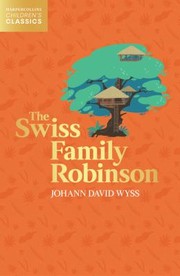
The Swiss Family Robinson
Shipwrecked Robinsons build treehouses and tame island beasts.
2,400-word summary · 11 min read
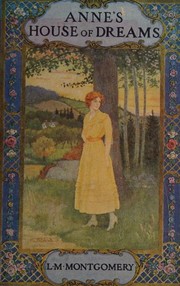
Anne's House of Dreams
Newlyweds Anne and Gilbert start in a seaside house with kind neighbors.
2,465-word summary · 11 min read
Shogun
An English pilot wrecked in 1600 Japan becomes a pawn in Lord Toranaga's patient bid for power, and slowly becomes Japanese himself.
2,251-word summary · 10 min read
The Things They Carried
Alpha Company humps through Vietnam carrying rifles, letters, and guilt. O'Brien's linked 1990 collection asks what a true war story really tells.
2,877-word summary · 13 min read
For Whom the Bell Tolls
An American dynamiter joins Spanish guerrillas for three days to blow a mountain bridge, finding love and doomed courage.
2,286-word summary · 10 min read
War and Peace
Pierre, Natasha, and Andrei search for meaning amid the Napoleonic wars.
2,536-word summary · 11 min read
A Farewell to Arms
Frederic loves Catherine in Italy until desertion leads to Switzerland and stillbirth.
2,502-word summary · 11 min read
All Quiet on the Western Front
Paul Bäumer enlists at nineteen and faces the trenches of World War I in Remarque's 1929 classic, told from the German side of the wire.
2,543-word summary · 11 min read
The Orphan's Tale
A Dutch teenager rescues a Jewish baby from a death train and joins a German circus, where a Jewish aerialist teaches her to fly.
2,943-word summary · 13 min read

The Long Winter
Dakota Territory, 1880: seven months of blizzards cut a town off from the railroad, and a family survives on twisted hay, ground wheat, and a dangerous wheat…
2,210-word summary · 10 min read
Take My Hand
In 1973 Montgomery, a young nurse discovers that two sisters were sterilized without consent, and spends the rest of her life living with what she could not…
2,126-word summary · 9 min read

Little Town on the Prairie
In the spring after the Long Winter, fifteen-year-old Laura sews shirts, studies for a teaching certificate, and helps send her blind sister Mary to college.
2,071-word summary · 9 min read
The Agony and the Ecstasy
Irving Stone turns Michelangelo's seventy years of carving, painting, and arguing with popes into a novel about the cost of making something that outlives you.
2,260-word summary · 10 min read
A Long Walk to Water
Two eleven-year-olds in southern Sudan, twenty-three years apart: a Dinka boy fleeing war and a Nuer girl walking hours for water, until their stories meet at…
2,217-word summary · 10 min read

Ivanhoe
A disinherited Saxon knight, a great tournament, a besieged castle and a trial by combat. Scott's most famous novel, set in England in 1194.
2,834-word summary · 13 min read

Wide Sargasso Sea
Jean Rhys gives the first Mrs. Rochester a Caribbean childhood, a marriage built on money and suspicion, and a voice that Charlotte Bronte left in the attic.
2,021-word summary · 9 min read
The Silence of the Girls
Briseis, queen of Lyrnessus, is captured by Achilles and narrates the Trojan War from inside the Greek camp, where women are prizes and survival is its own…
2,098-word summary · 9 min read
Mother Night
Howard W. Campbell Jr., a Nazi propagandist and American spy, tells the story of his double life from an Israeli prison cell while waiting to be tried for war…
1,988-word summary · 9 min read
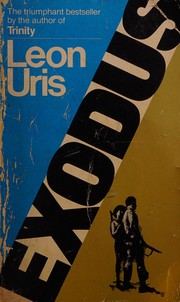
Exodus
Leon Uris's sweeping 1958 novel follows Jewish refugees, Haganah fighters, and Holocaust survivors from Cyprus to the founding of Israel and the 1948 war.
2,529-word summary · 11 min read
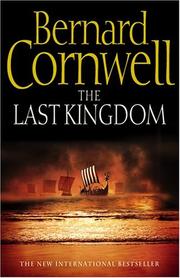
The Last Kingdom
Kidnapped by Danish raiders as a boy and raised in their halls, Uhtred of Bebbanburg must choose what he is when the fight for England begins.
1,997-word summary · 9 min read
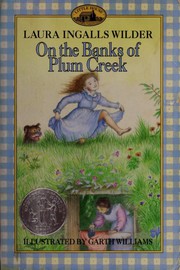
On the Banks of Plum Creek
The Ingalls family trades their horses for a dugout on Plum Creek and bets a single wheat harvest on a house above ground, in Wilder's fourth Little House book.
2,090-word summary · 9 min read
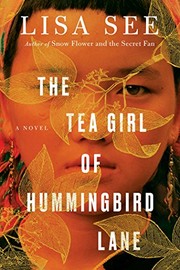
The Tea Girl of Hummingbird Lane
A Chinese tea farming mother gives up a daughter who later seeks roots.
2,607-word summary · 12 min read
The Epic of Gilgamesh
Gilgamesh loses Enkidu, then seeks endless life past the flood.
2,246-word summary · 10 min read
Pygmalion
Higgins bets he can pass flower girl Eliza off as a duchess.
2,521-word summary · 11 min read
News of the World
Captain Kidd carries captive Johanna home across 1870 Texas.
2,571-word summary · 11 min read
Let the Great World Spin
A wire walker crosses the towers as Bronx lives collide below.
2,338-word summary · 10 min read