
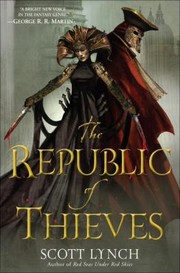
The Republic of Thieves
2,433-word summary 11 min read 650 pages in the book
- First published
- 2013
- Publisher
- Del Rey Books
- Pages
- 650
- ISBN
- 9780553804690
- Series
- Gentleman Bastard (#3)
Reading options
What's inside (7 sections)
I waited to read The Republic of Thieves till I had time, because 650 pages of Locke Lamora needs attention. First published in 2013 by Del Rey Books at 650 pages in hardcover, it is book three in the Gentleman Bastard series, after The Lies of Locke Lamora and Red Seas Under Red Skies. Locke is dying, Jean is desperate, and the Bondsmagi offer a deal. Rig elections in Karthain and live. The catch is Sabetha, Locke's lost love, works the other side. I loved the banter and flashbacks, even when the election plot meandered.
Locke and Jean open broken. End of book two left Locke poisoned and fading. Jean drags him from physiker to physiker, kidnaps one, fights off thieves angry about the kidnapping. No one can save him. Then Patience, a Bondsmagus, appears after a beating and offers healing for service. Her faction wants Locke and Jean to rig council elections in Karthain for the Deep Roots party. Pay is money and life. Locke agrees because dying hurts and Jean asks. They sail while Bondsmagi heal him in a draining ritual where he sees dead Bug with black eyes warning. He wakes alive and starving while mages sag. Already the cost shows.
Karthain is a city of towers and votes, where mages pull strings and parties named Deep Roots and Black Iris fight with speeches and bribes. Locke and Jean are to run the Deep Roots campaign with tricks, plays, forgeries, and street theater. Sabetha runs Black Iris. She has been there days, settled, brilliant. Locke has loved her since childhood and has not seen her in years. Jean has heard stories and braces. Their reunion is not romantic at first. It is professional and hurt. Two crews who know each other's moves because they learned together.
Flashbacks carry half the book. Young Locke meets Sabetha under the Thiefmaker, then under Father Chains. She is tasked to guide him, sharp, angry, better at acting. He falls fast, stays up watching for her. She drowns, or so he hears. Later they train together in the Gentleman Bastards, learning cons, theater, fighting, languages. Father Chains stages plays where orphans learn to lie beautifully. Locke and Sabetha play lovers on stage and off, then clash over pride and plans. She leaves before the first book's events. These chapters are my favorite. Kids stealing, rehearsing, jealous, loyal. You see why Locke never got over her. She was his equal who chose to go.
Election games
Present day election work is pranks and plots. Locke and Sabetha trick each other onto boats, strand each other on journeys, steal props, bribe officials, stage debates. One sequence where Locke wakes on a luxury barge after Sabetha drugs him, then escapes by cutting a small boat, made me laugh and worry. Jean plays peacemaker and muscle, cooking, planning, shielding Locke when fever returns. He is still fragile after healing. Magic saved but did not restore fully. He tires, coughs, needs food. That frailty grounds the capers. He cannot bluff through pain forever.
Patience explains more than comforts. Locke may be an old Bondsmagus reborn into a child, costing a plague in past books. Sabetha learns this too and leaves at the end, needing space. The election ends 10 to 9 for Black Iris, then Locke flips a member to neutral, making 9 to 9 to 1. No clean win. Both sides claim showmanship. The mages got their theater. Locke, Jean and Sabetha escape Karthain alive, which was the real job. Patience tells Locke she will not confirm who he was. Sabetha vanishes after learning, telling Locke through distance she needs time. He says he will respect it and only follow if she wishes. That restraint shows growth. Old Locke would chase. This Locke, tired and grateful, waits.
The epilogue follows the Falconer regaining power and killing his mother Patience. It is cold and sets future books. After so much theater, real cruelty lands hard. Magic here costs bodies and kin, not just money. I felt the turn. Games end, knives come out.
What shines is voice. Locke narrates with wit, curses, literary jokes, and fear underneath. Jean is steady, huge, gentle, cooking stews while planning cons, loving Locke like a brother and mourning his limits. Sabetha finally gets pages and earns them. She is not a prize. She is better than Locke at many cons, angrier about being used as muse, clear about boundaries. Their love feels young and unfinished, which fits people raised to lie. They are great at roles, bad at plain talk. The book knows and lets them fail at honesty while succeeding at jobs.
Worldbuilding stays rich. Karthain's elections with mages, parties, canvassers, fraud. Bondsmagi factions with names and grudges. Theater as con school. Food, clothes, slang. Lynch loves detail and spends pages on a play within a con. Some readers will find it long at 650 pages. I did in the middle, when pranks repeated and polls barely moved. About a hundred pages could tighten. But flashbacks kept me going. Young Bastards learning to cry on cue hurt more than any ballot.
Content is adult. Language strong, violence, death, sex references but not explicit for long. Torture and plague mentioned. Good for fantasy readers who like Locke's crew, not for newcomers. Start with Lies of Locke Lamora. Republic assumes you know Bug's death, the plague, the Bondsmagi. New readers will drown in names.
Who should read it
Read it if you love clever fantasy with heart, like Name of the Wind banter but with thieves, or Mistborn cons with more jokes. Read it for Locke and Jean friendship, which remains one of fantasy's best. Jean carrying Locke, literally and emotionally, through 650 pages moved me more than romance. He cooks, he plans, he forgives Locke's obsession without excusing.
Skip it if you need tight elections or fast pace. This is not a political thriller. It is a love story and a school reunion with ballots as backdrop. Skip if Sabetha as rival frustrates. She wins rounds and leaves. That is the point, but some will want more closure.
For me, the image that stays is kids rehearsing a play in a basement, Sabetha correcting Locke's stance, Father Chains watching with pride and worry. Then cut to adults rigging a city vote with same tricks, tired, scarred, still reaching for each other across a stage. They learned to lie together before they learned to love plainly. The book lets them try plainness at the end and fail kindly. Locke waits. Sabetha goes. Jean stays. That triangle of loyalty, not love alone, held 650 pages for me. I closed wanting the next book, Thorn of Emberlain, even knowing waits are long. Locke lives, for now, because friends and enemies both decided he should. That borrowed time feels precious and fragile, which is exactly how Lynch wants it.
Father Chains and learning to lie
I want to say more about Father Chains, because his school shapes everything. He takes orphans, gives them names, feeds them well, teaches them to steal, act, fight, read, pray to a crooked god. Lessons happen through plays. Kids learn lines, cues, makeup, timing, then use same skills on marks. Sabetha excels at acting, Locke at improvising, Jean at steadiness, Calo and Galdo at doubling. Chains watches like a proud, worried father, knowing he makes weapons of children to fight a cruel city. He loves them and uses them. That mix defines Gentleman Bastards. Love and use together.
One flashback I loved was casting for a play where Locke wants the lead to impress Sabetha and gets a small role instead. He sulks, then steals the show with a servant's aside because he cannot help performing. Sabetha scolds him for breaking ensemble, then laughs because it worked. Chains tells them both they are right. Stars need servants, servants need stars. Team matters more than shine. That lesson returns in Karthain when Locke wants solo heroics and Jean insists on plan and backup. Growing up means trusting crew over flash. Locke learns slowly. Sabetha learned earlier, which is why she leaves groups that need her to be less.
Training fights also matter. Jean, big even as a boy, learns to lose gracefully to teach smaller kids, then to win when needed. Locke learns to take hits and fall funny. Sabetha learns knives and poisons but prefers words. They practice cons on merchants, priests, guards, learning tells. Who looks away when lying. Who touches coins. Those details pay off in election cons where they read voters and officials the same way. Lynch shows work. Cons are not magic. They are rehearsal, observation, and courage to go on stage when plans wobble.
Chains himself carries grief. A priest of a thief god, once a soldier, now raising kids to die young in a city that eats poor. He drinks, jokes, prays, hides fear. When he sends them on jobs knowing risks, he blesses and counts. His death before book one haunts all three books. Locke still hears his voice when planning. Sabetha still measures men against his kindness and manipulation. Jean still cooks his recipes. Fathers, even crooked ones, shape. The book honors that without excusing using kids. It asks if love can exist inside exploitation. I think it says yes, damaged, real, insufficient, still love.
Karthain and the Bondsmagi
Karthain as a city deserves more attention. Towers of glass and stone, bridges, canals, voting halls, theaters, markets selling masks for election parties. Bondsmagi, mages who trade names and power, watch from above, bored and cruel. They split into factions, Patience versus others, using elections as games to settle scores without open war. Deep Roots versus Black Iris sound like garden clubs but hire thugs and poison. Citizens vote while mages bet. That cynicism about democracy stung. Campaigns as theater where money and magic decide, voters as audience. Lynch wrote this before recent elections made it feel too real, but it reads now as warning. Show matters more than truth when both sides stage.
Patience herself fascinates. Old, polite, terrifying. She heals Locke by draining her peers, then bills him with service. She explains his possible past as an ancient mage reborn, causing plague, without confirming. Knowledge as leash. She tells Sabetha too, knowing it will split lovers. She kills her son the Falconer in the epilogue after he regains power, or he kills her, depending how you read the cold final pages. Family among mages is power, not comfort. I felt chill. Locke deals with devils who smile and pay. He accepts because Jean begs him to live. That debt drives the book. Life bought with rigging. Is it worth. Jean thinks yes. Locke doubts, then works to earn the price by protecting Jean and respecting Sabetha's no.
The election mechanics themselves are deliberately silly. Canvassing with songs, debates with hecklers, bribing with food, stealing ballot boxes, staging scandals with actors. Locke and Sabetha know each other's playbooks, so they escalate to childish pranks. Locking each other on boats, swapping costumes, forging love letters from candidates. It is fun and a little long. About a hundred pages in the middle could cut one prank cycle. But the silliness serves theme. When masters play, servants perform. Both crews know they are entertainment for mages. They play hard to survive, not to win democracy. That awareness keeps farce from feeling empty. They wink at readers. We know this is show. So do they.
Jean's role in Karthain steadies. He cooks for both crews at a truce dinner, huge man gentle with spices, feeding enemies because hungry people talk. He guards Locke's sleep, carries him when fever spikes, negotiates with Patience when Locke rages. He loves Sabetha like a sister and tells Locke to listen when she says stop. His loyalty is not blind. He calls Locke selfish about Sabetha, risking the job for romance. That honesty saves them. Friendship here means telling truth when flattery would be easier. I admired Jean more each book. He grows from muscle to moral center without losing humor. His grief for Bug, dead in book one, still surfaces when he sees young thieves. He feeds them. He cannot save all, but tries.
Love and leaving
Locke and Sabetha's love story will divide readers, and that is intentional. They met as kids, loved through plays, split over pride and fear. She left to be her own person, not Locke's girl. He mythologized her absence into perfection. Reunion proves she is real, tired, angry, brilliant, done being muse. She beats him fairly in cons, then asks for space after learning his possible past. He agrees to wait only if she wishes him to follow. That conditional respect is growth. Old Locke would chase and ruin. New Locke, dying and healed, listens.
I found their final parting sad and right. No kiss to fix years. Just tired people admitting timing and wounds block. Sabetha does not owe Locke her presence because he loves her. Locke does not owe her pursuit because she left. They owe honesty, which they finally give about fear. She fears being consumed by his need. He fears being unlovable without performance. Naming those fears out loud, in plain words not roles, is the bravest con they run. It fails to keep them together, but succeeds as maturity. Love does not always mean stay. Sometimes it means let go kindly.
The book's length at 650 pages tests patience, but rewards with depth. Flashbacks could be a separate novella, yet they balance present pranks with past pain. If Lynch had cut them, election would feel empty. With them, every trick echoes a lesson from Chains. A forged letter recalls a rehearsal. A boat escape recalls a childhood dare. Past and present braid. That braiding is the Republic's real subject. How kids raised to lie become adults trying to tell truth to each other and failing gracefully. I closed feeling they might one day succeed, after more books and losses. Hope, not promise. Enough to keep reading.
For newcomers, do not start here. Start with Lies, then Red Seas. You need Bug's death, the plague, the Bondsmagi's names. Otherwise Karthain confuses. For fans, Republic gives Sabetha at last, flawed and full, worth the wait even when election drags. At 650 pages it is the longest yet and the most tender about friendship. Locke lives because Jean refused to let go and Sabetha refused to be owned. Both loves, brotherly and romantic, save in different ways. That double rescue stayed with me longer than any ballot count.
FAQ
When was The Republic of Thieves published?
It was first published in 2013 by Del Rey Books at 650 pages. It is book three in the Gentleman Bastard series.
What is the setup?
Locke is dying after book two. The Bondsmagi heal him if he and Jean rig elections in Karthain against Sabetha.
Similar books
More from Gentleman Bastard first, then related titles.
The Lies of Locke Lamora
Locke Lamora leads con artists in Camorr until a rival boss and a deadly coup force a fight for survival.
2,854-word summary · 13 min read

Red Seas Under Red Skies
Locke and Jean flee to Tal Verrar for Sinspire job and pirate press.
2,106-word summary · 9 min read
The Thief
A boastful young thief is pulled from a prison to steal a legendary stone for the king's magus, and the story he tells about himself is not the whole story.
2,514-word summary · 11 min read
Grip of the Shadow Plague
A plague turns Fablehaven's creatures of light into shadows while Kendra hunts an artifact in Arizona and Seth races to find the cause.
2,131-word summary · 9 min read
The Battle for Skandia
Will and Evanlyn are still hiding in the Skandian mountains when Halt and Horace arrive with word of a Temujai invasion that could roll on to Araluen next.
2,248-word summary · 10 min read
His Majesty's Dragon
When Captain Will Laurence's crew captures a French frigate carrying a dragon egg, the hatchling chooses him, and he trades the Navy for Britain's Aerial Corps.
2,405-word summary · 11 min read
Redwall
A novice mouse hunts for Martin the Warrior's lost sword while Cluny the Scourge besieges Redwall Abbey.
2,727-word summary · 12 min read
The Burning Bridge
Will and Horace burn Morgarath's secret bridge, meet Evanlyn, and face capture and a duel that decides a war.
2,412-word summary · 11 min read
Fairy Tail, Vol. 1
Lucy joins rowdy Fairy Tail guild with fire boy Natsu and cat Happy.
2,049-word summary · 9 min read

The Opal Deception
Mind-wiped Artemis steals a Munich painting while escaped pixie Opal Koboi frames Holly Short for murder and plots exposure.
2,767-word summary · 12 min read
The Eternity Code
Artemis shows fairy tech to Chicago tycoon Jon Spiro, loses Butler to a bullet, and must raid Spiro Needle with Holly to get it back.
2,949-word summary · 13 min read
The Ruins of Gorlan
Small orphan Will becomes Ranger Halt's apprentice and helps hunt the Kalkara at Gorlan.
2,109-word summary · 9 min read

The Lost Colony
Artemis and Holly chase returning demons while a rival genius risks everything for fame.
1,903-word summary · 8 min read
The Arctic Incident
Artemis ransoms his father in Russia while Holly hunts goblin batteries.
1,952-word summary · 9 min read

One Piece, Volume 1: Romance Dawn
Rubber boy Luffy gathers Zoro and Nami to punch tyrants and share meat.
2,216-word summary · 10 min read

The Blood of Olympus
Seven demigods stop Gaia waking while Reyna brings Athena statue.
2,196-word summary · 10 min read

Watership Down
Hazel leads a small band of rabbits from a doomed warren to Watership Down, where survival means facing snares, farms and General Woundwort.
2,550-word summary · 11 min read

Artemis Fowl
Twelve-year-old crime heir Artemis Fowl kidnaps fairy officer Holly Short for gold, triggering a siege at Fowl Manor with time-stops, trolls, and a shifting…
2,692-word summary · 12 min read
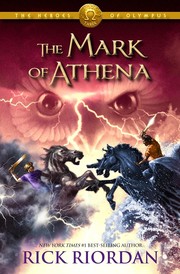
The Mark of Athena
Seven demigods sail for Rome where Annabeth must follow the Mark to the Athena Parthenos alone.
2,031-word summary · 9 min read
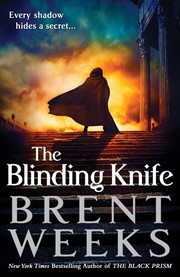
The Blinding Knife
Kip trains to join the Blackguard while the Prism hides his true identity, loses his colors, and fights a war against a rogue drafter who wants to birth a god.
2,049-word summary · 9 min read
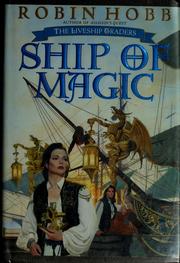
Ship of Magic
A sentient ship wakes when her captain dies, and the family that owns her starts to come apart over who gets to sail her.
2,026-word summary · 9 min read

Inkdeath
The final Inkworld novel sends Mo into the land of the dead, leaves Meggie choosing between two boys, and ends the Adderhead's immortality with three written…
2,062-word summary · 9 min read

Dawnshard
Rysn sails toward forbidden Akinah to save her dying larkin and finds a Dawnshard guarded by the Sleepless.
3,229-word summary · 14 min read

Bone, Vol. 1: Out from Boneville
Three cartoon cousins are run out of Boneville, separated by locusts, and dropped into a valley where rat creatures and an old grudge are waiting.
2,155-word summary · 10 min read

Vow of Thieves
Kazi and Jase return to Tor's Watch to find it occupied, and their marriage is tested by captivity, betrayal, and a war for the town of Hell's Mouth.
2,059-word summary · 9 min read
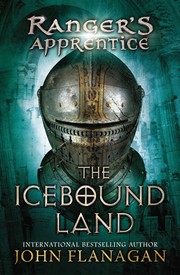
The Icebound Land
Captured and enslaved in Skandia, Will fights a drug that erases him while Halt and Horace cut a bloody road through Gallica to bring him home.
2,088-word summary · 9 min read

The Field Guide
Three siblings move into a creepy Maine estate, anger a brownie, and find a forbidden guide to the fairy world in the first Spiderwick book.
2,033-word summary · 9 min read
The Secret of the Nagas
Shiva hunts the Naga who attacked Sati, discovers her hidden twin sister and lost son, and follows the trail to the Naga capital of Panchavati.
2,442-word summary · 11 min read
Secrets of the Dragon Sanctuary
Kendra is replaced by a plant copy and held by the Society, while Seth steals a unicorn horn so the family can enter a dragon sanctuary.
2,590-word summary · 12 min read

Lioness Rampant
Alanna searches for the Dominion Jewel with the Shang Dragon, then returns to Tortall to face Duke Roger at Jonathan's coronation.
2,478-word summary · 11 min read