
Reading options
What's inside (8 sections)
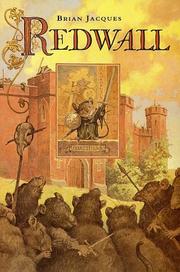
I picked up Redwall because a friend kept leaving it on my kitchen table with a note that said you will like the food parts. He was right about the food, though not in the way I expected. I thought it would be a quick animal story for kids. What I got was a 351 page siege novel that reads like someone retelling a long winter tale by a fire. Brian Jacques first published it in the UK on 23 Oct 1986 with Hutchinson, and the first American edition came that same year in 1986 from Philomel Books with 351 pages and drawings by Gary Chalk, ISBN 9780399214240. It is the first book in the Redwall series, series order 1, and it sets the pattern for everything after. Mice are good. Rats are bad. Badgers are huge and terrifying when angry. Hares talk too much and eat more. The story stays inside and around one sandstone abbey in Mossflower country, and it follows a young mouse named Matthias who wants to be a hero and has no idea what that costs.
Redwall Abbey itself is the first character you meet. It was built by Martin the Warrior long ago, and by the time Matthias lives there it has settled into a gentle routine. The mice, moles, squirrels, otters, hedgehogs and the badger Constance share meals, chores, songs, and naps in the sun. Abbot Mortimer runs the place with soft authority. Old Methuselah keeps the gate and the history. Cornflower, a young fieldmouse, helps in the kitchens and notices more than people think. The opening feast for the Jubilee of the Abbey is where Jacques shows his hand. There are pages of hot root soup, deeper-than-ever turnip and carrot pie, blackberry puddings, honeyed oatcakes, strawberry fizz, and cheeses that get named like old friends. My friend was right. You do get hungry. You also learn how the abbey thinks. Doors stay open. Strangers get fed. Work is shared. The wall is for weather, not war. That belief is about to break.
The feast and the rat at the gate
The feast chapters feel slow on purpose. Jacques lets you sit at the table. Matthias is a novice, clumsy and eager, always late, always hungry, always getting underfoot. He trips over his own habit. He drops plates. He stares at the woven wall hanging of Martin the Warrior on the wall and wishes he had a sword instead of a spoon. Cornflower teases him. Basil Stag Hare, a retired soldier hare with a loud laugh and a limp from old fights, tells stories that may be half true. Constance the badger watches the younger ones with patience that feels earned. Methuselah fusses over records. Abbot Mortimer gives thanks and reminds everyone that Redwall was built as a place of peace.
Then the rat comes. A dying Church mouse named Vole stumbles in with news from the wood. Cluny the Scourge is coming. Cluny is a one-eyed ship rat with a black cloak, a scarred tail, and a horde behind him. He lost an eye to a pike and replaced fear with cruelty. His captains include the weasel Cheesethief, the ferret Killconey, the stoat Shadow, and the rat Clogg, among others. They have carts, ladders, ropes, and no interest in farming. They take what they want from woodlanders, and now they want Redwall because it has food stored for winter and walls that look like a challenge.
Cluny does not arrive quietly. He takes the Church of St. Ninian as a base. He sends spies. He kills without pause when his own rats fail him. One early scene that stayed with me has Cluny having a slow, almost polite conversation with a prisoner while his tail twitches, and then giving an order that ends a life as if he were asking for more tea. Jacques wants you to understand the difference fast. The abbey shares. Cluny collects. The abbey forgives. Cluny keeps count.
Matthias, of course, wants to fight at once. The elders do not let him. That gap between wanting to help and being allowed to help drives the first third of the book.
Dreams of Martin and the search inside the walls
What makes Matthias different from the other novices is not skill. It is dreams. He sleeps under the woven wall hanging of Martin and starts seeing the mouse warrior in his sleep. Martin does not give straight answers. He speaks in short lines and points. He shows a sword, a shield, a tomb, a stair. Matthias wakes up sure that Martin wants him to find his old sword and defend the abbey, and unsure what any of the clues mean.
This is where the book turns into a riddle hunt inside Redwall. With Methuselah and later Cornflower and Basil to help, Matthias starts pulling at threads in the abbey history. Where was Martin buried. What happened to his sword after his death. Why is there a carving of a sparrow. Why does a verse mention a warrior and a fallen leaf. Jacques loved this kind of puzzle. The mice climb into attics, tap walls, read old rhymes, argue over words like beak and claw and wing.
One thread leads to the idea that the sword was taken by sparrows to the roof. Another points to the tomb of Martin below. The shield, the sheath, the belt, each piece seems hidden in a different corner. Methuselah, who is old and half blind but sharp about abbey lore, becomes Matthias partner in this. He is the one who can read the shaky writing and remember which Abbot moved what stone forty seasons back.
I liked these chapters more on reread than first time. At first they felt like stalling while Cluny marched closer. On second pass I saw what Jacques was doing. He was teaching Matthias to pay attention to his home. To learn the names of stairs and stones. To ask older creatures for help instead of charging out with a stick. The dreams push him, but the work is all looking and listening.
There is also a fair point to make here about pacing. Jacques repeats the pattern. Dream, clue, search, dead end, new dream. It happens three or four times. Young readers may love the repetition. It feels like a game. Adult readers may feel the middle sag, especially because every search is interrupted by another long meal description. I kept thinking, yes, the mushroom soup sounds good, can we get back to the rats. That push and pull never quite leaves the book.
Sparrows on the roof and King Bull Sparra
The roof of Redwall belongs to the Sparra tribe, wild sparrows led by King Bull Sparra. They stole Martin sword long ago and keep it as a prize. They speak in a clipped, chirping way. They do not care about abbey peace. They care about territory and shiny things.
Matthias decides he has to go up. It is a brave plan and a foolish one. He climbs with a rope, gets caught, gets mocked, and nearly gets killed. King Bull Sparra is not a cartoon villain. He is proud, quick to anger, and protective of his flock in his own harsh way. His mate Warbeak is younger and sharper, and she watches Matthias with curiosity rather than hunger.
The fight on the roof is messy. Feathers, beaks, claws, shouting, Matthias swinging a stick while trying not to fall off a pitched roof. He does not win clean. He survives because he keeps getting up and because Warbeak starts to doubt her king. The Sparra lose several birds. Bull Sparra himself is proud to the end. Matthias comes down without the sword but with something else. He learns that even small enemies have rules and griefs. Warbeak remembers who fell. That memory matters later.
I appreciated that Jacques did not make this a simple win. Matthias is hurt. Methuselah is shaken. The abbey elders scold him for risking his life. Cornflower patches him up and tells him he is an idiot in the kind way only a friend can. The sword is still missing. The dreams continue.
If you are reading with a kid, this is a good place to pause and talk about pride. Both Matthias and Bull Sparra want to be seen as strong. Both make choices that hurt their own people. One learns. One does not.
Asmodeus and the quarry
The sword trail leads out of the abbey to the quarry where Asmodeus Poisonteeth lives. Asmodeus is a huge adder, old and patient, with venom that kills and eyes that hold you still. He took the sword from the sparrows and keeps it coiled in his lair among bones and moss. Jacques writes snakes well. Asmodeus does not rush. He waits for heat and movement. He speaks softly. He enjoys fear.
Matthias cannot face him alone. By now he has gathered unlikely help. Log-a-Log, leader of the Guosim shrews, owes Matthias after earlier meetings in Mossflower Wood. The shrews are prickly, loyal, fond of arguing about boats and names, and brave in a fight. Warbeak, now acting for the Sparra after Bull Sparra death, also joins. She wants the sword out of snake hands and she wants to honor her dead.
The quarry sequence is the most tense part of the book for me. The stone is hot. The air smells of dust and old leaves. Asmodeus slides out without sound. Log-a-Log keeps his shrews spread. Warbeak dives to draw the snake eye. Matthias moves in with shaking paws. The fight is short and brutal. Asmodeus strikes. A shrew dies. Warbeak takes a hit meant for Matthias and dies too, which hit me harder than I expected because she had just started to change. Matthias, half blind with fear, picks up the sword in the middle of coils and drives it down.
He gets the sword. It feels heavy and right and wrong at once. He also gets grief. Warbeak death is not glossed over. The Sparra mourn. Log-a-Log sits quiet. Matthias carries both triumph and guilt back toward Redwall, which feels honest for a kid who wanted glory and found cost instead.
A quick note on Martin the Warrior sword as an object. It is not magic in the flashy sense. It does not glow or sing. It is simply well made and tied to memory. Its power comes from who carried it and who is willing to carry it now. I liked that choice. It keeps the story grounded in work rather than spells.
Holding Redwall with oil and hornets
While Matthias is gone, Cluny starts his siege in earnest. This middle siege stretch is long, detailed, and often exciting. Cluny tries ladders first. The Redwallers drop stones and pour hot soup and water. Basil Stag Hare organizes the defenders with jokes and shouts, running along the wall with a limp he refuses to admit. Constance stands where the fighting is thickest and throws rats like sacks of grain. Even the youngest mice carry bandages and messages.
Cluny adapts. He builds a siege tower with wheels and hides inside. He sends rats to dig. He tries to starve them by cutting off the road. He uses treachery when force fails. The dormice who live in the abbey, led by a nervous fellow named Plumpen, get scared and open a gate one night after Cluny promises mercy. That betrayal costs lives. Jacques does not soften it. Fear makes decent creatures do poor things, and the abbey has to live with the breach.
My favorite defense bits are the odd ones. Hot porridge poured from above. A nest of hornets dropped onto climbers. Old Jess Squirrel climbing and shooting with a sling. Ambrose Spike the hedgehog rolling into a ball of spikes where ladders land. Brother Alf mixing strange brews in the kitchen that turn out to be useful. The abbey wins not because it has soldiers but because it has cooks and gardeners and builders who know their own walls.
There is repetition here too. Attack, repulse, feast to celebrate, attack again. Jacques likes to reset with food after each scare. After the third cycle I started skimming the menus. I understand why kids love it. The promise of safety and supper after danger is comforting. As an adult I wanted the siege to tighten faster. Still, the dormice betrayal and the tower fight keep the stakes real. Rats die. Friends get hurt. Abbot Mortimer himself takes a wound that slows him and changes the mood from game to siege.
Cluny, for his part, grows meaner as he fails. He kills his own followers for bad news. He whips rats for sleeping. His one eye seems brighter when he is angry. Jacques is not subtle about evil here, and that is both a strength and a weakness. You never doubt who to root for, which helps younger readers. You also never get a rat who wonders if there is another way to live, which feels like a missed chance.
The bell and the price of peace
Matthias returns with the sword just as the abbey is wearing thin. He is not the same mouse who left. He is scarred, quieter, quicker to listen. He takes his place on the wall without showing off. The sword fits his paw because he has earned the weight, not because a dream said so.
The final battle comes when Cluny gets inside with his best fighters. The abbey gate is forced. Rats pour into the yard. Constance meets them head on. Basil shouts and swings. Matthias faces Cluny among falling stones and broken ladders. The fight moves toward the belltower. Joseph the Bellmaker has kept the great bells ready. Matthias and Cluny climb and grapple near the ropes.
What kills Cluny is not a duel move but the abbey itself. The great bell, Joseph bell, breaks loose in the struggle and falls. It crushes Cluny the Scourge where he stands. There is something fitting in that. The bell that called mice to meals and prayers ends the rat who wanted to silence them. Jacques does not linger on gore. He gives you the clang, the dust, the sudden quiet.
Afterward comes mourning and repair. Abbot Mortimer dies of his earlier wound, peacefully, after naming Matthias as future protector in spirit if not title. Methuselah is already gone, killed earlier while defending the abbey records, which still saddens me because he was the memory of the place. The survivors bury their dead under stones with names. They fix the wall. They plant. They cook again, but the feast tastes different.
The epilogue jumps forward. Matthias marries Cornflower. They have a son named Mattimeo, who is already showing the same mix of mischief and courage. Basil Stag Hare keeps telling stories. Constance keeps watch. Log-a-Log and the shrews remain friends of the abbey. Warbeak is remembered by the Sparra and by Matthias, who leaves space for sparrows without surrendering the roof. Redwall stands because ordinary creatures chose to stay and share.
I closed the book thinking about two things. First, how well Jacques understands hunger, both for food and for meaning. Matthias is hungry to matter. Cluny is hungry to own. The abbey feeds one hunger and starves the other. Second, how fixed the moral lines are. Good species stay good. Bad species stay bad, with rare exceptions like Warbeak. That clarity gives comfort, especially to kids. It also flattens the wood. I kept wishing one rat would hesitate, one weasel would walk away, just to prove choice matters more than birth. Jacques does not give us that here. He gives us courage, friendship, riddles, and very good soup.
If you want publication facts straight for your shelf list, here they are again in plain form. Redwall by Brian Jacques, first of the Redwall series, year 1986, first American edition from Philomel Books with 351 pages and art by Gary Chalk, ISBN 9780399214240. Tags that fit are fantasy, adventure, children, friendship, animals. It is long for a children book, busy, sometimes slow around meals, often thrilling on walls and roofs and in quarries. Read it when you have time to sit with it. Keep a snack near. You will need it.
FAQ
When was Redwall first published and how long is it?
First published 23 Oct 1986 in the UK, with the first American edition from Philomel Books in 1986 running 351 pages with art by Gary Chalk.
Who attacks Redwall and who defends it?
Cluny the Scourge leads rats against Abbot Mortimer, Matthias, Constance, Basil Stag Hare, Cornflower and Methuselah inside Redwall Abbey.
Is Redwall suitable for young readers?
Yes, for ages 8 and up. Battle peril is present but not graphic, and long feast scenes slow the pace between fights.
Similar books
More from Redwall first, then related titles.
Into the Wild
Housecat Rusty joins ThunderClan and learns clan law before war.
2,597-word summary · 12 min read
Gregor the Overlander
Gregor follows Boots down a grate into the Underland and a war prophecy.
2,516-word summary · 11 min read
The Miraculous Journey of Edward Tulane
A china rabbit lost at sea learns to love through owners kind and cruel across many years.
2,002-word summary · 9 min read
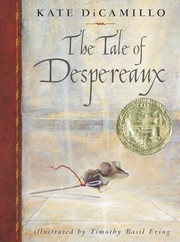
The Tale of Despereaux
A bookish mouse, a light loving rat, and a servant girl meet in a castle where soup is banned to save Princess Pea.
2,680-word summary · 12 min read
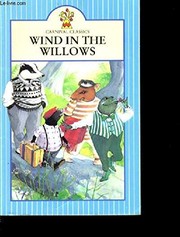
The Wind in the Willows
Mole, Rat, Badger, and Toad mess about in boats, lose themselves in the Wild Wood, and retake Toad Hall.
2,033-word summary · 9 min read

Watership Down
Hazel leads a small band of rabbits from a doomed warren to Watership Down, where survival means facing snares, farms and General Woundwort.
2,550-word summary · 11 min read

The Field Guide
Three siblings move into a creepy Maine estate, anger a brownie, and find a forbidden guide to the fairy world in the first Spiderwick book.
2,033-word summary · 9 min read

Clifford the Big Red Dog
Emily Elizabeth picks the smallest puppy in the litter, loves him as hard as she can, and wakes up to a dog the size of a house.
2,092-word summary · 9 min read
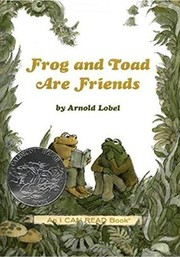
Frog and Toad Are Friends
Five short stories about a cheerful frog and a grumpy toad who need each other for waking up, swimming, and waiting for the mail.
1,969-word summary · 9 min read
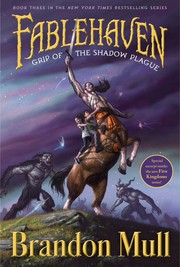
Grip of the Shadow Plague
A plague turns Fablehaven's creatures of light into shadows while Kendra hunts an artifact in Arizona and Seth races to find the cause.
2,131-word summary · 9 min read
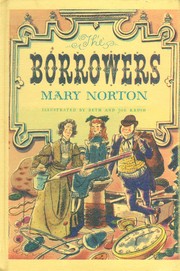
The Borrowers
A family of tiny people live under the floorboards of an English house, borrowing what they need until a lonely boy and a suspicious housekeeper change…
2,164-word summary · 10 min read
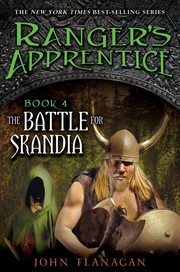
The Battle for Skandia
Will and Evanlyn are still hiding in the Skandian mountains when Halt and Horace arrive with word of a Temujai invasion that could roll on to Araluen next.
2,248-word summary · 10 min read
The Stonekeeper
After their father's death, Emily and Navin chase a monster into a hidden world to save their mother, and Emily's great-grandfather's amulet offers power at a…
2,753-word summary · 12 min read
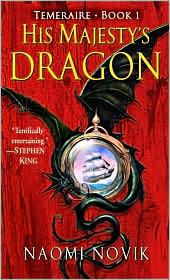
His Majesty's Dragon
When Captain Will Laurence's crew captures a French frigate carrying a dragon egg, the hatchling chooses him, and he trades the Navy for Britain's Aerial Corps.
2,405-word summary · 11 min read
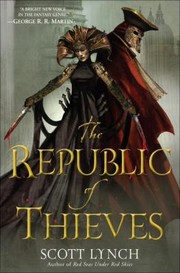
The Republic of Thieves
Locke and Jean rig an election while Locke faces Sabetha, his lost love and rival.
2,433-word summary · 11 min read
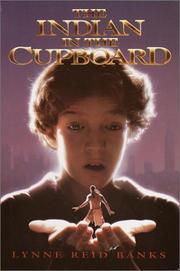
The Indian in the Cupboard
Omri learns a key turns plastic Little Bear into a live Iroquois man.
2,228-word summary · 10 min read
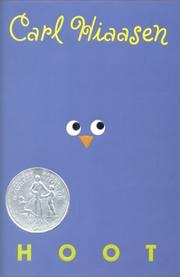
Hoot
Roy tracks a shoeless boy to save burrowing owls from a pancake house.
2,290-word summary · 10 min read
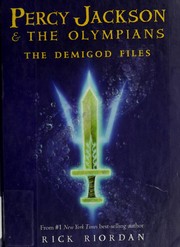
The Demigod Files
Three Percy Jackson side quests plus camp maps, cabin guides, interviews, and god profiles set before the final battle.
2,498-word summary · 11 min read

Charlie and the Great Glass Elevator
Charlie and Wonka overshoot Earth in the glass elevator, meet alien Knids, then risk age pills and Minusland.
2,514-word summary · 11 min read

Stellaluna
A baby fruit bat falls into a bird nest, learns to perch and eat bugs, then reunites with her mother in Cannon's acclaimed 1993 picture book about difference…
2,486-word summary · 11 min read
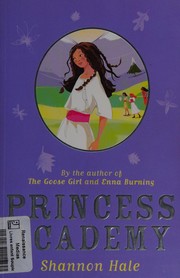
Princess Academy
Miri leaves her Mount Eskel quarry home for Princess Academy, where quarry songs, books, and a bandit siege shape her fight for fair trade, a school, and a…
2,441-word summary · 11 min read
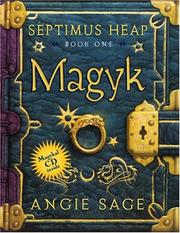
Magyk
A baby found in snow, a lost seventh son, and a run for the Marram Marshes as Marcia Overstrand shields two children from DomDaniel.
2,604-word summary · 12 min read
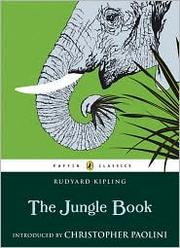
The Jungle Book
Mowgli, raised by wolves in the Seeonee Hills, learns the Law from Baloo and Bagheera while Shere Khan circles. Kipling's 1894 story collection.
2,799-word summary · 12 min read
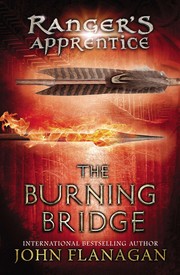
The Burning Bridge
Will and Horace burn Morgarath's secret bridge, meet Evanlyn, and face capture and a duel that decides a war.
2,412-word summary · 11 min read
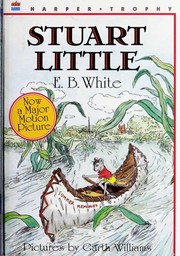
Stuart Little
A two-inch boy in a New York family befriends a canary, loses her, and drives off alone to find her.
2,591-word summary · 12 min read
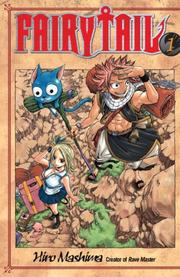
Fairy Tail, Vol. 1
Lucy joins rowdy Fairy Tail guild with fire boy Natsu and cat Happy.
2,049-word summary · 9 min read
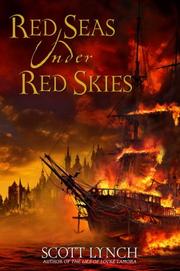
Red Seas Under Red Skies
Locke and Jean flee to Tal Verrar for Sinspire job and pirate press.
2,106-word summary · 9 min read
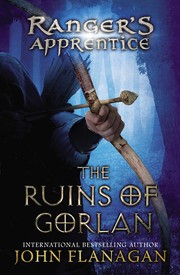
The Ruins of Gorlan
Small orphan Will becomes Ranger Halt's apprentice and helps hunt the Kalkara at Gorlan.
2,109-word summary · 9 min read
The Mysterious Benedict Society
Four gifted children pass strange tests and go undercover at a school hiding a mind control machine.
2,130-word summary · 9 min read
One Piece, Volume 1: Romance Dawn
Rubber boy Luffy gathers Zoro and Nami to punch tyrants and share meat.
2,216-word summary · 10 min read