
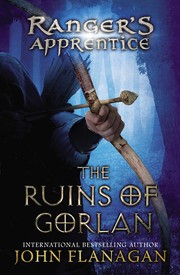
The Ruins of Gorlan
2,109-word summary 9 min read 256 pages in the book
- First published
- 2005
- Publisher
- Philomel Books
- Pages
- 256
- ISBN
- 9780399244544
- Series
- Ranger's Apprentice (#1)
Reading options
What's inside (11 sections)
I started The Ruins of Gorlan because a student swore it was better than Eragon. John Flanagan published it in 2005 with Philomel Books in the US after Australia. My reading follows the 256 page hardcover. It is the first in Ranger's Apprentice. Will, small orphan, becomes Ranger Halt's apprentice and faces Morgarath's Kalkara. It is classic quest fantasy, plainly told, and it won me over with craft and humor.
Will has always wanted Battleschool. He is fifteen, quick, small, good at climbing and hiding, raised as a ward of Castle Redmont with four other wards. On Choosing Day, his friends get their paths. Horace, big and decent, goes to Battleschool. Jenny goes to cook. George to scribe. Alyss, whom Will likes, to diplomatic service. Will is rejected everywhere for size until Halt, the grim Ranger, takes him.
Learning ranger work
Apprenticeship is chores plus secrets. Will cleans Halt's cabin, learns to cook, tends horses, and slowly learns the skills that look like magic. Silent movement. Unseen watching. Bowmanship. Knife work. How to make a cloak disappear in bush. Halt teaches by showing once, correcting sharply, and praising rarely. His dry humor carries chapters. When Will complains, Halt raises one eyebrow and assigns more firewood.
Horace's parallel thread balances. At Battleschool he is bullied by older boys, learns sword the hard way, and keeps kindness under pressure. Will and Horace, once rivals for Alyss's attention, become true friends through letters and visits. Their reunion mid book, where Will uses ranger stealth to help Horace without embarrassing him, is lovely. Strength takes different shapes. Both boys grow into theirs.
Flanagan explains ranger craft without info dumps. How to step without sound. How to read tracks. How to shoot a recurve bow from horseback. How to throw knives. Young readers learn alongside Will. Older readers may find lessons familiar from Tolkien's Rangers or Robin Hood, but the clarity pleases. A chapter where Will stalks Halt and fails for days, then finally gets close enough to hear him hum, teaches patience better than lecture.
The horses matter. Tug, Will's shaggy small horse, is stubborn, smart, and loyal. Horace's warhorse is huge and proud. Halt's Abelard is steady. Flanagan, who loves horsemanship, writes tack, feed, and gaits with care. A night ride through rain, with Will learning to trust Tug's footing, stuck with me. Animals are partners, not transport.
Morgarath and the Kalkara
The threat is old school. Morgarath, exiled lord in the Mountains of Rain and Night, gathers Wargals, mindless soldiers, and sends two Kalkara, bearlike assassins nearly invincible, to kill Halt and disrupt the kingdom. The Ruins of Gorlan, an old hill fort, becomes their lair. Rangers and knights must hunt them.
Flanagan does not hide Tolkien debt. Rangers recall Dunedain. Wargals recall Orcs. Morgarath recalls Saruman in exile. The book's PW review noted this plainly. For young readers new to fantasy, that familiarity helps. For veterans, it can feel close. What saves it is tone and tactics. The hunt is procedural. Track, trap, lure, shoot. No dark lord monologue. Just beasts that shrug arrows and a plan that needs brains.
The Kalkara are scary because they are physical. They shrug swords, climb, smell fear. A scene where they attack a village at night, with dogs barking and thatch burning, has real menace. The final confrontation at Gorlan uses fire, height, and archery rather than prophecy. Will's part is small and brave. He does not kill the monster alone. He helps the adults do it right. That modesty suits a first book about apprenticeship.
Gilan, a former apprentice now full Ranger, adds lightness. He jokes, shows off sword work, and treats Will kindly. His presence shows what Will could become. Halt's past with Morgarath, hinted in gruff lines, gives weight without backstory dump. The kingdom of Araluen, with its fiefs and castle politics, feels lived in through meals and duties rather than maps.
Friendship, class, and craft
What I liked most was how Flanagan handles size and status. Will is small in a world that prizes big knights. He learns small is useful for unseen work. Horace is big and assumed stupid. He proves thoughtful and loyal. Alyss is noble and kind without being prize. Jenny and George get dignified work. The book respects cooks and scribes as much as swords.
Battleschool bullying is handled without relish. Older boys torment Horace. Instructors miss it. Will intervenes carefully, not with revenge fantasy but with help that preserves Horace's pride. Horace later stands up for himself in a duel that is fair and tense. Those school chapters will resonate with anyone who endured hallways. Strength plus decency wins, but scars remain.
The prose is plain, funny, and fast. Short chapters. Dialogue with Aussie dryness. Halt's one liners. Gilan's teasing. Will's internal worry. Descriptions of forest, castle kitchens, and training yards are concrete without purple. Some adult readers may find it simple. That simplicity is the point for tens and up. Clarity invites young readers who fear thick fantasy.
Length at 256 pages suits the tale. No bloat. A map helps. A character list would help newcomers. The book ends with apprenticeship confirmed, friendships deepened, and larger war brewing. It promises more without cliffhanger cruelty. You can stop here satisfied, though you will want book two.
Halt's teaching and Horace's school
Halt deserves a longer look because he carries the book's pedagogy. He teaches Will by assigning impossible tasks, watching silently, and correcting with one dry line. Climb that tree without sound. Miss, try again. Cook stew without burning. Fail, eat it anyway. That method frustrates Will and builds competence. Readers who had taciturn mentors will recognize the love inside brusqueness. Halt chose Will for a reason he will not state until Will earns it.
His humor leavens. When Will asks if rangers use magic, Halt says yes, it is called practice. When Will complains about horses, Halt assigns mucking. Those exchanges, repeated with variations, give the book its warm rhythm. Gilan, younger and chattier, explains Halt to Will without betraying him. He was like you once. He failed too. That lineage of failure turned skill comforts young readers who fear they are behind.
Horace's Battleschool chapters mirror Will's woods. Where Will learns silence, Horace learns stance. Where Will learns to watch, Horace learns to endure. Bullies target Horace for being big and kind, mistaking kindness for softness. He proves them wrong in a supervised duel that Flanagan stages with care. No humiliation fantasy. Just technique, nerve, and mercy. Horace spares a tormentor and earns respect that lasts. That restraint defines him as surely as Will's stealth defines Will.
Their friendship survives separation because they write and visit without jealousy. Will does not mock Horace's sword drills. Horace does not mock Will's skulking. They trade food, news of Alyss, and worries about parents they never knew. Those small generosities model healthy boyhood at a time when many books pit boys against each other. Flanagan lets them admire different strengths. That mutual regard is quietly radical.
Alyss and the castle girls get brief but telling scenes. Alyss, clever and kind, chooses diplomatic service and handles court manners with grace. She likes both boys without playing them. Jenny's cooking and George's scribing receive respect in dialogue about work. Those nods toward labor dignity, cooks feed armies, scribes remember treaties, expand the book past swords. Araluen runs on kitchens and records as much as walls.
The hunt at Gorlan
The final hunt rewards the book's procedural patience. Rangers map Kalkara tracks, question villagers without frightening them, and set a trap at the ruins that uses fire and height rather than brute charge. Will's job is to lure, watch, and shoot when told. He does it scared and well. An arrow shot under pressure, with hands shaking, matters more than any prophecy. Flanagan stages it with clear geography. Walls, slopes, wind. You can draw the fight.
What I liked is that adults do the heavy killing while Will helps. Halt and Gilan face beasts that shrug swords. Baron Arald's knights hold lines. Will's arrows turn a moment. That division respects apprenticeship. He is not secretly a master. He is a student who practiced and contributed. Young readers learn that helping matters even when you are smallest in the room.
Aftermath scenes handle grief and pride without swagger. Villagers bury dead. Rangers clean blades. Will sleeps hard. Horace visits with a black eye and a grin. Alyss sends a letter that Will reads twice. Those quiet beats close the adventure with warmth rather than triumph roar. War costs even when won. The book names cost plainly through a funeral and a repaired wall. That honesty suits ten year olds who know loss and need stories that admit it.
The ruins themselves linger as image. Old stones where a dark lord once ruled, now home to weeds and crows, become classroom for a new generation. Will climbs them to look out and understands why rangers watch. To see first is to protect. That lesson, learned on cold stone with bow in hand, completes his turn from boy who wanted glory to apprentice who wants craft. The series can now grow because its hero knows his job.
Reading with young rangers
If you share this with a young reader, pause at training scenes to practice. Walk quietly down a hall. Note sounds. Draw a map of home from memory. Those games make ranger craft tangible without bows. My student tried silent stepping after chapter three and reported his sister heard him anyway. We laughed and tried again. That trying is the book's gift. Skills grow through play.
Discuss size and strength openly. Will's smallness helps him hide. Horace's largeness helps him shield. Neither is better alone. Together they cover more. Ask which you are and when you borrow the other. Those talks help kids who feel wrong sized. Bodies are tools with different uses. The book shows that without lecture through two friends who admire each other's shapes.
Note labor dignity too. Cooks, scribes, and diplomats all matter in Redmont. Ask who feeds your school and who remembers its records. Those workers rarely star in fantasy. Flanagan seats them at feasts with honor. That inclusion teaches that kingdoms run on kitchens as much as walls. Young readers who love cooking or writing may see themselves as vital rather than side. That seeing matters.
Why the series grew
The book plants seeds that later volumes harvest. Will's parentage hints. Halt's past with Morgarath waits. Horace's knighthood path opens. Alyss's missions beckon. Those threads pull readers forward without cliffhanger tricks. Flanagan also establishes the series' moral grammar. Watch before acting. Help before boasting. Share food. Tend horses. Those habits recur across books and give fans a code to live by, not just plot to follow. That is why teachers assign it and parents trust it. Adventure with manners. At 256 pages the start is lean on purpose. Later books grow thicker, but this one teaches how to read them. Slow, sharp, and kind.
Criticisms worth naming
No book escapes. The Tolkien parallels are close enough to distract experienced readers. Female characters, though respected, get less page time than boys. Alyss shines briefly. Lady Pauline advises wisely but shortly. Later books expand, but here the world reads boy centered. Some battle tactics rely on adults explaining plans at length, which slows the hunt. Young tacticians may love exactly what I skimmed.
The Sure, Will is special trope appears. Secret parentage hints, unusual talent, a mentor's interest. Flanagan handles it lightly, focusing on work over destiny. Still, readers tired of chosen ones may sigh. The orphan ward setup is familiar. What freshens is emphasis on learning. Will practices. He fails. He practices again. That work ethic redeems trope.
Who should apprentice
Give The Ruins of Gorlan to readers ten and up who like adventure, horses, archery, and funny mentors. It suits Eragon readers who want less dragon and more woodcraft, Percy Jackson fans between quests, and reluctant readers who need short chapters and clear stakes. Do not give it to readers who want grimdark or complex politics. Pair it with a bow lesson or a hike. You will want to walk quietly after.
At 256 pages I read it in two evenings, marking Halt lines. Will starts wanting a sword and ends wanting to watch well, shoot true, and help friends. That shift, from glory to craft, is why the series grew to millions. Rangers fight battles before battles reach people. Learning to see first is the first lesson, and this book teaches it with humor and heart.
FAQ
When was The Ruins of Gorlan published?
Philomel Books published it in the US in 2005. The hardcover runs 256 pages and the ISBN is 9780399244544.
Is it the first in a series?
Yes. It is book one of Ranger's Apprentice, followed by The Burning Bridge.
What are the Kalkara?
Morgarath's bearlike assassins, nearly invincible, sent to kill Halt and break the kingdom.
Similar books
More from Ranger's Apprentice first, then related titles.
The Burning Bridge
Will and Horace burn Morgarath's secret bridge, meet Evanlyn, and face capture and a duel that decides a war.
2,412-word summary · 11 min read

The Icebound Land
Captured and enslaved in Skandia, Will fights a drug that erases him while Halt and Horace cut a bloody road through Gallica to bring him home.
2,088-word summary · 9 min read
The Battle for Skandia
Will and Evanlyn are still hiding in the Skandian mountains when Halt and Horace arrive with word of a Temujai invasion that could roll on to Araluen next.
2,248-word summary · 10 min read

The Blood of Olympus
Seven demigods stop Gaia waking while Reyna brings Athena statue.
2,196-word summary · 10 min read
The Thief
A boastful young thief is pulled from a prison to steal a legendary stone for the king's magus, and the story he tells about himself is not the whole story.
2,514-word summary · 11 min read

Inkdeath
The final Inkworld novel sends Mo into the land of the dead, leaves Meggie choosing between two boys, and ends the Adderhead's immortality with three written…
2,062-word summary · 9 min read

Vow of Thieves
Kazi and Jase return to Tor's Watch to find it occupied, and their marriage is tested by captivity, betrayal, and a war for the town of Hell's Mouth.
2,059-word summary · 9 min read

Lioness Rampant
Alanna searches for the Dominion Jewel with the Shang Dragon, then returns to Tortall to face Duke Roger at Jonathan's coronation.
2,478-word summary · 11 min read

Archenemies
Nova steals for the Anarchists while Adrian hides his Sentinel identity, and a serum that erases prodigy powers puts them both at risk.
2,485-word summary · 11 min read
Dealing with Dragons
A princess who hates embroidery runs away to become the cook and librarian for a dragon, then has to outthink wizards, knights, and a plot against the dragon…
2,563-word summary · 11 min read

The Golem's Eye
Two years after The Amulet of Samarkand, Nathaniel is a rising bureaucrat, Bartimaeus is his unwilling servant again, and something made of clay is tearing…
2,299-word summary · 10 min read

Heist Society
A teenage art thief gets expelled from boarding school, then has two weeks to steal five paintings back from a London museum and clear her father.
2,781-word summary · 12 min read
The Chalice of the Gods
Percy needs three recommendation letters from three gods to apply to college, so his first quest is recovering a stolen chalice from the god of old age.
2,106-word summary · 9 min read

Grip of the Shadow Plague
A plague turns Fablehaven's creatures of light into shadows while Kendra hunts an artifact in Arizona and Seth races to find the cause.
2,131-word summary · 9 min read
The Ship of the Dead
Magnus and his crew sail to the edges of the Norse worlds to stop Loki from launching Naglfar, the ship of the dead.
2,426-word summary · 11 min read

The Rose & the Dagger
Shahrzad is pulled from her Caliph husband and left in a desert camp of rebels, needing to break his curse and end a war before it ends her.
2,520-word summary · 11 min read

The Queen of the Tearling
Nineteen-year-old Kelsea leaves the woods to take her throne, ends a shipment of human captives, and draws the Red Queen's revenge.
2,357-word summary · 10 min read
Saving the World and Other Extreme Sports
Max and the flock split in two to take down the lab behind their lives, one half in California and the other in Europe.
2,175-word summary · 10 min read

We Hunt the Flame
In a fractured Arabia-inspired world, a disguised huntress and a prince-assassin race to find a magic-restoring book and confront an ancient evil.
2,195-word summary · 10 min read
The Magician
Sophie and Josh flee to Paris with Nicholas Flamel, where John Dee, Machiavelli, and an awakened god close in on the missing pages of the Codex.
2,162-word summary · 10 min read
The Burning Maze
Apollo, still trapped in a mortal teenager's body, follows a dangerous prophecy through the Labyrinth with Meg and Grover as the Triumvirate's grip tightens.
2,248-word summary · 10 min read

Lore
Lore Perseous, the last of a hunted bloodline, is pulled back into the Agon when a wounded Athena offers her revenge against the god who killed her family.
2,188-word summary · 10 min read

In the Hand of the Goddess
Alanna, still disguised as a boy, survives war, court plots, and a death duel as the Goddess's chosen warrior in the second Song of the Lioness book.
2,018-word summary · 9 min read
A Knight of the Seven Kingdoms
Three novellas follow Ser Duncan the Tall and his squire, Egg, through tourneys, feuds, and conspiracies in Westeros ninety years before A Game of Thrones.
2,059-word summary · 9 min read
The False Prince
A nobleman buys four orphans and tells them only one will survive to impersonate the missing prince. The narrator, a defiant thief named Sage, has other plans.
2,044-word summary · 9 min read
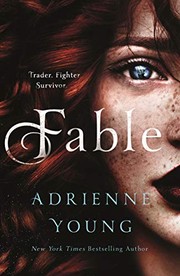
Fable
Abandoned on a lawless island at fourteen, Fable spends four years diving for gems to buy passage off it, straight into the cutthroat trade of the Narrows.
2,320-word summary · 10 min read
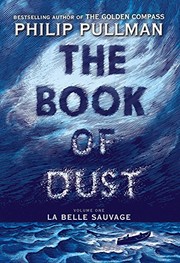
La Belle Sauvage
Philip Pullman's prequel to His Dark Materials follows eleven-year-old Malcolm Polstead as a secret message, a hunted baby, and the flood of the century carry…
2,530-word summary · 11 min read
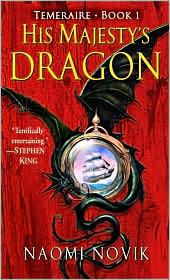
His Majesty's Dragon
When Captain Will Laurence's crew captures a French frigate carrying a dragon egg, the hatchling chooses him, and he trades the Navy for Britain's Aerial Corps.
2,405-word summary · 11 min read
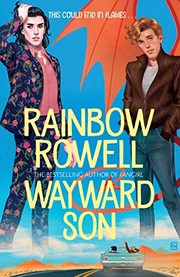
Wayward Son
Simon and Baz road trip America after the war to decide what normal means.
2,505-word summary · 11 min read

The Winner's Curse
An aristocratic girl buys a slave who is secretly a prince plotting rebellion.
2,124-word summary · 9 min read