
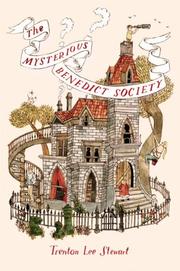
The Mysterious Benedict Society
2,130-word summary 9 min read 485 pages in the book
- First published
- 2007
- Publisher
- Little, Brown and Company
- Pages
- 485
- ISBN
- 9780316057776
- Series
- The Mysterious Benedict Society (#1)
Reading options
What's inside (12 sections)
I found The Mysterious Benedict Society on a teacher's shelf and borrowed it for a weekend. Trenton Lee Stewart published it in 2007 with Little, Brown and Company. My reading follows the 485 page first edition. It is the first in The Mysterious Benedict Society series. Four gifted children take tests, go undercover at a strange school, and try to stop a mind control plot. It is clever, kind, and longer than it needs to be, but the puzzles kept me turning pages.
Reynie Muldoon is eleven, bright, curious, an orphan living with his tutor Miss Perumal. He sees an ad in the paper. Are you a gifted child looking for special opportunities. He takes a series of odd tests with dozens of other children. Some tests are puzzles. Some are moral. One asks him to cheat. One asks him to be brave in a hallway. He passes, along with George Washington, called Sticky because he remembers everything and sticks to books, Kate Wetherall, athletic, cheerful, carrying a bucket of tools, and later Constance Contraire, tiny, stubborn, rude, brilliant in her own way.
Tests that feel like play
The opening tests are the most fun. Children cross a room without touching floor, move pencils without hands, answer riddles with missing words. Stewart writes them so you can try along. I paused and scribbled. My guesses were wrong half the time, which pleased me.
Mr. Benedict recruits them. He is odd, kind, narcoleptic, funny, with a twin brother who is not kind. He explains that a man called Mr. Curtain runs the Learning Institute for the Very Enlightened on Nomansan Island. Messages hidden in radio and television, called the Emergency, are making people panic and obey. Children are used as messengers because adults do not notice them. The four must enroll as students, blend in, and find the machine called the Whisperer.
I liked that the mission fits children. They are not asked to fight guards. They are asked to notice, remember, climb, and think. Kate's bucket, with rope, flashlight, marbles, and a spyglass, becomes a running joke and a real tool. Sticky's memory holds maps. Reynie reads people. Constance, who no one wanted at first, hears what others miss because she refuses to be polite about nonsense.
The Learning Institute
The Institute looks perfect and feels wrong. Clean halls. Friendly recruiters. Rules that are not rules. Students called Messengers attend special classes, sit in chairs with helmets, and repeat lessons that make them calm and empty. Teachers smile too long. Rewards are cereal and praise. Punishments are quiet removal.
Stewart builds dread without gore. Hallways are too white. Bells ring at odd times. Children who go to the Whisperer return helpful and blank. Reynie makes friends, including a conflicted boy named Jackson and a nervous girl, and learns that Executives, older students who enforce order, are themselves scared.
Kate sneaks through vents, drops notes, maps tunnels. Sticky memorizes schedules and signal patterns. Reynie befriends the adults to learn the plan. Constance refuses to be brainwashed at all, which irritates Mr. Curtain and saves them more than once. Her stubbornness, annoying at breakfast, becomes armor in the Whisperer room.
The middle can drag. Lessons repeat. Patrols circle. Messages decode slowly. Younger readers may love the hiding. Older readers may want the plot to hurry. I wanted one less chase through pipes and one more talk about why the Emergency works on grownups.
Mr. Benedict and Mr. Curtain
The twins anchor the book. Nicholas Benedict is gentle, funny, falls asleep when he laughs or cries, loves the children plainly. Ledroptha Curtain is brilliant, hurt, certain that fear makes people manageable. Both were lonely gifted boys. One chose care. One chose control.
Their backstory unfolds late, through letters and a visit. Curtain believes the world is drowning in panic and needs a firm whisper to behave. Benedict believes people can think if given room and truth. The book does not pretend both views are equal. It shows Curtain's calm is theft. His helped students can not remember mothers' faces. That detail chilled me more than any villain speech.
Constance matters here. She is adopted late in the story in a quiet scene that reframes her rudeness. She has been guarding herself. Benedict sees her. That bond gives the finale weight. When Curtain tries to use her, her mind, literal and blunt, refuses the signal. It is a neat idea. The child who will not pretend is immune to a machine that runs on pretense.
The Whisperer and the rescue
The Whisperer is a machine that sends thoughts through children wired to it. Curtain plans a full broadcast to seed panic and then obedience. The Society must stop it from inside while Benedict's adults stall outside in a foggy harbor.
The finale mixes puzzles and courage. Reynie must outthink Curtain in a control room while Kate climbs, Sticky recalls the shutdown code under pressure, and Constance recites poems to hold herself. There is a tense moment where Reynie is offered comfort in exchange for surrender, voices of people he loves telling him to rest. He chooses ache and truth. That choice is the moral core. Comfort that erases you is not kindness.
No one dies in a blaze. The Institute loses power, the children wake confused, Curtain's plan collaps Dawson into static. Adults arrive late, as adults do. The children save themselves with tools they packed and habits they practiced. I liked that the victory is partial. Some damage remains. Some students need time. The book respects recovery.
Friendship without gloss
The friendship feels real because the children annoy each other. Sticky polishes glasses and corrects facts. Kate teases and rushes. Reynie worries and mediates. Constance insults and sulks. They argue about sharing beds, about who goes into danger, about whether to trust a teacher who was kind once.
Stewart lets them apologize badly and try again. Kate learns to wait. Sticky learns to speak when it counts, not just to recite. Reynie learns to lead without pleasing everyone. Constance learns to accept care without surrendering edge. Those small changes matter more than the machine.
Miss Perumal, Milligan the guard with a sad past, and Number Two the aide give adult warmth without taking over. Milligan's memory loss and quiet bravery add ache. He guards, carries, falls, gets up. Children notice. That noticing is part of the theme. Pay attention to people, not just puzzles.
What shines and what sags
What shines is puzzle design, tone, and heart. The tests, the hidden messages, the word games, all invite readers to think. The prose is clear, lightly funny, with short chapters that suit bedtime reading. The moral is plain without preaching. Courage is thinking when afraid, kindness is paying attention.
What sags is length and tidiness. At 485 pages the Institute section repeats patrols and meals. Curtain explains his plan at length when his actions already showed it. Some twists, like parentage and hidden loyalties, are easy to guess. Readers who want fast action may fidget.
The book also leans on orphan tropes. Absent parents free children to adventure, but Constance's late adoption and Reynie's tutor arrangement tie up a little too neatly. I accepted it because the emotions are honest, but I noticed the strings.
Daily life as cover
What I liked most on second thought was how Stewart uses school routine as camouflage. Breakfast lines, dorm checks, class rotations, free time on the lawns. The children must act like normal students while passing notes in laundry and tapping codes on pipes. Kate fakes a limp to map a stairwell. Sticky volunteers to shelve books to memorize office hours. Reynie joins a study group to hear how Messengers talk after sessions, flat and cheerful and empty.
Milligan helps from outside with drops in hollow trees and warnings chalked on walls. He was once Curtain's prisoner, his memory wiped, his past a fog. His kindness to the children has a sad edge. He knows what the Whisperer takes because it took from him. When he is caught and hurt late in the book, the children feel it as family danger, not helper trouble. That shift matters. Adults are not quest givers. They are people who bleed.
Number Two, Benedict's aide with yellow skin from too many carrots as a child, brings humor and sharpshooting pencils. Her bickering with Milligan lightens tense chapters. Mr. Benedict himself stays off island, napping through crises, writing letters the children read for courage. His absence forces them to decide. A late letter where he admits fear and begs them to come home if they choose, even if the world suffers, reframes heroism. Obedience is not the goal. Care is.
The Institute children who are not in the Society also linger. A boy who shares bread, a girl who cries quietly when a friend is promoted to Messenger status and returns strange, an Executive who hesitates before reporting Kate. Stewart shows that even inside a control machine, small kindnesses persist. Reynie collects them like clues. Those moments taught my own reading. Watch for the hesitant guard, the extra roll saved, the look away. Systems run on people, and people wobble.
Puzzles that teach thinking
Stewart folds lessons about logic into play. A maze that rewards working backward. A riddle where the answer is the question. A test where telling truth loses points unless you tell it kindly. A word ladder on a wall where missing letters spell a warning. None require math beyond grades. All reward patience.
I tried solving with a pencil and did better when I slowed down. That is the point for young readers. Speed is Curtain's value. Hurry, obey, repeat. Care is Benedict's. Pause, check, ask who benefits. The book does not lecture this. It lets you feel the difference when a rushed answer gets Reynie caught and a slow reread saves Sticky.
Constance's gift fits here. She does not solve fast. She refuses false frames. When a teacher says the Emergency is caused by bad attitudes and the cure is calm compliance, Constance asks why the cure needs helmets. Her literal mind, annoying at meals, is immune to spin. Stewart gives stubborn children a hero who wins by saying no. That representation matters for kids who are told they are difficult.
If the book has a flaw in this section, it is that some puzzles pause plot. A ten page word game while patrols search can feel indulgent. I skimmed one cipher and still followed. Younger solvers may love exactly what I skimmed. Reading together helps. Let the child solve while you carry plot.
Goodbyes that feel like growth
The ending avoids parade. The children return to Mr. Benedict's house, tired, thinner, squabbling about who snores. Miss Perumal cooks. Milligan naps on a couch with a blanket tucked by Kate. Constance, adopted by Benedict, claims a room and paints the door with her name in crooked letters. Those domestic beats matter more than medals.
Reynie's farewell to his tutor, his return to school with new confidence, his letter to friends that admits fear, all show change without transformation into someone else. He is still thoughtful, still worried, but now he trusts his judgment. Sticky stops hiding behind books and starts lending them. Kate learns to sit still for tea without planning escape. Small shifts, loudly felt.
Stewart also leaves threads for sequels without cliffhanger cruelty. Curtain lives, humbled but unrepentant. The Whisperer parts are stored, not destroyed, which worries Milligan. Messengers from the Institute need homes and help. The Society, now family, agrees to meet for puzzles on Sundays. That promise, ordinary and kind, closes the adventure with warmth rather than hype.
I closed the book thinking about attention as love. Benedict pays attention to each child's particular ache. The children pay attention to each other. Readers pay attention to pages. That chain is the real society, mysterious only because care is rare in busy worlds.
Who should join
Give it to readers eight to twelve who like puzzles, secret schools, and teams where each child has a job. It suits fans of Lemony Snicket who want less gloom and more warmth, or Harry Potter readers between volumes who want clever without darkness. Do not give it to readers who need battles on every page. Pair it with paper and pencil. You will want to solve along.
At 485 pages I read it across four evenings, solving two puzzles aloud and failing one badly. Reynie starts answering ads alone and ends holding a bucket rope for friends. That image, four very different children choosing to trust each other in a white hallway, stayed with me longer than the machine. The mystery is fun. The attention is the point.
FAQ
When was The Mysterious Benedict Society published?
Little, Brown and Company published it on March 7, 2007. The first edition runs 485 pages and the ISBN is 9780316057776.
Is it the first in a series?
Yes. It is book one of The Mysterious Benedict Society, followed by The Perilous Journey and The Prisoner's Dilemma.
Who are the four children?
Reynie Muldoon, Sticky Washington, Kate Wetherall, and Constance Contraire, recruited by Mr. Benedict to stop Mr. Curtain.
Similar books
More from The Mysterious Benedict Society first, then related titles.

Heist Society
A teenage art thief gets expelled from boarding school, then has two weeks to steal five paintings back from a London museum and clear her father.
2,781-word summary · 12 min read
When You Reach Me
A sixth grader in 1970s New York gets strange notes that seem to predict the future.
2,456-word summary · 11 min read
The Penultimate Peril
Baudelaires as concierges in a hotel sort friends from foes before the end.
2,234-word summary · 10 min read
The End
Baudelaires wash on an island where others decide what safe means.
2,320-word summary · 10 min read
The Hostile Hospital
The Baudelaires hide in half-built Heimlich Hospital, uncover a thirteen-page file hinting a parent survived, and flee Olaf's surgery trap through fire.
2,658-word summary · 12 min read
The Grim Grotto
Snicket eleventh Baudelaire book, Sept 2004 HarperCollins, 323 pages: the Queequeg crew, Gorgonian Grotto fungus, Fiona choice, and Sunny wasabi cure that…
2,789-word summary · 12 min read
Redwall
A novice mouse hunts for Martin the Warrior's lost sword while Cluny the Scourge besieges Redwall Abbey.
2,727-word summary · 12 min read

The Slippery Slope
Violet and Klaus climb icy peaks to rescue Sunny while Quigley and V.F.D. ruins change what they know.
2,678-word summary · 12 min read

The Carnivorous Carnival
Baudelaires hide as carnival freaks to find V.F.D. clues, facing lions, Olaf, and a fateful cliff split.
2,027-word summary · 9 min read
The Boxcar Children
Four Alden orphans run from a bakery, settle in an old boxcar in the woods, and learn to live on work, berries, and each other.
2,892-word summary · 13 min read
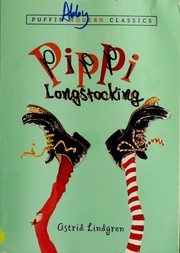
Pippi Longstocking
A super-strong nine-year-old lives alone in Villa Villekulla, upending school, circus and town rules with neighbors Tommy and Annika.
3,115-word summary · 14 min read

The Wind in the Willows
Mole, Rat, Badger, and Toad mess about in boats, lose themselves in the Wild Wood, and retake Toad Hall.
2,033-word summary · 9 min read
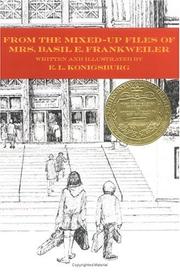
From the Mixed-Up Files of Mrs. Basil E. Frankweiler
Claudia and Jamie run away to the Met, chase whether a 225 dollar Angel is a Michelangelo, and trade secrets with Mrs. Frankweiler.
2,774-word summary · 12 min read
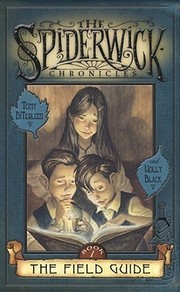
The Field Guide
Three siblings move into a creepy Maine estate, anger a brownie, and find a forbidden guide to the fairy world in the first Spiderwick book.
2,033-word summary · 9 min read

Hard Luck
Rowley has a girlfriend, so Greg turns to a Magic 8 Ball, a family Easter hunt and the school yearbook for answers.
2,586-word summary · 11 min read

Clifford the Big Red Dog
Emily Elizabeth picks the smallest puppy in the litter, loves him as hard as she can, and wakes up to a dog the size of a house.
2,092-word summary · 9 min read
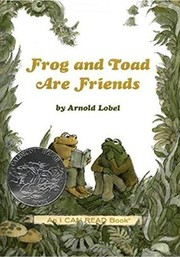
Frog and Toad Are Friends
Five short stories about a cheerful frog and a grumpy toad who need each other for waking up, swimming, and waiting for the mail.
1,969-word summary · 9 min read

Grip of the Shadow Plague
A plague turns Fablehaven's creatures of light into shadows while Kendra hunts an artifact in Arizona and Seth races to find the cause.
2,131-word summary · 9 min read

Saving the World and Other Extreme Sports
Max and the flock split in two to take down the lab behind their lives, one half in California and the other in Europe.
2,175-word summary · 10 min read

The Third Wheel
Greg tries to find a date for the Valentine's dance, ends up the third wheel in his own plan, and watches Rowley get the girl.
2,019-word summary · 9 min read
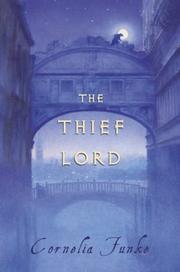
The Thief Lord
Orphaned brothers join a gang of Venice street kids and a masked Thief Lord, chasing a magic merry-go-round that can change a person's age.
2,040-word summary · 9 min read
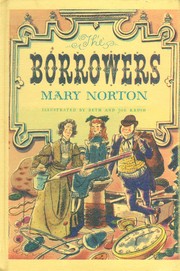
The Borrowers
A family of tiny people live under the floorboards of an English house, borrowing what they need until a lonely boy and a suspicious housekeeper change…
2,164-word summary · 10 min read
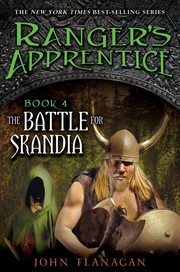
The Battle for Skandia
Will and Evanlyn are still hiding in the Skandian mountains when Halt and Horace arrive with word of a Temujai invasion that could roll on to Araluen next.
2,248-word summary · 10 min read

One of Us Is Dead
In Buckhead, Atlanta, five women narrate a murder among manicures, fundraisers, and social warfare. Jeneva Rose's 2022 thriller is a gossipy revenge fantasy…
2,471-word summary · 11 min read

Harriet the Spy
Eleven year old Harriet Welsch fills notebooks with honest, often cruel observations about her neighbors, until her classmates read one and turn her spy route…
2,510-word summary · 11 min read
The Stonekeeper
After their father's death, Emily and Navin chase a monster into a hidden world to save their mother, and Emily's great-grandfather's amulet offers power at a…
2,753-word summary · 12 min read
The Brothers Hawthorne
Jameson infiltrates an underground London gambling club for the father he never knew while Grayson protects his half-sisters in Phoenix from a dead man's…
2,019-word summary · 9 min read

Paper Girls, Volume 1
Four paper girls in 1988 Ohio chase a stolen walkie-talkie into a basement and stumble into a time war, flying dinosaurs, and an older version of themselves.
2,235-word summary · 10 min read
His Majesty's Dragon
When Captain Will Laurence's crew captures a French frigate carrying a dragon egg, the hatchling chooses him, and he trades the Navy for Britain's Aerial Corps.
2,405-word summary · 11 min read

The Swiss Family Robinson
Shipwrecked Robinsons build treehouses and tame island beasts.
2,400-word summary · 11 min read