
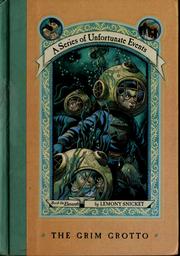
The Grim Grotto
2,789-word summary 12 min read 323 pages in the book
- First published
- 2004
- Publisher
- HarperCollins
- Pages
- 323
- ISBN
- 9780064410144
- Series
- A Series of Unfortunate Events (#11)
Reading options
What's inside (8 sections)
I came to The Grim Grotto with salt still in my head from the previous book. I had left Violet, Klaus, and Sunny sliding down the Mortmain Mountains with Quigley Quagmire, and I remember closing that tenth volume thinking Snicket could not strand them in a worse place. He could. The eleventh book in A Series of Unfortunate Events, published in September 2004 by HarperCollins at 323 pages, drops them into the sea. I read it in two sittings, curled on a couch while rain hit the windows, which felt correct. This is a wet book, cold and echoing, full of pipes and sonar pings and diving suits that never quite dry.
If you have followed the Baudelaires this far, you know the rhythm. A guardian appears, kindness flickers, Count Olaf arrives, everything burns or sinks. Here Snicket keeps that rhythm but squeezes it inside a submarine. The ocean hides things in a way a village cannot. You cannot see who follows you. You hear them.
The book picks up right where The Slippery Slope ended. The children are separated from Quigley in the chaos of the waterfall. They wash up, half frozen, against the hull of a submarine called the Queequeg. It is a Volunteer Factual Dispatches vessel, though they do not know that yet. They knock. They guess the password. The world is quiet here.
The crew of the Queequeg
Captain Widdershins greets them with shouting and warmth in almost the same breath. He is loud, contradictory, and kind in the distracted way of adults in this series who mean well but cannot focus long enough to keep anyone safe. He tells the children to do one thing and then immediately tells them the opposite. He talks about a certain something that must be found. He talks about the last safe place.
With him are two others. Fiona Widdershins, his stepdaughter, is a teenager with a mycology bent who wears triangular glasses and keeps her hair tied back for work. She is awkward around Klaus in a way that made me smile despite the gloom. The other crew member is the cook, called Cookie, a cheerful man with a calm voice. Violet and Klaus stare before they place him. He is Phil, the optimist from the Lucky Smells Lumbermill, who stayed smiling even after accidents took his leg and his job. Seeing Phil again landed hard for me.
Widdershins explains, in stops and starts, that he knew the Baudelaire parents. He was part of the same organization they served, VFD, now split into quarreling sides. He will not say plainly what broke it apart. He will say that the sugar bowl matters. That small object, lost somewhere at sea, holds something both sides want. He will not say what is inside. The children, who have chased that bowl through several books now, accept this with the tired patience of kids who have learned that adults ration truth.
Klaus settles into the small library corner of the sub, as he always does. Violet studies the hull and the engines. Sunny, still a toddler in size but sharper every book, helps Phil in the galley and practices words that have grown from babbles into short sentences with real bite. Snicket still translates her speech for us, and her lines are often the driest jokes in the chapter.
The Queequeg is headed, Widdershins says, toward Hotel Denouement, described as the last safe place where volunteers can gather. But first they must find the sugar bowl. Klaus spreads tidal charts across a table and works the currents backward. If debris moved this way, if the storm pushed that way, then the bowl likely drifted toward a place marked on older maps as the Gorgonian Grotto.
The octopus and the question mark
Before they can act on that guess, sonar picks up company.
The Queequeg crew gathers around the screen. A shape approaches that reads as an octopus, long arms trailing. They fear it is Olaf. By this point in the series Olaf has used disguises, fires, and false marriages, so a submarine shaped like a sea creature feels exactly like his taste for theater. Tension builds in the narrow hull. Violet checks valves. Fiona checks air. Phil hands out something warm to drink because that is what Phil does when fear rises.
Then something stranger happens. A second mark appears on sonar, large and undefined, shaped like a question mark. The octopus veers off. The crew exhales. Widdershins calls the shape the Great Unknown, and no one pretends to understand it. Snicket lets it hang there, unanswered, and I found that restraint effective.
Fiona, meanwhile, has been reading about the grotto itself. Her mycology books warn that the Gorgonian Grotto shelters the Medusoid Mycelium, a gray fungus with a bell shape that releases spores into closed air. One breath can be enough to start the poisoning. Within an hour, without treatment, a person dies. The description of the fungus growing in cycles, swelling and shrinking with the damp, made my skin itch. Snicket has always loved a sinister plant or mushroom, but this one feels built for a submarine story. You cannot open a window. You cannot outrun air.
The Queequeg moves closer. The passage narrows into a cone. Soon the sub itself is too wide to pass. Someone will have to go forward in diving gear, walk the last stretch, and search on foot. The Baudelaires volunteer, of course. Fiona insists on coming. She knows the fungus. She can read the walls of the cave the way Klaus reads charts.
Into the Gorgonian Grotto
The dive sequence is the best sustained set piece in the book. Snicket slows down and lets us feel the suits, the helmets fogging, the tether lines, the cold seeping through seams. Violet leads with practical checks. Klaus carries notes in a waterproof case. Fiona carries sample jars she hopes not to need. Sunny, small enough to ride along in a way that would be comic if the stakes were lower, paddles and watches.
They surface inside the grotto onto a small beach made of trash and lost things. The tide has dumped years of wreckage here. Rope, bottles, broken masts, a shopping list soft with water, chairs with missing legs. The children sift through it looking for the sugar bowl. They do not find it. What they do find is sadder: signs that other volunteers came here before them and left in a hurry, or did not leave at all.
Time slips. The fungus on the walls shifts through its cycle. Fiona warns them to keep helmets on, to keep moving, to avoid stirring the air. Sunny wanders toward tidal pools and does what Sunny always does. She cooks. With scraps and sea plants and a sharp root she finds on the sand, she puts together a small meal. She sets aside a dab of wasabi, the hot green paste, wrapping it with care. At the time it reads as a small character beat, Sunny being Sunny. Later it matters more than any chart or password.
They also find papers tucked into a crevice, instructions for a code called Verse Fluctuation Declaration. The idea is simple and clever. Take a known poem, replace certain words, and let the replacements carry a message. If you do not know the source poem, the note looks like bad copying. If you do, the changes stand out. Klaus copies what he can. Violet memorizes the pattern. They head back toward the sub before the air turns.
When they climb back aboard the Queequeg, the mood breaks. Widdershins is gone. Phil is gone. The sub feels emptied in the way only a small home can feel when people vanish from it. And Sunny starts coughing. Her face pales. Fiona checks her throat and eyes and goes still. Sunny breathed spores in the grotto. The Medusoid Mycelium is inside her.
I felt that twist in my stomach. Snicket has threatened the children for eleven books, but poison with a clock is different from a fire you can run from. Klaus holds his sister. Violet tries to think like an inventor with no tools. Fiona flips through her books, looking for anything that stops a fungus that kills in under an hour.
Before they can plan, metal clangs on the hull. Boots. Orders shouted in a familiar smug voice. Olaf has found them.
Prison aboard the Carmelita
Olaf boards with his troupe and takes the children without much struggle. There are too many of his people and too few working lights and weapons on the Queequeg. He marches Violet, Klaus, Sunny, and Fiona across to his own submarine, which he has named the Carmelita after his newest ally.
That naming choice tells you everything about this phase of Olaf. Carmelita Spats, the rude schoolgirl from earlier books, has joined him. She is still young, still shrill, still delighted to be cruel when an adult applauds her for it. Olaf makes her tap dance for the crew. The Snow Scouts, seized in the mountains, now work below deck to power the sub while being forced to watch Carmelita perform songs about how wonderful she is. Snicket plays it for queasy comedy, but the image stuck with me.
Esmé Squalor is there too, draped in something meant for a ballroom rather than a brig, demanding fresh outfits and attention. She and Carmelita bicker in a way that Olaf finds amusing until it bores him. The Baudelaires and Fiona are thrown into the brig. The air smells of oil and sweat. Sunny breathes in shallow pulls. Every minute matters.
Their guard is the hook-handed man, Fernald, who has served Olaf since the early books. Here Snicket finally gives him a past. Fernald is Fiona's older brother. Years ago he left Widdershins and the volunteers to join Olaf. He is ashamed of that choice, and shame has kept him from leaving. When Fiona sees the hooks, she does not flinch. She remembers the boy before the hooks. Their scenes together are quiet and awkward, the best emotional writing in the book. Fernald offers a deal. He will help the Baudelaires slip back to the Queequeg if they take him with them. He wants out, but he is afraid to ask for forgiveness outright.
The escape that follows is classic Baudelaire problem solving. Violet studies the brig lock and the pipe layout. Klaus times the patrols and the tap numbers. Fiona, who knows both subs a little, maps the blind spots. They move when Carmelita starts another song, using noise as cover, past Esmé touching up her makeup in a porthole reflection, past sleepy guards. Fiona and Fernald are caught near the end. The others get through. Snicket does not soften what that means. Fiona tells Klaus to go. She says she will stay with her brother, and the words carry more than sibling loyalty. She is choosing family over the volunteers, at least for now.
Horseradish, birthdays, and a poem
Back on the Queequeg, Violet realizes with a jolt what day it is. It is her fifteenth birthday. No cake, no party, no pause in the danger. Just the knowledge arriving while her baby sister struggles to breathe. Snicket does not make a speech about it. He lets Violet note it and keep working, which felt true to who she has become. Birthdays in this series are rarely celebrated. They are endured.
Klaus tears through Fiona's mycology notes and his own copied pages. The cure for Medusoid Mycelium poisoning, if caught early, is horseradish. A sharp root that burns the sinuses and clears the spores. The sub has no horseradish. It has Sunny's wrapped dab of wasabi from the beach, which is close enough to act the same way in the story's logic. They feed her the wasabi. She coughs, cries, breathes. After hundreds of pages of coded messages, a toddler's snack saves her life.
A telegram arrives through the sub's battered system. It is from Quigley Quagmire, alive, asking them to meet him. The message is hidden using Verse Fluctuation Declaration in lines taken from T.S. Eliot's The Waste Land. Klaus works it with shaking hands, swapping the changed words back to the original poem to reveal the meeting place. Briny Beach. The name stops the children cold. Briny Beach is where they stood with Mr. Poe when they learned their parents had died in a fire. Snicket brings them full circle on purpose, and the echo is heavy.
Olaf returns before they can rest. He storms the Queequeg again, furious about the escape, furious about the sugar bowl still missing, furious about the Great Unknown moving on his sonar. Fiona stands with him now, truly this time, not as a trick. She has decided she cannot abandon Fernald to Olaf's crew alone. She lets the Baudelaires go. She kisses Klaus goodbye, quick and sad, a first kiss for both of them that has no time to be sweet. The children flee in a small craft as the Great Unknown rises again on the instruments, vast and unreadable.
They reach Briny Beach in fog. Mr. Poe is there, coughing into a handkerchief, surprised to see them, ready with papers and plans that will not help. The Baudelaires look at him, this banker who has failed them with perfect politeness for eleven books, and they make a choice. They leave him on the sand and climb into a taxi that waits with its engine running. Behind the wheel is Kit Snicket, a volunteer, calm and urgent, who speaks as if she has been waiting for them for a long time. In the final illustration, half buried in sand, is a hat marked Hotel D. The next stop is the Hotel Denouement, the last safe place, where every thread is supposed to gather.
What works and what wears thin
I loved the submarine chapters. Confined space suits Snicket. His jokes land faster when characters cannot walk away from each other. Phil making soup while sonar beeps, Widdershins shouting contradictory orders while trying to tie a knot, Sunny saying a single sharp word that cuts through adult fog, all of that sings. The Medusoid Mycelium is a strong invention because it turns air into a timer. The wasabi cure should feel cheap and instead feels earned, because Snicket planted Sunny as a cook books ago and let her skill grow meal by meal.
Fiona is a welcome addition. She is smart without being a copy of Klaus, kind without being naive, and her divided loyalty gives the middle of the series something it needed. Her romance with Klaus is light, two kids sharing books under bad lighting, and its end hurts precisely because Snicket does not inflate it.
My complaints are the ones I have carried since book nine. The formula is showing. Arrive, find helpers, lose helpers, Olaf in disguise or in force, narrow escape, new lead. Snicket knows it and jokes about it, but jokes do not fix fatigue. Answers are deferred again. The sugar bowl is still missing. VFD is still a tangle of initials and burned libraries. The Great Unknown is teased and then shelved. At 323 pages the book moves fast, yet little is resolved.
The bleakness also deepens in a way that may test younger readers. A baby poisoned, children forced to labor while another child sings, a brother ashamed of his hooks, a girl choosing Olaf to stay near family, these are heavy notes for a middle grade shelf. I think Snicket earns them by treating the children as moral agents rather than victims, but parents should know this is not the playful menace of the early books. It is sadder and more tired.
Still, I closed the book eager for the Hotel Denouement. The taxi scene is a smart mirror of the first book. The Baudelaires started on Briny Beach with bad news and a banker. Now they leave the same beach, refusing the banker, choosing the unknown driver. After eleven volumes of being carried from place to place, that small refusal feels like growth. They are still unlucky. They are no longer passive.
If you are reading the series straight through, do not skip this one. It holds the pieces the ending will need. Fiona, Fernald, Kit, the fungus and its cure, the poem code, the sugar bowl hunt, the hotel name, all of it points forward. Read it for the Queequeg crew, for Sunny with her wasabi, for Klaus with his tidal charts, for Violet turning fifteen with grease on her hands. Snicket makes misery readable, and here, in the dark under the sea, he reminds you why you kept going.
FAQ
Is The Grim Grotto suitable for young readers?
It is shelved as middle grade, but poison, forced child labor, and sad betrayals make it heavier than early books. Parents may want to read along.
Do I need to read earlier books first?
Yes. It is book eleven and leans on the sugar bowl hunt, the VFD split, and the Quigley thread. Start at The Bad Beginning for full sense.
What is the Medusoid Mycelium?
A deadly gray fungus in the Gorgonian Grotto whose spores kill within an hour. Fiona's notes name horseradish as the cure, so wasabi saves Sunny.
Similar books
More from A Series of Unfortunate Events first, then related titles.
The Bad Beginning
After a fire kills their parents, the Baudelaire orphans are sent to Count Olaf, who plots to steal their fortune.
2,759-word summary · 12 min read
The Reptile Room
Baudelaires find kind Uncle Monty until Olaf returns as assistant Stephano.
2,005-word summary · 9 min read
The Wide Window
The Baudelaires brave Aunt Josephine, Captain Sham and leech-filled Lake Lachrymose.
2,459-word summary · 11 min read
The Miserable Mill
Sent to work at the Lucky Smells Lumbermill, the Baudelaires face harsh labor, strange hypnotism, and a familiar villain in a new disguise.
2,662-word summary · 12 min read
The Austere Academy
The Baudelaires endure Prufrock Prep, meet the Quagmires, and face Olaf as Coach Genghis in book five.
2,175-word summary · 10 min read
The Ersatz Elevator
Orphans climb endless stairs while a stylish guardian sides with Olaf.
1,961-word summary · 9 min read
The Vile Village
Three orphans raised by a rule bound village find hidden friends and a sky escape in book seven.
2,971-word summary · 13 min read
The Hostile Hospital
The Baudelaires hide in half-built Heimlich Hospital, uncover a thirteen-page file hinting a parent survived, and flee Olaf's surgery trap through fire.
2,658-word summary · 12 min read
The Carnivorous Carnival
Baudelaires hide as carnival freaks to find V.F.D. clues, facing lions, Olaf, and a fateful cliff split.
2,027-word summary · 9 min read
The Slippery Slope
Violet and Klaus climb icy peaks to rescue Sunny while Quigley and V.F.D. ruins change what they know.
2,678-word summary · 12 min read
The Penultimate Peril
Baudelaires as concierges in a hotel sort friends from foes before the end.
2,234-word summary · 10 min read
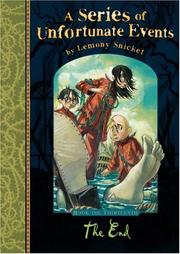
The End
Baudelaires wash on an island where others decide what safe means.
2,320-word summary · 10 min read
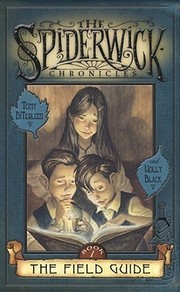
The Field Guide
Three siblings move into a creepy Maine estate, anger a brownie, and find a forbidden guide to the fairy world in the first Spiderwick book.
2,033-word summary · 9 min read
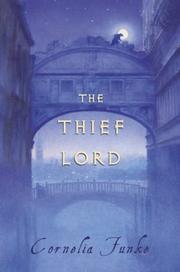
The Thief Lord
Orphaned brothers join a gang of Venice street kids and a masked Thief Lord, chasing a magic merry-go-round that can change a person's age.
2,040-word summary · 9 min read
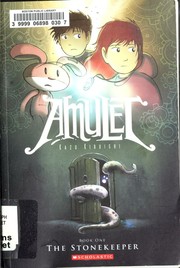
The Stonekeeper
After their father's death, Emily and Navin chase a monster into a hidden world to save their mother, and Emily's great-grandfather's amulet offers power at a…
2,753-word summary · 12 min read
When You Reach Me
A sixth grader in 1970s New York gets strange notes that seem to predict the future.
2,456-word summary · 11 min read

The Indian in the Cupboard
Omri learns a key turns plastic Little Bear into a live Iroquois man.
2,228-word summary · 10 min read

Into the Wild
Housecat Rusty joins ThunderClan and learns clan law before war.
2,597-word summary · 12 min read
Hoot
Roy tracks a shoeless boy to save burrowing owls from a pancake house.
2,290-word summary · 10 min read

Gregor the Overlander
Gregor follows Boots down a grate into the Underland and a war prophecy.
2,516-word summary · 11 min read
The Miraculous Journey of Edward Tulane
A china rabbit lost at sea learns to love through owners kind and cruel across many years.
2,002-word summary · 9 min read
The Demigod Files
Three Percy Jackson side quests plus camp maps, cabin guides, interviews, and god profiles set before the final battle.
2,498-word summary · 11 min read
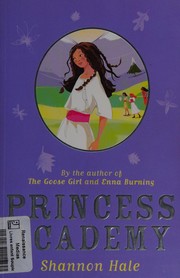
Princess Academy
Miri leaves her Mount Eskel quarry home for Princess Academy, where quarry songs, books, and a bandit siege shape her fight for fair trade, a school, and a…
2,441-word summary · 11 min read

Magyk
A baby found in snow, a lost seventh son, and a run for the Marram Marshes as Marcia Overstrand shields two children from DomDaniel.
2,604-word summary · 12 min read
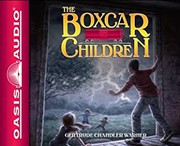
The Boxcar Children
Four Alden orphans run from a bakery, settle in an old boxcar in the woods, and learn to live on work, berries, and each other.
2,892-word summary · 13 min read

The Mysterious Benedict Society
Four gifted children pass strange tests and go undercover at a school hiding a mind control machine.
2,130-word summary · 9 min read

From the Mixed-Up Files of Mrs. Basil E. Frankweiler
Claudia and Jamie run away to the Met, chase whether a 225 dollar Angel is a Michelangelo, and trade secrets with Mrs. Frankweiler.
2,774-word summary · 12 min read

Holes
Stanley Yelnats digs holes at Camp Green Lake while a broken promise, a buried outlaw, and a boy named Zero close in around him.
2,456-word summary · 11 min read
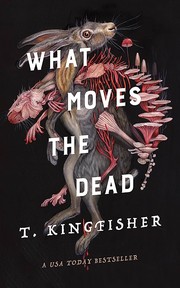
What Moves the Dead
Alex Easton arrives at the Usher house to find Madeline dying, the tarn full of fungus, and the local hares refusing to stay dead.
2,586-word summary · 11 min read
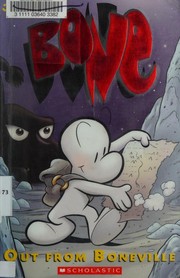
Bone, Vol. 1: Out from Boneville
Three cartoon cousins are run out of Boneville, separated by locusts, and dropped into a valley where rat creatures and an old grudge are waiting.
2,155-word summary · 10 min read