
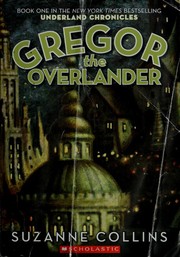
Gregor the Overlander
2,516-word summary 11 min read 336 pages in the book
- First published
- 2003
- Publisher
- Scholastic
- Pages
- 336
- ISBN
- 9780439678131
- Series
- The Underland Chronicles (#1)
Reading options
What's inside (7 sections)
I came to this one backwards. I knew Suzanne Collins from The Hunger Games, with the arena and the cameras, and a friend told me she had started years earlier with giant bats under New York. I expected something light. That was wrong. Gregor the Overlander was published in 2003 by Scholastic, runs 336 pages in the standard edition, and opens The Underland Chronicles as book one. It reads fast, like a middle grade adventure, and then it keeps making choices that feel heavier than the label suggests.
Gregor is eleven. He lives in an apartment in New York City with his mother, his grandmother, and his two year old sister Elizabeth, who everyone calls Boots. His father vanished more than two years before the story starts. He went out one day and never came back. No note that helped. No body. The family adjusted around the hole. Gregor's mother works long shifts. His grandmother has grown confused and frail. Gregor watches Boots during the summer, makes meals, does laundry, keeps the small routines going.
Collins sets this up in plain sentences. No speeches about grief. You get it from chores.
On a hot day Gregor takes Boots and the laundry down to the basement laundry room. Boots chases a ball through a hole behind a grate. Gregor goes after her. The grate gives way. They fall.
That fall is the whole hook, and Collins writes it well. It is dark, wet, long. A stone shaft. A rush of air. They land in a cavern with a strange light, and Gregor's first thought is hospital, police, how to get back up. Then the cockroaches arrive, four feet tall, speaking English, and one of them knows Boots by smell and calls her Princess.
Welcome to the Underland.
The city under the city
The Underland is a network of caverns and tunnels far below New York, lit by stone that glows and by torches in human areas. Humans live there too, in a stone city called Regalia. They are pale from lack of sun, with violet eyes and silver hair, and they have lived apart from Overlanders for centuries. They ride bats. They farm fish in underground rivers. They keep uneasy treaties with the other intelligent species.
Those species matter more than the setting details. Collins gives each group a plain name and a clear grudge.
Crawlers are cockroaches. Fliers are bats. Gnawers are rats. Spinners are spiders. There are also mice, lizards, and others at the edges. The humans are at odds with the rats in particular. The rats live in the Dead Land, breed fast, and want more territory. The last war ended badly. Everyone expects another.
Gregor learns this in pieces. He is grabbed, questioned, cleaned up, fed. People stare at Boots. A crawler named Temp claims her. A crawler named Tick helps. The humans take Gregor and Boots to Regalia because two Overlander children dropping into a war zone cannot be ignored.
Regalia itself feels strange and formal. Stone halls. Guards with swords and crossbows. A council room. A hospital ward. Kids who train with weapons from an early age. The rulers are Vikus, an older diplomat who favors peace, and his wife Solovet, who runs the military and favors control. Their granddaughter Luxa is twelve, sharp, proud, raised to lead. Her cousin Henry, around the same age, is confident and liked. They stare at Gregor like he is a rumor that walked in.
He is. The Underlanders have prophecies.
A prophecy with Gregor in it
Centuries ago a man named Bartholomew of Sandwich came down from above and wrote down visions about the Underland's future. The humans treat these texts the way some people treat weather reports and some treat scripture. With respect, with argument, with selective reading when it suits them.
One of them concerns an Overlander warrior, gray eyed, arriving with a small child who rides crawlers. It speaks of a quest of mixed species, a search, a death, a choice about rats. I am paraphrasing here on purpose. Collins quotes the verses in the book, and I do not want to reproduce them from memory and get a line wrong. The shape is what matters. The council reads Gregor as the warrior. Boots fits the child too neatly to dismiss.
Gregor wants no part of it.
This is where the book earns trust. Gregor does not volunteer for glory. He asks for a way home. He asks about his father, because a man who vanished from an apartment building could have fallen the same way. The council admits, after pressure, that they have an Overlander prisoner held by rats. A man who fell years ago and never got out. Gregor puts the pieces together fast.
So he makes a trade. He will go on their quest if they help him find his dad and get Boots home safe. Vikus agrees. Solovet agrees, though her reasons feel colder. Luxa agrees because duty tells her to. Others join for their own debts and bonds.
The party that sets out is deliberately mixed, as the prophecy requires. Two Overlanders, Gregor and Boots. Two humans of Regalia, Luxa and Henry. A bat contingent led by Ares, a young flier still proving himself. Two crawlers, Temp and Tick. Ripred, a huge rat with scars and a sharp tongue, joins as a guide. He claims he wants peace. Nobody fully believes him.
Ten questers. Different sizes, different food needs, different ideas about who counts as people. It is a peace conference on foot, moving through hostile tunnels.
Walking with cockroaches and bats
The middle of the book is travel, and Collins keeps it concrete.
Bats carry the children in short flights when the path allows, gripping with claws, dropping through shafts that smell of damp stone and old smoke. When flight is unsafe, everyone walks. Boots rides on Temp or on Gregor's back. She sings. She shares food. She names things. Crawlers love her without reservation, which unsettles the humans who were taught that crawlers are lesser.
Food is a constant problem. The party packs dried fish, bread, roots. Water comes from drips and pools that must be checked. Light comes from torches and glowing stone, and when torches die the dark feels total. Gregor gets blisters. Boots gets tired and cranky. Temp gets slow and formal and refuses to leave Boots. Tick stays close to Temp. Ares stays apart, proud and hurt, because his bondmate Henry treats him with open scorn at times.
Bonding matters here. In Regalia, a human and a bat can swear a formal bond, to fight and fly together, to guard each other. Henry is bonded to Ares, but he treats the bond as a status mark. Gregor watches this and dislikes it before he has words for why.
Dangers arrive in layers. First the terrain. Narrow ledges over drops. Rivers that pull hard. Gas pockets. Echoes that make it hard to tell where sounds start. Then the living threats. Spinners trap passages with silk. Mites swarm. Rats patrol. One encounter with spinners in a webbed tunnel is especially tense, because Boots is small enough to be carried off and Gregor cannot cut fast enough with a shaking hand.
Ripred leads them through or around most of it. He is funny in a hard way, mocking human manners, needling Vikus by reputation, teasing Gregor about being soft. He also saves them more than once. Collins lets you like him while never letting you trust him fully. That balance is careful. Every time Ripred shares useful facts about rat movements, he also reminds Gregor that rats have reasons for anger. Their pups starve. Their territory shrank after the last war. Humans broke promises too.
Luxa struggles with that. She was raised on stories where humans are right and rats are wrong. Henry rejects it outright. He sneers at Ripred, at Temp, at the idea that a quest can include creatures he sees as food or tools. Gregor, who grew up sharing a small apartment and watching his mother count cash for groceries, hears the rat complaints differently. He knows what scarcity does to people.
Small moments carry this section. Boots offering a cracker to a crawler. Ares flying night watch while others sleep. Gregor learning to hold a sword without cutting his own leg. Mareth, a guard left behind in Regalia, had shown him basics. Dulcet, Boots's gentle nurse, had packed extra clothes. Those kindnesses feel large on the trail.
My one complaint about this stretch is pace. The second and third tunnel crossings blur together. Collins moves the party from threat to threat, and after a while I stopped feeling surprise when a patrol appeared. It fits a quest story for younger readers, and the character friction keeps it alive, but two encounters could have been cut without losing plot.
Short break here for honesty. If you dislike insects, Temp and Tick will test you. Collins does not make them cute. She makes them polite, loyal, and huge. It works, but I scratched my arms while reading.
Rats, teeth, and bad choices
The quest points toward the Dead Land, where the rats hold power and where Gregor's father is believed to be kept. As they get closer, the group frays.
Henry grows colder. Luxa grows torn between cousin loyalty and doubt. Ares grows quieter. Ripred grows more watchful, as if waiting for a move he already predicted. Gregor grows more focused on one goal. Find Dad. Keep Boots breathing. Get out.
They find the prisoner. He is alive, weak, confused after long captivity in the dark. He knows Gregor's voice. That reunion scene is short, and Collins is smart to keep it short. No long speeches. A man who has been alone with rats trying to hold his son's face and learn Boots's name. Gregor has imagined this moment for years, and the real version is smaller and sadder and better.
Then the trap closes.
King Gorger, the rat ruler, has built his plan around the questers. He wants war on his terms, with the human heirs dead in rat territory and the prophecy broken or twisted to his use. Henry steps forward in that moment and stands with the rats. He has been feeding them information the whole way. He believes humans should rule without sharing, that peace talks are weakness, that rats offer a path to human dominance if the weak leaders are removed.
It lands hard because Collins planted it without shouting. Henry's contempt for Ares. His jokes about crawlers. His ease with risk when others might die. Seen again, those moments read as warning signs. On first read, many younger readers will miss them, which is the point. Betrayal by a handsome peer hurts more than betrayal by a monster.
The battle that follows is messy in the right way. Stone, teeth, wings, shouts. Ares must decide between his bonded human and what is right. Temp refuses to leave Boots even when ordered to run. Tick gives her life to shield Boots from rat claws, and Collins does not soften it. Luxa fights with skill and panic at once. Ripred fights rats, which shocks everyone, because his loyalty was always the open question. Gregor kills for the first time, and the book does not treat it as triumph.
Gregor survives. Henry does not. The cost stays on the page.
I appreciated that Collins lets Gregor hate what he had to do. He does not become a soldier in one fight. He shakes. He wants his mother. He wants the laundry room and the apartment stairs. The warrior label feels like a weight placed on a child by adults who needed a symbol.
One fair criticism. The battle relies on a few lucky breaks. A timely intervention. A missed blow. A rescue that arrives exactly when hope runs out. For a book otherwise careful about supplies and distances, the climax leans on fortune. Younger readers will likely accept it as excitement. Older readers will notice the seams.
Going home and what it costs
Getting out is not clean. The survivors limp back toward Regalia with wounds, with the rescued father barely able to walk, with Boots asleep from exhaustion, with Ares now bonded to Gregor after Henry's death. That new bond is the emotional center of the closing pages. Ares chose Gregor. Gregor chose Ares. Neither choice erases Henry.
Regalia greets them with celebration and politics at once. Vikus mourns and maneuvers. Solovet counts gains and losses. Luxa grieves her cousin and rethinks what she was taught. Ripred leaves with warnings that read as promises. War is delayed, not ended.
Gregor asks for the only payment that matters. Take us home.
They go up through the same hidden ways, with help, blinking into daylight that hurts after so long below. Back to the apartment. Back to his mother crying at the door. Back to his grandmother asking simple questions. His father needs doctors, rest, time. Boots wants to go back and see Temp. Gregor tells her no, and his voice shakes.
That last beat stayed with me. Boots loved the Underland in the way toddlers love anything with attention and singing. Gregor knows better. He knows Temp lost Tick. He knows Ares lost Henry. He knows he lost something too, even if he cannot name it yet.
So who is this for. If you want a middle grade fantasy with clear stakes, short chapters, and creatures with real personalities, this fits. If you want a war story that respects that children notice unfairness, this fits too. If you need elegant prose on every page, you may find Collins plain here. Her sentences are built for speed and clarity, not music. Dialogue does most of the work. Descriptions are brief. I found that plainness suited Gregor's voice, a tired older brother counting supplies, but readers who love rich worldbuilding detail may wish for more texture around Regalia's history.
Another note for parents. This is darker than many animal fantasies. Characters die. Teeth are used. A child kills. A father returns damaged. None of it feels cruel for shock, and Collins never lingers on gore, but sensitive readers around seven or eight may want a companion. Ages nine to twelve feel right to me, with plenty for teens and adults who follow the series.
I closed the book thinking about prophecy. The Underlanders wanted a warrior to solve a political problem. What they got was an eleven year old who kept asking where his dad was and who would not leave his sister. That refusal to play the part cleanly is what makes the first volume work. It sets up four more books where the prophecies keep coming and Gregor keeps pushing back, asking what each verse costs and who pays.
I will keep going. I want to know what happens to Ares, to Luxa, to Temp, to Ripred. More than that, I want to know if Regalia learns anything, or if it just finds a new verse to read the way it wants.
FAQ
Is Gregor the Overlander the first book in a series?
Yes. Published in 2003 by Scholastic, it is book one of The Underland Chronicles at 336 pages. Collins continued Gregor's story through four more books.
Who is Boots in Gregor the Overlander?
Boots is Gregor's two year old sister Elizabeth, who slips through a grate in their building's laundry room and pulls Gregor after her. The Underlanders call her Princess because crawlers adore her, and her safety drives much of Gregor's choices.
Is Gregor the Overlander only for young readers?
It was written for middle grade readers, but the themes of war, loyalty, and family strain hold up for older readers. The violence is direct without being graphic, and the politics around humans, rats, and bats give adults plenty to notice.
Similar books
More from The Underland Chronicles first, then related titles.
Into the Wild
Housecat Rusty joins ThunderClan and learns clan law before war.
2,597-word summary · 12 min read
The Miraculous Journey of Edward Tulane
A china rabbit lost at sea learns to love through owners kind and cruel across many years.
2,002-word summary · 9 min read
The Field Guide
Three siblings move into a creepy Maine estate, anger a brownie, and find a forbidden guide to the fairy world in the first Spiderwick book.
2,033-word summary · 9 min read
The Stonekeeper
After their father's death, Emily and Navin chase a monster into a hidden world to save their mother, and Emily's great-grandfather's amulet offers power at a…
2,753-word summary · 12 min read
The Indian in the Cupboard
Omri learns a key turns plastic Little Bear into a live Iroquois man.
2,228-word summary · 10 min read
Hoot
Roy tracks a shoeless boy to save burrowing owls from a pancake house.
2,290-word summary · 10 min read
The Demigod Files
Three Percy Jackson side quests plus camp maps, cabin guides, interviews, and god profiles set before the final battle.
2,498-word summary · 11 min read
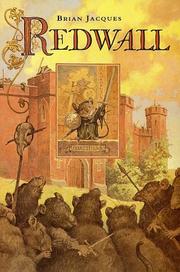
Redwall
A novice mouse hunts for Martin the Warrior's lost sword while Cluny the Scourge besieges Redwall Abbey.
2,727-word summary · 12 min read
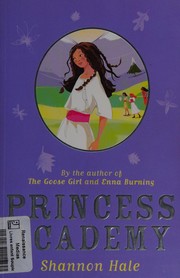
Princess Academy
Miri leaves her Mount Eskel quarry home for Princess Academy, where quarry songs, books, and a bandit siege shape her fight for fair trade, a school, and a…
2,441-word summary · 11 min read
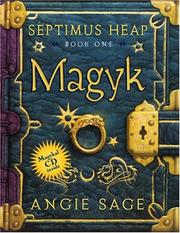
Magyk
A baby found in snow, a lost seventh son, and a run for the Marram Marshes as Marcia Overstrand shields two children from DomDaniel.
2,604-word summary · 12 min read
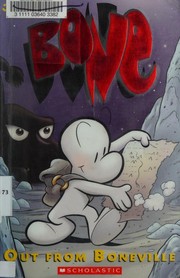
Bone, Vol. 1: Out from Boneville
Three cartoon cousins are run out of Boneville, separated by locusts, and dropped into a valley where rat creatures and an old grudge are waiting.
2,155-word summary · 10 min read
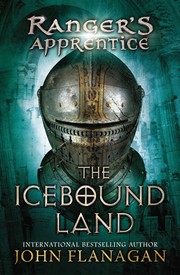
The Icebound Land
Captured and enslaved in Skandia, Will fights a drug that erases him while Halt and Horace cut a bloody road through Gallica to bring him home.
2,088-word summary · 9 min read
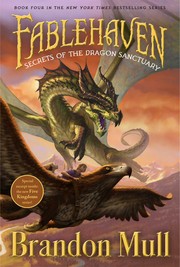
Secrets of the Dragon Sanctuary
Kendra is replaced by a plant copy and held by the Society, while Seth steals a unicorn horn so the family can enter a dragon sanctuary.
2,590-word summary · 12 min read
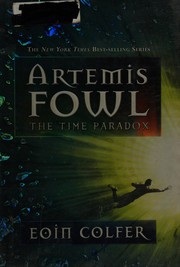
The Time Paradox
When his mother falls ill with a fairy disease, Artemis Fowl travels back in time to find the extinct lemur that can cure her and confronts his younger self.
2,601-word summary · 12 min read
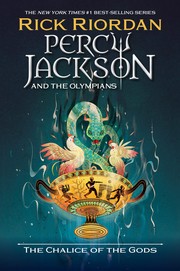
The Chalice of the Gods
Percy needs three recommendation letters from three gods to apply to college, so his first quest is recovering a stolen chalice from the god of old age.
2,106-word summary · 9 min read
Grip of the Shadow Plague
A plague turns Fablehaven's creatures of light into shadows while Kendra hunts an artifact in Arizona and Seth races to find the cause.
2,131-word summary · 9 min read
The Thief Lord
Orphaned brothers join a gang of Venice street kids and a masked Thief Lord, chasing a magic merry-go-round that can change a person's age.
2,040-word summary · 9 min read
The Borrowers
A family of tiny people live under the floorboards of an English house, borrowing what they need until a lonely boy and a suspicious housekeeper change…
2,164-word summary · 10 min read
The Penultimate Peril
Baudelaires as concierges in a hotel sort friends from foes before the end.
2,234-word summary · 10 min read
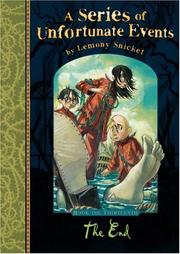
The End
Baudelaires wash on an island where others decide what safe means.
2,320-word summary · 10 min read
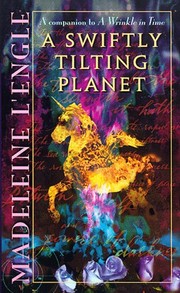
A Swiftly Tilting Planet
Charles Wallace rides time with a unicorn to stop a dictator before birth.
2,193-word summary · 10 min read
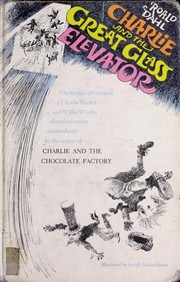
Charlie and the Great Glass Elevator
Charlie and Wonka overshoot Earth in the glass elevator, meet alien Knids, then risk age pills and Minusland.
2,514-word summary · 11 min read
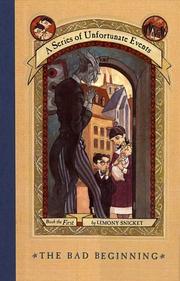
The Hostile Hospital
The Baudelaires hide in half-built Heimlich Hospital, uncover a thirteen-page file hinting a parent survived, and flee Olaf's surgery trap through fire.
2,658-word summary · 12 min read
The Grim Grotto
Snicket eleventh Baudelaire book, Sept 2004 HarperCollins, 323 pages: the Queequeg crew, Gorgonian Grotto fungus, Fiona choice, and Sunny wasabi cure that…
2,789-word summary · 12 min read
The Jungle Book
Mowgli, raised by wolves in the Seeonee Hills, learns the Law from Baloo and Bagheera while Shere Khan circles. Kipling's 1894 story collection.
2,799-word summary · 12 min read
The Carnivorous Carnival
Baudelaires hide as carnival freaks to find V.F.D. clues, facing lions, Olaf, and a fateful cliff split.
2,027-word summary · 9 min read
Stuart Little
A two-inch boy in a New York family befriends a canary, loses her, and drives off alone to find her.
2,591-word summary · 12 min read
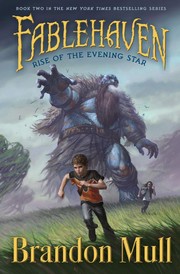
Rise of the Evening Star
Kendra and Seth return to Fablehaven as the Society of the Evening Star closes in, with a traitor inside the house and a demon prison key at stake.
2,874-word summary · 13 min read
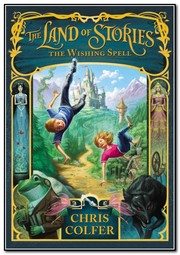
The Wishing Spell
Twins Alex and Conner fall through a book of fairy tales and must gather eight keepsakes to get home.
2,714-word summary · 12 min read
The Opal Deception
Mind-wiped Artemis steals a Munich painting while escaped pixie Opal Koboi frames Holly Short for murder and plots exposure.
2,767-word summary · 12 min read