
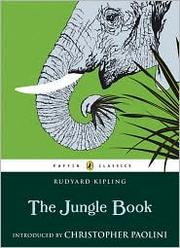
The Jungle Book
2,799-word summary 12 min read 240 pages in the book
- First published
- 1894
- Publisher
- Macmillan
- Pages
- 240
- ISBN
- 9780141325293
- Series
- Jungle Book (#1)
Reading options
What's inside (8 sections)
- A naked cub wanders into a wolf cave
- The Law, and the two teachers who enforce it
- Monkeys steal the boy and the python collects the debt
- The village, the buffalo stampede, and a tiger skin on the rock
- Seals, mongooses, elephants, and soldiers of the Queen
- What creaks, what sings, and who should try it
- Key takeaways
- FAQ
I picked up The Jungle Book because I realized my whole picture of it came from a cartoon bear singing about bare necessities. That movie is fine for what it is, but it has almost nothing to do with the thing Rudyard Kipling actually published with Macmillan in 1894. The real book is stranger and sterner. It is a collection of seven stories plus a handful of songs, set mostly in an Indian jungle, about a boy raised by wolves, a mongoose with a temper, a white seal looking for a safe beach, and an elephant boy who sees something no other human gets to see. I read it across a slow weekend, a story or two at a time, which feels like the right pace. These tales first ran in magazines in 1893 and 1894 before Macmillan gathered them, and they still read like fireside pieces meant to be told aloud.
One surprise for me was how little of the book is Mowgli. Only three of the seven stories follow him. The rest wander off to other corners of Kipling's India. Another surprise was the tone. People call this a children's classic, and children can love it, but whole passages are written in a thick, rolling style that asks a lot of a young reader. Then a paragraph later you get a joke or a bit of jungle gossip that feels completely modern. That unevenness is part of the charm, as long as you go in expecting a story collection and not a novel.
A naked cub wanders into a wolf cave
The opening story, "Mowgli's Brothers," starts the way fairy tales start, with a small disaster. A tiger called Shere Khan, lame in one foot and bad tempered about it, attacks a woodcutter's camp and misses. A toddler wanders away from the camp in the confusion and toddles straight into the home of a wolf family in the Seeonee Hills. Father Wolf and Mother Wolf, whose private name is Raksha, which means something like the demon or the protector depending on your telling, decide to keep him. They name him Mowgli, which Kipling tells us means frog, because the hairless little creature looks like one.
Shere Khan shows up demanding his rights. His argument is that the cub is his by the law of the hunt, since he missed his proper kill. Mother Wolf refuses him flat, and the standoff might have ended badly if two heavyweights had not spoken up at the Pack Council. Baloo, the old brown bear who teaches the wolf cubs the Law of the Jungle, speaks for the man-cub. Bagheera, the black panther, buys the cub's place in the Pack with the price of a freshly killed bull. Akela, the big grey lone wolf who leads the Pack from the Council Rock, accepts the bargain. So Mowgli grows up running with the cubs, learning to stare down enemies and to answer the Master Words of the jungle in the right tongue, whether the speaker has feathers or scales or fur.
What I liked here is how plainly Kipling sets the terms. Mowgli is not a prince and there is no prophecy. He is adopted because a mother wolf liked the look of him and because two respected animals spent their standing on him. Everything after that, he has to earn. My one wobble, even this early, is Tabaqui the jackal, Shere Khan's snickering sidekick, who feels drawn from a shelf of sneaky flunkies. But the Council Rock scene itself is strong, and Bagheera paying a bull for a frog-sized baby is the kind of detail that stays with you.
The Law, and the two teachers who enforce it
You cannot talk about this book without talking about the Law of the Jungle, because Kipling keeps stopping the action to recite bits of it. The verses run through the stories like fence posts. Now this is the Law of the Jungle, as old and as true as the sky. The wolf that shall keep it may prosper, but the wolf that shall break it must die. As the creeper that girdles the tree trunk, the Law runneth forward and back. For the strength of the Pack is the Wolf, and the strength of the Wolf is the Pack. Wash daily from nose tip to tail tip. Drink deep but never foul the water. Kill only when hungry, and never kill man except when teaching your young what the Master Words mean. It goes on in that vein, practical rules mixed with poetry, and Baloo hammers it into every cub, Mowgli included.
Baloo is one of my favorite things in the book. He is a teacher before he is anything else, a sleepy old bear who will cuff a pupil for getting a verse wrong and then explain it again without grudge. Bagheera is his opposite in style. Where Baloo is broad daylight and repetition, Bagheera is night sense and advice given sideways. He loves Mowgli, truly, but he never lets the boy forget he is weak in tooth and claw compared to the Pack, and that his power will have to come from elsewhere, from his eyes and his hands and the Red Flower, which is what the animals call fire.
There is a lot to admire in this setup and also something worth naming. The Law is a code of obedience dressed up as nature, and Kipling clearly loves codes. Obey the elders, know your place, take your turn at the kill. A modern reader, especially a younger one, might hear all that as stuffy. I hear it as Kipling working out what he thought held societies together, using wolves as his mouthpiece. It gives the Mowgli stories their backbone. It also makes them feel, in places, like lessons wearing animal suits. Both things can be true. The book is at its best when the Law collides with a situation it cannot cover, which is exactly what the next two stories do.
Monkeys steal the boy and the python collects the debt
"Kaa's Hunting" is the adventure that most readers remember, even if they remember it wrong. Mowgli gets curious about the Bandar-log, the monkey tribe that has no law, no leaders, and no memory worth trusting. Baloo has forbidden the cubs to have anything to do with them, which of course makes them fascinating. The monkeys flatter Mowgli, tell him he is clever, carry him off through the treetops to their ruined city, the Cold Lairs, an old human place full of broken roofs and empty tanks where the monkeys chatter that they are a great people with noble laws, none of which they follow.
Baloo and Bagheera come after him, and both of them know they are in trouble. Bears and panthers cannot fight a hundred monkeys in the treetops. So they do something neither likes. They ask Kaa for help. Kaa is a rock python, thirty feet of slow muscle, vain about his strength and touchy about being called a yellow earthworm, which the monkeys do, fatally. What follows is a set piece I found genuinely thrilling. Kaa arrives, the monkeys pour down out of curiosity, and Kaa begins the Hunger Dance, swaying and weaving his head until the monkeys cannot look away and walk forward in lines to be eaten. Bagheera has to drag Mowgli away before the dance takes him too, and Baloo, half hypnotized himself, has to be hauled off by the scruff.
Two things struck me on this read. First, Kipling lets his heroes use a monster to kill their enemies and then feel queasy about it, which is more honest than most adventure writing. Mowgli is grateful and horrified at once. Baloo admits the monkeys had it coming and still looks shaken. Second, the story quietly tells you what Mowgli is. He alone among the rescuers can look Kaa in the face during the dance and live, because man has a different kind of attention. Bagheera says something close to that afterward. It is the first clear sign that the boy does not belong wholly to either world, jungle or village, and that his story will have to end with a choice.
The village, the buffalo stampede, and a tiger skin on the rock
"Tiger! Tiger!" closes the Mowgli portion of this book, though Kipling would bring the boy back in the follow-up volume. It opens with Mowgli driven out of the Pack. Akela has missed his kill and grown old, Shere Khan has poisoned the younger wolves against the man-cub, and at the Council Rock Mowgli holds them off with a burning branch, the Red Flower, and speaks bitterly to wolves who owe him their full bellies. Then he does the hard thing. He goes to men.
The village chapters are my favorite stretch in the whole collection. Mowgli is taken in by Messua, a woman who believes he may be her lost son Nathoo, carried off by a tiger years before. Nobody can prove it either way, and Kipling leaves the question open in a way I found moving. Mowgli learns to herd buffalo for the village, contemptuous of the slow cattle work, sleeping through the heat of the day, mocked by the village hunter Buldeo for his wild manners and his refusal to fear the tiger. Buldeo tells tall tales about Shere Khan and about ghosts and magic, and Mowgli laughs in his face, which does not make him popular.
The ending is brutal and grand. Warned by Grey Brother, one of his wolf brothers, that Shere Khan means to kill him at the ravine, Mowgli splits his buffalo herd, catches the lame tiger sleeping in a gorge, and stamps him flat under two lines of charging cattle. Then, with the help of Akela, he skins the tiger and pegs the huge striped hide to the Council Rock, where the Pack can see what became of the beast that demanded his life as a cub. But there is no homecoming. The villagers, finding him in the company of wolves and hearing Buldeo's stories of sorcery, drive him out with stones. Mowgli stands between, belonging to neither side, and cries, in the book's saddest line of dialogue, that he has to go and that he does not know where.
I sat quiet after that chapter. For a book people file under children's fun, it is unsparing about what growing up costs. Mowgli wins, completely, and the win still leaves him alone. If you only know the cartoon, where everything ends in song, this lands like cold water. Good cold water.
Seals, mongooses, elephants, and soldiers of the Queen
The four non-Mowgli stories are uneven, and I want to be straight about that, because they make up more than half the book. "The White Seal" follows Kotick, a seal pup born on the crowded beaches of Novastoshnah who watches the yearly slaughter of his people by sealers and goes looking for a safe shore where seals can live unharmed. He travels the oceans for years, mocked as a dreamer, until he finds a hidden beach guarded by surf and cliff, and leads his people there. It is sweet and slow, with lovely sea writing, and young animal lovers tend to adore it. I found it a touch long for its moral, but the Lukannon verses about the beach have real music in them.
"Rikki-Tikki-Tavi" is the crowd pleaser and probably the single most famous thing Kipling ever wrote. Rikki is a young mongoose, washed out of his burrow by a flood, taken in by an English family with a small boy called Teddy. The garden is ruled by two cobras, Nag and Nagaina, who plan to kill the humans so the garden goes back to snakes. What follows is a small war told at ground level. Rikki kills Nag in the bathroom after a desperate fight, destroys Nagaina's eggs except one, which he uses as a hostage, and finally chases Nagaina down her own hole and kills her underground, out of sight, while the tailorbird Darzee sings victory songs and the muskrat Chuchundra whimpers in the walls. It is exciting in a way the seal story never tries to be. The fights are specific, the stakes are a child's life, and Rikki's swagger is enormous fun. No wonder it gets anthologized everywhere.
"Toomai of the Elephants" is quieter. Little Toomai, son and grandson of elephant handlers, longs to be a real catcher of wild elephants, but the men laugh that he must wait till he has seen the elephants dance, something no human has ever witnessed. One night he follows his father's elephant Kala Nag into the jungle and watches the great animals clear a glade and dance under the moon, rank on rank of them, while native drums beat somewhere far off. Nobody believes him after, except the head hunter, who marks him as favored. The story is slight on plot and heavy on atmosphere, and it worked on me. The dance scene is the most purely magical passage in the book.
"Servants of the Queen," sometimes titled "Her Majesty's Servants," is the odd one out, and I will not pretend otherwise. On the night before a military parade, the camp animals talk among themselves about their work. Billy the mule explains army discipline, Two Tails the elephant complains about being aimed at, the horses and bullocks and camels each give their view of fear and duty. It is Kipling the old India hand writing for soldiers and officials, and a modern kid picking up the book for Mowgli may well stall here. Adult readers interested in how Kipling saw empire will find it revealing. Everyone else can skim without guilt.
Between the stories sit the songs, and I came to enjoy them as palate cleansers. The Hunting-Song of the Seeonee Pack, the Road-Song of the Bandar-Log with the monkeys boasting about their wonderful ways, Mowgli's Song against people, Darzee's Chaunt sung from the top of an onion, Shiv and the Grasshopper, and the Parade-Song of the Camp-Animals. Some scan better silent, some beg to be read aloud. Skipping them is allowed. Reading them aloud to someone is better.
What creaks, what sings, and who should try it
Let me be honest about the book's age, because it matters. Kipling was born in Bombay, grew up between India and England, and wrote these stories in Vermont while missing India hard. His India is felt and observed and also, at times, used as scenery for British ideas about order. The Law of the Jungle can read as a colonial officer's fantasy of cheerful obedience. Some descriptions of native villagers are patronizing. Buldeo is a caricature of a superstitious native as often as he is a character. None of this stopped me enjoying the book, but I would not hand it to a kid without being ready to talk about it. The Disney version sanded all this off. The book kept it in.
There are craft complaints too. The pacing sags in the seal story and stalls in the camp animals story. Kipling's sentences can pile up clauses until you lose the thread, especially in the descriptive passages. And if you come wanting a novel, the stop-start shape of seven stories plus poems may frustrate you. This is a collection wearing a novel's fame.
Still, I am glad I finally read it straight through, and I think most readers who like animal stories with teeth will be glad too. The Mowgli chapters are genuinely thrilling, Rikki-Tikki-Tavi earns its fame, and Toomai's elephant dance is worth the price on its own. What holds it all together is Kipling's attention to how animals actually move and sound. Wolves cough, bears grunt and cuff, panthers go silent before they strike, mongooses chatter with their tails as much as their teeth. Whatever you think of his politics, the man watched creatures closely, and it shows on every page.
If you try it, my advice is simple. Read one story an evening, poems included, and give yourself permission to like some tenants of this jungle more than others. Start with "Mowgli's Brothers," end your first sitting with "Kaa's Hunting," and save "Tiger! Tiger!" for a night when you can sit a while after. The book is 240 pages in the standard Puffin paperback, short enough to finish in a week of evenings. The songs at the end of each tale make good markers. When the last hide is pegged to the Council Rock and the boy walks off alone, you will know exactly why this strange, stern, beautiful collection has stayed in print since 1894.
FAQ
Is The Jungle Book a novel about Mowgli?
No. Only three of the seven stories follow Mowgli. The rest follow a mongoose, a white seal, an elephant boy, and army camp animals, with poems set between the tales.
What edition facts should I know?
Kipling published the collection with Macmillan in 1894 after the stories ran in magazines in 1893 and 1894. The standard Puffin paperback runs 240 pages and carries ISBN 9780141325293.
Is it suitable for young children?
Older children usually manage it best. The sentences can be dense, some attitudes show the book's colonial age, and Tiger Tiger ends on a lonely note worth discussing together.
Similar books
More from Jungle Book first, then related titles.
Mrs. Frisby and the Rats of NIMH
A widowed mouse races the spring plow to save her sick son Timothy, and finds help from the intelligent rats of NIMH hiding under the rosebush.
3,159-word summary · 14 min read
Make Way for Ducklings
A pair of mallards raise eight ducklings on the Charles River and lead them across Boston to the Public Garden, with a little help from a friendly policeman.
2,044-word summary · 9 min read
The Mitten
Jan Brett retells a Ukrainian folktale about a boy, a lost white mitten, and the woodland animals that crowd inside until a bear sneezes.
2,609-word summary · 12 min read
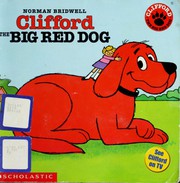
Clifford the Big Red Dog
Emily Elizabeth picks the smallest puppy in the litter, loves him as hard as she can, and wakes up to a dog the size of a house.
2,092-word summary · 9 min read
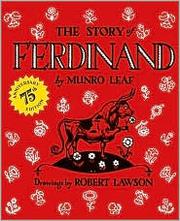
The Story of Ferdinand
A gentle Spanish bull would rather smell flowers than fight, and when he is taken to the bullring he simply sits down among the flowers in the ladies' hats.
2,135-word summary · 9 min read
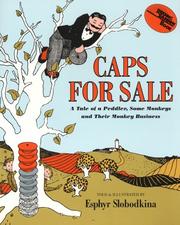
Caps for Sale
A peddler balances his caps on his head, naps under a tree, and wakes to find monkeys wearing his stock in this 1940 picture book.
2,787-word summary · 12 min read
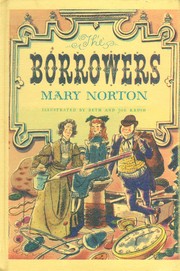
The Borrowers
A family of tiny people live under the floorboards of an English house, borrowing what they need until a lonely boy and a suspicious housekeeper change…
2,164-word summary · 10 min read
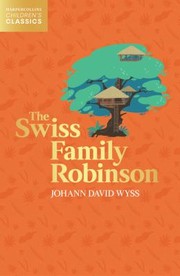
The Swiss Family Robinson
Shipwrecked Robinsons build treehouses and tame island beasts.
2,400-word summary · 11 min read
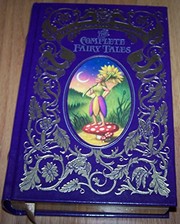
The Complete Fairy Tales
Mermaids, snow queens and tin soldiers in the full Andersen collection.
2,414-word summary · 11 min read
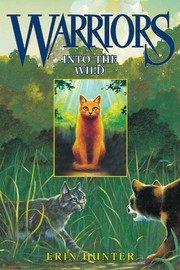
Into the Wild
Housecat Rusty joins ThunderClan and learns clan law before war.
2,597-word summary · 12 min read
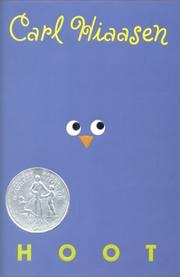
Hoot
Roy tracks a shoeless boy to save burrowing owls from a pancake house.
2,290-word summary · 10 min read
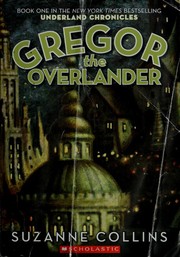
Gregor the Overlander
Gregor follows Boots down a grate into the Underland and a war prophecy.
2,516-word summary · 11 min read
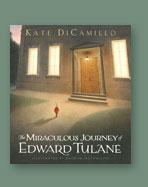
The Miraculous Journey of Edward Tulane
A china rabbit lost at sea learns to love through owners kind and cruel across many years.
2,002-word summary · 9 min read
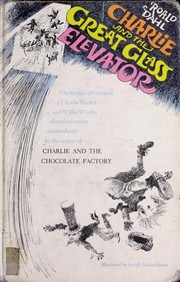
Charlie and the Great Glass Elevator
Charlie and Wonka overshoot Earth in the glass elevator, meet alien Knids, then risk age pills and Minusland.
2,514-word summary · 11 min read
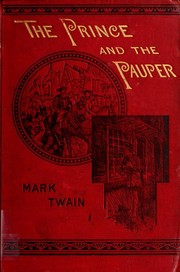
The Prince and the Pauper
Tom Canty and Prince Edward swap clothes in Tudor London and live each other's lives, from palace dinners to prison cells, until a hidden seal decides the…
2,979-word summary · 13 min read
Redwall
A novice mouse hunts for Martin the Warrior's lost sword while Cluny the Scourge besieges Redwall Abbey.
2,727-word summary · 12 min read
Stuart Little
A two-inch boy in a New York family befriends a canary, loses her, and drives off alone to find her.
2,591-word summary · 12 min read
Aesop's Fables
Short animal tales of hares, foxes, ants, and wolves that still sting: old fables in plain modern English.
2,916-word summary · 13 min read
The Twits
Mr. and Mrs. Twit trade vile pranks and torment caged monkeys until the birds and monkeys flip the house on them.
2,864-word summary · 13 min read
The Boxcar Children
Four Alden orphans run from a bakery, settle in an old boxcar in the woods, and learn to live on work, berries, and each other.
2,892-word summary · 13 min read
Fantastic Mr. Fox
Mr. Fox raids three cruel farmers to feed his family, then outdigs tractors and a siege to host a feast underground.
2,910-word summary · 13 min read
Curious George
Curious George retold: a monkey sails from Africa to the city, phones the fire station, floats off on balloons, and finds home.
2,979-word summary · 13 min read
Brown Bear, Brown Bear, What Do You See?
A rhythmic animal parade teaches colors and names, from brown bear to schoolchildren.
3,226-word summary · 14 min read
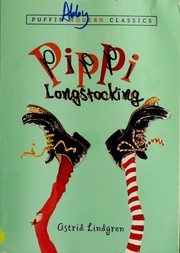
Pippi Longstocking
A super-strong nine-year-old lives alone in Villa Villekulla, upending school, circus and town rules with neighbors Tommy and Annika.
3,115-word summary · 14 min read
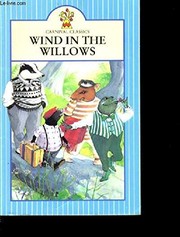
The Wind in the Willows
Mole, Rat, Badger, and Toad mess about in boats, lose themselves in the Wild Wood, and retake Toad Hall.
2,033-word summary · 9 min read
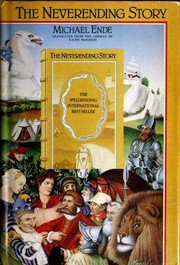
The Neverending Story
Bastian steals a book about Fantastica dying and learns he must name and wish to save it.
1,941-word summary · 9 min read
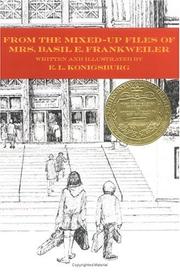
From the Mixed-Up Files of Mrs. Basil E. Frankweiler
Claudia and Jamie run away to the Met, chase whether a 225 dollar Angel is a Michelangelo, and trade secrets with Mrs. Frankweiler.
2,774-word summary · 12 min read
The Tale of Peter Rabbit
Peter Rabbit disobeys his mother, squeezes under the gate into Mr. McGregor garden, and ends in a chase back home to chamomile tea.
2,157-word summary · 10 min read
Are You My Mother?
A newborn bird falls from the nest and asks a kitten, a hen, a dog, a cow, a plane and a giant Snort if any will be his mother.
2,351-word summary · 10 min read
The Silver Chair
Eustace and Jill retold: four signs, a lost prince, Puddleglum the Marsh-wiggle, giants at Harfang, and the Lady below.
2,940-word summary · 13 min read