
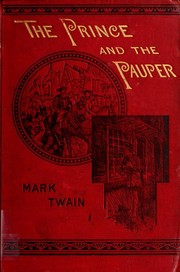
The Prince and the Pauper
2,979-word summary 13 min read 401 pages in the book
- First published
- 1881
- Publisher
- James R. Osgood & Co.
- Pages
- 401
- ISBN
- 9780451526625
Reading options
What's inside (8 sections)
I came to this book sideways, through a used paperback with a cracked spine that I bought for a dollar because I wanted something short after a run of long modern novels. I expected a simple costume story for kids. What I got was stranger and sadder than that, and funnier in places, too. Mark Twain published it first in Canada in 1881, then in the United States in 1882 from James R. Osgood & Co., running 401 pages in that first American edition. It is set in Tudor London in the last years of Henry VIII, and it follows two boys born on the same day who trade clothes and then trade lives. One is Tom Canty, a pauper from Offal Court. The other is Edward Tudor, Prince of Wales. Twain tells you at the start that the birth of one was celebrated and the birth of the other was not, and the whole novel grows out of that split.
My first surprise was how much time Twain spends in Offal Court before he lets you near the palace. Tom lives with his father John Canty, a thief and beggar with a quick hand, his mother, who still has some softness in her, his twin sisters Bet and Nan, and a grandmother who begs and drinks. Their room is narrow and cold. The family sleeps close. Food is thin soup and crusts when there is food at all. John Canty spends what little comes in on drink and then lashes out at the children. Tom sleeps on straw and wakes to shouting from the court below, where peddlers, beggars, and pickpockets argue over scraps.
What saves Tom is not money but reading. A kind old priest named Father Andrew teaches him to read and write, gives him Latin, and lends him stories about kings, processions, palaces, and grand ladies. Tom starts to dream in those pictures. He invents a court of his own among the boys of the neighborhood. He plays the prince, with proper speech and bows, while the other boys play lords and guards. People laugh at first, then they start to play along because Tom does it so well. He begs in the streets by day, holding out his hand near the Strand, and at night he imagines velvet and trumpets. That mix of hunger and imagination is the engine of the early chapters. You believe both halves. You believe he is starving, and you believe he would walk miles just to see a real prince pass in a carriage.
Two births and a beating at the gate
Edward Tudor lives at the other end of the city, wrapped in ceremony from the moment he wakes. Servants dress him. Great men bow when he passes. He studies Latin and Greek, learns sword work, hears petitions, and gets tired of being watched every minute. Twain makes him decent rather than spoiled. He is lonely, quick tempered, proud of his rank, but also curious about ordinary life. When Tom finally works up the courage to push through a crowd near the palace gate to stare, a sentry knocks him down for coming too close. Edward sees it from a window or from the yard, calls the guard off, and brings the ragged boy inside.
That scene matters because Twain stages it as a meeting of equals who happen to look alike. In the palace, with no one else present, the boys stare at each other. Same height. Same face. Same hair, once the dirt is imagined away. Even the same birthday, as they learn when they trade stories. Tom has never seen such a room, with silk and carved wood and a fire that does not smoke. Edward has never heard such a plain account of hunger, beatings, games in the mud, and Father Andrew. They start trying on each other's clothes for fun, Tom in silk and Edward in rags, and then Edward notices a bruise on Tom's hand from the sentry. He takes off the rags in a flash of anger, meaning to go out and punish the guard himself, still wearing Tom's patched coat and trousers.
The guard does what guards do to a boy in rags shouting orders. He shoves Edward into the street and laughs. The crowd laughs. Tom, in princely clothes, tries to call out, but the household stops him. Courtiers assume the prince is playing some game or has taken ill in his head. Within minutes the mistake hardens into fact. Tom is kept inside as the prince. Edward is outside as a pauper. Neither boy planned it. That accident, sudden and almost silly, locks the rest of the plot in place.
I liked how fast Twain moves here. He does not waste chapters on debate. One minute the boys are comparing hands, the next minute the doors are shut between them. It feels like a playground swap that turns serious because adults refuse to listen to children.
Tom in silk and the dying king
Tom's first days in the palace are a panic acted out in whispers. He does not know how to sit at table, which spoon to lift, when to stand, how to sign a paper, or what to say when great lords kneel. Servants watch him for signs of madness. The king's counselors, among them Lord Hertford and Lord St John, confer in corners. The court doctor is called. Word goes around that the prince has lost his memory after some shock. Tom is terrified he will be found out and punished, so he copies what he sees and says as little as he can.
Then something unexpected happens. Tom turns out to have a decent heart for the work, even if he lacks the training. When petitioners and accused persons are brought before him, he listens. He asks plain questions that cut through court flattery. In one famous case involving a woman accused of a small theft and other low cases of the sort that usually get pushed through fast, he refuses to condemn on thin proof. He insists on hearing the witnesses separately. He notices fear and confusion where others see guilt. People at court start saying the prince has grown strangely merciful since his illness.
Twain also gives Tom a guide in Humphrey Marlow, the prince's whipping boy, a lad kept to be beaten whenever Edward misbehaved at lessons, since no one could beat a prince directly. Humphrey explains court routine to Tom in plain terms. He tells him who is who, what the seals and papers mean, how to behave at dinner, what the king likes. Their scenes are warm and a little sad. Humphrey is relieved to be useful instead of sore. Tom is relieved to have one person he can ask without shame.
Above all this hangs Henry VIII, sick and heavy and near death. Twain does not make him a cartoon tyrant here. He shows him as a tired, pained man who still has sudden flashes of will. He loves his son in his own rough way and is troubled by reports that Edward is strange. He questions Tom closely once, testing memory, and Tom answers with enough honesty mixed with confusion that the king decides it is sickness, not treason. When Henry dies in the middle of the book, the power shifts. Tom, still taken for Edward, is now treated as king. The machine of succession starts moving, and a frightened boy from Offal Court is carried along toward a coronation he never sought.
One detail I kept thinking about is the Great Seal of England. Early on, the real prince handles it and then hides it away in a safe place. Tom, who knows nothing of its hiding spot, cannot produce it when asked, and its absence becomes a quiet thread that will matter later. Twain plants it without a drum roll. At the time you are more focused on whether Tom will survive dinner without spilling soup on a duke.
Edward in rags and John Canty
Edward's half of the story is harsher by design. Thrown into the street in Tom's clothes, he shouts that he is Prince of Wales and gets mocked for it. Boys chase him. A drunk offers him scraps as a joke. When he finds his way to Offal Court and knocks on John Canty's door, claiming his own identity, John Canty answers with his fists. To Canty, this is Tom playing mad or lying to dodge work. He beats the boy, drags him along to beg, and teaches him the cant of thieves. Tom's mother is unsure. She sees something changed in the eyes and manner, and she tests him with small memories only Tom would know. Edward fails those tests because he is not Tom, and the moment passes.
Twain does not soften this section. Edward sleeps in filth. He goes hungry in a way he never imagined hunger could feel. He is forced to beg and steal, cuffed for clumsiness, jeered at for speaking like a book. His pride, which at the palace looked like proper spirit, now looks like a danger to himself. He refuses to take off his imagined rank. He orders grown thieves as if they were courtiers. That stubbornness gets him hit again and again. Slowly, without ever becoming meek, he starts to pay attention. He learns how law feels from below, how a constable can be bought, how a night in a cell can happen on one man's word, how poor people live with fear of the stocks and the lash.
The John Canty chapters follow a gang of thieves and beggars who gather in barns around London and Southwark. They keep mock kings and rules of their own. Edward despises them and watches them. When Canty kills Father Andrew, the priest who taught Tom to read, Edward must run again as a supposed witness, with soldiers and angry neighbors behind him.
By the time Edward vows to change unjust laws if he regains the throne, you believe him because his back still hurts.
Miles Hendon and the road out of London
If the book has a soul outside the two boys, it is Miles Hendon. Edward meets him after a beating, half drowned in mud and pride, and Miles, a tall soldier just returned from the wars on the Continent, steps in with a sword and a joke. Miles is shabby, loud, kind, and a little cracked by disappointment. He takes Edward for a poor mad boy and decides to protect him anyway. He calls him his little knave and his pet, feeds him, finds him corners to sleep in, and listens to his grand claims with amused patience. When Edward insists he is prince, Miles plays along as if humoring a child, while privately deciding the boy needs a guardian.
Miles has his own wound. He is the younger son of a country house, Hendon Hall, with an elder brother Hugh and a loved neighbor girl, Lady Edith, whom Miles hoped to marry. While Miles was away fighting, Hugh spread word that Miles was dead, took the property and title, and married Edith. When Miles brings Edward toward the Hall hoping for shelter and proof of who he is, Hugh denies him coldly and has him driven off. Edith looks away. Whether she truly fails to know him or is afraid to speak is left painful and unclear. That rejection bends Miles but does not break his loyalty to Edward. He has lost his home and still refuses to abandon a stray boy.
Their road gives Twain his best adventure writing. They are taken up as vagrants and sit in prison among debtors and poachers. Edward watches punishments he once only read about. He shares bread and learns names. Miles uses soldier tricks to find food and talk past constables, taking beatings meant for Edward.
There is also a dark stop with a hermit in the woods, half holy and half mad, who means to kill the supposed prince. Edward escapes by luck and speed. Later the two are separated by a mob around news of the king's death, with criers shouting that Edward is king while the real Edward stands in rags unheard.
What I liked most in this stretch is how the friendship changes. At first Miles pities Edward. Then he respects him. Edward, for his part, starts as a boy who expects obedience and ends as a boy who asks for help and says thanks. When Miles is clapped in prison on a false charge, Edward refuses to leave him, even when he could slip away. That choice, made in mud outside a jail, tells you more about kingship than any throne room speech.
The coronation and the hidden seal
Back in London, Tom is being prepared for coronation. Tailors, priests, lords, heralds, trumpeters, all the machinery of state gathers around a boy who still dreams of Offal Court. Tom's mother comes to stare at a procession and recognizes something in his face. She takes his hand in the crowd. For a second Tom almost claims her, then fear and shame stop him, and he denies her. The look on her face stays with him. It is one of the few moments where Twain lets Tom seem less innocent. He chooses safety over love, and he knows it.
Tom also does some good with his short power. He pardons or lightens punishments where he can. He listens to old soldiers. He remembers Humphrey Marlow and protects him. He tries to learn the business of seals and warrants without exposing himself. But he cannot produce the Great Seal when officers ask for it, because he never knew where Edward put it. That missing piece gnaws at the counselors. They cover the gap with ceremony and hurry toward crowning, hoping ritual will settle doubt.
The coronation scene is the payoff Twain has been building toward. Westminster is packed. Bishops and nobles in color. Music echoing off stone. Tom, pale in heavy robes, walks forward to take the crown of England. Just as the Archbishop lifts it, a ragged boy pushes forward with Miles Hendon at his side, shouting that he is Edward and that the other is Tom Canty. Guards grab him. Laughter and anger mix. Then the ragged boy does something no impostor could fake easily. He describes where the Great Seal is hidden, inside the palace, tucked in a suit of armor where Edward himself left it before the swap, a place Tom never saw. Men are sent to look. They find it exactly there. The hall goes quiet.
Twain handles the reveal with restraint. He does not turn it into a long trial. The truth is plain once the seal appears. Tom steps forward himself and confirms it. He kneels. Edward takes his place, not as a triumphant hero but as a tired boy who has learned how heavy a crown feels even before it touches his head. He is crowned Edward VI. The crowd that mocked him in the streets now shouts his name. Miles Hendon is rewarded and made Earl of Kent, with the rare right to sit in the king's presence, a favor Twain clearly enjoys granting. Tom is taken into royal care as the King's Ward, kept near, clothed and schooled, honored for the mercy he showed while wearing another boy's life. John Canty disappears from the story into the dark he came from, unpunished in law but cut off from his son.
I was moved by how little revenge there is in this ending. Edward could punish half of London. He pardons. He remembers the prison, the stocks, the hermit's hut, the cold barn, and he orders changes where he can. Twain tells us Edward ruled with unusual mercy for his short reign, and that people who had suffered under harsh statutes found some relief. Whether history fully supports that picture is another matter, but inside the novel it feels earned because we saw where the mercy came from.
What sings and what drags
There is a lot to admire, and a few things that pulled me out. The best parts are concrete. A state dinner where Tom does not know what to do with a finger bowl. A prison breakfast of rank bread. Hendon Hall with its cold hall and turned faces. Those scenes have the Twain snap I know from his Mississippi writing.
The old speech is harder. Twain writes Tudor talk in thee and thou and prithee, and after a while it feels pasted on. Miles sounds lively when he jokes. Other lords sound alike in long conferences, and Tom and Edward slip between boy talk and stage history talk in ways that distract.
Coincidence does a lot of work. The shared face and birthday start the book, which is fair since Twain warns you it is a fable. But later rescues arrive just in time too often, and one escape follows another in the middle without changing the terms.
Twain also preaches. He hates cruel punishment and the worship of rank, and wants you to hate them too. Usually the story carries that on its own. Now and then he steps in to explain the lesson at length, and those passages read like editorials tucked into an adventure. Sincere, but slow.
None of that spoiled the book for me. The swap shows how much of power is clothing and habit. Tom learns mercy is possible inside a stiff system. Edward learns justice means little until you have stood where the accused stands. Miles steals every scene, and his right to sit while others stand feels like Twain winking at court ritual. If you accept the old diction and a slow patch on the road, the coronation payoff is worth the walk.
FAQ
How do Tom Canty and Prince Edward swap places?
They meet at the palace gate after a guard knocks Tom down. Inside they find they share a face and birthday, try on each other's clothes, and Edward runs out in rags to punish the guard.
What is the Great Seal and why does it matter?
Edward hides it before the swap, Tom cannot produce it, and at the coronation Edward names its place inside a suit of armor. Men find it there, which proves his claim.
Is the book slow or hard to read in places?
The old diction is thick, the middle road chapters repeat escapes, and Twain sometimes explains the moral at length. Readers who accept the fable setup still get a strong coronation payoff.
Similar books
The Adventures of Tom Sawyer
Tom Sawyer skips school, chases Becky Thatcher and sees Injun Joe kill in a graveyard on the Mississippi.
3,439-word summary · 15 min read
The Borrowers
A family of tiny people live under the floorboards of an English house, borrowing what they need until a lonely boy and a suspicious housekeeper change…
2,164-word summary · 10 min read

The Swiss Family Robinson
Shipwrecked Robinsons build treehouses and tame island beasts.
2,400-word summary · 11 min read
Charlie and the Great Glass Elevator
Charlie and Wonka overshoot Earth in the glass elevator, meet alien Knids, then risk age pills and Minusland.
2,514-word summary · 11 min read
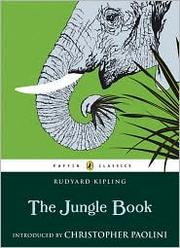
The Jungle Book
Mowgli, raised by wolves in the Seeonee Hills, learns the Law from Baloo and Bagheera while Shere Khan circles. Kipling's 1894 story collection.
2,799-word summary · 12 min read
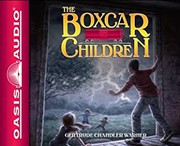
The Boxcar Children
Four Alden orphans run from a bakery, settle in an old boxcar in the woods, and learn to live on work, berries, and each other.
2,892-word summary · 13 min read
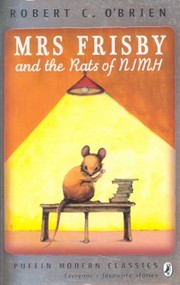
Mrs. Frisby and the Rats of NIMH
A widowed mouse races the spring plow to save her sick son Timothy, and finds help from the intelligent rats of NIMH hiding under the rosebush.
3,159-word summary · 14 min read
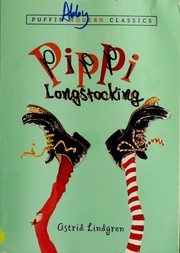
Pippi Longstocking
A super-strong nine-year-old lives alone in Villa Villekulla, upending school, circus and town rules with neighbors Tommy and Annika.
3,115-word summary · 14 min read
The Neverending Story
Bastian steals a book about Fantastica dying and learns he must name and wish to save it.
1,941-word summary · 9 min read
From the Mixed-Up Files of Mrs. Basil E. Frankweiler
Claudia and Jamie run away to the Met, chase whether a 225 dollar Angel is a Michelangelo, and trade secrets with Mrs. Frankweiler.
2,774-word summary · 12 min read
The Silver Chair
Eustace and Jill retold: four signs, a lost prince, Puddleglum the Marsh-wiggle, giants at Harfang, and the Lady below.
2,940-word summary · 13 min read
The Phantom Tollbooth
A bored boy drives a toy car through a magic tollbooth into the Kingdom of Wisdom and learns to care about words, numbers and time.
2,765-word summary · 12 min read
The Last Battle
Lewis ends Narnia: Shift ape false Aslan, King Tirian last stand, Jill and Eustace at Stable Hill, and a morning beyond the world.
3,037-word summary · 13 min read
The Horse and His Boy
Shasta and Bree flee Calormen to Narnia with Aravis and Hwin.
2,594-word summary · 12 min read
Peter Pan
Wendy, John and Michael fly to Neverland with Peter, face Hook, and learn what growing up costs.
2,502-word summary · 11 min read
The Witches
A boy and his grandmother face the Grand High Witch's plan to turn England's children into mice.
2,738-word summary · 12 min read
The Wonderful Wizard of Oz
Dorothy is carried to Oz by a cyclone and walks the yellow brick road with Scarecrow, Tin Woodman, and Lion.
3,297-word summary · 15 min read

The Voyage of the Dawn Treader
Lewis sends Lucy, Edmund and Eustace aboard Caspian's Dawn Treader to find seven lost lords, past dragon gold, dark dreams and the world's edge.
2,330-word summary · 10 min read
Prince Caspian
The Pevensies return to ruins at Cair Paravel and help Caspian take back Narnia from Miraz.
2,304-word summary · 10 min read
James and the Giant Peach
Lonely James escapes two cruel aunts inside a giant peach with huge insect friends, rolling to the sea and floating on gulls to New York City.
2,384-word summary · 11 min read
The Magician's Nephew
C. S. Lewis's Narnia origin story retold: Digory and Polly, the Wood between the Worlds, the waking of Jadis in Charn, Aslan's singing creation, and the apple…
2,528-word summary · 11 min read
The Count of Monte Cristo
Edmond Dantes escapes Chateau d'If and returns as the Count to repay friends and ruin betrayers.
3,879-word summary · 17 min read
The Lion, the Witch and the Wardrobe
C. S. Lewis's Narnia opener retold: four Pevensies, the White Witch's winter, Aslan's sacrifice, and the crowning at Cair Paravel.
2,502-word summary · 11 min read
A Connecticut Yankee in King Arthur's Court
Hank Morgan, a Connecticut factory man, wakes in King Arthur's England, rises to chief adviser, and rebuilds the kingdom until his own inventions turn on him.
2,193-word summary · 10 min read
The Adventures of Huckleberry Finn
Huck Finn fakes his death, floats the Mississippi with the runaway Jim, and tears up the letter that would betray him. Twain's river classic, its cons and…
2,605-word summary · 12 min read

Make Way for Ducklings
A pair of mallards raise eight ducklings on the Charles River and lead them across Boston to the Public Garden, with a little help from a friendly policeman.
2,044-word summary · 9 min read

Vow of Thieves
Kazi and Jase return to Tor's Watch to find it occupied, and their marriage is tested by captivity, betrayal, and a war for the town of Hell's Mouth.
2,059-word summary · 9 min read
The Field Guide
Three siblings move into a creepy Maine estate, anger a brownie, and find a forbidden guide to the fairy world in the first Spiderwick book.
2,033-word summary · 9 min read

Little Town on the Prairie
In the spring after the Long Winter, fifteen-year-old Laura sews shirts, studies for a teaching certificate, and helps send her blind sister Mary to college.
2,071-word summary · 9 min read

Amelia Bedelia
A literal-minded housekeeper follows her employer's list to disastrous and funny effect in the 1963 picture book that made wordplay a children's staple.
2,038-word summary · 9 min read