
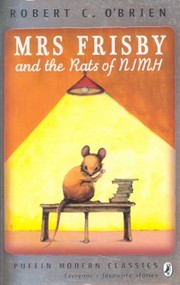
Mrs. Frisby and the Rats of NIMH
3,159-word summary 14 min read
- First published
- 1971
- Publisher
- Atheneum Books
- ISBN
- 9780141333335
- Series
- Rats of NIMH (#1)
Reading options
What's inside (9 sections)
I picked up this book because my kid asked why the movie rat looked so serious on an old DVD cover at a library sale. I remembered the film title The Secret of NIMH from childhood but I had never read the novel. The copy I found was a worn paperback with a mouse on the front and a stamp inside saying Newbery Medal 1972. That sent me back to check the basics. This is Robert C. O'Brien's 1971 book from Atheneum Books, the first in the Rats of NIMH series. It won the Newbery Medal in 1972. I went in expecting a short animal tale. What I got was part farm story, part lab escape account, and part plan to haul a house across a field with rope.
The heart of it is simple. Mrs Frisby is a widowed field mouse with four children. Her youngest, Timothy, has pneumonia. The spring plow is about to come through the field where their cinder block house sits. Moving him in his state could kill him. Leaving him could bury him. She needs help from neighbors who know more than she does. That search pulls her from the field to a crow, to an owl, to a colony of rats living under a rosebush who can read and wire lights.
I read most of it late at night after everyone else was asleep. Some chapters flew. One long talky stretch in the middle made me put the book down and refill water. By the end I liked it a lot, though not in a smooth way. There are parts that drag and parts that feel old in how they treat mothers and fathers. The rescue and the moving plan still work. The rats still feel strange and real.
Timothy will not get up and the plow is coming
Mrs Frisby lives with Teresa, Martin, Cynthia, and Timothy in a cinder block in the Fitzgibbon garden. Her husband Jonathan Frisby died the year before. The book opens in winter turning to spring. Timothy falls ill and stays in bed with fever and cough. Mrs Frisby keeps him warm and brings food. She worries in the way parents do when a child sleeps too long and breathes too loud.
Mr Ages lives nearby. He is an old white mouse who keeps jars and bits of medicine. Mrs Frisby goes to him because Timothy is not getting better. Mr Ages listens to the chest sounds and says the word she fears. Pneumonia. He gives her medicine with clear orders. Keep Timothy in bed. Keep him warm. Do not move him for at least three weeks. Do not let him catch cold air.
That order breaks against the calendar. Farmer Fitzgibbon starts his plow soon. The Frisby house sits right in the path. In past years the family walked to a summer house by the stream before plowing day. This year Timothy cannot walk that far. Mrs Frisby tries to think of fixes. She could carry him wrapped up. She could ask for help. She knows in her chest that moving a boy with pneumonia across cold wet ground in February weather could end him.
The plow date gives the whole book its pressure. Every talk and errand bends back to that deadline. O'Brien does a good job of making farm work feel huge from mouse height. The tractor sounds far off and then nearer. The earth shakes. The cinder block that felt safe in winter starts to feel like a trap.
I liked how plain Mrs Frisby is here. She is not clever in a flashy way. She is steady and polite and tired. She asks for help when she needs it. She thanks people. She keeps going back to check on Timothy between trips. That early section is slow, I will admit. A lot of pages pass with medicine spoons and blankets and visits. But it sets why she will later walk into an owl tree and a rat burrow. A mother with a sick kid and a hard date will knock on strange doors.
Jeremy the crow and the owl in the woods
On the way home from Mr Ages, Mrs Frisby hears a rough voice and finds a young crow tangled in string and caught on a fence. His leg is tied to a bit of balloon or kite tail. The cat from the farm, Dragon, is closing in. Mrs Frisby does not run. She chews through the string while Dragon watches. She frees the crow and they both get away through weeds and low branches.
The crow is Jeremy. He is big, loud, grateful, and a little foolish. He insists he owes her his life. He offers to fly her anywhere. Mrs Frisby first asks for something small. Could he take her to the owl in the woods for advice about moving Timothy. Jeremy agrees at once and seems thrilled to have a mission.
The flight is one of my favorite scenes. Mrs Frisby has never flown. Jeremy tells her to close her eyes and hold feathers. The ground drops. The air smells cold. She keeps her eyes shut tight and prays. Jeremy lands hard and they tumble. He laughs. She steadies her legs and tries not to show how shaky she feels.
The owl lives in a hollow tree. He is old and blunt and not kind in a soft way. He listens while Mrs Frisby explains about Timothy and the plow and Mr Ages and the order not to move him. The owl asks sharp questions. What is your name. Who was your husband. When she says Jonathan Frisby, the owl pauses. He tells her to go under the rosebush to the rats. Ask for Nicodemus. Tell them Jonathan Frisby sent you, in a sense. He warns her not to get caught by Dragon on the way and not to waste time.
I love this chain of help. A mouse saves a crow from a cat. The crow carries the mouse to an owl. The owl points to rats. Nobody has the full answer alone. The woods feel linked by debts and names. Jeremy stays likable because he keeps showing up even when he messes up landings and talks too much. The owl feels like a tired doctor who has seen too many field mice and still points them right.
Under the rosebush with Nicodemus
The rosebush grows near the Fitzgibbon house. Under it the rats have built something Mrs Frisby did not expect. Tunnels with clean floors. Storerooms. A library with books. Lights run on wire. An elevator of sorts made with a pulley and a basket. Rats walk upright and speak in full sentences. They have guards and meetings and plans.
Mrs Frisby is brought down by Justin, a young rat who is polite and strong, and taken to Nicodemus. Nicodemus is old, with one clouded eye, and he leads the group. He is calm in the way leaders get when they have carried a hard past for years. He hears the name Jonathan Frisby and grows still. He tells Mrs Frisby that Jonathan was their friend. He knew her husband well. He says the rats will help her because of that bond and because it is right.
Around this point the book shifts. Mrs Frisby came for a small favor. Move my house a little before the plow. Nicodemus answers with history. To grasp why the rats can help, and why they must soon leave the rosebush themselves, she has to hear where they came from. Mrs Frisby sits and listens. I sat and listened too, though I will be honest that my attention dipped in places. The voice changes from field level action to remembered report.
The rat burrow itself is drawn with care. O'Brien lists tools and shelves and paper without showing off. The rats have school for young ones. They have a workshop where they mend wire and build pumps. They keep human books and teach from them. The library under a garden bush felt both cozy and odd. Cozy because of lamps and chairs made from spools. Odd because you remember these are rats who should be stealing grain, not holding meetings about power use.
Mrs Frisby meets others too. Brutus the guard who looks fierce and follows rules. Justin who guides her and jokes to ease her fear. Mr Ages turns out to have ties here as well, which explains his jars and knowledge. The rats treat Mrs Frisby with respect. They offer food. They ask about Timothy by name. That kindness lands because she arrived scared and small and they do not mock her for it.
What NIMH did to the rats
Nicodemus tells the long story. Years back, the rats were caught and taken to a lab called NIMH. There, scientists gave them shots and ran them through mazes. The shots changed them. They grew able to think in new ways. They learned to read. They learned to use tools and machines. They watched the scientists and picked up habits of planning and record keeping. Mice were there too, including Jonathan Frisby and Mr Ages.
Jonathan and Mr Ages were part of the same work. Jonathan became close to the rats. He helped them learn faster. He copied keys and studied locks. When the rats saw a chance, they made a plan and got out through vents and ducts. Jonathan got out with them. Mr Ages left in another way and ended up near the Fitzgibbons. The escape was narrow and not everyone made it calmly. O'Brien keeps the lab part plain rather than gory. Needles, cages, white rooms, men with clipboards. The fear comes from being handled, not from blood.
After the escape, the rats lived as thieves for a while. They stole food and wire and motors from farms and stores. They grew good at it. Nicodemus says this period shamed them. They were smart enough to know stealing was wrong and still depended on it. They wanted a place of their own where they could farm and build and stop taking from humans. They found the Fitzgibbon garden and dug under the rosebush. They tapped power for lights. They set up school. They tried to live by rules Jonathan helped write about not stealing and about sharing work.
Two groups split over what to do next. Jenner led rats who wanted to stay near humans and keep taking goods because it was easy. Nicodemus led rats who wanted to move to a wild valley called Thorn Valley and live off their own labor. The split turned bitter. Jenner and his followers left for another place. The rest stayed to plan the move. This matters later when men come with poison and when choices narrow fast.
Jonathan Frisby kept visiting after the escape. He learned from the rats and taught his own children bits of reading and care. He died while trying to drug Dragon the cat so mice could move more safely. That is why his name opens doors. The rats loved him. They keep his picture and his sayings. When Nicodemus tells Mrs Frisby this, she learns her quiet husband had a brave hidden life she never fully saw.
I found this history gripping in idea and heavy in telling. Pages of meeting notes and maze talk slowed me down. O'Brien pauses the plow countdown to deliver background. Kids who love action may fidget. Adults may enjoy the questions about using brains well and about leaving easy theft for hard work. I wished it was shorter by a third, with more scenes and fewer summaries. The core image still sticks. Lab rats who can read, arguing about farming.
Moving a house with rope and wire
The rats agree to move the Frisby house. Not the family. The house itself, with Timothy asleep inside. They will lift the cinder block and pull it to a safe spot beyond the plow line, using levers and pulleys and many hands. They will do it at night so the Fitzgibbons do not see. They will drug Dragon first so the cat does not stalk the workers.
Mrs Frisby learns her part. She must put sleeping powder in Dragon's food bowl. Jonathan died trying this, which frightens her. The rats give her clear steps and a small packet. She practices the path. She watches Dragon's habits. The cat eats at set times near the kitchen door. The bowl sits where light falls and where Billy, the farm boy, might spot a mouse.
The night of the move has the best pages in the book. The rats come out in teams. They set timbers under the block. They run ropes. They whisper counts. Justin leads the pull. Nicodemus watches the line. Mrs Frisby stays near Timothy, keeping him warm and still while the floor shifts. The block groans and lifts a finger width, then more. Mud sucks at the edges. Roots snap. The men in the house sleep on, unaware that a whole crew is hauling a mouse home across their garden.
O'Brien writes work well. He counts hands on ropes. He notes when a lever slips and when a rat resets it without panic. The lights from the burrow are off so no glow shows. The only sounds are breath and rope and soft earth. I held my breath when the block tilted. Timothy coughs in his sleep and Mrs Frisby fears the jolt will wake him into cold air. It does not. The teams ease the house down on new ground past the plow path. Someone laughs low with relief. Someone else hushes him.
The Dragon drugging almost ruins everything. Mrs Frisby gets the powder into the bowl, but timing and nerves tangle. Dragon eats and grows drowsy, yet not fully out. Later, on a second try after trouble, Mrs Frisby is caught. Billy, the Fitzgibbon boy, sees her near the house and traps her under a glass or in a cage, depending on the printing, and carries her inside to keep as a pet. She sits in a cage with food and water while the plow date ticks and Timothy lies alone. That cage stretch scared me more than the lab story. She can see the kitchen clock and cannot reach her son.
Dragon, the cage, Billy, and getting out
Billy means no harm, which makes it worse. He thinks the mouse is cute. He puts lettuce in the cage. He shows her to his mother. Mrs Frisby cannot explain. She rattles the door and tests the bars. She watches the family talk about the plow and the garden and the strange rats near the hardware store. She learns bits that help her grasp the wider danger.
While she is caged, other events close in. Some of Jenner's rats tried to rob a hardware store and were electrocuted on wires. Word spreads among the rats. The farmers and lab men connect rat signs to the rosebush. Exterminators plan to pump poison gas into the burrow. The rats must leave sooner than they hoped. Nicodemus speeds the Thorn Valley plan. Justin argues for saving who can be saved. The air in the burrow turns urgent.
Mrs Frisby gets out with help and a bit of luck. A chance comes when the cage is left where she can work the latch or when someone moves it near a place she can slip. She runs for the field, dodging feet and brooms. She reaches Timothy and finds him a little better, the medicine working, the new house site holding. The rats check on her between their own packing. Justin brings word. Nicodemus sends thanks and warning in one breath.
The gas comes as planned. Men in masks push tubes into holes and pump. From a safe distance Mrs Frisby sees white clouds sink where the library and school stood. She thinks of lamps and books left behind. Not all rats get clear. Nicodemus dies in the attack, a loss the book states plainly without a speech. The survivors slip out through a back exit and head for Thorn Valley. Jenner's old split feels sadder now. Easy theft near humans ended in traps and poison. The hard path out is the only path left.
What stays with me is how small Mrs Frisby remains inside big events. She does not fight exterminators. She cannot stop the plow by herself. She drugs a cat bowl, sits with a sick boy, trusts neighbors, and keeps promises. Jonathan's past helps her, but she earns help too by freeing Jeremy and by facing the owl and by walking down into the burrow when every instinct says run. The final image is quiet. A house on new stones. A boy breathing easier. A rosebush empty of lights.
What holds up and what creaks
The strengths are clear on a second think. The farm feels true. Feed smells, wet soil, cat breath, cold air through cracks. The rat tech feels clever without turning silly. Pulleys, wires, stolen motors, school lessons. The moral questions have weight for a kids book. Is it right to steal when you can farm. How do smart creatures live without harming slow ones. What do we owe friends of the dead.
The flaws are clear too. The start moves slowly. Medicine and blankets fill many pages before Jeremy arrives. Nicodemus history runs long and talky. O'Brien tells more than he shows in that stretch, with reports of meetings and maze results. Young readers may stall there. I did, and I am an adult who likes backstory.
Gender roles feel dated in spots. Mrs Frisby is brave, but the book often frames her as a widow who needs male guides. Owl, Nicodemus, Justin, even Jeremy point her where to go. She acts with courage inside those orders, yet the shape shows its 1971 roots. Jonathan is the legend. She is the helper who carries his name like a pass. Modern kids may notice and ask about it. That talk can be good, but the book does not start it itself.
The film gap is worth noting for families. The 1982 movie The Secret of NIMH changes the family name to Brisby to avoid legal trouble, adds a magic amulet, and makes Nicodemus more mystical. The book has no amulet. Its power is rope and planning and friendship. I prefer the book's plain tools. Kids who see the film first should know the book is calmer and more practical, with less glow and more mud.
Read it for the move night and the cage scare and the quiet end. Forgive the slow opening and the long lecture under the rosebush. Bring a blanket. Check on Timothy with her. When the plow passes over empty ground where the house stood, you will feel the same relief she does, earned one rope pull at a time.
FAQ
Did Mrs. Frisby and the Rats of NIMH win the Newbery Medal?
Yes. First published in 1971 by Atheneum Books, it won the Newbery Medal in 1972.
Is The Secret of NIMH the same as the book?
No. The 1982 film changes the name to Brisby and adds a magic amulet that is not in the book.
Who are the rats of NIMH?
They are lab rats who learned to read and build machines, escaped from NIMH, and built a colony under the rosebush.
Similar books
More from Rats of NIMH first, then related titles.
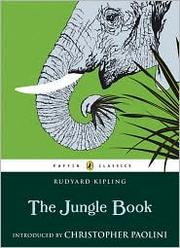
The Jungle Book
Mowgli, raised by wolves in the Seeonee Hills, learns the Law from Baloo and Bagheera while Shere Khan circles. Kipling's 1894 story collection.
2,799-word summary · 12 min read

Make Way for Ducklings
A pair of mallards raise eight ducklings on the Charles River and lead them across Boston to the Public Garden, with a little help from a friendly policeman.
2,044-word summary · 9 min read
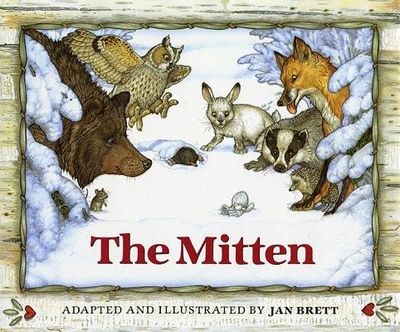
The Mitten
Jan Brett retells a Ukrainian folktale about a boy, a lost white mitten, and the woodland animals that crowd inside until a bear sneezes.
2,609-word summary · 12 min read

Clifford the Big Red Dog
Emily Elizabeth picks the smallest puppy in the litter, loves him as hard as she can, and wakes up to a dog the size of a house.
2,092-word summary · 9 min read
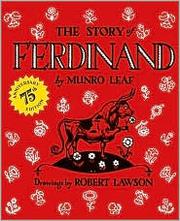
The Story of Ferdinand
A gentle Spanish bull would rather smell flowers than fight, and when he is taken to the bullring he simply sits down among the flowers in the ladies' hats.
2,135-word summary · 9 min read
Caps for Sale
A peddler balances his caps on his head, naps under a tree, and wakes to find monkeys wearing his stock in this 1940 picture book.
2,787-word summary · 12 min read
The Borrowers
A family of tiny people live under the floorboards of an English house, borrowing what they need until a lonely boy and a suspicious housekeeper change…
2,164-word summary · 10 min read
Out of the Silent Planet
A Cambridge philologist is kidnapped and taken to Mars, where the natives are civilized and the humans are the dangerous invaders.
2,612-word summary · 12 min read
A Connecticut Yankee in King Arthur's Court
Hank Morgan, a Connecticut factory man, wakes in King Arthur's England, rises to chief adviser, and rebuilds the kingdom until his own inventions turn on him.
2,193-word summary · 10 min read
The Swiss Family Robinson
Shipwrecked Robinsons build treehouses and tame island beasts.
2,400-word summary · 11 min read
Into the Wild
Housecat Rusty joins ThunderClan and learns clan law before war.
2,597-word summary · 12 min read
Hoot
Roy tracks a shoeless boy to save burrowing owls from a pancake house.
2,290-word summary · 10 min read
Gregor the Overlander
Gregor follows Boots down a grate into the Underland and a war prophecy.
2,516-word summary · 11 min read
The Miraculous Journey of Edward Tulane
A china rabbit lost at sea learns to love through owners kind and cruel across many years.
2,002-word summary · 9 min read
Charlie and the Great Glass Elevator
Charlie and Wonka overshoot Earth in the glass elevator, meet alien Knids, then risk age pills and Minusland.
2,514-word summary · 11 min read
The Prince and the Pauper
Tom Canty and Prince Edward swap clothes in Tudor London and live each other's lives, from palace dinners to prison cells, until a hidden seal decides the…
2,979-word summary · 13 min read
Redwall
A novice mouse hunts for Martin the Warrior's lost sword while Cluny the Scourge besieges Redwall Abbey.
2,727-word summary · 12 min read
The Island of Doctor Moreau
Shipwrecked Prendick finds Doctor Moreau shaping beasts into men by pain on lost island.
2,137-word summary · 9 min read
Stuart Little
A two-inch boy in a New York family befriends a canary, loses her, and drives off alone to find her.
2,591-word summary · 12 min read
The Twits
Mr. and Mrs. Twit trade vile pranks and torment caged monkeys until the birds and monkeys flip the house on them.
2,864-word summary · 13 min read
The Boxcar Children
Four Alden orphans run from a bakery, settle in an old boxcar in the woods, and learn to live on work, berries, and each other.
2,892-word summary · 13 min read
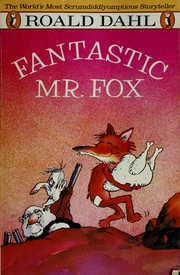
Fantastic Mr. Fox
Mr. Fox raids three cruel farmers to feed his family, then outdigs tractors and a siege to host a feast underground.
2,910-word summary · 13 min read
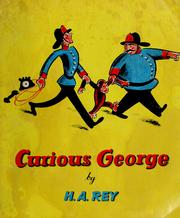
Curious George
Curious George retold: a monkey sails from Africa to the city, phones the fire station, floats off on balloons, and finds home.
2,979-word summary · 13 min read
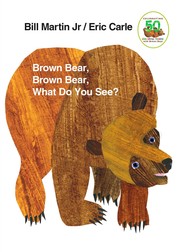
Brown Bear, Brown Bear, What Do You See?
A rhythmic animal parade teaches colors and names, from brown bear to schoolchildren.
3,226-word summary · 14 min read
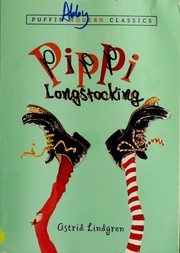
Pippi Longstocking
A super-strong nine-year-old lives alone in Villa Villekulla, upending school, circus and town rules with neighbors Tommy and Annika.
3,115-word summary · 14 min read
The Wind in the Willows
Mole, Rat, Badger, and Toad mess about in boats, lose themselves in the Wild Wood, and retake Toad Hall.
2,033-word summary · 9 min read
The Neverending Story
Bastian steals a book about Fantastica dying and learns he must name and wish to save it.
1,941-word summary · 9 min read
Journey to the Center of the Earth
A professor, his nephew, and a guide climb into an Icelandic volcano to reach the center of the earth.
1,902-word summary · 8 min read
From the Mixed-Up Files of Mrs. Basil E. Frankweiler
Claudia and Jamie run away to the Met, chase whether a 225 dollar Angel is a Michelangelo, and trade secrets with Mrs. Frankweiler.
2,774-word summary · 12 min read
The Tale of Peter Rabbit
Peter Rabbit disobeys his mother, squeezes under the gate into Mr. McGregor garden, and ends in a chase back home to chamomile tea.
2,157-word summary · 10 min read