
Reading options
What's inside (13 sections)
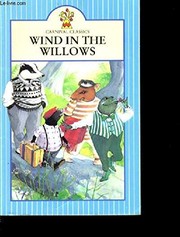
I reread The Wind in the Willows as an adult with tea going cold, and the river chapters still worked like a spell. Kenneth Grahame published it with Methuen in 1908. The Puffin Classics edition I cite runs 224 pages with ISBN 9780140350876. Four animal friends on an English riverbank mess about in boats, get lost in woods, eat too much, and save a house from weasels. Plot is thin. Atmosphere is everything. Spring cleaning abandoned for sunlight. Picnics that take all morning to pack. A toad who cannot stop buying motorcars. It is a book about home and away, told at walking pace.
Mole opens it by quitting. Tired of dusting his underground house while spring calls through the floor, he scratches up into daylight and tumbles to a river he never knew. Rat, the water rat, finds him, feeds him, and takes him boating. Rat is the friend everyone wants. Practical, poetic, kind without fuss. He packs a hamper with cold chicken and ginger beer. He rows while telling Mole the names of banks and backwaters. He invites Mole to stay. That first chapter, with Mole sneezing in sunshine and Rat laughing kindly, sets the contract. No hurry. Notice things. Eat well.
Toad enters as chaos. Rich, jolly, hopelessly suggestible, master of Toad Hall. First caravans, then motorcars. He crashes, buys another, crashes again, lands in court, escapes dressed as a washerwoman, steals a car, and gets besieged in his own hall by weasels while he boasts. Children love him. Adults recognize friends like him and check their wallets. Grahame based him partly on himself as a boy and partly on every Edwardian swell who thought speed was character. Toad is not evil. He is appetite without brake. The book loves him and knows he needs keepers.
Rat, Mole, and Badger
Rat and Mole are the heart. Rat teaches Mole to row, to pack, to listen for otters. Mole teaches Rat to feel newness again. Their winter chapters are the best. Visiting Badger in a snowstorm, lost in the Wild Wood, scratched by thorns, they find Badger great kitchen with armchairs and sausages. Badger is gruff, solitary, respected. He lives alone, knows everyone business, and acts when action is needed. He scolds Toad, shelters Mole, and leads the retaking of Toad Hall with sticks and a battle cry remembered from school. He is the adult who shows up rather than posts.
The Wild Wood scenes deserve a note because they are genuinely frightening in a children book. Dark trees, whistling, faces that may be weasels or only leaves. Mole panics. Rat holds his paw and talks steadily about supper to keep fear down. It works because Grahame respects child fear without exploiting it. Woods at dusk are scary. Friends help. No moral beyond that is forced, though Badger later explains which paths are safe and why. Readers who found Narnia woods cold will feel at home here. Same English fear, smaller scale, warmer fire at the end.
Pan and the piper
The chapter with Pan divides readers. Rat and Mole search for Otter lost son Portly and hear music on an island at dawn. They find the baby asleep between the hooves of Pan, who plays pipes that make them weep and then forget. Some editions cut it. I would not. It is the book spiritual core, pagan rather than churchy, awe rather than lesson. Grahame, who lost a child and worked in a bank while dreaming of rivers, wrote wonder better than morals. The forgetting is mercy. You cannot live with full awe and still eat breakfast. Take the gift and row home.
Toad Hall siege is the action payoff. While Toad blusters in disguise, weasels and stoats occupy his house, drink his cellar, and mock his friends. Rat, Mole, Badger, and even Otter plan a night raid through a secret tunnel. They arm themselves with cudgels, rehearse a war cry, and burst in during a birthday party. The fight is brief and comic. Chairs break. Weasels flee through windows. Toad, who was supposed to wait outside, charges in shouting and takes credit. His friends let him for a night, then insist on reform. The banquet that follows, with Toad making a short dull speech for once, is the true victory. Appetite learns manners.
What dates and what does not
What dates is class. Toad money solves most problems. Police, jailers, even judges bend for a gentleman in distress. Working animals serve and clean without much interior life. The washerwoman whose clothes Toad steals is a joke rather than a person. Modern readers will notice who rows and who rides. Grahame, a banker son writing for his son, did not question Edwardian order. You can name it while enjoying the river. The book is not cruel about class, but it is blind in spots. A short talk with young readers about who works at Toad Hall helps.
What does not date is friendship as practice. Rat showing up with food. Mole admitting he is lost. Badger opening his door in snow. Toad friends refusing to abandon him after the fifth crash. No one gives a speech about loyalty. They pack hampers, find tunnels, hold paws in dark woods. That practical care translates across centuries. My own copy is stained from picnics because I tested the hamper list. Cold chicken works. Ginger beer works. Reading aloud while someone rows does not work, but trying is fun.
How to read it now
Read it slowly, a chapter a night, preferably near water or with windows open. Do the voices. Rat brisk and kind. Mole soft and eager. Badger low and slow. Toad loud and faster with every scheme. Skip the Pan chapter if your child is very small, or read it as a dream and move on. The caravan chapter, where Toad first falls for the open road, pairs well with maps. Draw the river. Mark Badger wood. Let Toad Hall be the biggest house you know.
Content notes are gentle. Jail and escape played for laughs, car crashes without injury detail, bullying weasels repelled with sticks, and one scene of real fear in the Wild Wood. No deaths on page. Suitable for young children as read aloud, with talks about stealing and boasting when Toad misbehaves.
I finished with the river still moving in my head. Mole back home for Christmas, smelling his old house and crying because Rat helps him decorate it rather than mocking him. That small kindness is the book in miniature. Home matters because friends help you return to it, not because it is grand. Toad Hall stands. Mole hole glows. Rat writes poetry no one reads. Badger sleeps well. The wind keeps moving through willows whether we listen or not. Grahame listened. For a few evenings, so did I.
Mole Christmas
The Christmas chapter is the emotional center many readers forget when they remember Toad cars. Mole, living with Rat for months, catches a smell of his old home while walking in snow and follows it to his dark little hole. He weeps at the door because it is cold and closed and his. Rat, who could tease him for sentiment, instead finds matches, lights a fire, scrounges food from the village, and invites carolers to sing outside. Field mice sing about a child born in hay while Mole cries into his cocoa. No adventure happens. No moral is stated. Two friends make a cold house warm because one of them needs it. I read this every December and it still works. Home is not where you were born. It is where someone lights a fire with you.
Otter and Portly
Otter family gives the river its wider community. Otter is jolly, strong, a little careless, the kind of father who loses track of his son Portly while telling stories. When Portly vanishes, the whole bank searches. Rat and Mole find him at last on the island with Pan, asleep and safe. Otter grief in between is real and brief. He blames himself loudly, drinks too much, then hugs the boy so hard the boy complains. Grahame, writing to a son he adored and often failed, knew that panic. Parents lose children for minutes that feel like years. The river gives them back if you have friends who help look. That is the whole parenting advice in the book. Watch better. Forgive fast. Feed everyone after.
Toad reform that sticks
Toad endings usually annoy modern readers because he relapses between chapters, but the final reform is handled differently and worth trusting. After the Hall is retaken, Toad tries to boast at the banquet and his friends stare him down. He sits. He thanks the cook by name. He sends money to the washerwoman whose clothes and horse he stole. He visits Badger without being summoned. These are small administrative acts of decency, not grand vows. Grahame understood that character change looks like paperwork. Apologize in writing. Pay for damage. Show up early. Toad does the paperwork at last. Children who loved his chaos may find this dull. Adults who manage Toads at work will find it the most fantastic part. A braggart who keeps receipts. Imagine.
The railway and the motorcar
Grahame wrote at the moment horses lost roads to engines, and Toad craze tracks that panic. First he loves caravans, slow and painted, then a passing motorcar covers him in dust and he loves speed instead. The shift is instant and total, the way new tech converts skeptics into zealots. Toad buys car after car, hires drivers he ignores, and crashes with joy that frightens his friends. Rat calls cars vulgar. Badger calls them dangerous. Both are right and both miss why Toad loves them. Speed feels like freedom to someone rich enough to survive crashes. Grahame, who commuted by train while dreaming of rivers, lets Toad embody the new century barging into the old. The riverbank cannot stop it. It can only teach manners to those who survive it. Children who love vehicles will cheer Toad on. Parents will hear a warning about phones in every crash.
The courtroom farce
Toad trial is pure farce with a sharp edge about justice. Arrested for theft, reckless driving, and insulting police, Toad defends himself with boasts that convict him faster. Witnesses include the washerwoman whose clothes he stole and the engine driver whose train he hijacked. The judge, who dislikes Toad class as much as his crimes, sentences harshly to applause. Grahame, who worked in law adjacent banking, knew courts perform as much as they judge. Toad performance is terrible. He winks. He bows. He lectures. The scene teaches children that courts listen to manners as well as facts, which is unfair and true. His escape dressed as a washerwoman, aided by a jailer daughter who pities him, adds another uncomfortable layer. Women help Toad while he steals their clothes. No one comments. Modern readers should. Kindness toward rogues often comes from girls taught to be kind. Name it when you read aloud.
Seasons as structure
The book moves through a full year with unusual patience. Spring cleaning abandoned. Summer boating. Autumn harvest and falling leaves. Winter snow and carols. Each season gets its food, weather, and work. Harvest mice in fields. Snow blocking Badger door. Spring lambs that Mole has never seen. That cycle is why the book suits rereading across a year. Read boating in summer. Read Wild Wood in fall. Read Mole Christmas in winter. Read spring cleaning in spring. Few children books trust seasons this much. Grahame does because he trusts place over plot. The riverbank endures while Toad schemes pass. That endurance comforts children who feel life changes too fast. Seasons return. Friends return. Supper returns.
Text note
Grahame first told these tales as letters to his son Alastair, then shaped them into a book after The Golden Age. E. H. Shepard illustrations fixed the characters in most minds, though Grahame first imagined them wilder. Any complete edition works. Puffin 224 page text is unabridged. Avoid condensations that cut Pan and the banquet. Those are the soul and the supper. You need both.
FAQ
When was The Wind in the Willows published?
Methuen published it in 1908. The Puffin Classics edition runs 224 pages and the ISBN is 9780140350876.
Who are the main characters?
Mole, Ratty the water rat, Badger, Mr. Toad of Toad Hall, and Otter and Portly.
Is it part of a series?
No. It stands alone, though Grahame wrote separately about the Reluctant Dragon.
Similar books
Redwall
A novice mouse hunts for Martin the Warrior's lost sword while Cluny the Scourge besieges Redwall Abbey.
2,727-word summary · 12 min read

Clifford the Big Red Dog
Emily Elizabeth picks the smallest puppy in the litter, loves him as hard as she can, and wakes up to a dog the size of a house.
2,092-word summary · 9 min read
Frog and Toad Are Friends
Five short stories about a cheerful frog and a grumpy toad who need each other for waking up, swimming, and waiting for the mail.
1,969-word summary · 9 min read
The Swiss Family Robinson
Shipwrecked Robinsons build treehouses and tame island beasts.
2,400-word summary · 11 min read
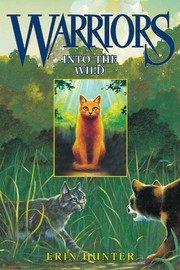
Into the Wild
Housecat Rusty joins ThunderClan and learns clan law before war.
2,597-word summary · 12 min read
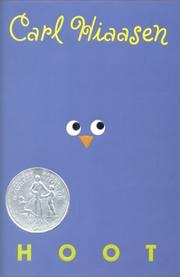
Hoot
Roy tracks a shoeless boy to save burrowing owls from a pancake house.
2,290-word summary · 10 min read
Gregor the Overlander
Gregor follows Boots down a grate into the Underland and a war prophecy.
2,516-word summary · 11 min read
The Miraculous Journey of Edward Tulane
A china rabbit lost at sea learns to love through owners kind and cruel across many years.
2,002-word summary · 9 min read
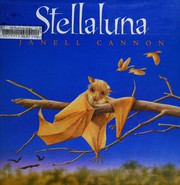
Stellaluna
A baby fruit bat falls into a bird nest, learns to perch and eat bugs, then reunites with her mother in Cannon's acclaimed 1993 picture book about difference…
2,486-word summary · 11 min read
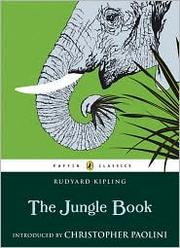
The Jungle Book
Mowgli, raised by wolves in the Seeonee Hills, learns the Law from Baloo and Bagheera while Shere Khan circles. Kipling's 1894 story collection.
2,799-word summary · 12 min read
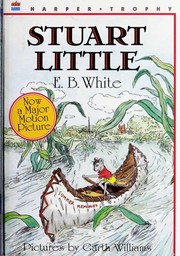
Stuart Little
A two-inch boy in a New York family befriends a canary, loses her, and drives off alone to find her.
2,591-word summary · 12 min read
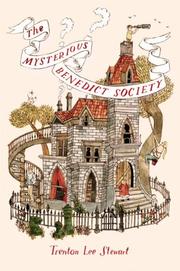
The Mysterious Benedict Society
Four gifted children pass strange tests and go undercover at a school hiding a mind control machine.
2,130-word summary · 9 min read
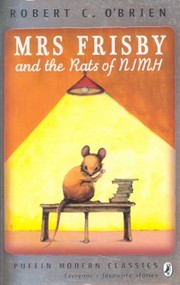
Mrs. Frisby and the Rats of NIMH
A widowed mouse races the spring plow to save her sick son Timothy, and finds help from the intelligent rats of NIMH hiding under the rosebush.
3,159-word summary · 14 min read
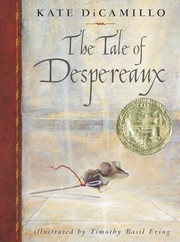
The Tale of Despereaux
A bookish mouse, a light loving rat, and a servant girl meet in a castle where soup is banned to save Princess Pea.
2,680-word summary · 12 min read
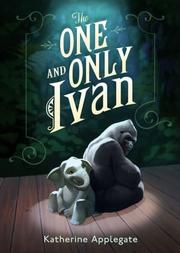
The One and Only Ivan
A mall gorilla who paints promises a dying elephant friend to get baby Ruby to a better home.
2,178-word summary · 10 min read
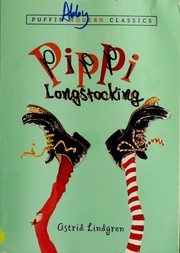
Pippi Longstocking
A super-strong nine-year-old lives alone in Villa Villekulla, upending school, circus and town rules with neighbors Tommy and Annika.
3,115-word summary · 14 min read
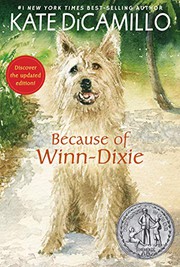
Because of Winn-Dixie
Lonely Opal names a stray Winn-Dixie and finds ten friends, plus a way to ask her preacher father hard things.
2,024-word summary · 9 min read
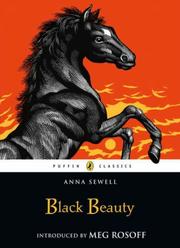
Black Beauty
Black Beauty retold in his own voice, from Birtwick Park to London cabs, through hard owners and kind hands.
3,026-word summary · 13 min read
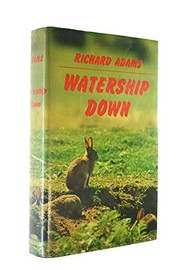
Watership Down
Hazel leads a small band of rabbits from a doomed warren to Watership Down, where survival means facing snares, farms and General Woundwort.
2,550-word summary · 11 min read
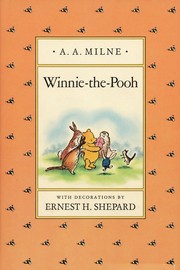
Winnie-the-Pooh
Edward Bear comes downstairs bump-bump-bump and into the Hundred Acre Wood for honey, hunneys, and heffalumps.
2,068-word summary · 9 min read
The House at Pooh Corner
Tigger bounces into the Hundred Acre Wood while Pooh builds Eeyore a house and Piglet does a grand thing.
2,022-word summary · 9 min read

Make Way for Ducklings
A pair of mallards raise eight ducklings on the Charles River and lead them across Boston to the Public Garden, with a little help from a friendly policeman.
2,044-word summary · 9 min read

The Field Guide
Three siblings move into a creepy Maine estate, anger a brownie, and find a forbidden guide to the fairy world in the first Spiderwick book.
2,033-word summary · 9 min read

Hard Luck
Rowley has a girlfriend, so Greg turns to a Magic 8 Ball, a family Easter hunt and the school yearbook for answers.
2,586-word summary · 11 min read
The Valley of Horses
Exiled from the Clan, Ayla survives alone in a hidden valley, tames a horse and a cave lion, and nurses a wounded stranger back to life.
2,311-word summary · 10 min read
The Mitten
Jan Brett retells a Ukrainian folktale about a boy, a lost white mitten, and the woodland animals that crowd inside until a bear sneezes.
2,609-word summary · 12 min read
The Story of Ferdinand
A gentle Spanish bull would rather smell flowers than fight, and when he is taken to the bullring he simply sits down among the flowers in the ladies' hats.
2,135-word summary · 9 min read

Heist Society
A teenage art thief gets expelled from boarding school, then has two weeks to steal five paintings back from a London museum and clear her father.
2,781-word summary · 12 min read
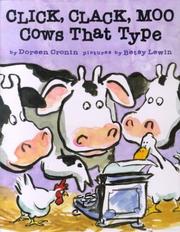
Click, Clack, Moo: Cows That Type
Cows learn to type, demand electric blankets, and go on strike in a deadpan picture book about negotiation and withheld labor.
2,617-word summary · 12 min read
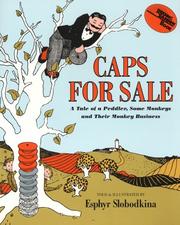
Caps for Sale
A peddler balances his caps on his head, naps under a tree, and wakes to find monkeys wearing his stock in this 1940 picture book.
2,787-word summary · 12 min read