
Reading options
What's inside (7 sections)
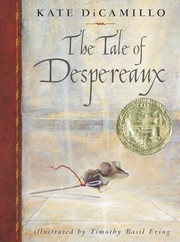
I picked up The Tale of Despereaux on a rainy weekend because a friend with kids kept saying it was sadder and funnier than she expected. The Tale of Despereaux by Kate DiCamillo was first published in 2003 by Candlewick Press, a 267 page hardcover with ISBN 9780763617226. It is a standalone novel, illustrated by Timothy Basil Ering, and it won the Newbery Medal in 2004. I thought I knew the shape of it from the film posters, a small mouse with big ears, but the book felt stranger and more serious. It is told in four books within the book, and the narrator talks to you directly, which I did not expect to like as much as I did.
The castle setting helps. There is a king named Philip, a princess named Pea, a cook who makes soup that people love, and under it all a dungeon with rats. Above, mice live in the walls and try to stay unnoticed. Below, rats live in the dark and follow their own rules. In between are humans who grieve and make odd laws. The story moves between a mouse, a rat, and a serving girl until their paths cross. That structure sounds fussy, but it reads like three short tales braided together.
Despereaux Tilling is the mouse. He is born small and sickly, with his eyes open, which the other mice take as a bad sign. Most mice are born blind, and most learn fast to nibble paper, fear cats, and stay quiet. Despereaux does none of that well. He loves music. He loves the sound of the king playing and the princess singing. He reads a story about a knight and a princess and decides that brave means honoring beauty and telling the truth. His mother, Antoinette, finds him odd and tiring. His father, Lester, is worried and conventional. His brother, Furlough, is more or less a normal mouse who wants his strange brother to act normal.
School is where the trouble shows. The mice have their own lessons about cowering and scurrying, and Despereaux fails at them in a way that feels sweet rather than rebellious. He does not want to break rules for fun. He simply cannot pretend he does not love light and stories. When he follows music to the royal rooms and sits at the king feet to listen, and then speaks to Princess Pea, he breaks the deepest mouse rule. Mice do not talk to humans. Because mice are linked in human minds with rats, and rats have been outlawed after a tragedy, the king reacts with anger and fear. Furlough tells. Lester calls the mouse council. The council votes to send Despereaux to the dungeon to die.
That sentence lands hard in a book for young readers. I paused there. The dungeon is run by a jailer named Gregory who keeps himself tied with a rope so he will not get lost in the dark passages. He is kind in a tired way. When Despereaux arrives, Gregory spares him because the mouse tells him a story. Stories are treated as food here. That idea returns again and again. A story can keep you company in a dark place. It cannot unlock a door, but it can keep you human, or mouse, a little longer.
A mouse with eyes open
Book One stays close to Despereaux, and I liked how physical it feels. He is tiny even for a mouse. His ears are large. He coughs. He faints. He gets scolded for staring at light. His love for Princess Pea is not romantic in an adult sense. It is closer to how a child loves a kind older sister or a teacher who sings well. Pea is lonely too, which matters. Her mother is dead. Her father is sunk in grief. The castle feels cold. When a small mouse looks at her with clear admiration and says she is beautiful, she answers with kindness rather than screaming.
The mouse council scenes show how fear makes groups cruel. Lester loves his son, after a fashion, but he loves order more. He votes with the council. Furlough reports his brother and seems to feel both pride and shame. The council speaks in formal phrases about community and danger. It is easy to see their point. A mouse who talks to humans puts all mice at risk. Still, sending a child to the dungeon feels wrong, and DiCamillo lets it feel wrong without turning Lester into a villain. He is weak. Weakness does damage here, which is a hard lesson for a children book to carry.
Gregory the jailer gives the first hint that light can be found below. He keeps a torch, a chair, and a routine. He listens. When Despereaux tells a tale, Gregory laughs and lets him live for a while in a cell. I found those pages moving because nothing grand happens. A frightened mouse talks. A lonely man listens. The dark stays dark. That small mercy keeps Despereaux alive long enough for the rest of the plot to reach him.
A fair point on this section. The narrator steps in often with asides to the reader. Some readers will love that warmth. Others will find it slows the tension. I liked it in the dungeon chapters and found it a bit much during the school scenes, where I wanted more mouse life and less commentary. If you prefer stories that stay out of the way, this voice will take adjusting. It grew on me.
A rat who loved light
Book Two goes back in time to explain why soup and rats are banned, and it centers on a rat named Chiaroscuro, called Roscuro for short. He is not like the other rats. Most rats in the dungeon love the dark and follow a leader named Botticelli Remorso, who teaches that suffering and darkness are proper and that light makes fools of rats. Roscuro loves light. He loves the shine of spoons and the smell of soup and the sound of music from above. He has a friend in Botticelli, but it is a friendship built on argument.
The key scene is awful in the way old fairy tales are awful. Roscuro climbs a chandelier above a banquet, meaning only to bask in light, and falls into a bowl of the queen soup. The queen sees a rat in her food and dies of fright. It is sudden and absurd and sad. Princess Pea, then a child, orders Roscuro to leave. He answers with anger and promises revenge. King Philip, wild with grief, bans soup, spoons, bowls, and rats. The soup ban sounds comic until you see what it does to the castle. The cook cannot cook what she loves. The king cannot face meals. Pea grows up in a house where pleasure feels disloyal.
I thought Roscuro was the most interesting character. He is not evil in a simple way. He is vain and hurt and dramatic. He wants to be admired in the light, and when he is rejected, he chooses spite. Botticelli encourages that spite with long speeches about rat nature. Those speeches are well written and, to me, a little repetitive on a first read. They make their point early, that Roscuro is torn, and then they keep making it. Still, the idea sticks. Roscuro does not start out wanting to harm a child. He talks himself into it because humiliation is hard to carry.
The light and dark talk could feel heavy, but DiCamillo keeps it concrete. Light is a lamp, a spoon, a window, a red tablecloth. Dark is a damp tunnel, a lost rope, a crowd of rats. Light here means attention and kindness as much as brightness. When Roscuro says he wants the light, he means he wants to be seen without disgust. That wish is easy to understand, even when his actions stop being easy to forgive.
The girl who wanted to be a princess
Book Three introduces Miggery Sow, called Mig, and her story is the hardest to read. When she is six, her mother dies. Her father, who seems overwhelmed rather than purely evil, sells her to a man she calls Uncle for some cigarettes, a hen, and a red tablecloth. Uncle treats her as unpaid help and hits her ears so often that she becomes partly deaf. She grows up slow in some ways and sharp in others. She sees Princess Pea ride past on a horse and decides she wants to be a princess. It is not greed. It is a child logic. Princesses are safe, clean, loved, and dry. Mig is none of those.
Soldiers later tell Uncle that no person can own another, and Mig is taken to work in the castle. She eats a lot and grows large except for her small head. She laughs loudly. People mock her. Her main job is to carry food down to Gregory in the dungeon. There she meets Roscuro, who listens to her wish and feeds it. He tells her that if she helps him take Princess Pea to the dungeon, he will make Pea a servant and Mig a princess. Mig believes him because she needs to believe someone has a plan for her.
This is where I had to put the book down for an evening. Mig ear injuries, her confusion, and her eagerness to please are written plainly, without jokes to soften them. Some young readers will find it upsetting, and I think that is fair to flag. The book does not linger on pain to shock, but it does not look away either. Mig is not a comic side figure, even when other characters treat her that way. She is a neglected child trying to trade one form of service for a better one.
Cook and Gregory are kind to Mig in limited ways. Gregory gives her a handkerchief. Cook scolds and feeds. Neither rescues her, which frustrated me at first. On reflection, that feels honest to the castle world. Adults here are tired, grieving, or bound by rules. Help comes in small portions. A handkerchief. A meal. A warning not fully heard. Mig carries Despereaux in that handkerchief at one point without knowing how much depends on a scrap of cloth.
Down to the dungeon
Book Four pulls the threads together, and the title of this last book, Recalled to the Light, earns its name. Mig, coached by Roscuro, leads Princess Pea at night with a knife in one hand and a candle in the other down to the dungeon. Pea goes partly from fear and partly from a strange pity. She has been lonely and curious, and Roscuro has learned how to sound reasonable. Meanwhile Despereaux escapes the dungeon on one of Gregory trays that Mig carries up, only to be found in the kitchen. Cook tells Mig to kill him. Mig, scared and obedient, swings a knife and cuts off his tail rather than killing him.
That injury matters. Despereaux spends a night on a flour sack, in pain, doubting the stories that taught him to be brave. He weeps. He wonders if happily ever after is a lie told to children. I found this the truest passage in the book. Courage here is not feeling no fear. It is acting while hurt and unsure. The flour that coats him later makes the mouse council mistake him for a ghost, which gives him a strange authority. He forgives his father, mocks the council fear, and goes to the king. The king will not listen because Despereaux is kin to rats. So Despereaux goes to Hovis, the thread master, who gives him a whole spool of red thread and a sewing needle to use as a sword.
Hovis is a small pleasure, a calm worker who treats a mouse quest as worthy of proper tools. The thread will mark his path back. The needle will let him stand tall. Cook, frantic over Pea disappearance, breaks her own law and makes soup again, and shares some with Despereaux before he goes down. That bowl of soup is one of my favorite beats. It is not a magic potion. It is hot food given with shaking hands. It steadies him. He smells of soup when he enters the dark, and rats follow that smell.
Gregory fate is grim. Roscuro chewed through the rope that kept Gregory anchored, and Gregory died lost in the dark maze from terror. The book does not soften that. The guards find it. Mig learns it. The cost of revenge is spelled out in a dead kind man. If you are reading aloud to a younger child, be ready for questions here. The story trusts kids to handle death, but it does not rush past it.
Soup and forgiveness
The final confrontation is crowded in the best way. Despereaux follows his thread down, loses it at the stairs, and meets Botticelli, who picks up the spool and smells soup and tears and flour and oil and mouse blood on it. Botticelli offers to lead him to Pea, and Despereaux, desperate, follows. More rats gather, drawn by soup smell. Mig realizes Roscuro tricked her. She will never be a princess by his plan. Roscuro wants to keep Pea in the dungeon so he can gaze at her dress in candlelight, a petty and sad revenge. Despereaux steps forward with his needle. Mig acts and cuts off Roscuro tail. Despereaux threatens to kill Roscuro. Botticelli jeers that a mouse cannot kill a rat.
What happens next is why the book lasts. Roscuro smells soup on Despereaux whiskers and starts to cry. He admits he does not truly want to hurt anyone. Pea, who has every reason to hate him, offers to share soup with him upstairs if he frees her. Roscuro agrees. Botticelli, disgusted by mercy, returns to the dark with other rats. No grand battle ends it. A shared meal does. Mig meets her father again, a prisoner in the dungeon who promises love and care going forward. Roscuro is allowed upstairs. The king, Pea, Mig, Despereaux, and Roscuro eat soup together while mouse family watches from hiding.
I loved that ending and also found it quick. After so much pain, forgiveness arrives in a few pages. Some readers will find it beautiful. Others will find it too neat, especially for Mig, whose future is sketched with hope rather than detail. I land in the middle. The speed feels like a fairy tale choice. Long suffering, sudden turn, warm table. If you want systems fixed, laws rewritten, and every wound tracked, you will be left wanting. If you accept that a shared bowl can start repair without finishing it, it works.
Who is it for. Confident readers around eight to twelve will manage the vocabulary and the back and forth in time, though sensitive kids may need company for Mig chapters and Gregory death. Adults reading aloud will get more from the narrator asides and the Botticelli debates. It pairs well with stories about outsiders, like Charlotte Web or Stuart Little, but it is less cozy than either. The humor is dry. The sorrow is real. The moral is not that brave mice win. It is that attention, stories, and soup, given freely, can recall people to the light when rules and revenge cannot.
I closed it thinking about small tools. A spool of thread. A needle. A handkerchief. A bowl. None would impress a dragon. All were enough because they were carried with intent. Despereaux stays small. He stays odd. He does not become a different animal. He becomes himself more fully, in company, at a table. That felt like enough to me, even on the rainy weekend afterglow when I wanted a longer last chapter. I still wish Mig had more pages to herself. I still hear the narrator voice saying reader and smiling. I would hand this to a child who loves animals and to an adult who thinks children books should not flinch.
FAQ
When was The Tale of Despereaux published?
Candlewick Press published it in 2003. It runs 267 pages and the hardcover ISBN is 9780763617226.
Is it part of a series?
No. It is a standalone novel told in four books within the book, ending with soup and forgiveness.
Who are the three main characters?
Despereaux the mouse, Roscuro the rat, and Miggery Sow the servant girl, all tied to Princess Pea.
Similar books
Redwall
A novice mouse hunts for Martin the Warrior's lost sword while Cluny the Scourge besieges Redwall Abbey.
2,727-word summary · 12 min read
The Miraculous Journey of Edward Tulane
A china rabbit lost at sea learns to love through owners kind and cruel across many years.
2,002-word summary · 9 min read

Clifford the Big Red Dog
Emily Elizabeth picks the smallest puppy in the litter, loves him as hard as she can, and wakes up to a dog the size of a house.
2,092-word summary · 9 min read
Frog and Toad Are Friends
Five short stories about a cheerful frog and a grumpy toad who need each other for waking up, swimming, and waiting for the mail.
1,969-word summary · 9 min read
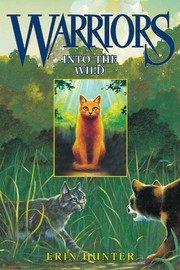
Into the Wild
Housecat Rusty joins ThunderClan and learns clan law before war.
2,597-word summary · 12 min read

Gregor the Overlander
Gregor follows Boots down a grate into the Underland and a war prophecy.
2,516-word summary · 11 min read

Stellaluna
A baby fruit bat falls into a bird nest, learns to perch and eat bugs, then reunites with her mother in Cannon's acclaimed 1993 picture book about difference…
2,486-word summary · 11 min read
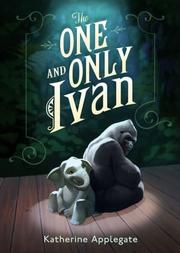
The One and Only Ivan
A mall gorilla who paints promises a dying elephant friend to get baby Ruby to a better home.
2,178-word summary · 10 min read
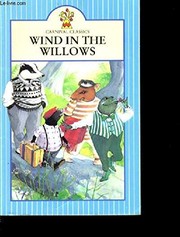
The Wind in the Willows
Mole, Rat, Badger, and Toad mess about in boats, lose themselves in the Wild Wood, and retake Toad Hall.
2,033-word summary · 9 min read

Watership Down
Hazel leads a small band of rabbits from a doomed warren to Watership Down, where survival means facing snares, farms and General Woundwort.
2,550-word summary · 11 min read
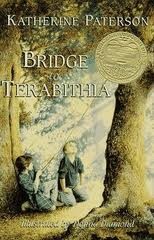
Bridge to Terabithia
Katherine Paterson's Bridge to Terabithia retold: Jess Aarons and Leslie Burke build an imagined kingdom and face sudden loss.
2,673-word summary · 12 min read
Winnie-the-Pooh
Edward Bear comes downstairs bump-bump-bump and into the Hundred Acre Wood for honey, hunneys, and heffalumps.
2,068-word summary · 9 min read
The House at Pooh Corner
Tigger bounces into the Hundred Acre Wood while Pooh builds Eeyore a house and Piglet does a grand thing.
2,022-word summary · 9 min read

Because of Winn-Dixie
Lonely Opal names a stray Winn-Dixie and finds ten friends, plus a way to ask her preacher father hard things.
2,024-word summary · 9 min read
Make Way for Ducklings
A pair of mallards raise eight ducklings on the Charles River and lead them across Boston to the Public Garden, with a little help from a friendly policeman.
2,044-word summary · 9 min read
The Field Guide
Three siblings move into a creepy Maine estate, anger a brownie, and find a forbidden guide to the fairy world in the first Spiderwick book.
2,033-word summary · 9 min read
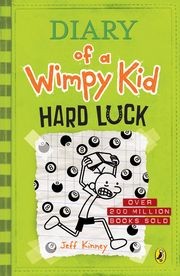
Hard Luck
Rowley has a girlfriend, so Greg turns to a Magic 8 Ball, a family Easter hunt and the school yearbook for answers.
2,586-word summary · 11 min read
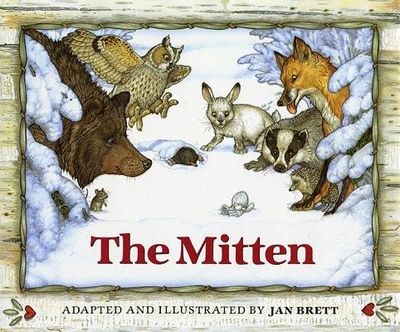
The Mitten
Jan Brett retells a Ukrainian folktale about a boy, a lost white mitten, and the woodland animals that crowd inside until a bear sneezes.
2,609-word summary · 12 min read
The Story of Ferdinand
A gentle Spanish bull would rather smell flowers than fight, and when he is taken to the bullring he simply sits down among the flowers in the ladies' hats.
2,135-word summary · 9 min read
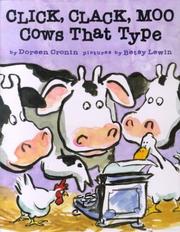
Click, Clack, Moo: Cows That Type
Cows learn to type, demand electric blankets, and go on strike in a deadpan picture book about negotiation and withheld labor.
2,617-word summary · 12 min read
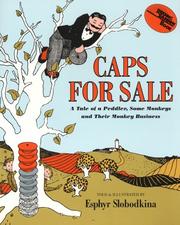
Caps for Sale
A peddler balances his caps on his head, naps under a tree, and wakes to find monkeys wearing his stock in this 1940 picture book.
2,787-word summary · 12 min read
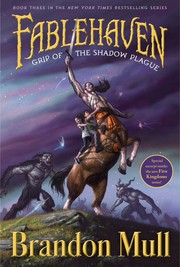
Grip of the Shadow Plague
A plague turns Fablehaven's creatures of light into shadows while Kendra hunts an artifact in Arizona and Seth races to find the cause.
2,131-word summary · 9 min read

The Third Wheel
Greg tries to find a date for the Valentine's dance, ends up the third wheel in his own plan, and watches Rowley get the girl.
2,019-word summary · 9 min read
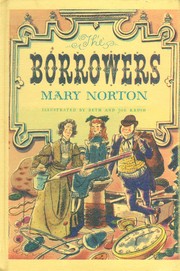
The Borrowers
A family of tiny people live under the floorboards of an English house, borrowing what they need until a lonely boy and a suspicious housekeeper change…
2,164-word summary · 10 min read
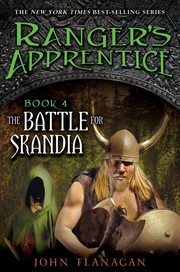
The Battle for Skandia
Will and Evanlyn are still hiding in the Skandian mountains when Halt and Horace arrive with word of a Temujai invasion that could roll on to Araluen next.
2,248-word summary · 10 min read
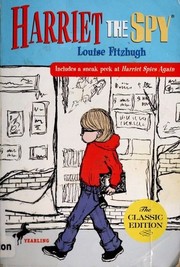
Harriet the Spy
Eleven year old Harriet Welsch fills notebooks with honest, often cruel observations about her neighbors, until her classmates read one and turn her spy route…
2,510-word summary · 11 min read
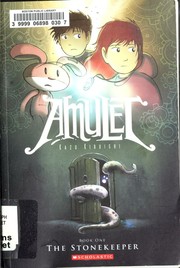
The Stonekeeper
After their father's death, Emily and Navin chase a monster into a hidden world to save their mother, and Emily's great-grandfather's amulet offers power at a…
2,753-word summary · 12 min read
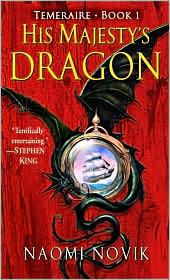
His Majesty's Dragon
When Captain Will Laurence's crew captures a French frigate carrying a dragon egg, the hatchling chooses him, and he trades the Navy for Britain's Aerial Corps.
2,405-word summary · 11 min read
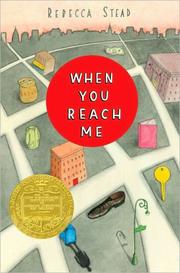
When You Reach Me
A sixth grader in 1970s New York gets strange notes that seem to predict the future.
2,456-word summary · 11 min read

Wayward Son
Simon and Baz road trip America after the war to decide what normal means.
2,505-word summary · 11 min read