
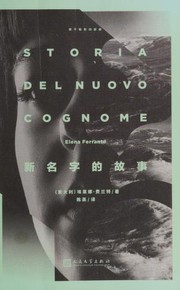
The Story of a New Name
2,523-word summary 11 min read 480 pages in the book
- First published
- 2012
- Publisher
- Europa Editions
- Pages
- 480
- ISBN
- 9781609451349
- Original title
- Storia del nuovo cognome
- Series
- Neapolitan Novels (#2)
Reading options
What's inside (7 sections)
I picked this up right after finishing My Brilliant Friend on a grey weekend when I did not want to leave those streets yet. A friend who grew up near Naples told me the second volume is where the friendship turns adult and harder. She was right. The first book ends with a wedding. This one starts with what that wedding costs. I expected more school rivalry and first love. What I found was marriage, money, jealousy, and two young women trying to become themselves while the neighborhood pulls at their clothes.
First published in Italy in 2012 as Storia del nuovo cognome by E/O, in the Italian text that runs about 470 pages, with the English translation by Ann Goldstein published in 2013 by Europa Editions in a paperback of 480 pages, ISBN 9781609451349. It is the second volume in the Neapolitan Novels, after My Brilliant Friend and before Those Who Leave and Those Who Stay and The Story of the Lost Child. Elena Greco, called Lenu, narrates from later life, looking back on her teens and early twenties. Her friend is Raffaella Cerullo, called Lila or Lina, now Signora Carracci after marrying Stefano Carracci at sixteen. The title points both ways. Lila gains a married name that promises safety and brings trouble. Elena works toward a name of her own through study.
After the wedding
The book opens with Lila and Stefano back from their honeymoon on the Amalfi coast. Lila has bruises on her face. She tells Elena that when she refused Stefano in bed, he forced himself on her and beat her. What shocks Elena more than the violence, which she knows exists in the rione, is how the neighborhood reads it. Many people, women as well as men, treat Stefano with more respect afterward, as if he put an unruly girl in her place. Lila, who married to escape her father house and to run a new life, learns in days that the new name does not protect her.
The reason for the break is not only the bedroom. At the wedding Stefano did two things he had sworn not to do. He made peace with the Solara brothers, Marcello and Michele, who run the bar and much else behind it, and he allowed Lila handmade shoes, designed with her brother Rino, to end up on Marcello feet. For Lila this is betrayal, not business. She had refused Marcello for years. She had chosen Stefano because he seemed clean of that power. Now she sees him shaking those hands and taking their money for his grocery store and for a new shoe shop on the piazza. She decides he is weak rather than kind, and she punishes him by withholding herself. He answers with force.
Elena watches all this from her school desk. She loves Lila and fears her. She studies Latin and Greek while Lila learns how to run a shop counter and how to spend a husband money to keep some control. Early scenes in the Carracci grocery show Lila quickness. She moves her mother in law and sister in law aside without open war. She charms suppliers. She keeps accounts in her head. Stefano likes her skill and resents her will in equal measure. At home he can be generous, paying debts and buying gifts, then turn hard when contradicted. Ferrante does not make him a cartoon. She makes him a young man raised on honor who wants to be modern and cannot bear to be defied.
Shops, photos and a lost child
Much of the first half turns on shops and who stands behind the counter. Stefano, Rino, and the Solaras open a shoe store on the piazza to sell the Cerullo designs. The families argue over managers, shares, and window displays. Pinuccia, Stefano sister, now tied to Rino, works in the grocery and wants standing. Gigliola, soon tied to Michele, wants the fine shop. Michele wants Lila herself in the fine shop because she draws eyes. The most telling episode is a wedding photo. The dressmaker displays a large portrait of Lila in her bridal dress wearing the Cerullo shoes. Passersby stop. Michele asks to enlarge it for the shoe store. Stefano refuses out of pride. Elena and Lila make a private bet about whether he will bend. He does bend, the photo goes up, and Lila answers by altering it over days with paper and paint, covering her face until it turns strange and abstract. Customers stare. Pinuccia and Gigliola hate it. Michele loves it because any attention feeds trade.
Under this noise Lila becomes pregnant and loses the baby. The loss is handled without sentiment. Doctors speak plainly. Mothers and sisters in law press her to try again and blame her restless habits. Stefano grows moody. Lila grows thinner and sharper. Elena, meanwhile, tries to keep her grades high and her ties to the neighborhood from dragging her under. She dates Antonio Cappuccio, who loves her with rough loyalty, but her mind stays on Nino Sarratore, the bright son of the railway poet Donato Sarratore, now grown into a handsome student who talks about books and politics. At a party at Professor Galiani house, Elena feels alive among students who quote and argue. She brings Lila along hoping to share that air. Lila, bored and scornful, mocks the talk on the ride home and cuts Elena cold for months. It is cruel and it rings true. Lila can be generous with money and time, then cutting with words when she feels displayed.
My complaint about this stretch is pace. The shop arguments go round and round, with names and shares that blur if you do not keep a list. Rino hunger for wealth, Michele smooth threats, Stefano pride, Pinuccia tears. It is realistic for family business, but pages of it can drag. What saves it is Elena narration. She admits when she does not understand money, admits when she envies Lila beauty and ease with men, admits when she plays peacemaker to stay close to both sides. That honesty keeps the detail from feeling like filler.
Ischia and the break
A doctor says Lila needs sea air to grow stronger before another pregnancy. Stefano rents a house, first imagined on the Amalfi coast, then shifted to Ischia at Elena urging. Elena agrees to come along for a month because she knows Nino will be on Ischia with his friend Bruno Soccavo. She also wants the paid break from her bookstore job. The party that gathers is young and volatile. Lila with her mother Nunzia nearby, Pinuccia heavily pregnant, Elena watchful, Nino bright and hungry for attention, Bruno easy and warm.
For a week Elena believes Nino might choose her. He seeks her out for walks, holds her hand, talks about articles and books, lends her a journal. She glows in that attention after months of feeling plain beside Lila. Then the current shifts. Nino and Lila begin to circle each other with the force the two friends have always had around men and books. They debate in the sun. They swim far out. They disappear for hours. Elena sees them kissing and feels the ground tilt. Pinuccia, miserable and swollen, leaves early after tangling briefly with Bruno. Lila begs Elena to cover for her so she can spend a night alone with Nino while Stefano is due to visit. Elena agrees, partly from loyalty, partly because saying no would mean losing both of them at once.
That same night Elena, lonely and stung, goes to the house where Nino family stays and sleeps with Donato Sarratore, Nino father, the same man who harassed her years before on the street. Ferrante writes this without excuse or moral speech. Elena acts from hurt and curiosity and a wish to not be the only one left out. She hates herself after and tells no one for a long time. When Stefano arrives and hears gossip from the beach, there are confrontations and blows. The holiday ends in cold silence. Back in Naples Elena and Lila barely speak.
I found Ischia the strongest part of the book and also the most uncomfortable. Strongest because desire, class, and intellect tangle in every conversation. Nino quotes, Lila counters from memory and instinct, Elena translates both ways and feels invisible. Uncomfortable because no one behaves well and Ferrante refuses to tidy it. Nino pursues the brilliance he senses in Lila while keeping Elena as audience. Lila takes what she wants knowing it will wound Elena. Elena trades her own judgment for closeness. If you want likable heroines, you will struggle here. If you can sit with flawed young people making costly choices, it feels painfully alive.
Leaving Stefano, returning, leaving again
After Ischia the two lives split on the surface and stay knotted underneath. Elena throws herself into her final school year. She passes the maturita, the national school leaving exam, and on a teacher tip she tries for the Scuola Normale Superiore in Pisa, which offers places without fees through study. She wins a place, almost unbelieving, and prepares to leave Naples. Just before she goes she stops by the shoe shop and finds Lila with Nino. Lila tells her they have resumed in secret, meeting in the shop during the closed afternoon hours, and that she is pregnant and unsure whose child it is.
What follows is frantic and sad. Lila hides money, rents rooms, plans to run with Nino. She leaves Stefano and vanishes for twenty three days. Michele Solara, to whom Stefano owes money and favors, asks Antonio, now doing work for him, to find her. Antonio tracks the couple, beats Nino, but does not hand them to Michele. He tells Enzo Scanno and Pasquale instead. Enzo, steady and unsentimental since childhood, brings Lila back when Nino proves unable to hold firm. The neighborhood, expert in saving face, agrees to pretend Lila was visiting Elena in Pisa. Stefano, overjoyed that she is pregnant, refuses to hear that the child might not be his. Lila returns to the big flat and plays the docile wife while hating every minute.
The baby arrives, a boy she names Gennaro but calls Rino after her brother. Lila pours herself into him with fierce attention, teaching, talking, determined he will not grow dull in the rione. She also learns that Stefano has long been sleeping with Ada, a girl from the neighborhood, and that Ada is pregnant too. The house fills with tension. Stefano keeps Ada close but guards Lila with jealous pride. Ada presses him to choose. He will not. Money from the Solaras tightens around him. At last Lila breaks for good. With Enzo help she moves to San Giovanni a Teduccio, a working district, and takes work in the sausage factory owned by Bruno family. Elena visits once and finds her friend in harsh conditions, hands raw, flat cold, child clinging. They make peace in a rush of tears and promises not to lose each other. As Elena leaves she gives Lila a copy of The Blue Fairy, the little story Elena wrote as a child that Lila once rewrote and improved. Lila says she does not remember it. From the doorway Elena sees her throw it into a factory furnace.
That furnace image hit me hard. It is not spite alone. It is Lila refusing to be archived, even by love. Throughout the book she destroys traces. Photos altered, letters hidden, notebooks kept back. Elena, by contrast, saves everything. She keeps drafts, grades, train tickets in memory if not in drawers. Their fight is not only over Nino or marriage. It is over who gets to tell their life.
Elena in Pisa and what the book asks
Elena Pisa chapters are quieter but vital. She arrives poor among students who seem to know everything without studying. They speak easily about music, holidays, parents who teach. She works twice as hard and feels twice as far behind. She learns to dress, to speak, to hide her rione accent without losing it entirely. She starts writing a novel drawn from her teens, including the painful parts, and shows it to her boyfriend. His mother passes it to a publisher. It will appear in spring. For her illiterate parents this success outshines any wedding. Her mother, who once feared books would ruin marriage chances, glows when neighbors mention the coming publication. Elena decides she will keep her own surname Greco on the cover even after marriage. Like Lila, she gets a new name. Unlike Lila, she chooses how to wear it.
Study versus marriage is the engine Ferrante keeps returning to, and she refuses to declare a winner. Lila, the faster mind, leaves school for work and marriage and pays with her body. Elena, the steadier worker, stays in school and pays with loneliness and shame. Both envy the other. Lila envies Elena freedom to leave. Elena envies Lila power to act. Around them the men take up space without carrying equal cost. Stefano beats and begs. Nino shines and vanishes. Donato takes and forgets. Enzo alone offers practical help without demanding worship, and even he cannot shield Lila from poverty or gossip.
What did I admire and what tried my patience? I admired the control of time. Months pass in a paragraph when work and school grind, then a single afternoon on Ischia stretches for pages because it changes everything. I admired how politics and money sit inside love scenes without speeches. A grocery debt decides who sleeps where. A scholarship decides who can afford pride. What tried my patience was the crowd. First names repeat across families, nicknames shift, shopkeepers and teachers pile up. I kept a small list on paper and still mixed up two mothers at one point. The middle also sags when shop quarrels repeat. And Lila can be so harsh that even Elena love for her feels puzzling for stretches. I think that is deliberate, to show love that survives contempt, but it makes for hard reading on tired evenings.
Still, the book earns its place as the hinge of the series. The first volume asks who is brilliant. This one asks what brilliance costs when you are a young woman with little money in early 1960s Naples. Lila pays in bruises, miscarriage, factory cold. Elena pays in humiliation, secrecy, and the strange guilt of leaving. Their bond bends but does not snap. When Lila throws that little book into the fire, Elena does not stop writing. She writes more. That tension, one friend erasing while the other records, carries the whole quartet forward and makes me reach for the next volume without pause.
If you read book one for the rione childhood, read this for the adult consequences. It is longer, bolder, less tender. It rewards patience with family lists and slow shop politics. Keep going through the Ischia section even if the cruelty puts you off. The Pisa payoff and the final factory visit reframe everything that felt petty into something larger about memory, work, and who owns a life story.
FAQ
Do I need to read My Brilliant Friend first?
Yes. This is book two of the Neapolitan Novels and starts from Lila wedding. You will follow the shops, Ischia, and Pisa far better in order.
Is the correct year 2012 or 2013?
2012 is the original Italian Storia del nuovo cognome from E/O. The English translation by Ann Goldstein came in 2013 from Europa Editions, the edition cited here.
Similar books
More from Neapolitan Novels first, then related titles.
My Brilliant Friend
Elena and Lila grow up in 1950s Naples bound by rivalry and love.
2,584-word summary · 11 min read
Those Who Leave and Those Who Stay
Elena publishes into Florence salons while Lila labors through Naples factories across the 1970s.
2,034-word summary · 9 min read
The Story of the Lost Child
Elena and Lila age through motherhood, quakes, and a vanishing.
2,500-word summary · 11 min read

The Birth of Venus
A Florentine merchant's daughter trains as an artist, marries a man who hides a secret, and survives Savonarola's bonfire of the vanities.
2,404-word summary · 11 min read
Trust
Four rival accounts of one Wall Street fortune collide: a 1930s novel, a tycoon's memoir, a secretary's story, and a wife's diary.
2,217-word summary · 10 min read
Cleopatra and Frankenstein
A British painter and an older ad man marry on impulse in New York, then face depression, drinking, and tangled friends.
2,168-word summary · 10 min read
The Marriage Portrait
Fifteen year old Lucrezia Medici marries Ferrara's duke and sits for a portrait shadowed by menace.
2,031-word summary · 9 min read
Middlemarch
Idealistic Dorothea marries dry scholar Casaubon while ambitious doctor Lydgate marries Rosamond, and a Midlands town watches both marriages strain.
2,883-word summary · 13 min read
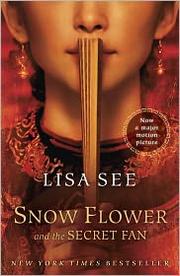
Snow Flower and the Secret Fan
Footbound Lily and Snow Flower share laotong bond through 19th century Hunan hardship.
2,557-word summary · 11 min read
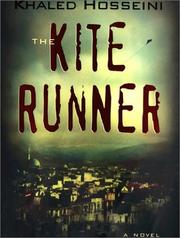
The Kite Runner
Khaled Hosseini's The Kite Runner retold: Amir and Hassan in Kabul, the alley, the escape to America, and the return to find Sohrab.
2,584-word summary · 11 min read
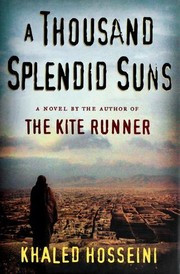
A Thousand Splendid Suns
Splendid Suns retold: Mariam and Laila share Kabul house, war, Rasheed, escape and return.
1,957-word summary · 9 min read

Violeta
A woman born in 1920 writes her life story to her grandson, from one pandemic to another, through wealth, ruin, passion, and dictatorship in South America.
2,555-word summary · 11 min read
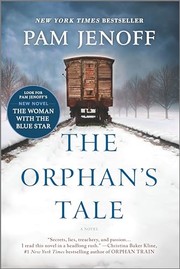
The Orphan's Tale
A Dutch teenager rescues a Jewish baby from a death train and joins a German circus, where a Jewish aerialist teaches her to fly.
2,943-word summary · 13 min read

Revolutionary Road
A Connecticut couple who believe they are too good for the suburbs plan to move to Paris, and the plan slowly exposes everything they cannot say to each other.
2,085-word summary · 9 min read

Lisey's Story
Two years after her novelist husband dies, Lisey Landon follows a trail of clues into his childhood and the other world that made him a writer.
1,998-word summary · 9 min read
The Power of One
A boy in apartheid South Africa decides to become welterweight champion of the world, and the novel follows every mentor, fight, and loss that gets him there.
2,145-word summary · 10 min read

Howards End
Forster's 1910 novel follows two families, a house in Hertfordshire, and a burned note, asking whether money and feeling can ever be connected.
2,187-word summary · 10 min read
The Boleyn Inheritance
Three women narrate Henry VIII's fourth and fifth marriages: a foreign bride who survives, a teenage queen who does not, and the widow who opens the door.
2,391-word summary · 11 min read
The Agony and the Ecstasy
Irving Stone turns Michelangelo's seventy years of carving, painting, and arguing with popes into a novel about the cost of making something that outlives you.
2,260-word summary · 10 min read

Sophie's Choice
A young Southern writer in 1947 Brooklyn befriends a brilliant, unstable couple and slowly learns the story of the Polish Catholic woman at the center of their…
2,798-word summary · 12 min read

The Lowland
Two brothers grow up beside a marshy lowland in Calcutta, and the choices of the younger one draw the older into a life of duty, distance, and quiet grief that…
2,213-word summary · 10 min read

We Are Okay
Marin fled San Francisco after her grandfather vanished and stopped answering anyone. When Mabel visits her college dorm, she has to say what happened.
2,253-word summary · 10 min read

The Storyteller's Secret
A New York journalist goes to India to learn why her grandmother loved a British officer, and why a family servant kept the truth for forty years.
2,270-word summary · 10 min read
Stones from the River
Trudi Montag is born a dwarf in a small German river town in 1915 and grows up to keep the town's library and its secrets, from the First World War to the…
2,818-word summary · 13 min read
On Chesil Beach
Two newlyweds spend one terrible night on Chesil Beach in 1962, and the rest of their lives is decided by it.
2,456-word summary · 11 min read

Ivanhoe
A disinherited Saxon knight, a great tournament, a besieged castle and a trial by combat. Scott's most famous novel, set in England in 1194.
2,834-word summary · 13 min read
Euphoria
Three anthropologists in 1930s New Guinea turn fieldwork into a love triangle, and a real history breathes behind them.
2,048-word summary · 9 min read

Big Swiss
A transcriptionist for a sex coach falls for one of his clients, the tall Swiss gynecologist she calls Big Swiss, in a funny novel about work and secrets.
2,523-word summary · 11 min read

A Spool of Blue Thread
Four generations of the Whitshank family in Baltimore, and the silences, resentments and quiet love they hand down without ever saying so.
2,408-word summary · 11 min read

Wide Sargasso Sea
Jean Rhys gives the first Mrs. Rochester a Caribbean childhood, a marriage built on money and suspicion, and a voice that Charlotte Bronte left in the attic.
2,021-word summary · 9 min read